
A cheap flight can become less impressive once the transfer is added. The airport name may sound close to the city, but the ride to the hotel can add train tickets, shuttle fares, taxi costs, luggage trouble, or an extra hour that a short trip cannot afford.
Europe makes this especially easy to miss. Many popular destinations have several airports, and some budget-airline airports sit well outside the city travelers actually want. A farther airport can still be worth it when the fare is low and the transfer is simple. A closer airport can be worth paying for when the trip is short, the group is large, or the hotel sits near a specific station.
The flight price is only the first number. The better comparison includes the airport, arrival time, hotel location, luggage, transfer cost, and the real destination of the trip.
1. London: The Right Airport Depends on Where You Are Staying

London has several airport choices, and the best one depends on the hotel more than the airport code. Heathrow can work well for central and west London. Heathrow Express says its trains reach London Paddington in 15 minutes, run every 15 minutes, and offer advance one-way tickets from £10.
That can be useful for Paddington, Notting Hill, Marylebone, or parts of London connected well by the Elizabeth line. It is less useful if the hotel sits far east, far south, or somewhere that needs multiple transfers after Paddington.
Stansted can look cheaper on a budget-airline search, but the transfer belongs in the total. Stansted Express lists Stansted Airport to London Liverpool Street at an average journey time of 48 minutes, with fares from £9.90 and trains every 15 minutes during the day.
That can suit Shoreditch, the City, or Liverpool Street-area hotels. For other neighborhoods, the cheaper flight may need another Tube ride, taxi, or long luggage walk before the day really starts.
2. Paris: Beauvais Can Change the Cost of a “Paris” Flight

Paris is another city where the airport name can hide the real arrival. Charles de Gaulle and Orly are the main choices for many visitors, while Beauvais is often used by low-cost carriers and sits much farther from central Paris.
Paris Aéroport describes the RER B as the easiest and fastest public transport link between Charles de Gaulle and Paris, with the trip taking around 35 minutes. That kind of connection can matter on a short city break, especially when the hotel is near a useful RER or Métro transfer.
Beauvais can still work, but the transfer cost should be counted before booking. The official Paris-Beauvais airport shuttle lists adult online tickets at €17.90 one way and €29.90 return for the Paris route.
For one traveler, the savings may still hold. For a couple or family, the shuttle cost and extra travel time can narrow the gap quickly. A “Paris” fare is only a bargain when the hotel-door total still makes sense.
3. Venice: Marco Polo and Treviso Create Very Different Arrivals

Venice is not a normal airport-to-city transfer. The arrival may involve buses, boats, bridges, and a final walk with luggage. Marco Polo is often the simpler first-timer choice because it puts travelers closer to Venice’s main arrival points.
Venezia Unica says the 5-AeroBus line from Marco Polo Airport takes about 20 minutes to reach one of Venice’s main tourist terminals. From Piazzale Roma, travelers can continue by foot, vaporetto, or another transfer depending on the hotel.
Treviso Airport can be cheaper, but it adds another layer to the arrival. ATVO says it offers a non-stop express service from Treviso Antonio Canova Airport to Venice and Mestre, with buses connected to flights.
Treviso can make sense for a low fare, light luggage, or a hotel in Mestre. For a first night in the historic center, Marco Polo often removes one piece of the transfer puzzle before the bridges and canals begin.
4. Milan and the Lakes: Linate, Malpensa, and Bergamo Serve Different Trips
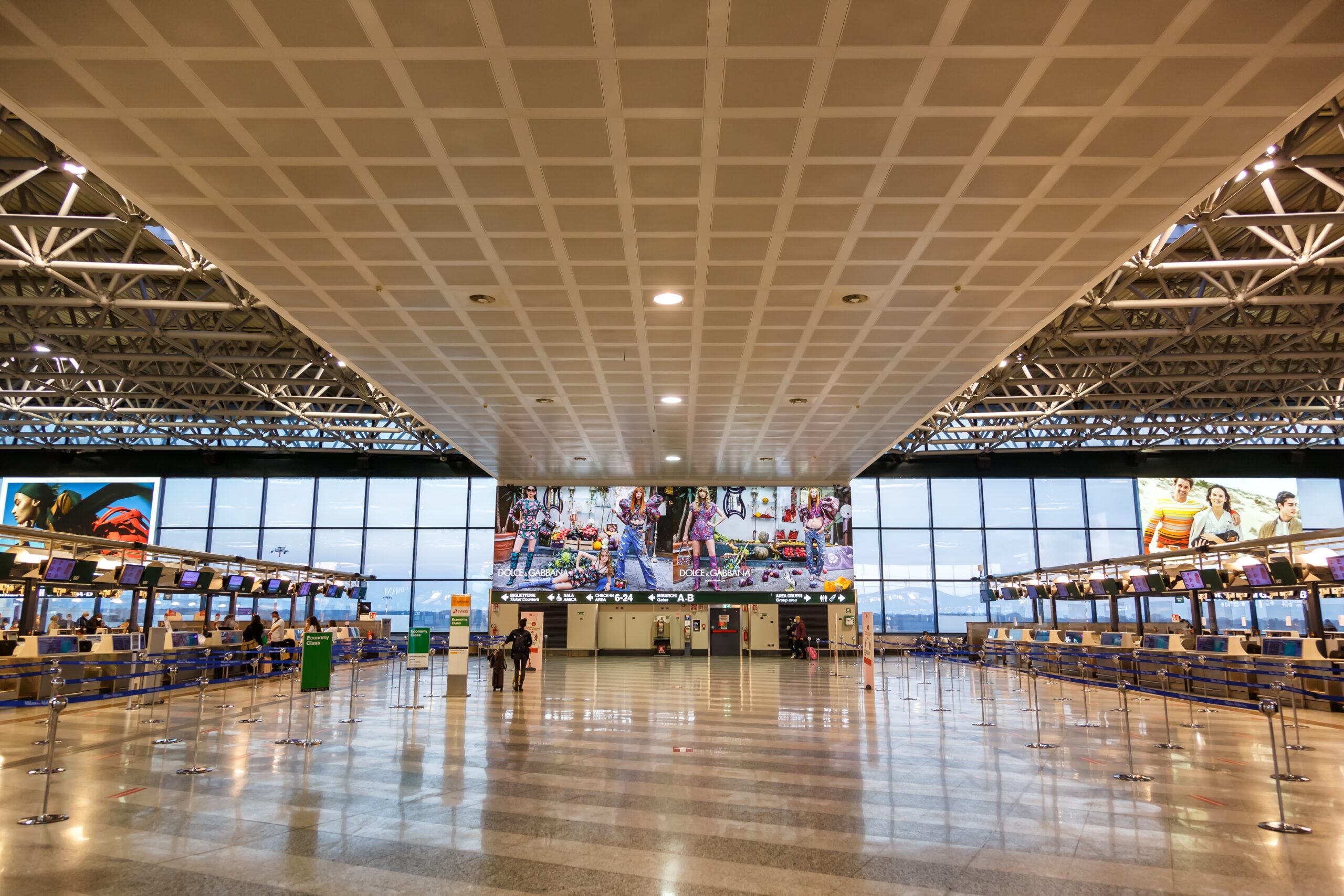
Milan’s best airport depends on the trip. Linate is the easiest choice for many central Milan stays. Milan’s M4 metro information says the line takes travelers from the center to Linate Airport in 12 minutes.
That can make Linate valuable for a city stay, business trip, fashion weekend, or short food-and-museum break. A flight into Linate may cost more but remove a longer transfer from the first and last day.
Malpensa often makes sense for international flights and some lake-bound routes. Malpensa Express lists Malpensa Terminal 1 to Milano Centrale at about 51 minutes. Bergamo is common for low-cost carriers, and Terravision lists Bergamo Orio al Serio to Milano Centrale at about 55 minutes, with one-way tickets priced at €8.
For central Milan, Linate can save the most time. For Lake Como or wider northern Italy plans, Malpensa may fit better. Bergamo can be a good-value arrival, but the bus ride to Milan belongs in the real fare comparison.
5. Barcelona and the Costa Brava: Girona Is Not Always a Bad Choice

Barcelona-El Prat is the natural airport for a classic Barcelona city break. Aerobús says its service operates 24 hours a day, 365 days a year, and its FAQ lists the airport-to-city journey at approximately 30 to 35 minutes, depending on the time slot.
That is hard to beat for hotels in Eixample, the Gothic Quarter, El Born, or near central metro links. For a short weekend in Barcelona itself, El Prat usually gives the cleanest start.
Girona Airport is a different story. It can make sense when the trip is about Girona city, the Costa Brava, or northern Catalonia. Sagalés lists a direct bus from Girona Airport to Barcelona’s Estació del Nord taking 75 minutes, with schedules coordinated with Ryanair flights.
Girona is not automatically a bad choice. It is a bad choice only when travelers book it as if it were the same arrival as Barcelona-El Prat. The airport should match the coast, city, or region that is actually on the itinerary.
6. Brussels, Bruges, and Ghent: Zaventem and Charleroi Are Not the Same Experience
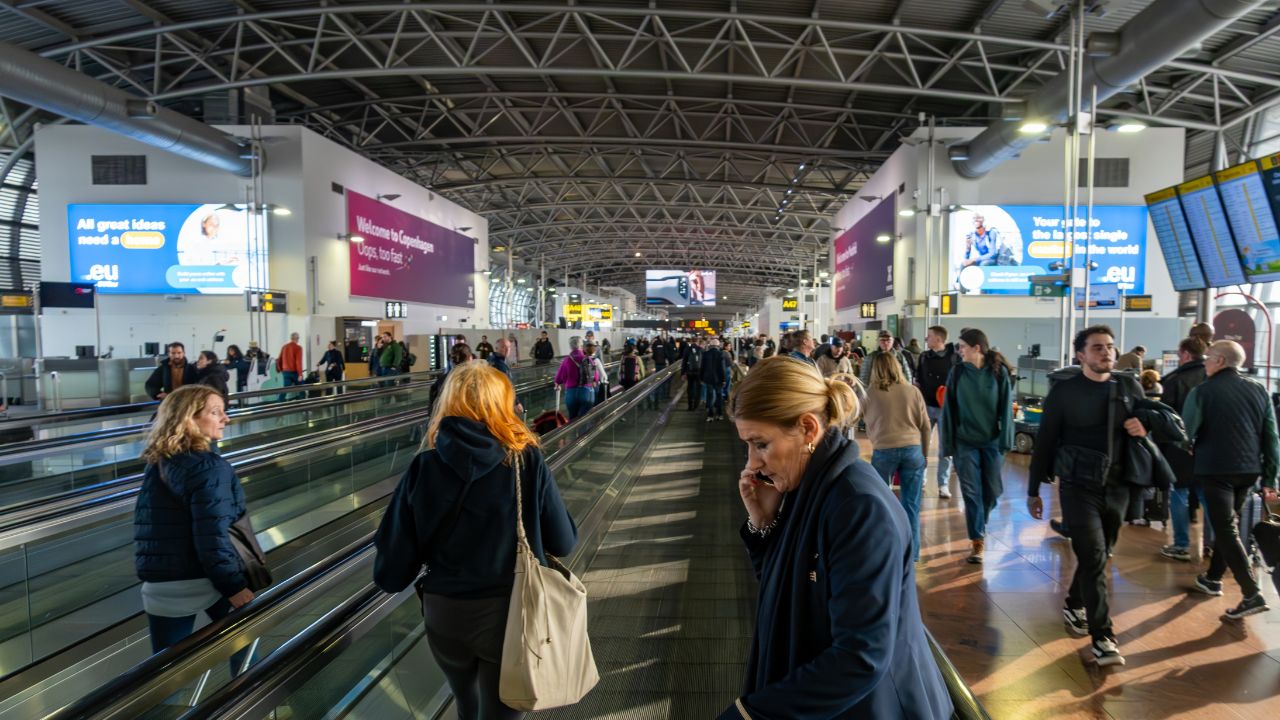
For Brussels itself, Brussels Airport at Zaventem is usually the cleaner arrival. Brussels Airport says frequent direct trains run to Brussels-Central, Brussels-North, and Brussels-South, with the ride to Brussels-Central taking around 18 minutes.
The airport also works well for rail-based Belgium trips. SNCB lists direct train access from Brussels Airport to major cities such as Bruges, Antwerp, Ghent, Liège, and Namur.
Charleroi can still make sense for a cheap fare, but it is a different arrival. Flibco says bus trips from Charleroi Airport to Brussels start at around €19 each way, depending on package, booking time, and availability.
For a solo traveler, that may be acceptable. For a family heading straight to Bruges or Ghent, the savings need to survive the extra bus cost, time, and onward connection.
7. The Algarve: Faro Can Save a Beach Trip From Extra Travel

An Algarve trip gets easier when the flight lands close to the coast travelers came to enjoy. Faro Airport’s official site says buses and taxis connect the airport with Faro city center, where travelers can continue by train to other Algarve or national destinations. It also lists an average taxi fare of €10 between the airport and Faro city.
That makes Faro the natural gateway for many Algarve beach towns. A short transfer can leave time for the first afternoon by the water instead of another long travel leg.
Lisbon can be tempting when flights are cheaper or more frequent, but it adds a real journey before the beach portion begins. CP says Alfa Pendular trains run up and down Portugal, including routes between Braga and Faro.
That rail link is useful for longer Portugal routes. For a beach-focused Algarve vacation, the airport decision can decide whether the trip starts on the coast or starts with another transfer day.