Several states in America have been enhancing the coverage of speed cameras, given the rising number of speeding incidents that require urgent attention.
However, their rollout has remained controversial since the topic of privacy often comes up, a genuine concern from citizens who refuse to be constantly recorded.
Oakland introduced the speed camera program early this year, but only issued warnings to violators for around two months before it began handing out tickets.
However, first-time offenders driving between 11 and 15 mph over the speed limit still receive warnings. But those who go 16 mph or higher get hit with a citation.
Oakland Speed Cameras Issued 82,000 Tickets and 69,000 Warnings
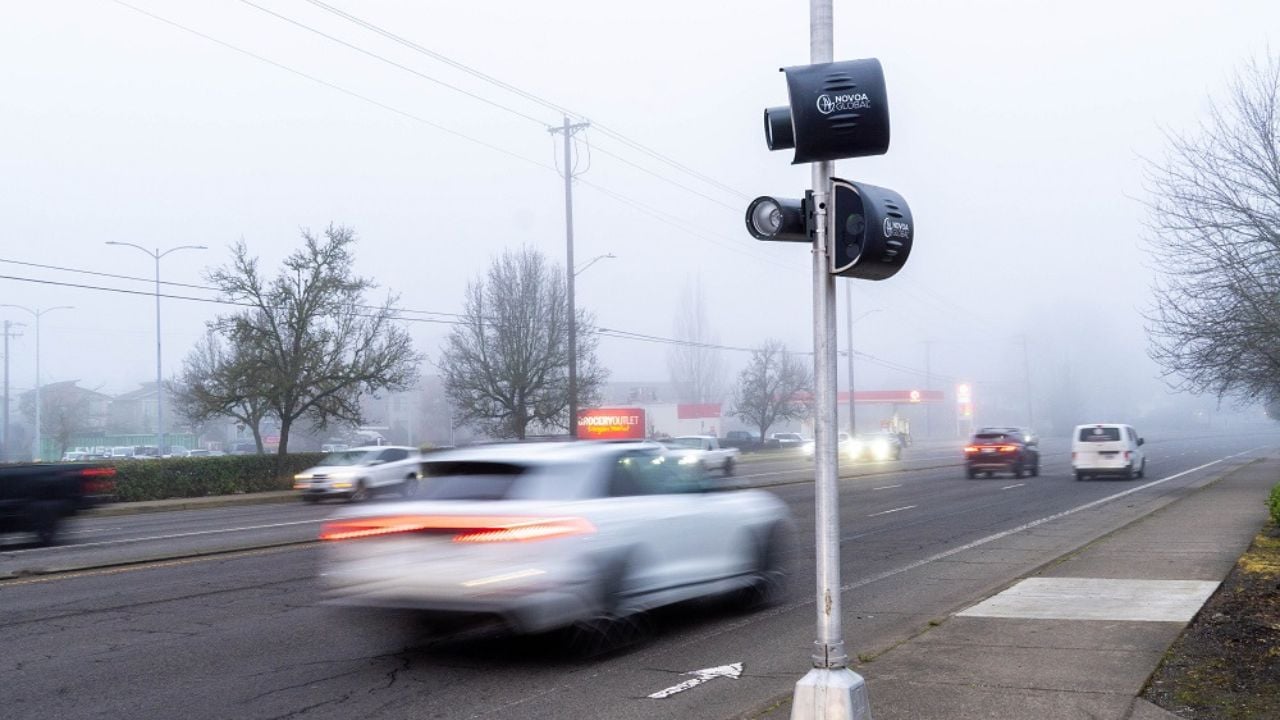
The New York Post reported OakDOT information officer Kent Bravo’s confirmation about when drivers receive a ticket from the system:
“If a driver travels 16 miles per hour or more over the speed limit, then it will be issued as a citation.”
The cameras went live on January 15, but only issued warnings until March 14. However, since mid-March, the speed cameras have issued 82,000 speeding tickets and 69,000 warnings to offenders.
According to the Oakland Department of Transportation’s speed safety camera program manager, Craig Raphael, 35 cameras across 18 locations averaged 60 citations and 50 warnings per camera between March 15 and April 25.
Although there is no report on the revenue collected through the thousands of speed camera tickets, it could be worth over $4 million, assuming each citation involved a minimum fine of $50.
Speed Cameras Are Installed Along Oakland’s High-Injury Network
The speed cameras have been installed on roads that are responsible for the city’s most severe crashes, including along Oakland’s High-Injury Network.
The camera that issued the maximum number of citations is located at 2345 73rd Avenue. It handed out 8,127 citations and 5,500 warnings in the first 40 days alone, as drivers traveled at an average speed of around 45 mph in a 30 mph zone.
The second-highest number of citations was issued by a camera on Hegenberger Road and Spencer Street. 6,902 tickets and 3,793 warnings were issued to drivers who averaged more than 55 mph in a 40 mph zone.
However, these cameras don’t come cheap. Oakland recently updated reports on the speed cameras’ surveillance and privacy practices, revealing that the city was spending a massive $2.5 million per year just to maintain and operate the speed camera system.
New York Troopers Go Undercover to Fine Speeders in Work Zones

The New York State Police troopers have taken things to the next level by not placing cameras near construction zones, but by being present while dressed as workers.
Troopers disguised themselves as construction workers with yellow hard hats and safety vests in active work zones in the city, resulting in a massive crackdown.
Guessing Headlights reported that State Police Troop T conducted Operation Hard Hat along the New York State Thruway (I-90) on May 22, 2026.
Troopers posed as workers in an active work zone to identify violators. The information was then relayed to uniformed troopers in the area to take action.
A total of 94 tickets were issued during the operation in just eight hours, of which 69 were for exceeding the posted work zone speed limit of 55 mph. Eight tickets were for seatbelt violations, six for move over law violations, two were for use of a cellphone/electronic device, and nine tickets were for other violations.
Operation Hard Hat is the continuation of a statewide campaign that began in April during the launch of National Work Zone Awareness Week, which urged drivers to follow the state’s Move Over Law to protect highway and roadside workers.
The NYSP stated it would continue enforcement throughout the construction season this year. In a message to motorists, the release read:
“Operation Hard Hat entails troopers posing as workers embedded in an active work zone to identify violations and then advise uniformed troopers in the area to take enforcement actions.
“The New York State Police remind all motorists that work zones demand heightened attention. Drivers are required to slow down, remain alert, and comply with New York’s Move Over Law. These laws are in place to protect highway workers, emergency personnel, and all motorists traveling through active work zones.”