
European trains can be easier than flying, but they are not one single system with one set of rules. Some trains require seat reservations. Some tickets lock travelers to a specific departure. Some regional tickets must be validated or used within the time printed on them. Some international trains have passport, luggage, or boarding checks before passengers reach the platform.
Americans often expect trains to work like a subway or commuter rail system: buy access, show up, board the next one. That works on some local and regional routes, but it can fall apart on high-speed trains, night trains, discounted fares, international services, and busy summer routes.
The good part is that most problems are avoidable. Check reservation requirements before each long-distance leg, read the fare conditions before booking a tight connection, and know whether the ticket must be validated, activated, scanned, or simply shown on board.
These five rules help first-time visitors avoid the most common European train mistakes before they reach the platform.
1. A Rail Pass Does Not Always Include the Seat

A Eurail Pass can cover the travel fare on many routes, but it does not automatically give travelers a reserved seat on every train. Eurail says seat reservations are needed for most high-speed trains and all night trains in Europe, and they are often required in France, Italy, and Spain.
A traveler can hold a valid pass and still need to pay an extra reservation fee before boarding a specific train. This is especially important on fast routes, sleeper services, and popular summer departures where passholder reservations can sell out.
Check each long-distance leg before travel day. Regional trains are usually more flexible, but they may take longer and involve more transfers. High-speed trains can save hours, but they often require more planning.
A rail pass is easiest to use when travelers check reservation requirements before every major leg, not after they arrive at the station.
2. High-Speed Tickets May Lock You to a Specific Service
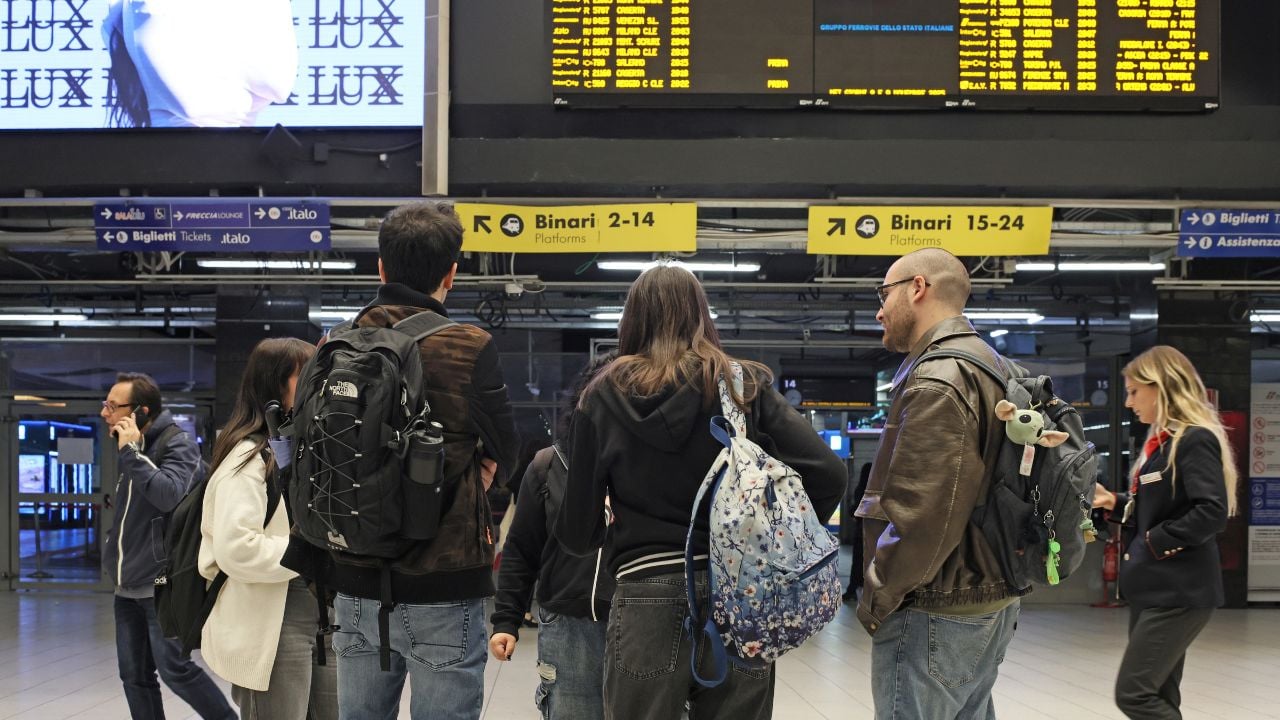
Many European high-speed tickets are tied to a specific train, departure time, coach, and seat. They are not always open-ended tickets for any train running between the same two cities.
Fare rules vary by operator and ticket type. SNCF Connect says exchange and refund conditions depend on the train company and the fare conditions of the ticket, while Italo says most tickets can be changed depending on the fare selected, with Economy or Low Cost fares requiring a fee to change the date or time. SNCF and Italo both make the same larger point: the fare conditions matter before boarding.
This is most important on arrival days. A delayed flight, slow passport line, long baggage wait, or airport transfer can make a strict train ticket stressful before the trip has started.
Leave more time after an international flight, or spend the first night in the arrival city before taking a long-distance train. Save the cheaper, stricter tickets for days when the schedule is already under control.
3. Regional Tickets Can Have Validation Rules
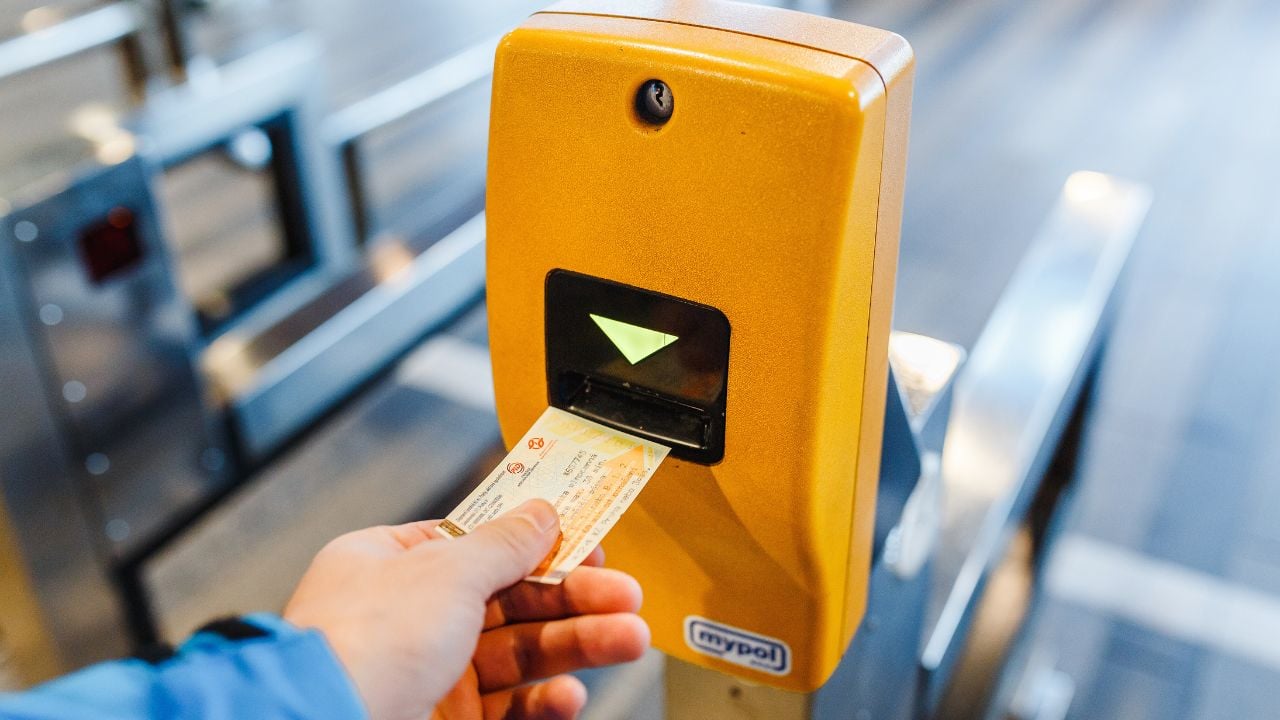
Regional trains are often the easiest way to reach smaller towns, but the ticket rules can differ from high-speed services. Some tickets are tied to a selected journey. Some must be validated before boarding. Some digital tickets activate automatically.
In Italy, Trenitalia says its Digital Regional Ticket is automatically validated at the scheduled departure time of the selected train, so travelers no longer need to check in for that digital ticket. The selected departure still matters. Digital does not mean “use whenever you want.”
France has removed another common source of confusion for many mobile-ticket users. SNCF Connect says e-tickets do not need to be validated on the platform.
Paper tickets, local systems, and older machines can still vary by country, region, or operator. Before boarding, check whether the ticket must be scanned, activated, validated, or simply shown to the conductor.
4. International Trains May Have Security and Border Steps
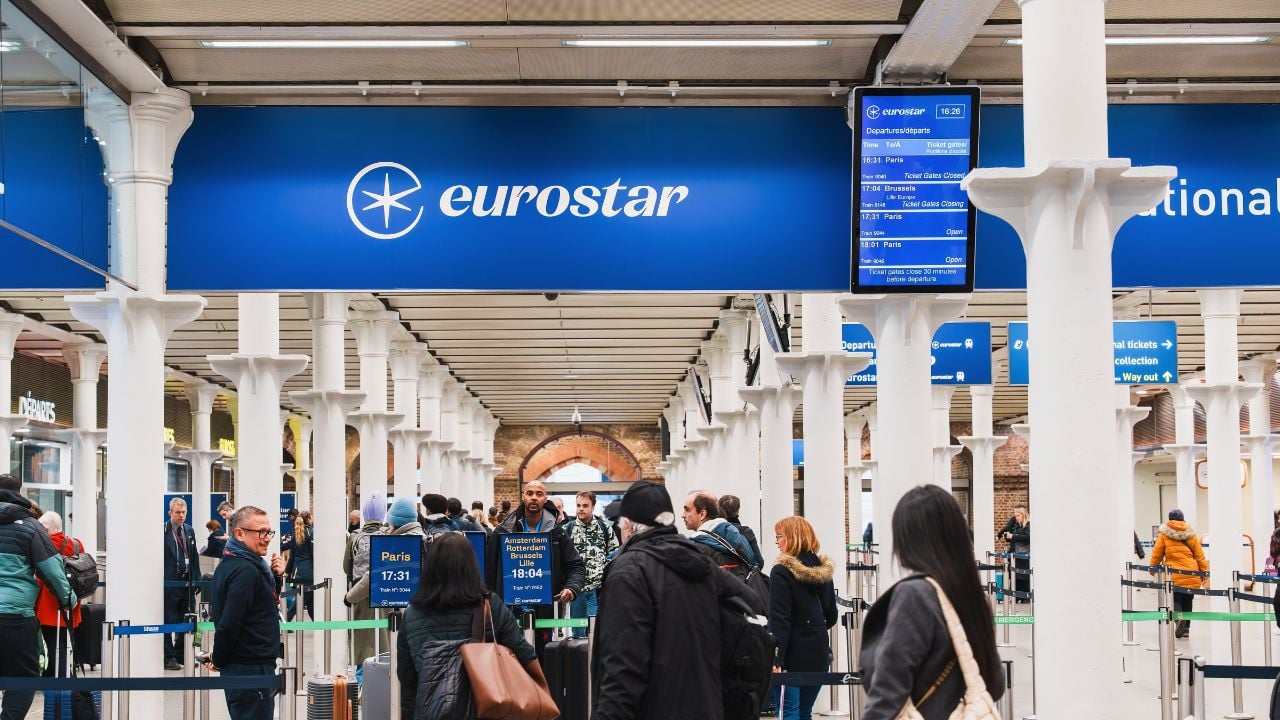
Not every European train is a walk-straight-to-the-platform experience. Eurostar says border and luggage checks take place before departure on its London routes, so passengers can leave the station when they arrive. Its guidance also tells passengers to come to the station at the recommended time and not just before the gates close. Eurostar handles those checks before boarding, not after arrival.
A London-to-Paris train can still be easier than flying, but it needs more station time than a local train. Travelers should allow time for ticket checks, security, passport control, and boarding procedures.
Other cross-border routes can be simpler, especially inside the Schengen Area, but passengers should still read the ticket and station instructions. Some stations have platform gates, some trains close boarding before the actual departure time, and some routes require passport checks.
Local trains may allow quick boarding. International services can require extra steps before passengers ever see the platform.
5. Luggage Rules Are More Relaxed Than Flying, but Not Unlimited
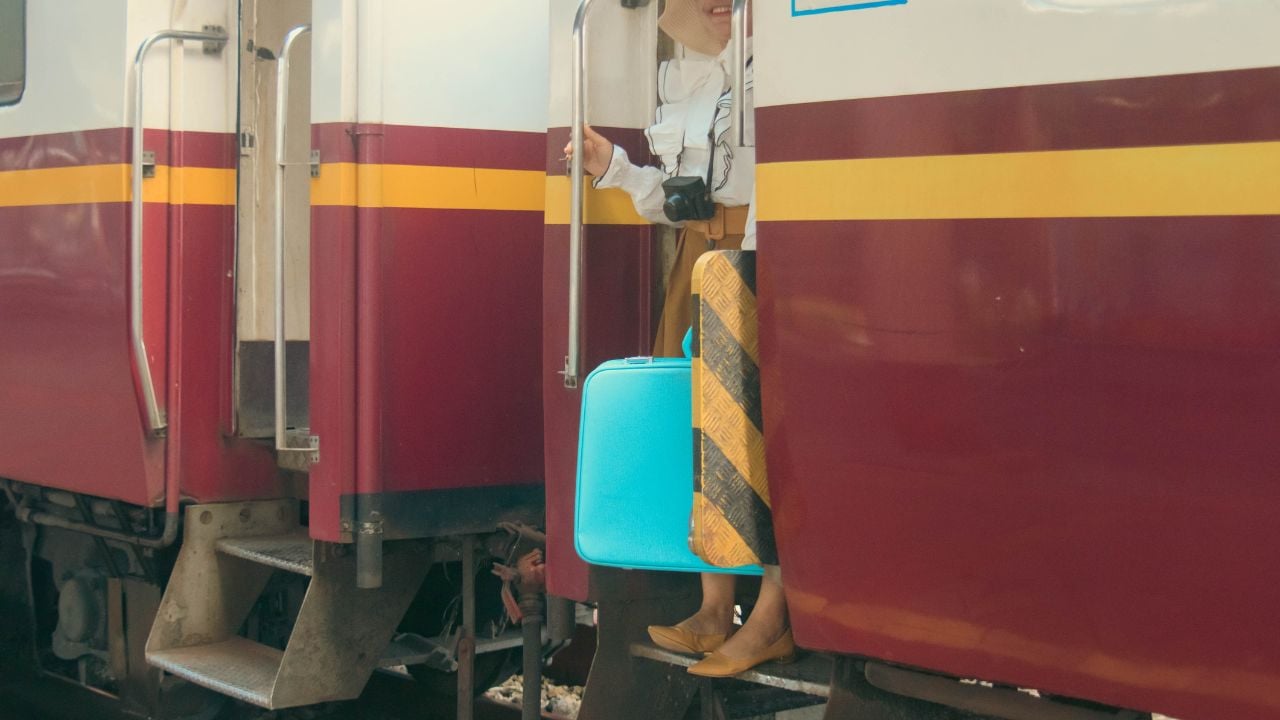
European trains usually feel easier than airports because passengers keep luggage with them. Most routes do not have the same checked-bag routine as flying, but operators can still set size, weight, and item limits.
Renfe, Spain’s national rail operator, says passengers can carry up to three pieces of hand luggage, provided the total weight does not exceed 25 kilograms and the combined dimensions do not exceed 290 centimeters. Renfe also lists maximum dimensions of 85 x 55 x 35 centimeters for each item. Renfe notes that luggage tagging is mandatory on AVE International services and that Avlo trains have stricter luggage rules.
Other operators may set their own rules, especially on budget, international, or high-speed services. Check luggage limits before assuming every European train allows the same bags.
A medium suitcase and a small personal bag are easier to lift onto racks, roll through stations, and carry up stairs. Pack like you will have to lift your own bag, because at some point, you probably will.