
A first trip to Italy can look simple while the map is open. Rome, Florence, Venice, the Amalfi Coast, Cinque Terre, Tuscany, Milan, Naples, Sicily, and the lakes all seem close enough to combine until the hotel changes, train stations, ticket windows, and crowded streets start taking hours out of the day.
The best first itinerary usually has fewer bases, not more. A fast train can make Rome, Florence, Bologna, Milan, Venice, or Naples easy to connect, but it does not erase packing, checkout, luggage storage, station crowds, or the time it takes to settle into the next hotel.
Tickets also matter earlier than many first-timers expect. The Colosseum, Vatican Museums, Uffizi, and Venice all come with rules, timed entries, official ticket portals, fees, or visitor systems that are better handled before the trip starts.
Before booking flights and rooms, decide how many bases the trip can actually handle, which sights would be painful to miss, how Venice fits into the route, what train tickets require, and which local fees may appear after the first hotel price. Those choices shape the trip long before the first dinner in Italy.
1. Pick Fewer Bases Than You Think You Need

The classic first-time mistake is trying to see Rome, Florence, Venice, the Amalfi Coast, Cinque Terre, Milan, and Tuscany in one short vacation. The distances can look manageable online, but every new base adds packing, checkout, station time, transfers, luggage, and another hotel check-in.
A first Italy trip usually works better with two or three strong bases instead of five rushed stops. Rome, Florence, and Venice can make a beautiful first route if the trip has enough nights. Rome and Florence alone can also be stronger than a crowded itinerary that barely gives either city enough time.
Italy’s high-speed rail network helps, especially between the major cities. Italia.it notes that the Direttissima high-speed line connects Florence and Rome in about an hour and a half, while other major cities are linked by fast rail routes.
That speed is useful, but a train day is still a travel day. Fewer bases leave more time for early museum entries, long lunches, neighborhood walks, and evenings that do not end with another suitcase being packed.
2. Book Major Sights Before the Best Times Disappear

Italy’s biggest sights are not always places where first-timers can simply show up and hope for the best. Rome, Florence, and Vatican City all reward early ticket planning, especially during spring, summer, holidays, and school-break travel periods.
The Colosseum’s official site says ticket sales open 30 days before the visit date, with a compulsory time-slot reservation for entry to the Colosseum. Waiting until arrival can leave travelers with awkward times, sold-out options, or expensive third-party bundles that were avoidable.
The Vatican Museums also warn visitors to use the official online ticket portal and to beware of similar-looking websites that may charge much higher prices. Check the Vatican Museums site directly before buying tickets from a reseller.
Florence needs the same care. The Uffizi Galleries explain how to buy official tickets online, and some ticket types require visitors to choose the day and hour of entry. Book the sights that would hurt to miss, then keep the rest of the day loose enough for meals, walks, and plans that change on the ground.
3. Understand Venice Before Planning It as a Casual Day Trip
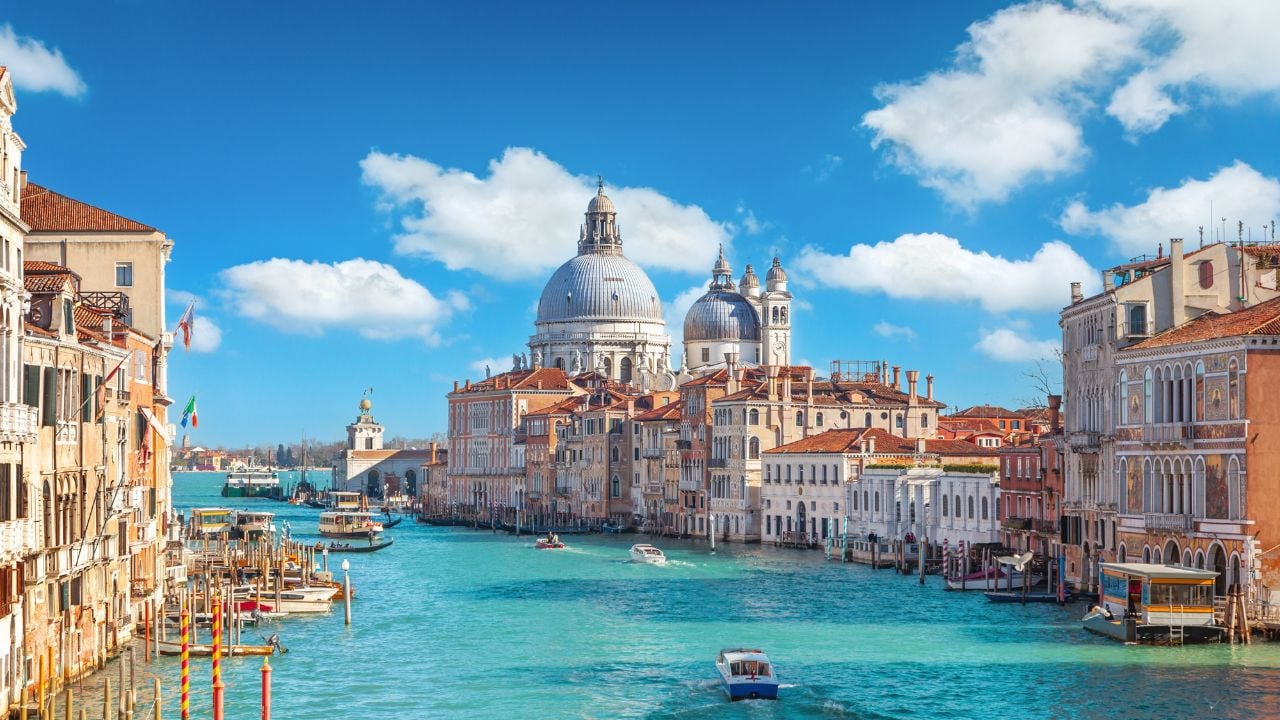
Venice is one of the easiest places in Italy to plan badly. A traveler can arrive with the midday crowd, follow the same route from the station toward Rialto and San Marco, eat wherever there is an empty table, leave before the evening quiet, and decide the city felt more exhausting than magical.
The planning rules matter too. The official Venice Access Fee site says the 2026 access fee begins on April 3 and applies only on selected dates from 8:30 a.m. to 4 p.m. The fee is aimed at certain day visitors, with exemptions and conditions depending on the visitor’s situation.
Venice also has an overnight tourist tax, which is separate from the day-visitor access fee. The city’s official tourist tax information says the overnight tax is due only for the first five nights of a stay.
A first trip to Venice is usually better with at least one night if the budget allows. The city changes before the day-trip crowds arrive and after they leave, when the canals are quieter, side streets empty out, and the walk between dinner and the hotel becomes part of the reason to stay.
4. Train Tickets Are Easy, but the Rules Are Not All the Same
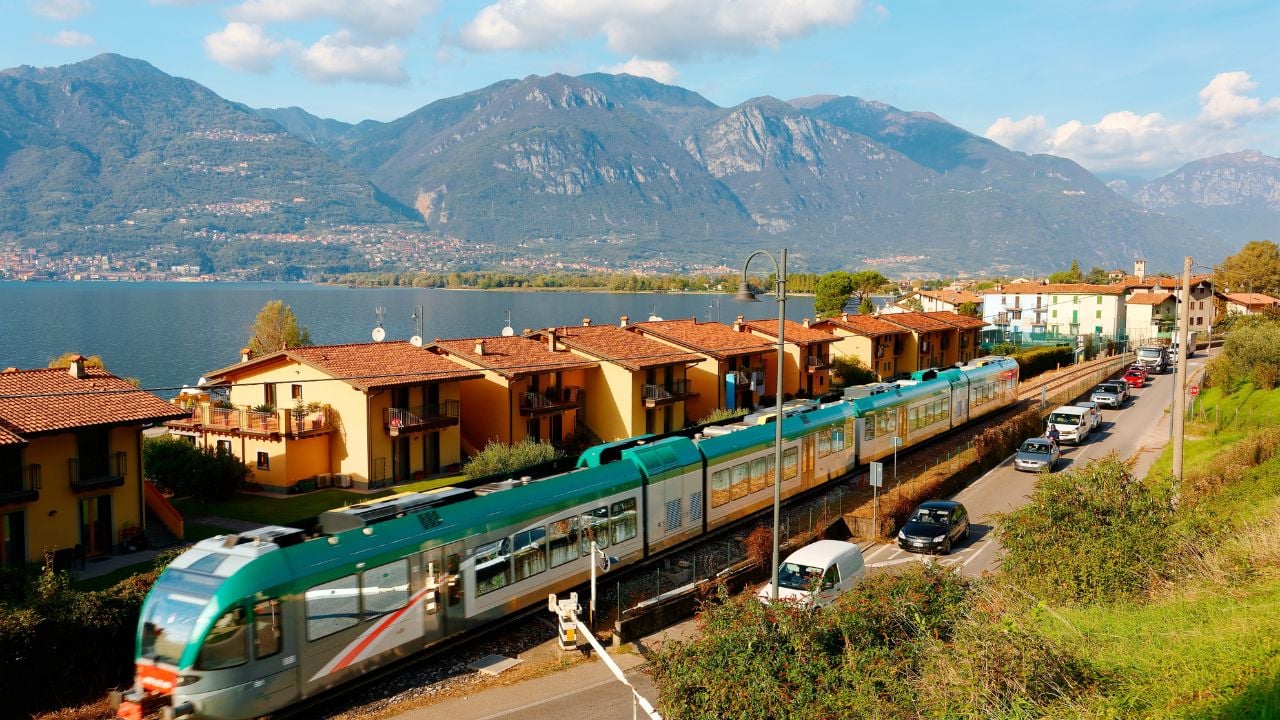
Trains are often the best way for first-time visitors to move between Italy’s major cities. Rome, Florence, Bologna, Milan, Naples, and Venice are much easier by rail than by rental car, especially when the itinerary is focused on historic centers where parking and traffic add stress.
High-speed trains are usually tied to a specific service and seat. Italo, for example, lists the Rome-to-Florence route at 1 hour and 25 minutes on its high-speed service. That kind of speed can make a classic city route feel simple, but travelers still need to board the right train at the right time.
Regional trains have different habits. Trenitalia says its digital regional tickets no longer require check-in and are automatically validated at the scheduled departure of the selected train.
That does not mean every Italian train ticket works the same way. Paper tickets, third-party bookings, mixed train types, and older instructions can still confuse first-timers. Read the ticket before boarding, check whether it is tied to a specific train, and keep the QR code or paper ticket ready for inspection.
5. Budget for Local Taxes, Fees, and Little Extras

The first hotel price is not always the final amount a visitor pays. Many Italian cities charge a local accommodation tax, usually collected by the hotel or rental and calculated according to local rules.
Rome’s official tourism site says new tourist tax rates took effect from October 1, 2023, with fees varying by accommodation type and classification. Venice’s overnight tourist tax works differently and is due only for the first five nights of a stay.
Accommodation tax is not the only extra. Luggage storage, museum booking fees, beach clubs, taxis, airport transfers, public bathrooms, and restaurant cover charges can all add up. In Italy, travelers may also see a coperto, a cover charge listed on some restaurant menus.
These extras are manageable, but they belong in the budget before the trip starts. A daily buffer is especially useful in Rome, Venice, Florence, the Amalfi Coast, and beach destinations where small charges can stack up quickly.
6. Check Entry Rules for the Year You Travel
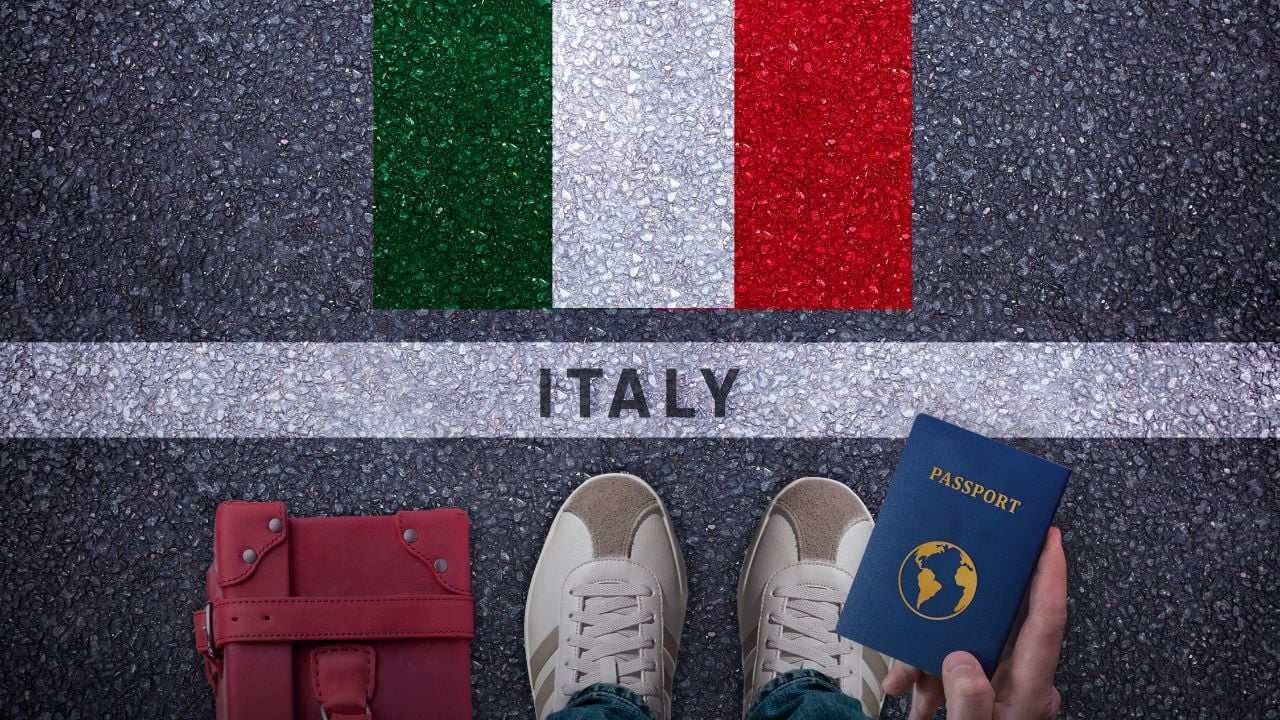
Italy is in the Schengen Area, so the short-stay clock matters even if the vacation is only in Italy. For U.S. travelers, the State Department says a tourist or business stay of less than 90 days does not require a visa.
Do not check only the expiration date on the passport. The State Department’s Italy page says passports must be valid for at least three months beyond the planned departure date from the Schengen Area, recommends six months of validity, and requires two blank pages for an entry stamp.
Future entry paperwork is changing too. The European Union says ETIAS, the new travel authorization for visa-exempt travelers entering 30 European countries, is scheduled to start operations in the last quarter of 2026. The EU says no action is required from travelers before the system starts.
Check the official rules close to the travel date, especially for trips booked far ahead. Handle the entry requirements, headline tickets, train legs, and local fees early, then spend the trip on the parts people actually come for: full days in fewer cities, museum entries that are already booked, train rides that do not require panic, and evenings that are not eaten up by another hotel transfer.