
Ford may not be finished with two of its most iconic European nameplates after all. Despite discontinuing both the Fiesta and Focus in recent years, company executives now suggest the legendary badges could eventually return as part of Ford’s next-generation European lineup.
The comments came during a Motor1 interview with Ford Europe passenger car boss Christian Weingaertner, who discussed the company’s future strategy, partnerships, electrification plans, and the difficult decisions that forced Ford to abandon some of its most beloved models.
For many enthusiasts, the deaths of the Fiesta and Focus marked the end of an era. Both cars played a massive role in Ford’s European identity for decades, combining affordability, strong driving dynamics, and deep motorsport roots. The Fiesta became one of Europe’s most recognizable hatchbacks, while the Focus built a reputation as one of the sharpest-driving compact cars on the market.
Now, however, changing market conditions and Ford’s evolving EV strategy may create an opening for those famous names to return in a very different form.
Ford Admits Killing The Fiesta Was A Financial Decision
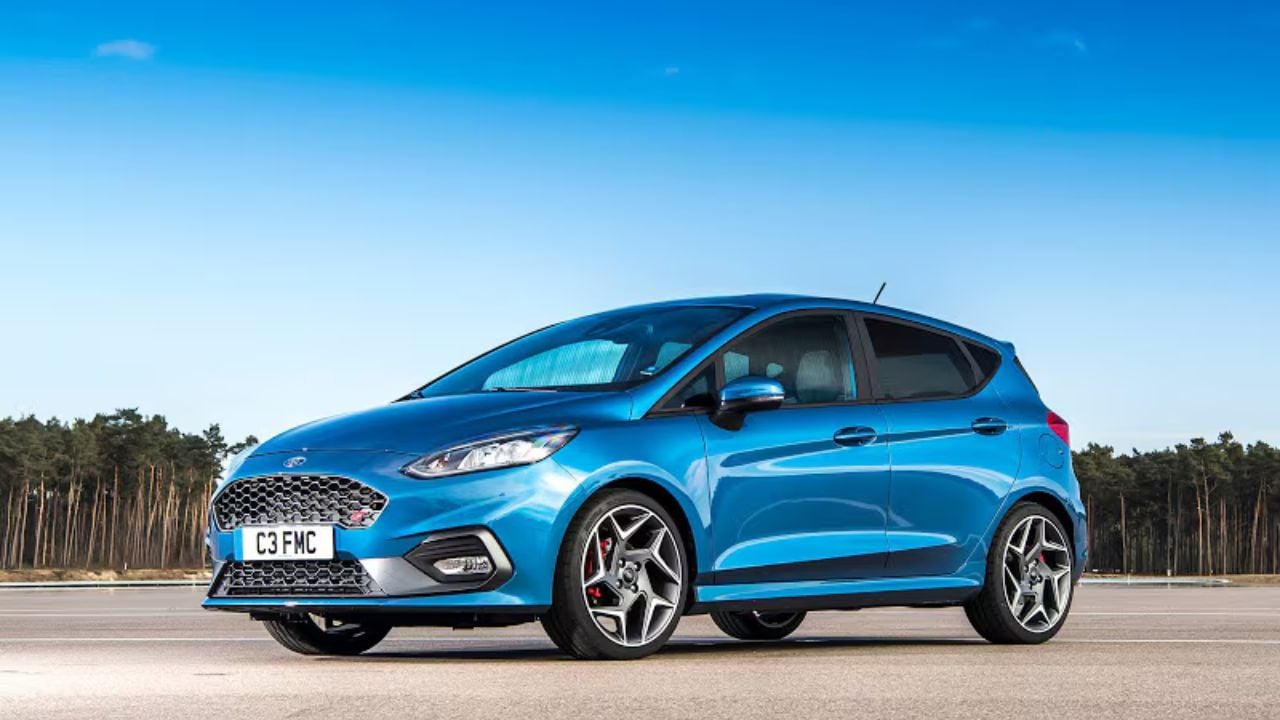
During the interview, Weingaertner openly acknowledged the harsh business realities that led Ford to discontinue the Fiesta and eventually phase out the Focus.
According to him, tightening emissions regulations across Europe dramatically increased development costs while shrinking profit margins on smaller vehicles. At the same time, changing consumer preferences and growing market fragmentation made it harder for a single model to generate the enormous production volumes that once justified dedicated manufacturing lines.
Ford once sold hundreds of thousands of Fiesta models annually in Europe. Today, no single compact car dominates the market at that scale anymore.
Weingaertner explained that automakers increasingly face difficult decisions about where to spend development money. Every investment in improving combustion engines or meeting new emissions standards competes directly with funding for electric vehicle programs.
At the time Ford made the decision, the industry widely believed EV adoption would accelerate far more quickly than it ultimately did. That pushed many manufacturers, including Ford, toward prioritizing electric platforms over extending older combustion-based products. As Weingaertner bluntly stated, “We’re a business, and we have to pay the bills.”
The Fiesta And Focus Names Still Carry Huge Value
Even though production has ended, Ford clearly recognizes the emotional connection customers still have with the Fiesta and Focus. When asked whether the names could eventually return, Weingaertner admitted Ford has not ruled out the possibility internally. No decision has been made, but executives are fully aware of the heritage attached to both badges.
That heritage is important because Ford wants its future European products to retain a strong sense of driving character and motorsport identity.
He repeatedly emphasized during the interview that future models will continue carrying what it describes as “Ford DNA.” That includes sporty driving dynamics, rally-inspired handling, and designs intended to feel engaging rather than purely appliance-like.
The Fiesta in particular carries significant rally history, including World Rally Championship success, while the Focus developed a passionate following through rallying, touring car racing, and high-performance hot hatch variants like the Focus RS and ST. Ford appears eager to preserve that legacy even as the industry transitions toward electrification.
Ford’s Future European Lineup Is Taking Shape
Ford recently confirmed plans to launch five new models in Europe between 2026 and 2029 as part of a major restructuring effort. The upcoming lineup is expected to include two smaller EVs, two crossover models offering multiple powertrain choices, and a European-focused Bronco.
Electrified powertrains will range from hybrids and plug-in hybrids to fully electric variants, depending on market demand and vehicle segment. Two of the smaller EVs will reportedly use Renault’s AMPR platform as part of a broader industry partnership strategy.
Weingaertner emphasized that even though Ford will share the underlying architecture with another automaker, the finished products will still behave like proper Fords.
That means Ford engineers will tune steering, suspension, dampers, and driving feel independently to maintain the brand’s traditional character.
The company is also speaking with several potential industrial partners, including Volkswagen, Renault, and Geely, as automakers increasingly cooperate to reduce development costs and improve manufacturing efficiency.
Europe’s EV Transition Has Been Slower Than Expected
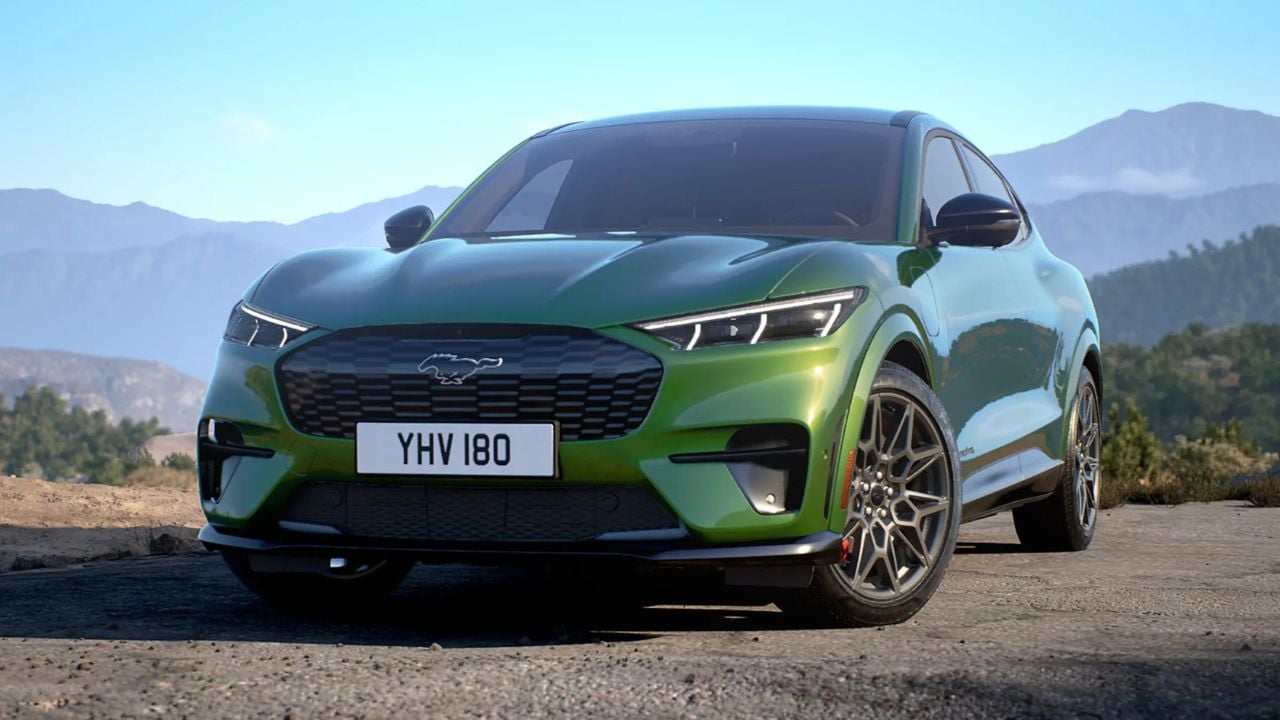
One major theme throughout the interview was the growing disconnect between government regulations and actual customer demand for electric vehicles.
Weingaertner argued that EV adoption rates vary dramatically across Europe. Markets like Norway have embraced electrification quickly, while countries such as Italy remain far less prepared for a complete transition away from combustion engines.
Ford believes regulators need to recognize those differences rather than forcing unrealistic timelines onto both automakers and consumers.
The company also acknowledged that battery-electric vehicles remain expensive, partly because battery materials themselves still carry high costs. That financial pressure has complicated the transition for mainstream manufacturers trying to balance affordability, emissions compliance, and profitability.
A Return Would Likely Look Very Different
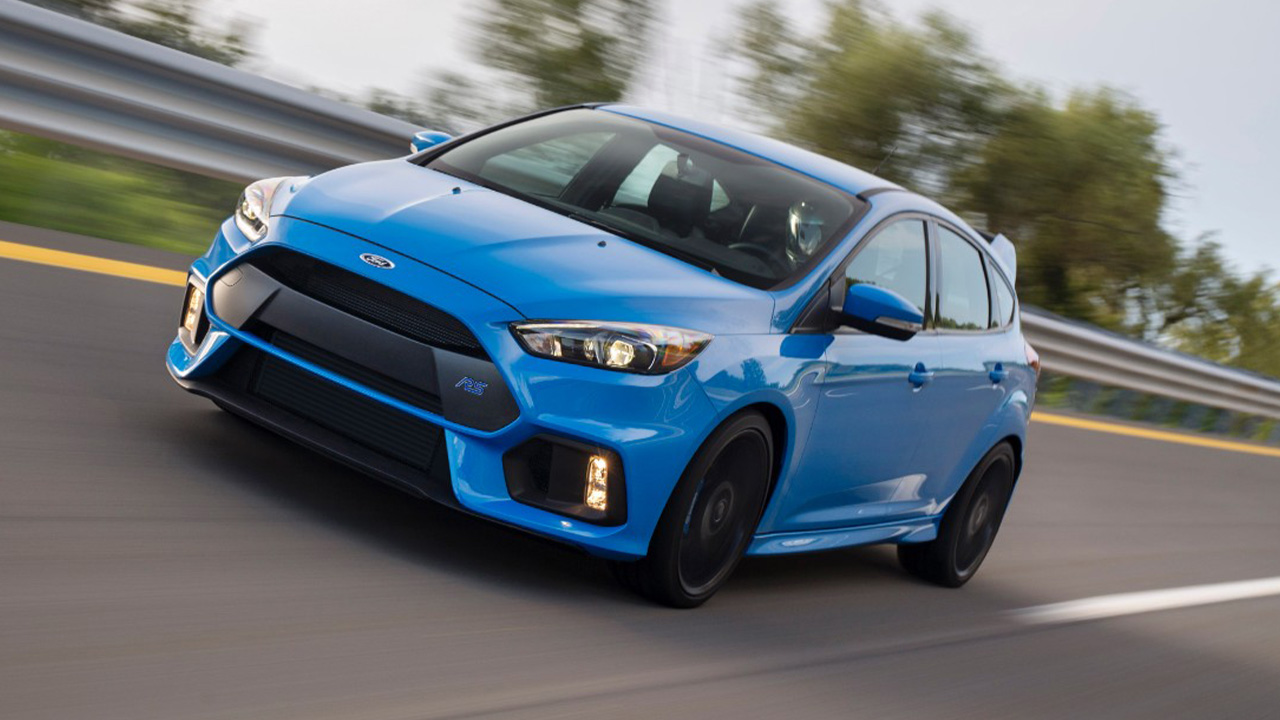
If the Fiesta or Focus names do eventually return, they will almost certainly not resemble the compact hatchbacks enthusiasts remember.
Ford’s future European lineup will focus heavily on electrification, crossovers, and platform-sharing partnerships designed to lower costs. Any revived Fiesta or Focus would likely arrive as electrified models developed for an entirely different automotive environment.
Still, the fact that Ford is openly discussing the possibility at all is significant. For years, many enthusiasts assumed the company had permanently abandoned those legendary badges. Now, Ford appears to recognize that heritage.
The Fiesta and Focus helped define Ford in Europe for generations. Even in an era dominated by EVs, software platforms, and crossover SUVs, the emotional pull of those names may still be too powerful for Ford to leave behind forever.