
A political battle over AI-powered license plate readers has turned the city of Troy, New York, into one of the most closely watched case studies in America’s growing fight over surveillance technology. According to reporting by The Washington Post, the conflict became so heated that Mayor Carmella Mantello declared a state of emergency to keep the camera program alive.
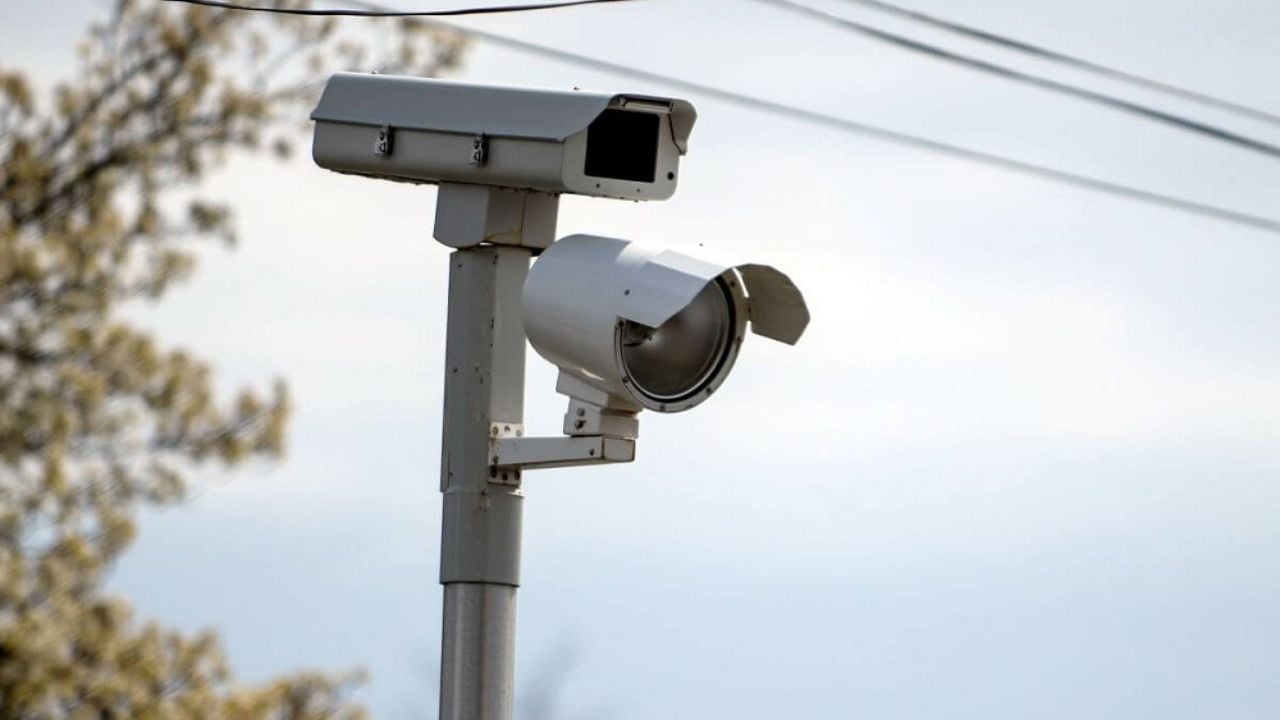
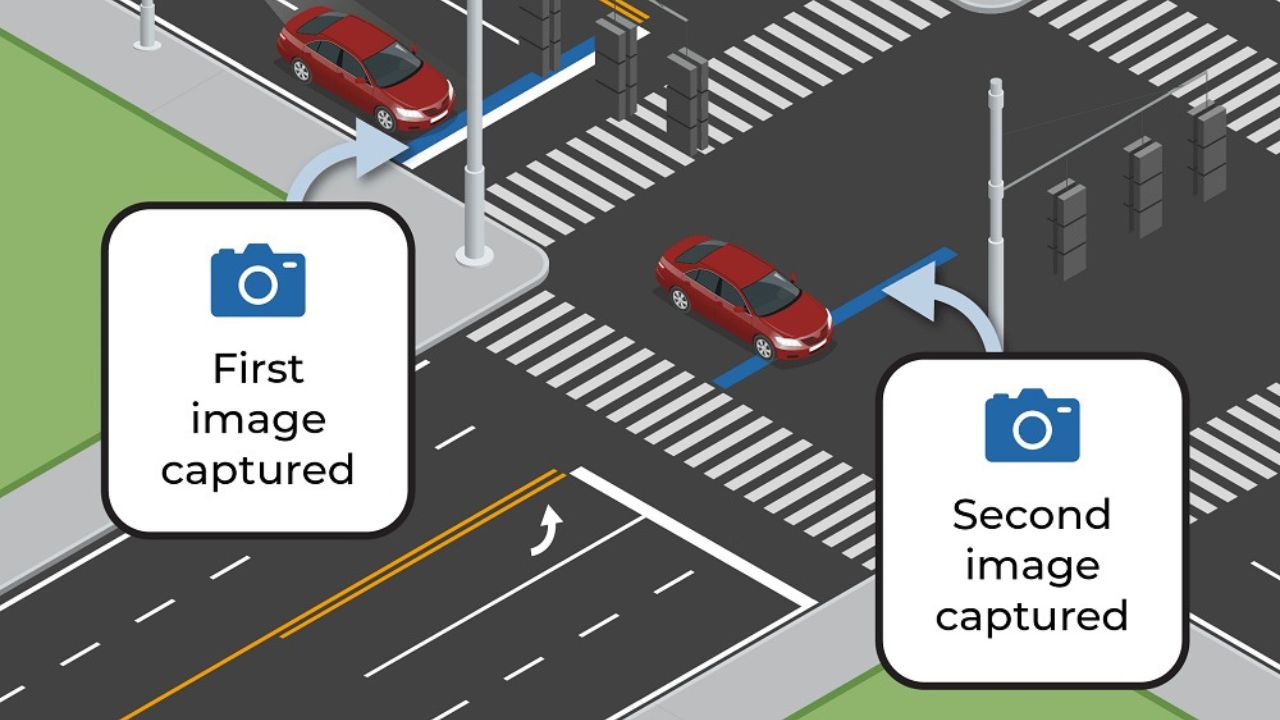
The dispute revolves around cameras made by Flock Safety, a company whose systems are spreading across police departments nationwide. The cameras photograph passing vehicles, capture license plates, and upload searchable data into a law enforcement network used by thousands of agencies.
For automotive readers, the Troy controversy reflects a deeper transformation in the relationship between cars and digital policing. Vehicles are no longer viewed only as transportation tools. Increasingly, they are data points moving through a surveillance grid capable of tracking travel habits, social connections, and daily routines.
The uproar in Troy also exposes how rapidly these systems are arriving in communities before regulations catch up. Residents argued the cameras appeared with little public debate, while critics warned that local governments across the United States are adopting AI-assisted monitoring tools faster than lawmakers can define guardrails.
How a Small Camera Triggered a Citywide Revolt
The controversy reportedly began after a resident noticed an unfamiliar camera mounted near her neighborhood. Questions spread through community meetings and social media as residents learned the city had installed Flock cameras without formal approval from the city council.
Opponents feared the system could evolve into a form of mass vehicle surveillance. Civil liberties advocates argued that even though the cameras are marketed as crime-fighting tools, they also create detailed travel histories capable of revealing where people worship, seek medical care, attend protests, or visit family members.
Supporters of the cameras pushed back hard. City officials and police advocates argued that automated plate readers help recover stolen vehicles, locate suspects, and investigate violent crimes with greater efficiency than traditional policing methods. Many departments nationwide have embraced the technology for exactly those reasons.
The political temperature rose after Troy’s mayor declared a state of emergency to continue funding the camera program despite resistance from city lawmakers. Critics blasted the move as an extraordinary use of executive power for a technology dispute rather than a natural disaster or public safety catastrophe.
Why Drivers Are Becoming Part of the Data Economy
Modern license plate recognition systems are far more advanced than older traffic enforcement cameras. AI-assisted systems can identify vehicle make, model, color, bumper stickers, roof racks, and other distinguishing details even when a plate is unreadable.
That capability is reshaping the automotive landscape. Every commute, fuel stop, dealership visit, or interstate road trip can potentially become searchable information stored for weeks or months. Privacy advocates argue this creates a digital trail that many drivers never knowingly consented to share.
Concerns intensified nationally after reports emerged that some agencies used Flock databases during immigration investigations. Other controversies involved allegations of misuse by law enforcement officers and fears surrounding data sharing between jurisdictions.
The backlash is beginning to influence policy. Washington state recently introduced new restrictions on automated license plate readers, while some cities have paused or removed camera systems entirely amid mounting public scrutiny.
The Automotive Industry Faces a New Reality
For automakers and mobility companies, the Troy dispute highlights an uncomfortable reality about connected transportation. Cars increasingly interact with digital infrastructure that extends beyond navigation systems, toll roads, and telematics services.
Drivers are entering an era where the vehicle itself functions as a rolling identifier inside broader AI-powered monitoring networks. That shift may influence future debates over data ownership, vehicle privacy protections, and the rights motorists retain once they enter public roads.
The conversation is also arriving as vehicles become more software-defined and connected. Future battles may involve not only roadside cameras but also data generated directly by cars themselves, including location histories, driving behavior, and biometric information from in-cabin systems.
Troy’s conflict may appear local on the surface, yet it reflects a national struggle over how much surveillance Americans are willing to accept in exchange for security. For the automotive world, the outcome could shape how drivers think about privacy every time they start the engine.
Sources: Asia Times, Red Lake Nation News, Axios, The Guardian, WIRED