
Shoppers who paid inflated vehicle prices during the Trump tariff era are now watching a new legal fight unfold across corporate America. The issue is no longer whether companies can reclaim tariff money from the federal government, but whether buyers deserve a share of those refunds once the checks arrive.
The automotive industry is deeply exposed because manufacturers spent much of 2025 warning that tariffs on imported vehicles and components would raise prices. Automakers passed many of those added costs on to shoppers through higher MSRPs, destination charges, dealer pricing adjustments, and reduced incentives.
Now, several major car companies expect enormous reimbursements after the U.S. Supreme Court ruled that many tariffs imposed under the International Emergency Economic Powers Act were unlawful. General Motors alone expects roughly $500 million back, while Ford has already disclosed a tariff-related gain worth about $1.3 billion.
That has opened the door to lawsuits arguing consumers should not be left paying for costs that companies may ultimately recover. Legal experts say the auto industry could become one of the largest battlegrounds because tariffs touched nearly every part of the vehicle supply chain, from electronics and batteries to sheet metal and drivetrains.
The Supreme Court Decision Changed the Equation

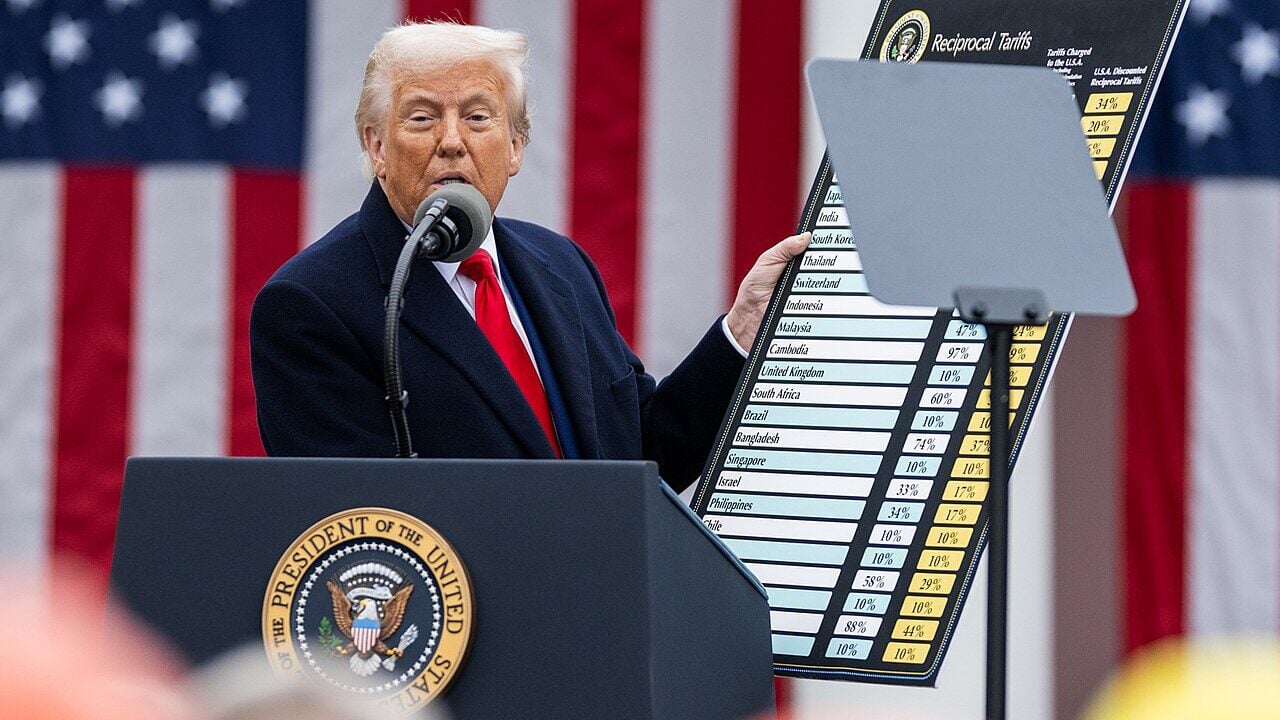
The controversy traces back to the Supreme Court’s February 2026 decision striking down tariffs imposed under the International Emergency Economic Powers Act, commonly known as IEEPA. The ruling determined that the law did not give the president unilateral authority to impose broad import tariffs in the way the Trump administration had attempted.
That decision triggered one of the largest refund processes in recent U.S. trade history. According to court filings and government estimates, more than 330,000 importers paid approximately $166 billion in tariffs later deemed invalid.
Automakers were among the hardest hit industries because modern vehicle production depends on globally sourced parts. Even vehicles assembled in the United States often contain engines, electronics, transmissions, or battery materials imported from Canada, Mexico, China, Europe, and South Korea.
The refund process is now being administered through a Customs and Border Protection system called CAPE, which was created specifically to handle the massive number of reimbursement claims. Importers can receive refunds plus interest, adding even more value to the payouts.
Consumers Are Starting to Fight Back
The new wave of lawsuits argues that companies justified higher consumer prices by citing tariffs, then continued holding onto those price increases after learning they could reclaim the money from Washington. Retail giants including Costco, Amazon, Nike, and FedEx have already been targeted with proposed class actions.

Automotive companies have not yet faced the same volume of consumer suits, but analysts believe that may change. Vehicle pricing is far more visible than pricing on many retail products, making it easier for plaintiffs to argue that tariff-related costs were directly transferred to buyers.
That could create uncomfortable optics for automakers that publicly warned investors and consumers about tariff pressure while simultaneously preparing to book refund gains into future earnings. GM and Ford have both already acknowledged expected financial benefits from the refunds.
Consumer attorneys are likely to focus on whether companies explicitly linked price increases to tariffs in earnings calls, dealer communications, or public statements. If those links can be established, plaintiffs may argue consumers effectively financed costs that companies are now recovering twice.
Automakers Could Face a Messy Public Relations Problem
Even if many of these lawsuits fail, they still threaten to create reputational headaches for automakers already battling affordability concerns. Average transaction prices for new vehicles remain historically high, and many buyers spent the past two years hearing that tariffs were partly responsible for rising costs.
Now consumers are seeing headlines about billion-dollar refund expectations while dealership pricing remains elevated. That disconnect may become politically sensitive, especially as automakers continue lobbying for government incentives tied to domestic manufacturing and EV production.
Companies are expected to argue that tariffs were only one component of broader inflationary pressure that included logistics costs, labor expenses, semiconductor shortages, and supply chain disruptions. Costco already used a similar argument in court filings, stating customers voluntarily paid posted prices and suffered no legal harm.
Still, the legal pressure appears to be growing rather than fading. If courts eventually decide companies must share tariff reimbursements with consumers, the automotive industry may face another complicated chapter in the long aftermath of America’s tariff wars.
Sources: Reuters, Car and Driver, CarBuzz