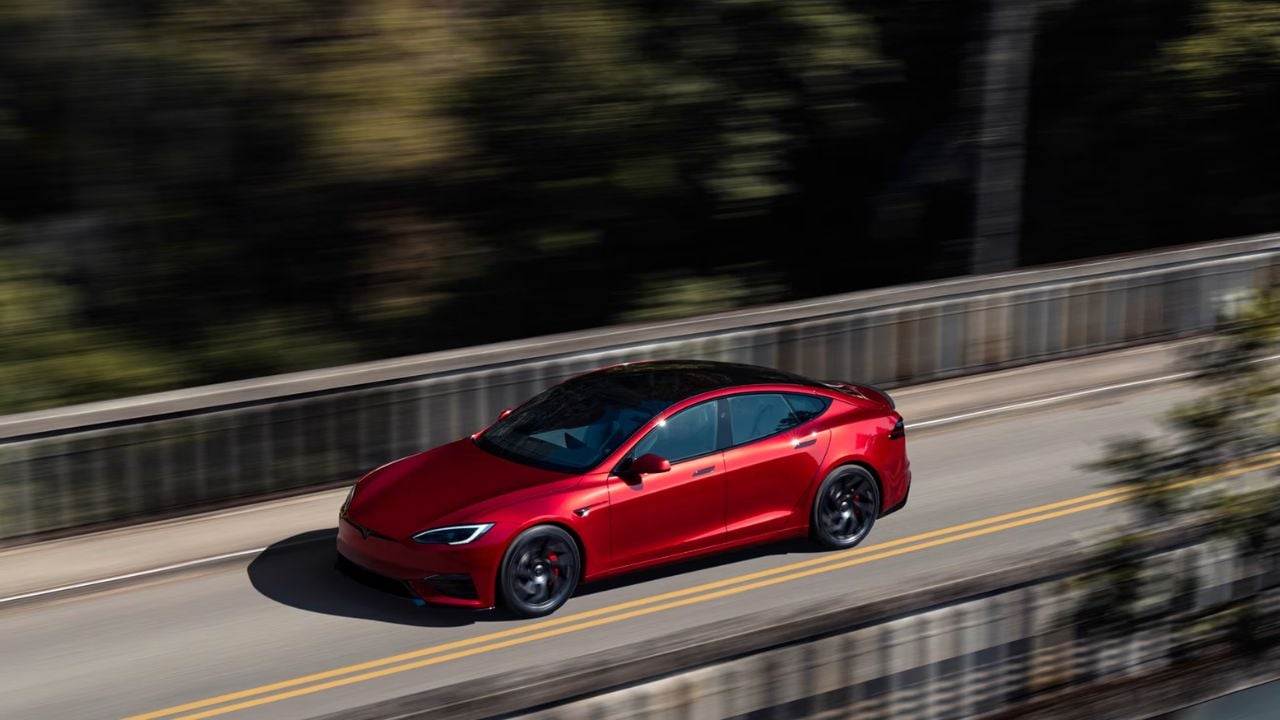
Electric vehicle sales in the United States may have stopped growing at the explosive pace automakers once expected, but interest in EVs has not disappeared. According to J.D. Power’s latest Electric Vehicle Consideration Study, more shoppers are considering electric cars in 2026 than they were a year ago, even as actual sales growth has begun to level off.
The study found that 25 percent of new-vehicle shoppers now say they are “very likely” to consider an EV, while another 35 percent are “somewhat likely.” Rising gasoline prices appear to be helping boost interest as well, with EV consideration jumping noticeably during April.
Yet despite that growing curiosity, many consumers still are not following through with a purchase. J.D. Power says one of the biggest reasons comes down to unrealistic expectations about electric vehicle range and charging convenience.
Perhaps the most revealing statistic in the entire study is this: nearly three-quarters of shoppers who are strongly opposed to EVs say they would need at least 500 miles of range before they would even consider buying one.
Buyers Still Want EVs To Behave Like Gas Cars

The problem with that expectation is that most people do not actually drive anywhere close to 500 miles regularly. According to J.D. Power’s research, the average American only takes a handful of long-distance road trips per year, and most of those journeys fall well within the capabilities of modern EVs.
Many current electric crossovers and sedans already offer between 250 and 400 miles of range, which is more than enough for typical commuting and everyday use. Still, the perception gap remains enormous.
For many hesitant buyers, EV ownership is being judged against an idealized version of gasoline convenience rather than real-world driving habits. Consumers continue expecting electric vehicles to deliver instant refueling, massive driving range, and gas-station-level infrastructure before they are willing to make the switch.
That mindset is helping create a strange contradiction where interest in EVs keeps rising, but actual adoption is moving far more slowly.
Charging Infrastructure Still Scares Buyers
Charging availability remains the number-one reason shoppers reject EVs altogether. Around 46 percent of respondents cited charging infrastructure as their biggest concern, although that figure has improved slightly compared to previous years. Charging time was the second-largest issue at 44 percent.
Interestingly, J.D. Power says many buyers underestimate how widespread charging infrastructure has already become. Executive director Brent Gruber noted that fast chargers are often available within roughly 50 miles across large portions of the country, but non-EV drivers simply do not notice them the same way EV owners do. That creates a visibility problem as much as an infrastructure problem.
The issue becomes far more serious for apartment residents and people without reliable home charging access. EV consideration among condo and apartment dwellers remains stubbornly low because public charging still feels inconvenient and expensive compared to plugging in overnight at home.
Price Is Becoming A Bigger Problem Again
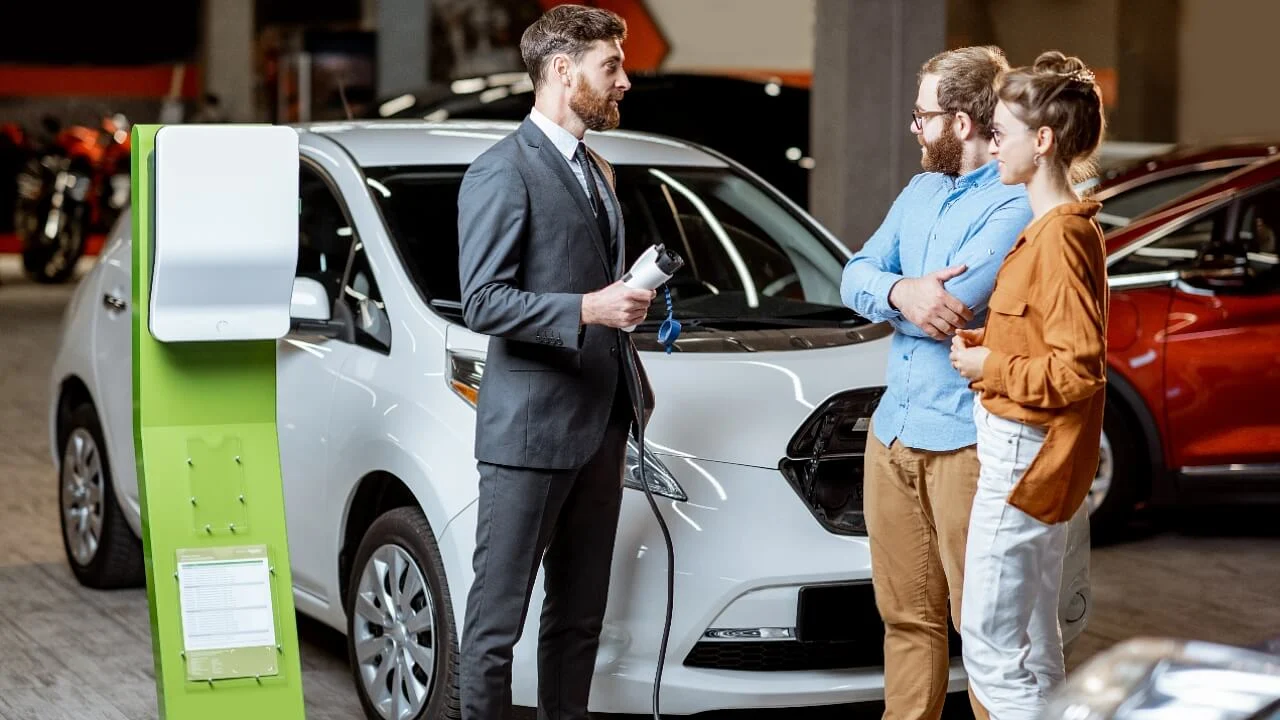
Even though range anxiety dominates headlines, affordability may now be the bigger obstacle. J.D. Power found that purchase price has become one of the strongest reasons buyers reject EVs, especially after federal tax credits were scaled back or eliminated in several cases.
More than half of strongly anti-EV shoppers said they are unwilling to pay any premium whatsoever for an electric vehicle over a comparable gasoline model. That is creating pressure for automakers that already struggle to make affordable EVs profitable.
Many entry-level electric vehicles that were supposed to democratize EV ownership have either been delayed, canceled, or launched at far higher prices than originally promised. Buyers continue showing interest in cheaper EVs, but the number of compelling options under $40,000 remains limited.
The EV Market Is Entering A Different Phase
The latest J.D. Power findings suggest the EV conversation in America is changing. A few years ago, the biggest challenge was convincing buyers that electric vehicles were viable at all. Today, most shoppers already understand the concept and are at least open to considering one. The challenge now revolves around practicality, infrastructure, affordability, and correcting outdated assumptions.
That means the next phase of EV growth may depend less on flashy acceleration figures or futuristic marketing and more on educating buyers about how modern EVs actually fit into everyday life.
Because right now, many consumers appear to be rejecting electric vehicles based on a version of EV ownership that no longer really exists.