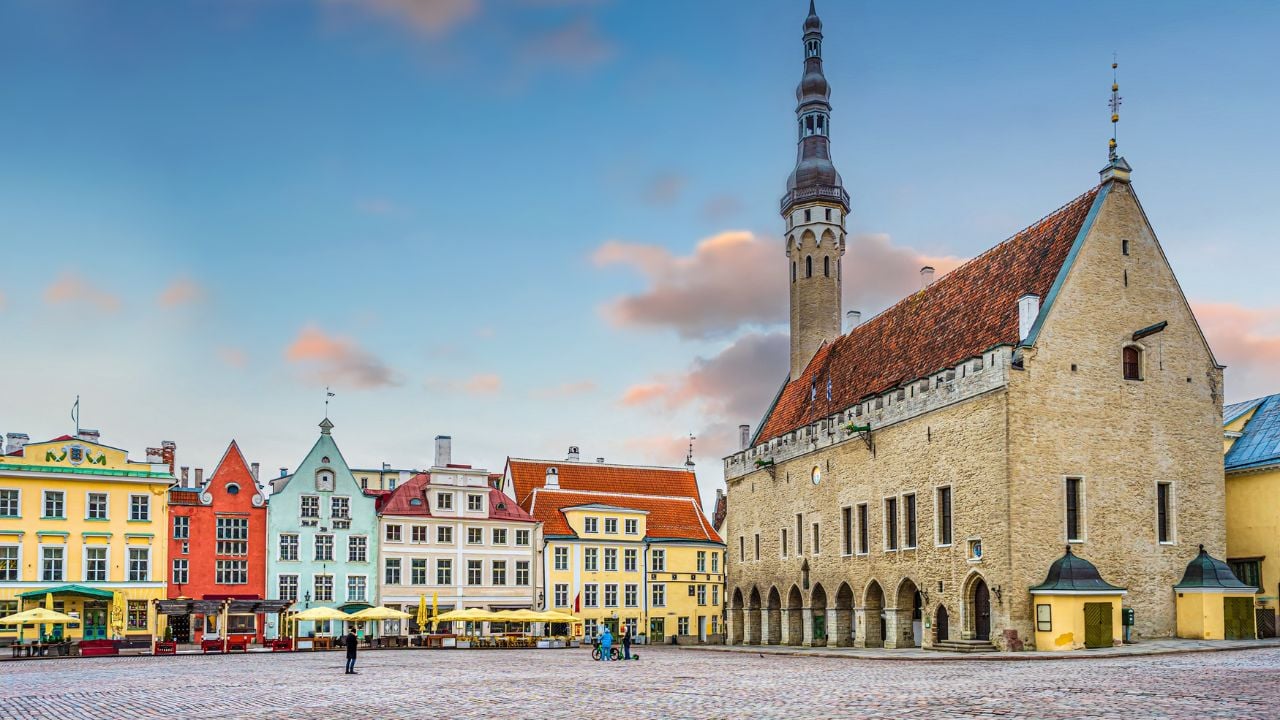
Tallinn is one of the easiest European capitals to enjoy in a short weekend. You can spend the morning inside medieval walls, walk out for coffee in a creative district, reach the sea by afternoon, and still have time for a quiet park before leaving.
The city does not force visitors into a frantic checklist. The Old Town is compact, Kalamaja sits close to the historic center, and the waterfront gives the second day a different kind of air after hours on cobblestones. Two days are enough for a first trip when the route leaves space for cafés, viewpoints, side streets, and a few unscheduled turns.
The best order starts with the Old Town, then opens outward toward Toompea, Kalamaja, Telliskivi, Noblessner, the Seaplane Harbour, and Kadriorg. That route keeps the weekend moving from stone towers and church spires to wooden houses, murals, old factory buildings, marina views, and palace gardens.
Tallinn feels old without feeling trapped in the past. The medieval skyline is still the first thing most visitors remember, but the city also has busy cafés, design shops, photography spaces, restaurants in former industrial buildings, and quiet green corners where the pace drops again.
1. Day One Morning: Begin in the Old Town Before the Streets Fill Up
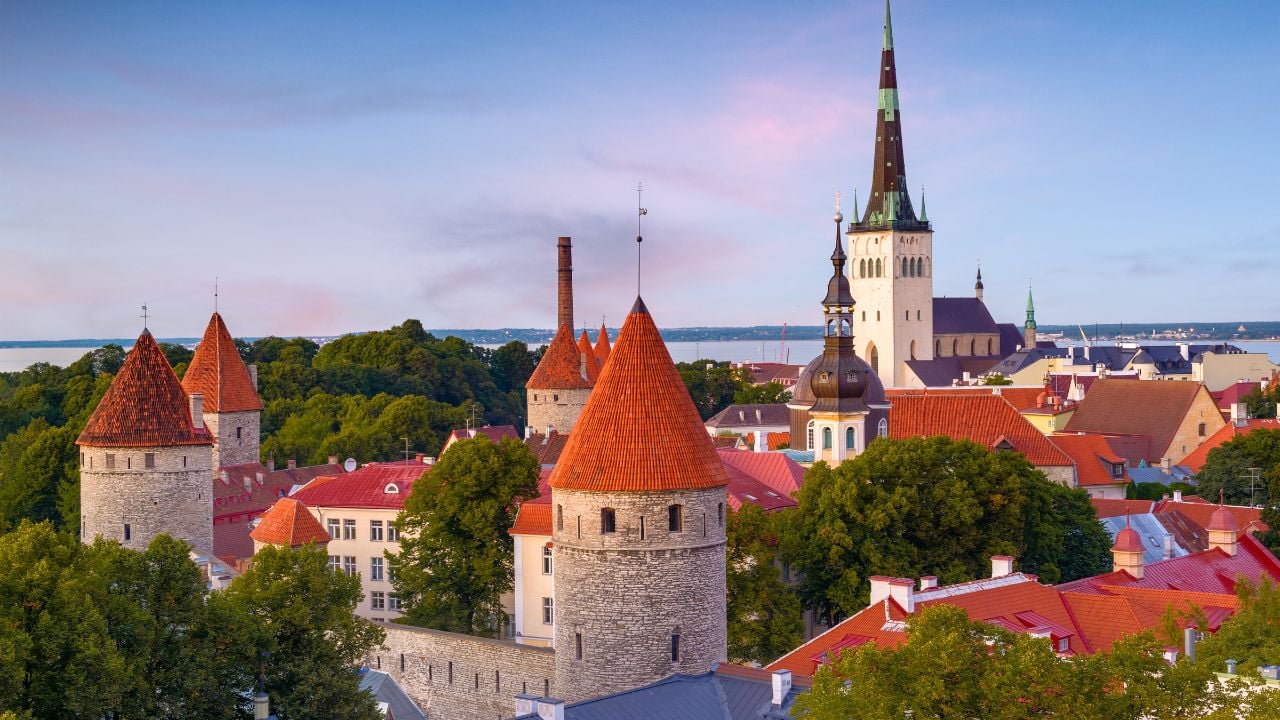
Start inside Tallinn’s Old Town, preferably before the main streets fill with tour groups. The first impression comes quickly: stone walls, narrow lanes, pointed roofs, shop signs, courtyards, and church towers rising above the red rooftops. The area belongs to the UNESCO World Heritage List, but it still feels like part of the living city rather than a roped-off museum.
Town Hall Square is the easiest place to get your bearings. From there, follow the smaller streets instead of rushing from landmark to landmark. Tallinn is better when the first hour includes a bit of wandering: a bakery window, a quiet passage, a church doorway, a courtyard you almost miss, and a slow climb when the lanes begin to rise toward Toompea.
UNESCO describes Tallinn’s historic center as an exceptionally complete and well-preserved medieval northern European trading city. You can feel that history in the street layout, not only in the major sights. The buildings crowd close, the corners turn sharply, and the city walls make the old center feel protected even when cafés and souvenir shops are already opening for the day.
Keep the morning simple. Have coffee, walk without a strict route, and save some energy for the viewpoints above the Lower Town. Tallinn is small enough to reward curiosity, but the cobblestones get tiring fast if you try to turn the first morning into a race.
2. Day One Afternoon: Use Toompea Views, Then Slow Down in the Lower Town

Toompea is where Tallinn’s shape becomes clear. From the upper town, the rooftops, towers, old walls, and the edge of the Gulf of Finland start to line up in front of you. The view is especially good after walking through the lower streets, when you can suddenly see how tightly the medieval center fits together.
Spend time around the viewing platforms, then walk back down slowly. The descent matters as much as the view: stone steps, sloping lanes, old facades, and glimpses of church towers between buildings make the return to the Lower Town feel different from the climb up.
By afternoon, the Old Town is usually busier, so shift the pace. Step into a church if the doors are open, look for a café away from the main square, or take a side street just to escape the crowd for ten minutes. Tallinn’s old center has plenty of famous sights, but the small pauses often make the day more enjoyable.
Dinner can stay within walking distance of the Old Town on the first night. That keeps the evening easy after a day on uneven streets and lets you see the historic center again when the light changes, the shop windows glow, and the towers look sharper against the sky.
3. Day Two Morning: Head to Kalamaja and Telliskivi for Cafés, Design, and Street Art
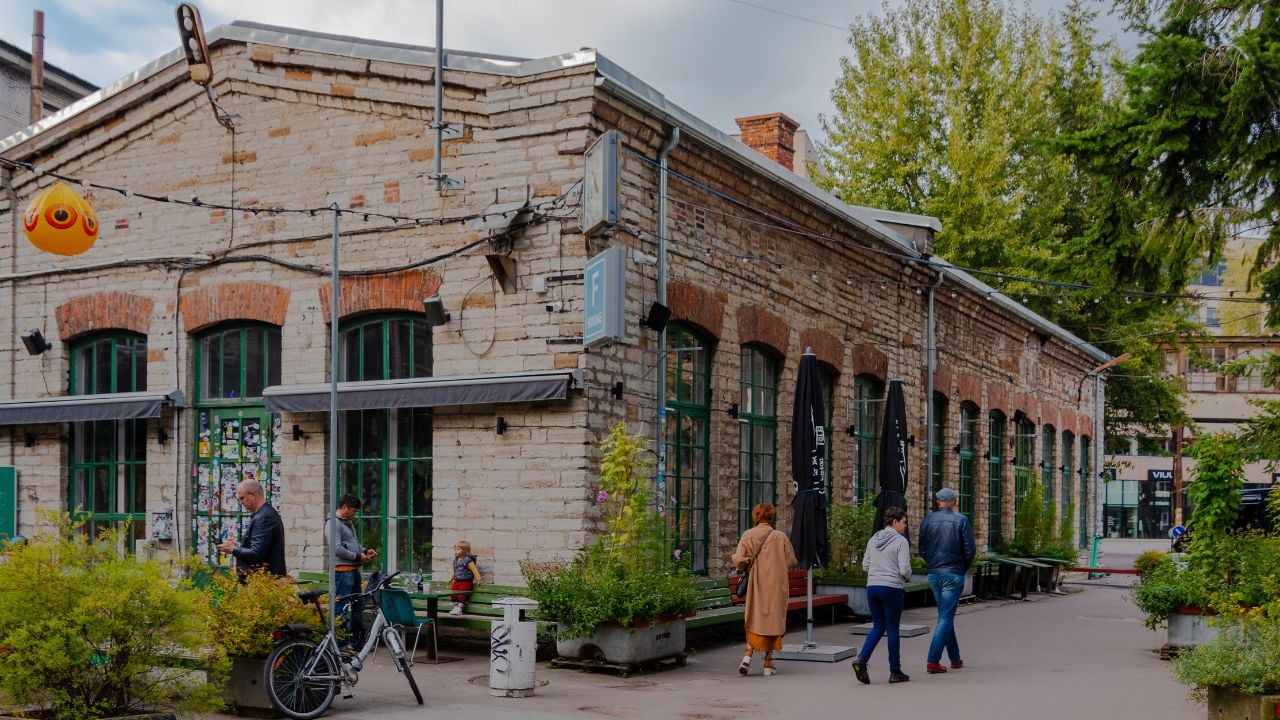
The second morning should leave the medieval center. Walk or take local transport toward Kalamaja, a district of wooden houses, cafés, museums, and old industrial spaces north of the Old Town. The mood changes quickly: fewer stone walls, more neighborhood streets, painted wood, rail-side corners, and places where Tallinn’s current creative life is easier to see.
Telliskivi Creative City is the easiest focus for the morning. Former factory buildings now hold galleries, studios, cafés, restaurants, shops, and photography spaces. Murals cover walls and corners, and the area has the kind of casual energy that makes a slow breakfast or coffee stop feel like part of the sightseeing rather than a break from it.
Do not rush this part of the trip. Look at the walls, browse a design shop, sit outside if the weather is kind, and let the morning stretch a little. After a first day of towers and medieval streets, Telliskivi shows a younger Tallinn: rougher around the edges, more colorful, and less concerned with postcard perfection.
Kalamaja also puts several bigger stops within reach, including the Seaplane Harbour and PROTO Invention Factory. You do not need to visit every museum on a two-day trip, but it helps to know they are nearby. Pick one serious stop if the weather turns bad, or keep walking toward the water if the day is clear.
4. Day Two Afternoon: Follow the Sea Air Toward the Seaplane Harbour and Noblessner
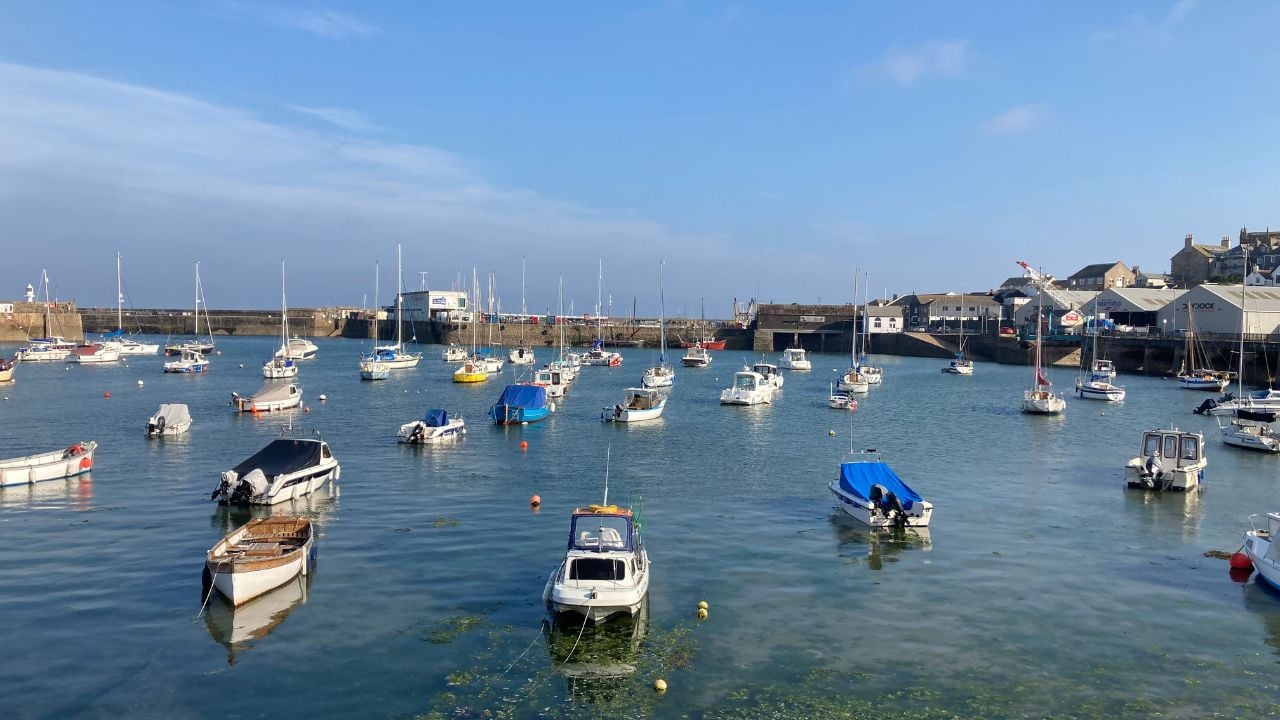
After Telliskivi, head toward the water. The walk pulls Tallinn into a different setting: old industrial buildings, open sky, harbor edges, and the smell of the Baltic when the wind comes in from the sea. This is where the second day stops feeling like an Old Town extension and becomes a broader city break.
The Seaplane Harbour is the major museum stop in this area. It sits in historic seaplane hangars and displays boats, maritime exhibits, and Estonia’s seafaring history on a much larger scale than its compact city-center location might suggest. If you go inside, give it proper time instead of treating it as a quick photo stop.
From there, continue toward Noblessner. Visit Estonia describes the district as Tallinn’s seaside gem, and the setting explains why: marina views, a promenade, restaurants, modern public spaces, and preserved industrial architecture from an area that began as a submarine factory in 1912. The old shipyard character is still visible, but the waterfront now feels polished enough for a relaxed afternoon walk.
Noblessner is especially pleasant near sunset if the weather cooperates. Boats sit in the marina, the waterfront opens toward Tallinn Bay, and the Old Town skyline can appear in the distance from some angles. After the enclosed lanes of the first day, the extra space feels good.
5. Final Stretch: Kadriorg, Park Paths, and One Last Cozy Café
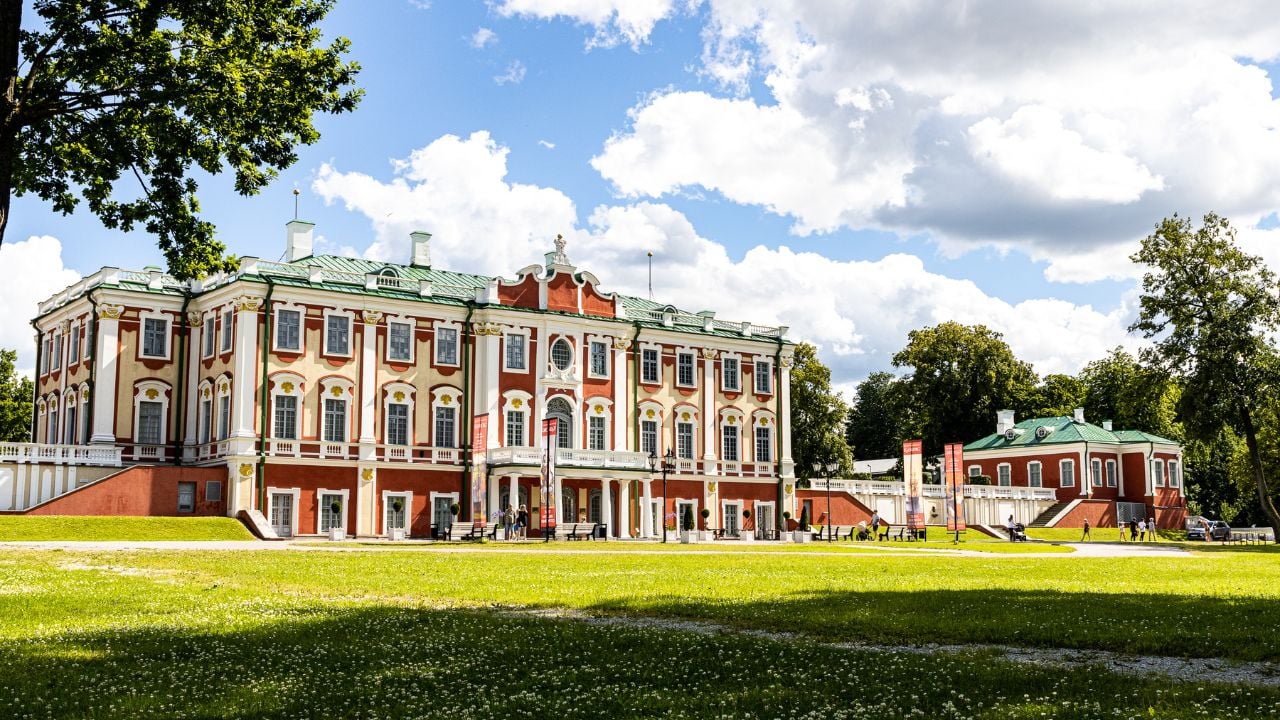
Save Kadriorg for the final stretch if your departure time allows it. The neighborhood has a softer atmosphere than the Old Town and Kalamaja, with park paths, museums, elegant houses, and the Baroque palace and park ensemble established by Russian Tsar Peter the Great around 300 years ago.
Kadriorg Palace gives the area its grandest image, but the park is just as important for a short visit. Walk the paths, look toward the palace facade, stop by the pond or gardens when they are in season, and let the last part of the trip slow down. After two days of stone lanes, murals, museums, and waterfront views, the greenery feels like a clean finish.
If time is tight, choose one museum or one café rather than squeezing in several stops. Kumu, Kadriorg Palace, and the surrounding park can easily take more time than expected, especially if you arrive without a fixed departure plan.
Tallinn leaves a strong first impression because the weekend does not have to end in a rush. You can start with medieval walls, move through creative neighborhoods and sea air, then finish among park paths and palace gardens. For a two-day trip, that is a generous amount of city without the usual short-break exhaustion.