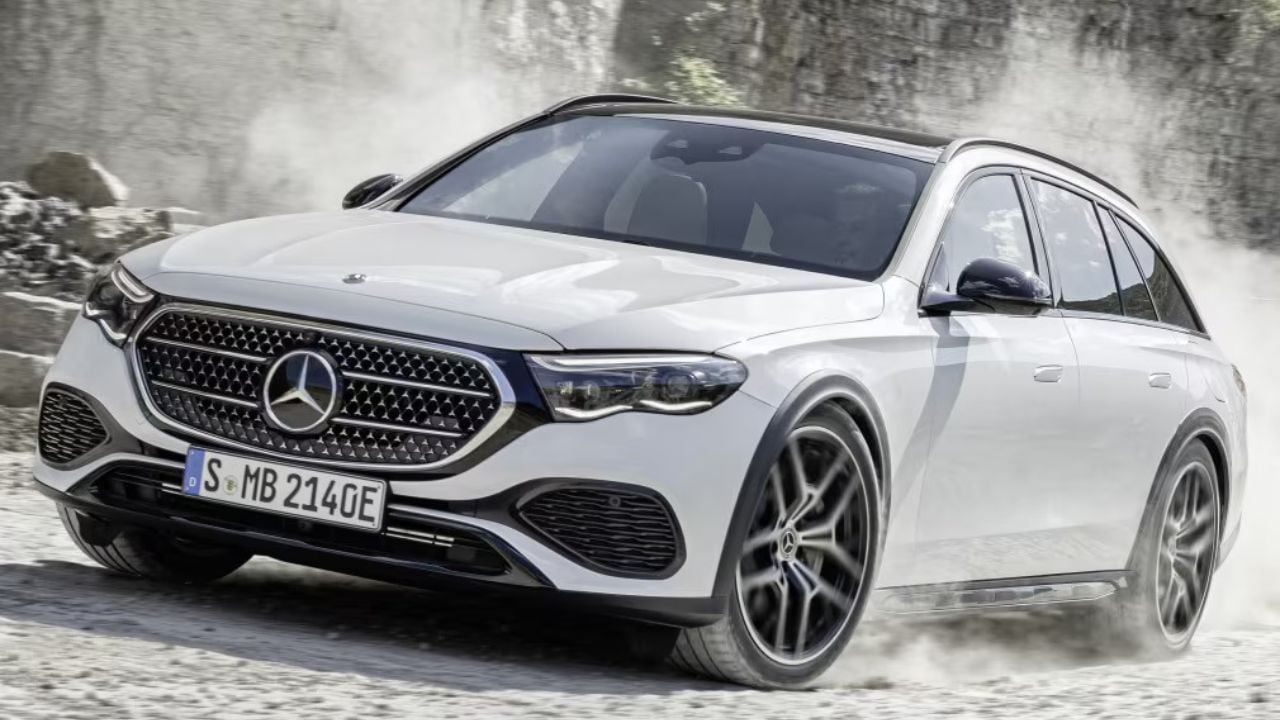
Mercedes is entering one of the biggest sales strategy changes it has made in decades. After focusing on lower volume and higher profitability, the German brand is now moving toward stronger sales growth.
The company still wants to protect the high margins needed to fund new models and technology. This time, however, it also wants a larger share of the American luxury market.
Mercedes is now openly targeting the wider premium segment, where BMW and Lexus have been very successful in the United States for years.
The goal is clear. Mercedes wants more volume, stronger dealer relations, and a broader lineup that can bring more buyers into its showrooms.
Mercedes Wants A Bigger Piece Of The U.S. Market
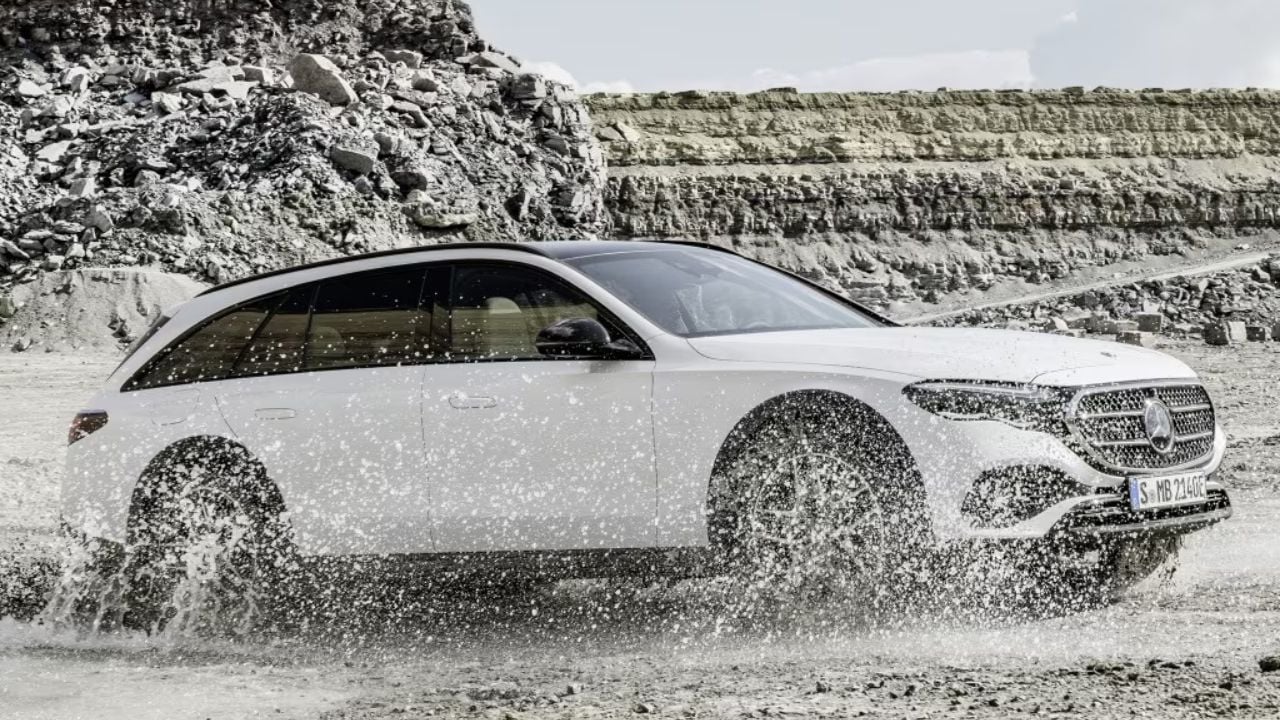
The first signs of the new strategy are already visible. Mercedes has posted record sales for the GLE, which has become one of its most important models in the United States.
Still, the company knows that one SUV cannot carry an entire growth plan. That is why Mercedes is preparing a much wider product offensive.
Adam Chamberlain, CEO of Mercedes in the U.S., said the company wants to reach 400,000 annual sales in the United States by 2030. That would be a historic figure for a luxury brand in the American market.
To get there, Mercedes would need to pass Lexus and BMW, while also reaching a volume level no premium automaker has achieved before.
Dealers Will Play A Bigger Role
Chamberlain believes one of the biggest problems with the previous strategy was the weakened relationship between Mercedes and its dealer network.
According to him, the company lost some of its closeness with dealers in recent years. Mercedes now wants to simplify that relationship and put more attention back on the customer experience.
The plan is for sales advisors to spend more time with buyers and less time dealing with screens, tracking systems, and administrative work.
Mercedes believes luxury brands need to bring back a more personal approach. That feeling of attention and exclusivity was once one of the strongest qualities of premium car buying.
Thirty New Models Are Coming
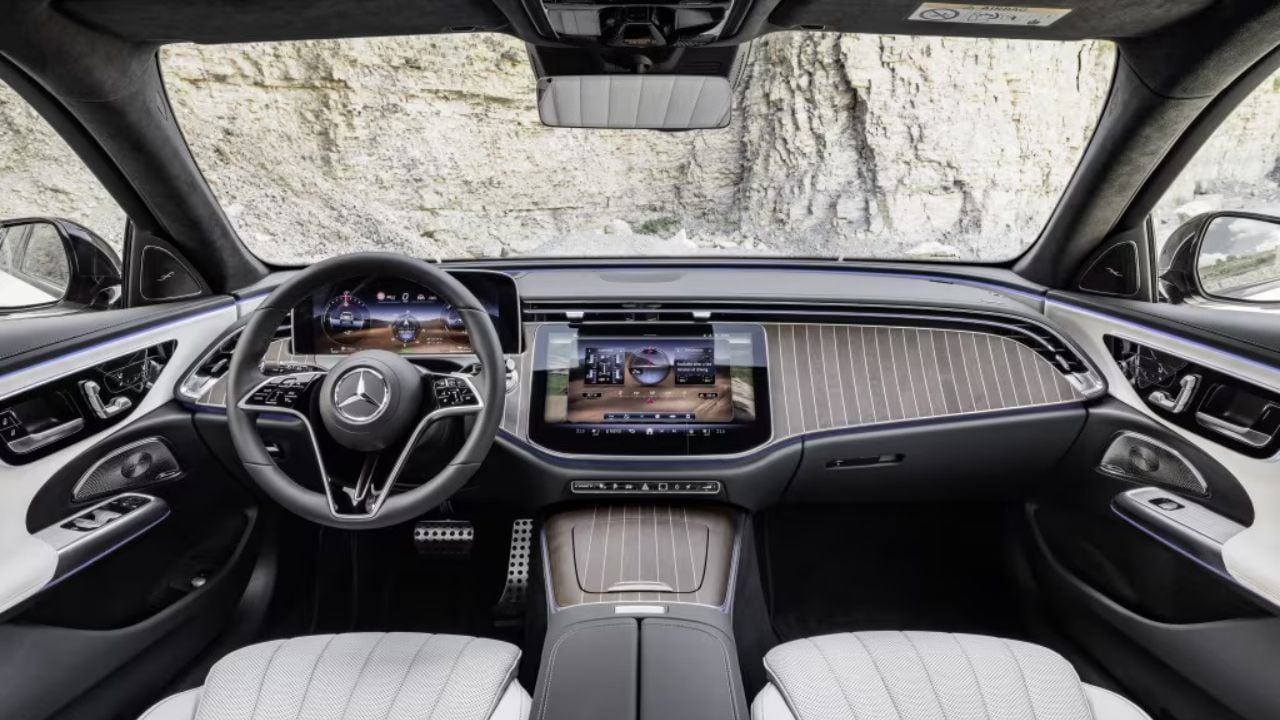
To support the sales push, Mercedes is preparing about 30 new models for North America over the next two to three years. The company has already confirmed that 16 new vehicles will arrive by the end of 2026.
Among the most important updates are heavily refreshed versions of the GLS and GLE. The GLE remains one of the brand’s most important sales tools in the U.S.
The next S-Class will also play a major role. It may not bring huge volume, but it remains essential for profit, prestige, and Mercedes’ technology image.
On the electric side, the new GLC EV is expected to reach showrooms in mid-2026. An electric C-Class is expected later the same year, giving Mercedes a stronger presence in key luxury segments.
Gas Models And Local Production Still Matter
Mercedes is also keeping a strong focus on traditional models. The company has reversed its earlier plan to discontinue the A-Class, so the compact model will receive a new generation.
A redesigned gasoline-powered C-Class is also planned. Mercedes also sees major potential in the electric VLE for China, where luxury electric vans are gaining popularity. The biggest immediate problem remains U.S. tariffs. Mercedes estimates that trade barriers cut earnings by 57% last year and created a cost of about $1.2 billion.
To reduce that pressure, Mercedes plans to expand production at its plant in Tuscaloosa, Alabama. By 2027, the factory will begin building the GLC, currently the brand’s best-selling model worldwide.
The GLC sold in America is currently imported from Germany, which adds shipping costs and tariff exposure. Possible new 25% tariffs on European-built vehicles make local production even more important.
Mercedes believes local manufacturing, a wider model range, and a stronger focus on the U.S. market can move it closer to 400,000 annual sales. The first step is more modest but still ambitious: about 325,000 vehicles sold by the end of this year.
This article originally appeared on Autorepublika.com and has been republished with permission by Guessing Headlights. AI-assisted translation was used, followed by human editing and review.