A quiet vacation does not need to disappear from your memory the second you get home. The right city can stay with you through one square, one harbor walk, one old brick lane, one beach sunset, or one meal that went on longer than planned.
The five places below are calm enough for an easy break, but not so quiet that the day feels empty. They have old centers, water, cafés, markets, beaches, concert halls, castles, and enough local life to keep you moving without turning the trip into a schedule.
The plan should stay simple. Start in the square, walk toward the harbor, follow the old streets, sit down when something looks good, and leave room for the small parts of the city to surprise you.
That is where these places do their best work: not by overwhelming you, but by giving you enough to notice slowly.
1. Olomouc, Czechia
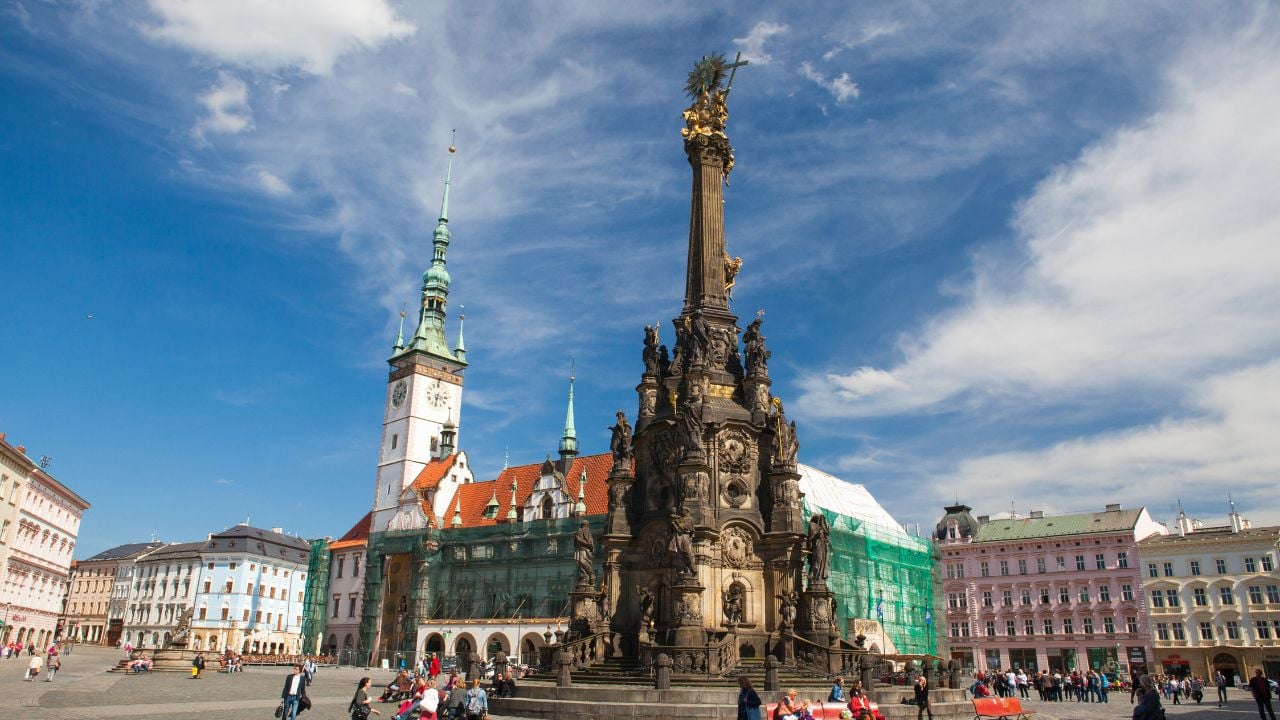
Olomouc is the kind of city where the main square gives you a lot before you have done much at all. Stand on Horní náměstí and you get the Holy Trinity Column, the town hall, pastel facades, tram movement, cafés, and enough space to slow down without feeling like you are missing something.
UNESCO describes the Holy Trinity Column as an outstanding Central European memorial column from the early 18th century. The monument rises in the middle of the city center, but Olomouc does not feel like a place built around one sight only.
Stay around the square for a while. Look at the column, then let the smaller details take over: baroque fountains, church towers, café tables, students crossing the open space, and trams making the city feel lived-in instead of frozen for visitors.
After that, walk without trying to control every turn. Step into a church if the door is open, look for courtyards, follow a side street, or sit down for coffee before dinner. Olomouc is best when the old center has time to stretch out slowly rather than being treated like a quick Prague alternative.
The city gives you history, but it also gives you breathing room. That is what makes it such a good low-key break: the beauty is right there, but it does not shout at you all day.
2. Koper, Slovenia
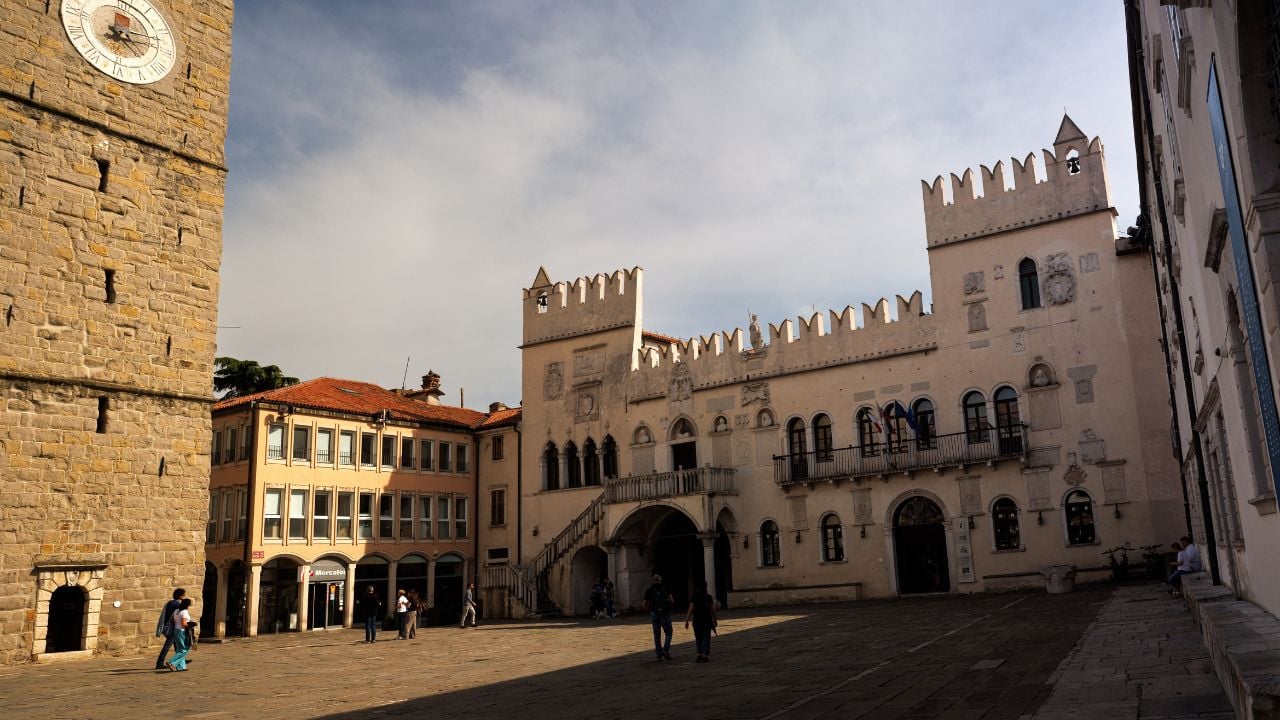
Koper gives Slovenia a coastal city break without making everything about the beach. Start in Tito Square, where the Praetorian Palace, cathedral, stone paving, and old facades make the center feel much grander than the city’s size suggests.
Visit Koper says the Praetorian Palace was built in the 13th century and received its current appearance in the middle of the 15th century. It closes the southern side of Tito Square and carries late Gothic-Renaissance and Venetian Gothic details, which fits Koper’s Adriatic history perfectly.
From the square, walk into the narrow lanes before heading to the water. Koper is better when you let the old town lead you around slowly: shaded passages, small corners, warm stone, balconies, shutters, and glimpses of everyday life between the historic buildings.
Then go toward the waterfront and let the city breathe a little. The sea is close enough that lunch, a harbor walk, and a slow afternoon can all belong to the same loose plan. Koper works especially well for travelers who want a seaside stay with real streets behind it.
The best moments are not difficult here. A square in the morning, a lane you did not mean to take, a harbor view, and a long meal can make the day feel complete without needing a complicated route.
3. Lüneburg, Germany
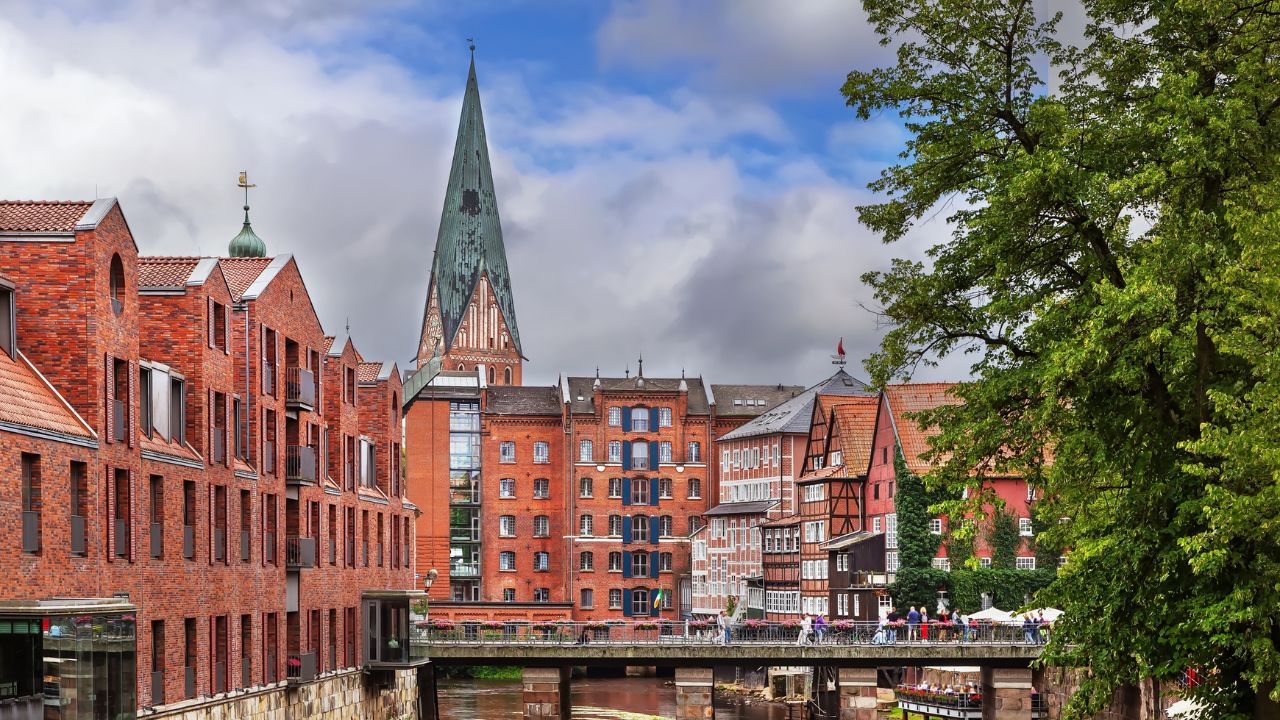
Lüneburg is quiet in the right way. The old center has brick facades, gabled roofs, uneven lines, cafés, pubs, and streets that feel shaped by centuries of salt money rather than built for a weekend trend.
Germany’s official tourism site describes Lüneburg as a historical Hanseatic town built on salt, located between the Elbe River and heathland. That salt history is not just a line in a guidebook. It is part of the city’s look: brick walls, old trading routes, historic buildings, and a center that still carries the weight of its past.
Start with a slow walk through the old town, then move toward the Stint Market and harbor. The European Route of Historic Hanseatic Towns points visitors toward the Stint Market, the harbor, the Old Crane, museums, parks, festivals, and colorful markets, with many attractions close together.
The Old Crane is worth a pause because it makes the harbor feel specific. It is not just “pretty old Germany.” It is trade, salt, river movement, warehouses, and the work that made the town rich. Sit nearby if the weather is good and let the brick, water, and old machinery hold the afternoon for a while.
Lüneburg is not a place that needs drama. Coffee in the old center, a walk by the Ilmenau, dinner in a pub, and a look at the harbor can make a quiet trip feel warm, detailed, and surprisingly full.
4. Liepāja, Latvia
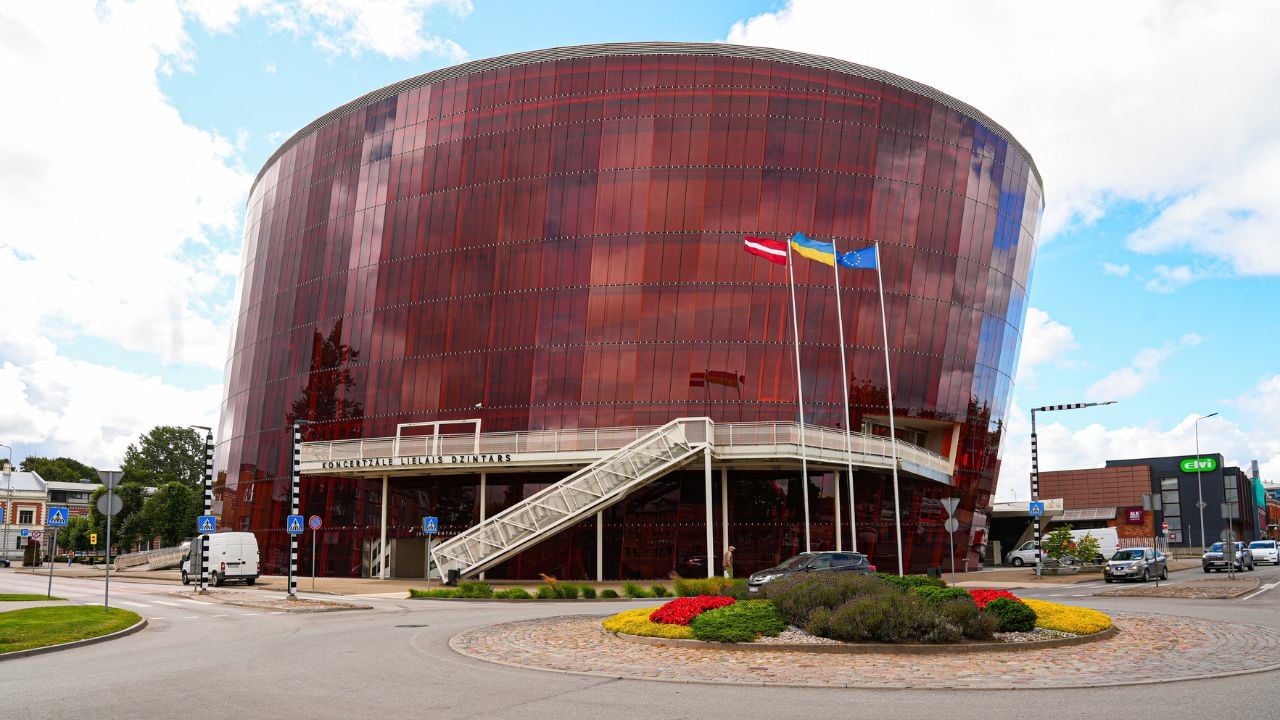
Liepāja feels open from the start. There is wind, wide sky, a broad beach, old streets, and the Great Amber concert hall glowing like a piece of modern architecture that landed near the Baltic and decided to stay.
Latvia Travel highlights Liepāja as a European Capital of Culture 2027 destination with culture, architecture, a wide sandy beach, nature, concerts, art, dining, SPA experiences, and moments by the Baltic Sea. That is a lot, but the city is easiest to understand through a simple split: streets and culture on one side, beach and wind on the other.
Start with the center if the weather is cool or windy. Walk the streets, look at the mix of old buildings and creative spaces, then move toward the beach when you want the city to open up. Liepāja’s sand is one of its strongest arguments. The beach feels wide, pale, and unhurried, especially if you are used to seaside places where every meter has been turned into a business plan.
The Great Amber concert hall gives the cultural side a clear landmark. The Liepāja 2027 programme describes the hall as central to the city’s cultural life and home to the Baltics’ oldest symphony orchestra. Even if you do not attend a performance, the building gives the city a strong modern note.
A good day here can move from quiet streets to the sea, then back toward music, food, or a long evening walk. Liepāja stays memorable because it gives you space: space in the streets, space on the beach, and enough culture to keep the trip from feeling empty.
5. Timișoara, Romania
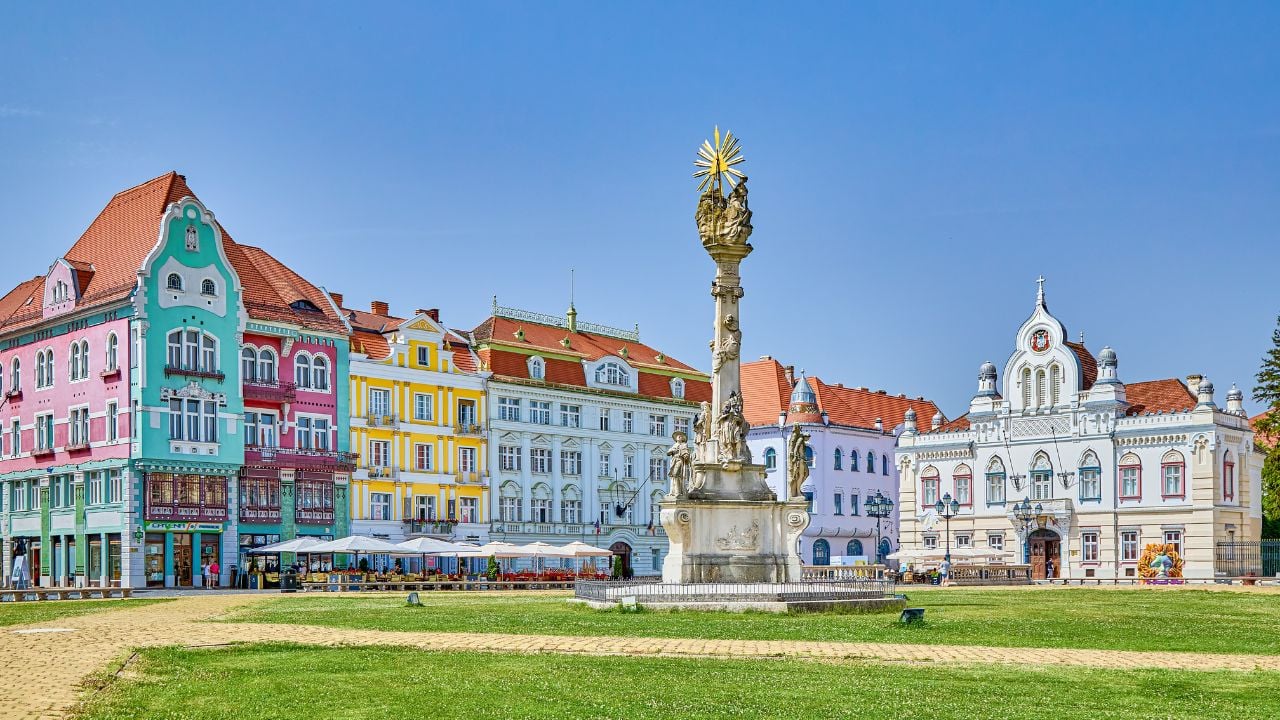
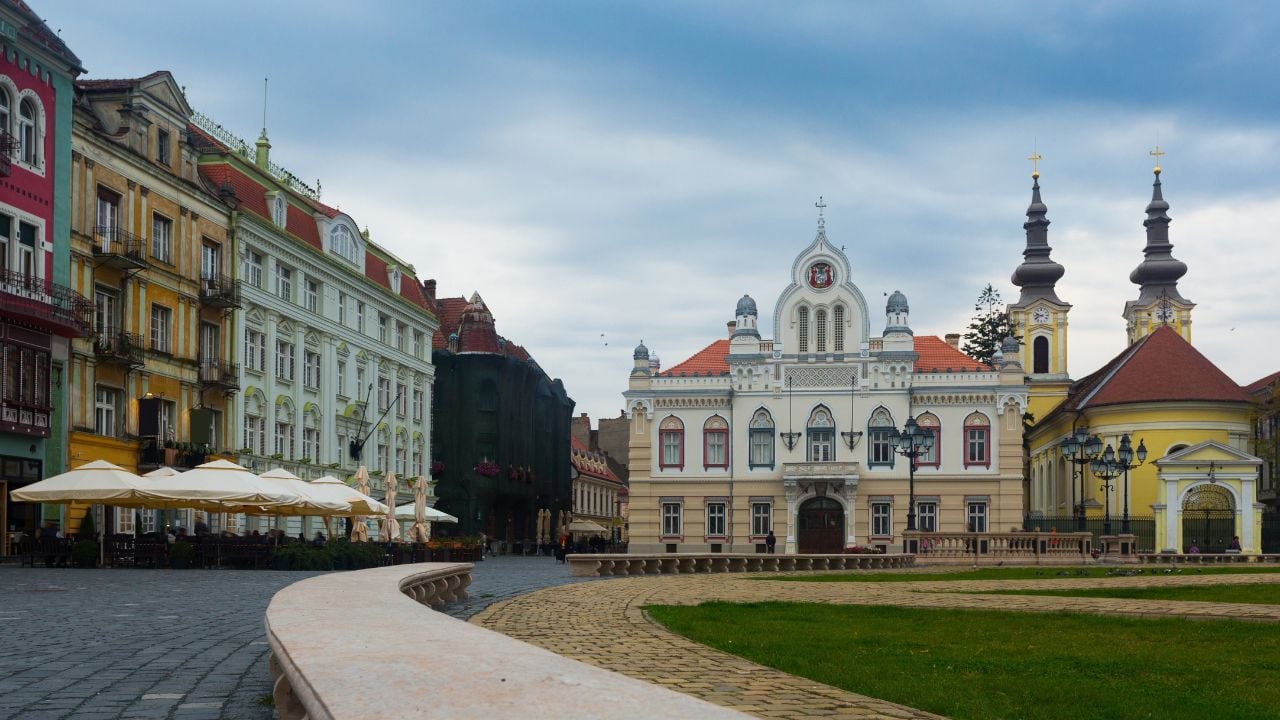
Timișoara is a city of squares, and that makes the first walk easy. Start in Piața Unirii, where pastel facades, church towers, café terraces, and wide open space give you plenty to look at before you have chosen a route.
Visit Timișoara notes that the city held the European Capital of Culture title in 2023, while the European Commission listed Timișoara alongside Elefsina and Veszprém as the three European Capitals of Culture that year. That title brought more attention to a city that already had strong architecture, public squares, and a layered Banat identity.
Walk from Union Square toward Victory Square and let the city show its range. The colors change, the buildings open up, and the center feels social without becoming hard to manage. This is the kind of place where a café stop is not just a break from sightseeing. It is part of how the city works.
Do not spend the whole visit only between the obvious squares. Follow the streets toward smaller corners, look for old facades, and leave time for something sweet or a long coffee. Timișoara has grand spaces, but they still feel usable. People cross them, meet there, sit outside, talk, and move through them as part of normal life.
That is what makes the city a good quiet break rather than just a pretty one. You get color, architecture, cafés, culture, and enough movement to keep the day interesting without needing to chase one attraction after another.