Toyota is facing a new class action lawsuit in California that argues customers may deserve compensation tied to billions of dollars in tariff refunds potentially owed to the automaker. The case centers on tariffs imposed under the International Emergency Economic Powers Act (IEEPA), which were partially invalidated earlier this year by the U.S. Supreme Court.
The lawsuit claims Toyota increased vehicle prices to offset the cost of those tariffs and should now share any recovered funds with the consumers who ultimately paid the higher prices. Filed in the U.S. District Court for the Central District of California, the case was brought by California plaintiff Ananias Cornejo against Toyota Motor North America.
The legal dispute arises during a turbulent period for global automakers navigating changing U.S. trade policy and rising production costs. While many companies absorbed portions of the tariff burden internally, others adjusted pricing across imported vehicles and components as supply chain costs climbed.
At the center of the lawsuit is a bigger question now facing multiple industries: if companies recover tariff money from the government after courts rule those import taxes unlawful, should consumers who paid higher prices receive part of that money back?
Supreme Court Ruling Opened Door To Massive Refunds

In February 2026, the Supreme Court invalidated large portions of the Trump-era tariff framework imposed under the IEEPA. The ruling determined the administration exceeded its authority under the 1977 law when applying sweeping tariffs to imports from countries including China, Canada, and Mexico.
That decision potentially unlocked an enormous wave of refund claims. Estimates suggest as much as $166 billion to $175 billion in tariff collections could eventually be returned to importers through a newly established federal processing system.
The U.S. Customs and Border Protection agency has already launched the CAPE refund platform, formally known as the Consolidated Administration and Processing of Entries system, to handle repayment requests. As of May 11, officials reportedly calculated more than $35 billion in finalized refunds and interest tied to millions of shipments.
Only importers of record and authorized customs brokers are eligible to directly apply for refunds. Consumers cannot independently file claims through the federal system, even if higher retail prices were partially driven by tariff costs.
Lawsuit Claims Consumers Paid Toyota’s Tariff Costs
The lawsuit against Toyota argues that distinction misses the larger issue. According to the complaint, Toyota allegedly passed significant tariff-related expenses directly onto vehicle buyers through higher pricing during the affected period between February 2025 and February 2026.
The filing claims Toyota incurred roughly $9.7 billion in tariff costs due to its dependence on imported parts and production tied to countries including Japan, Canada, and Mexico. The plaintiff argues that those expenses were ultimately embedded into the prices consumers paid for vehicles and related products.
As a result, the lawsuit contends customers are entitled to restitution if Toyota receives government refunds connected to those same tariffs. The proposed class includes U.S. consumers who purchased or leased Toyota products affected by the IEEPA tariffs during the specified timeframe.
The legal argument hinges on whether plaintiffs can demonstrate a direct connection between tariff exposure and vehicle pricing. Automakers routinely adjust prices for numerous reasons, including supply chain costs, exchange rates, material expenses, and market demand.
Toyota’s Financial Situation Adds Context
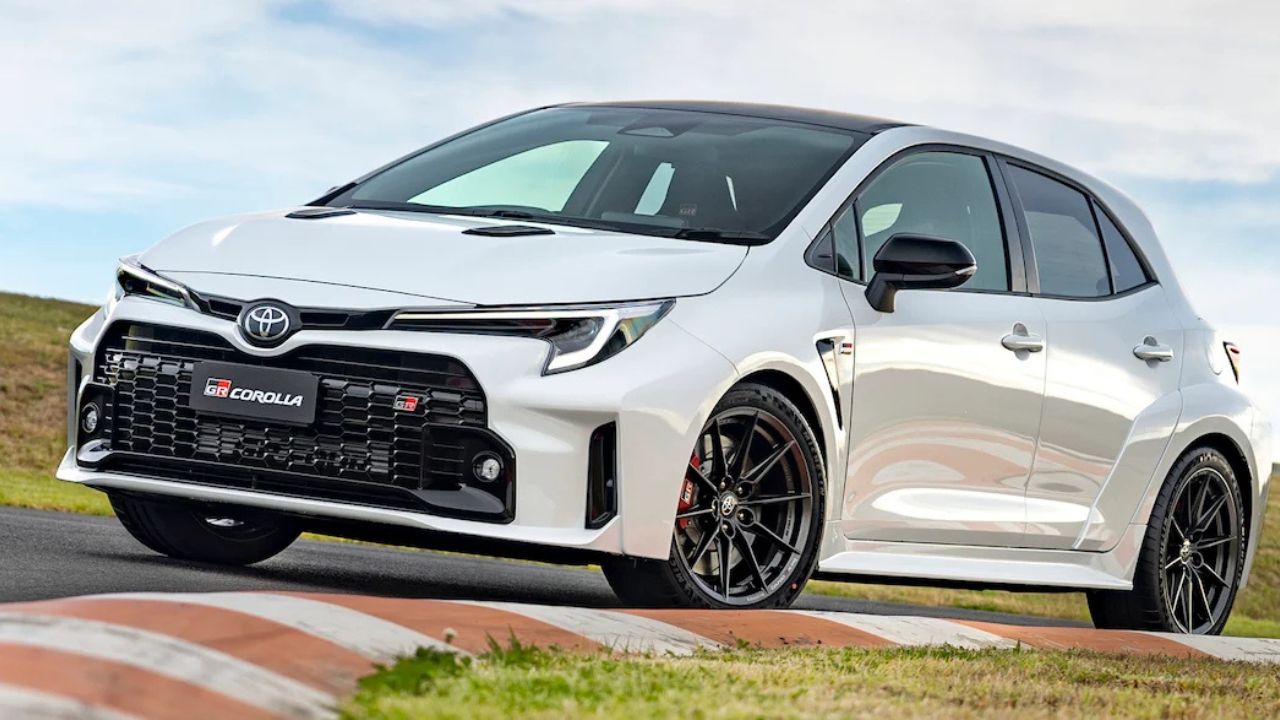
The lawsuit emerged shortly after reports revealed the financial impact tariffs had on Toyota’s North American operations. Despite strong sales growth and record revenue, tariff-related costs reportedly contributed to a rare operating loss for the region during fiscal year 2026.
According to industry publication WardsAuto, Toyota posted a $1.9 billion operating loss in North America for the fiscal year ending March 31, even while sales increased by approximately 8.5%.
That situation highlights how deeply tariffs affected automakers with globally integrated supply chains. Companies such as Toyota rely heavily on imported parts and cross-border production networks spanning North America and Asia.
Critics of the lawsuit argue that businesses routinely absorb and redistribute operating costs as part of normal market conditions. Supporters counter that if tariff-related price increases were specifically justified by government-imposed duties later ruled unlawful, consumers deserve consideration if those costs are refunded.
Other Companies Are Facing Similar Questions
Toyota is not alone in pursuing tariff-related reimbursement opportunities. More than 2,000 refund lawsuits connected to the IEEPA tariffs have reportedly been filed in the Court of International Trade by companies across multiple industries. Several major corporations, including FedEx, Costco, and Nissan North America, have also been linked to refund efforts.
Some companies have already indicated they may pass at least part of the recovered funds back to customers. FedEx stated it intends to reimburse customers in situations where it acted as a customs broker, while Costco suggested any savings could be reflected through lower prices or added customer value. Toyota has not publicly stated how it would handle any potential tariff refunds.