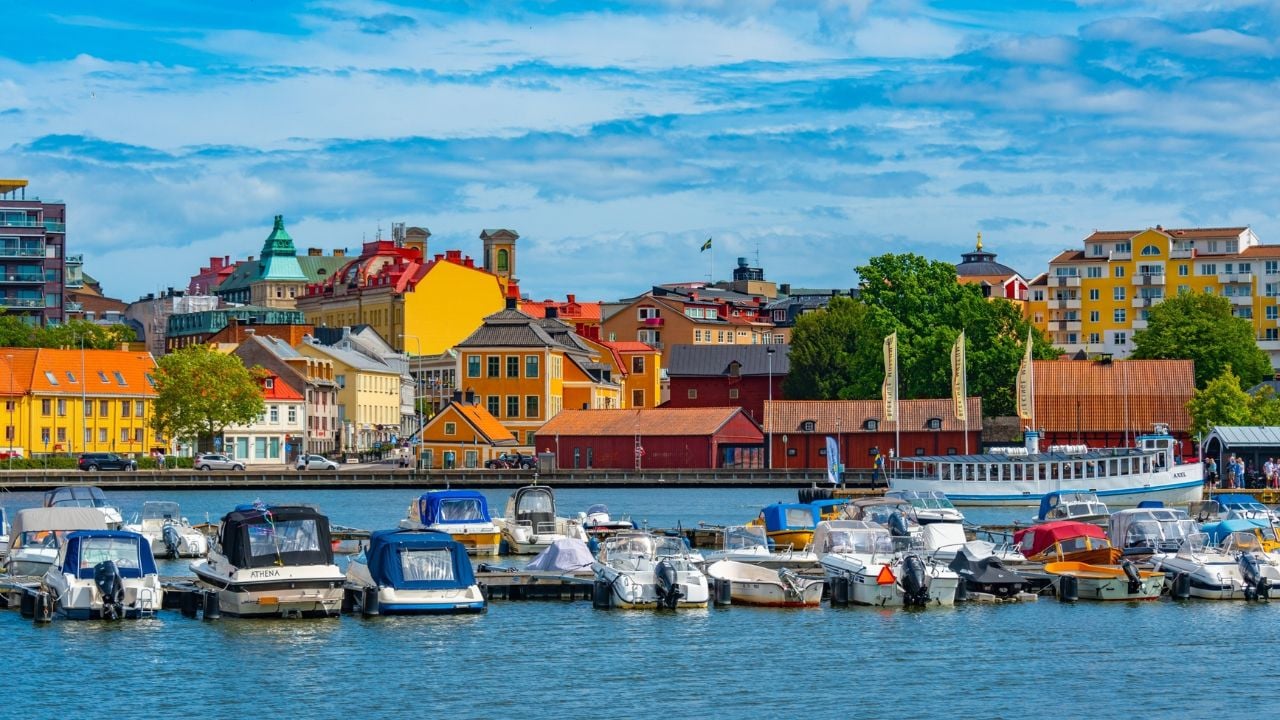
A short trip feels much better when you do not have to fight the place. You arrive, drop your bag, and there is already something clear to do: a castle above town, a canal walk, a mountain promenade, a library that looks like a film set, or a harbor where the sea is part of the street plan.
That kind of travel is useful because it gives the day a starting point without turning the whole break into a timetable. See one proper thing in the morning, then leave the afternoon open for coffee, wine, old streets, a river path, or a slower dinner than you planned.
These five places are good for that. They are specific enough to feel fresh, but not so complicated that a short stay becomes work. Each has one strong place to begin, and the rest of the trip can grow around it naturally.
The best plan is simple: choose the castle, canal, viewpoint, library, or harbor first. Then let the city around it do the rest.
1. Eger, Hungary

Eger is easiest to start from the castle. Walk up first, before the day fills with wine cellars, church towers, and long lunch plans. The old walls put the town below you quickly, and the view from Calvary Hill gives the first proper look at Eger’s red roofs and surrounding hills.
Visit Eger describes Eger Castle as one of Hungary’s most popular museums and one of the city’s main symbols. The Gothic Bishop’s Palace tells the story of the castle, the casemates show everyday life in a 16th-century border fortress, and the hill gives visitors a wide view over the city.
That is enough to carry the first morning. You get stone walls, old rooms, underground passages, and a view without needing to cross town three times. After that, walk back down and let the center take over: a square, a café, a meal, or a slower hour somewhere that was not on the plan.
The next day can be softer. Visit Eger lists the Basilica of Eger as Hungary’s second-largest church, while Szépasszony Valley is the city’s best-known place for wine tasting. That gives the trip an easy switch from castle history to wine cellars and baroque streets.
Do not try to overbuild Eger. Castle one day, basilica and wine the next, maybe the thermal bath or one quiet square before leaving. The town has enough to fill the break, but it is much better when you leave room between the big stops.
2. Treviso, Italy

Treviso is a good Italian break when you want water, arcades, food, and old streets without stepping straight into Venice pressure. Start near the canals and let the city stay small for a while. The water appears beside houses and under little bridges, then disappears around corners as if it is not trying to impress anyone.
Italy’s national tourism site says Treviso’s main town is crossed by the Buranelli canal and highlights Piazza dei Signori, the Calmaggiore arcades, the Romanesque-style cathedral, the Gothic-style church of San Nicolò, the city walls, and walks along the Sile River. That is a lot on paper, but the center keeps it easy because so much sits close together.
Walk the Buranelli canal first if you want the gentler side of Treviso. Look for reflections under the buildings, small bridges, old facades, and corners where the water makes an ordinary street feel more private. This is not a city that needs one huge monument to justify the visit.
Then head toward Piazza dei Signori and the arcades. Stop for coffee, look at the people crossing the square, and let lunch become part of the sightseeing. Treviso is famous for radicchio, and this is exactly the kind of place where a meal should not be treated as a gap between attractions.
If you want a second day without making things complicated, follow the Sile River or spend more time inside the walls. The pleasure of Treviso is repetition in the best way: another canal, another arcade, another café, another corner that feels like you found it by accident.
3. Pau, France
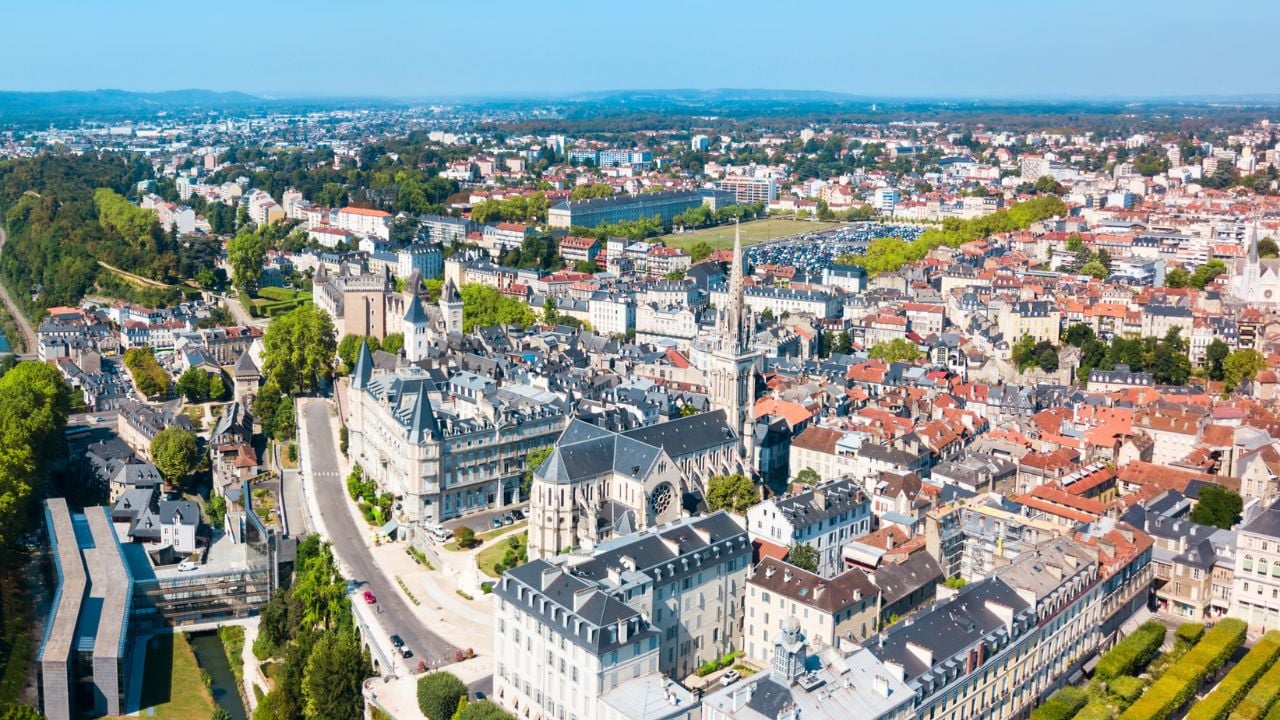
In Pau, go to the Boulevard des Pyrénées before you start pretending you need a complicated plan. The promenade gives you the Pyrenees in one long sweep, with benches, cafés, ice cream stops, lunch tables, and the kind of mountain horizon that makes people stand still for a minute.
Pau’s official tourism office calls the Boulevard des Pyrénées the city’s landmark and describes its 180-degree panoramic view of the mountain range. It also points out that there is always a reason to stop there, whether for coffee, ice cream, lunch, or a glass of Jurançon.
The funicular makes the arrival even better. Tourisme Pau says the funicular is free, links the station area with the upper town, and reaches the city center in about three minutes. That means the trip can go from train platform to mountain view with almost no effort.
After the boulevard, walk toward the Château de Pau. The castle sits in the historic quarter, and the Béarn-Pyrenees tourism site identifies it as the birthplace of Henri IV, King of France and Navarre. It gives the city a proper historic stop without pulling the day away from the center.
Pau is best when the mountain view keeps returning between other things. Ride the funicular, walk the boulevard, see the château, then sit somewhere with Jurançon or coffee and look back toward the peaks. That is enough structure for a short break, and more than enough beauty.
4. St. Gallen, Switzerland
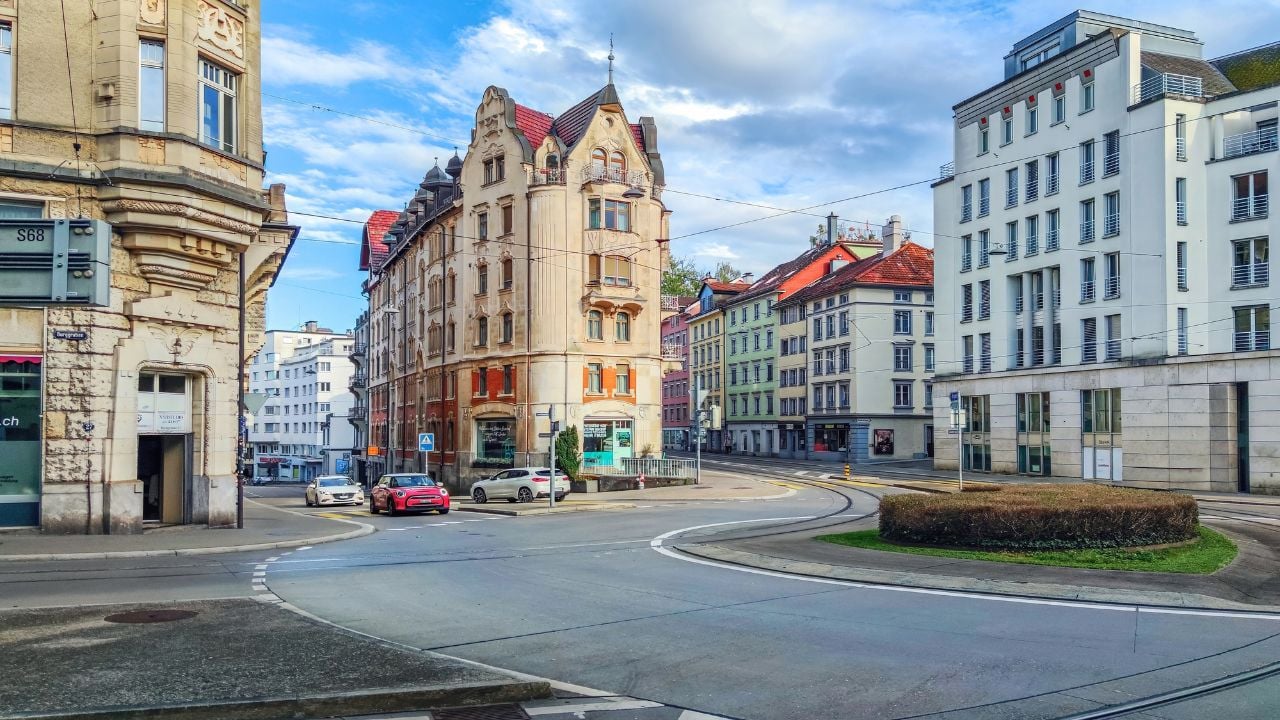
St. Gallen has one of those cultural stops that even tired travelers should not skip. The Abbey Library is not just a room with old books. It is a rococo hall full of wood, curves, painted detail, manuscripts, and the feeling that knowledge used to be treated like treasure.
St. Gallen-Bodensee Tourism describes the Abbey Library as one of the oldest and most beautiful libraries in the world. That is a big claim, but the room earns it quickly. Even people who do not usually build trips around libraries may understand the appeal once they step inside.
After the library, stay in the old town and look up. Switzerland Tourism suggests starting in the Abbey District, then wandering through streets with richly decorated oriel windows, visiting the Textile Museum, resting on Gallusplatz, or taking the Mühleggbahn toward Drei Weieren.
The oriel windows are worth slowing down for because they turn ordinary facades into little carved displays. Walk without rushing and you start noticing them above shopfronts and side streets. St. Gallen’s textile history also gives the city another layer, especially if you stop at the Textile Museum instead of treating the library as the only cultural moment.
When you want air and views, take the Mühleggbahn up toward Drei Weieren. The local tourism site says the Three Ponds were built in the 17th century for textile bleaching and firefighting water, and later became a place for outings and swimming. That gives St. Gallen a clean second half to the day: library first, old town details next, then ponds and city views above the roofs.
5. Karlskrona, Sweden
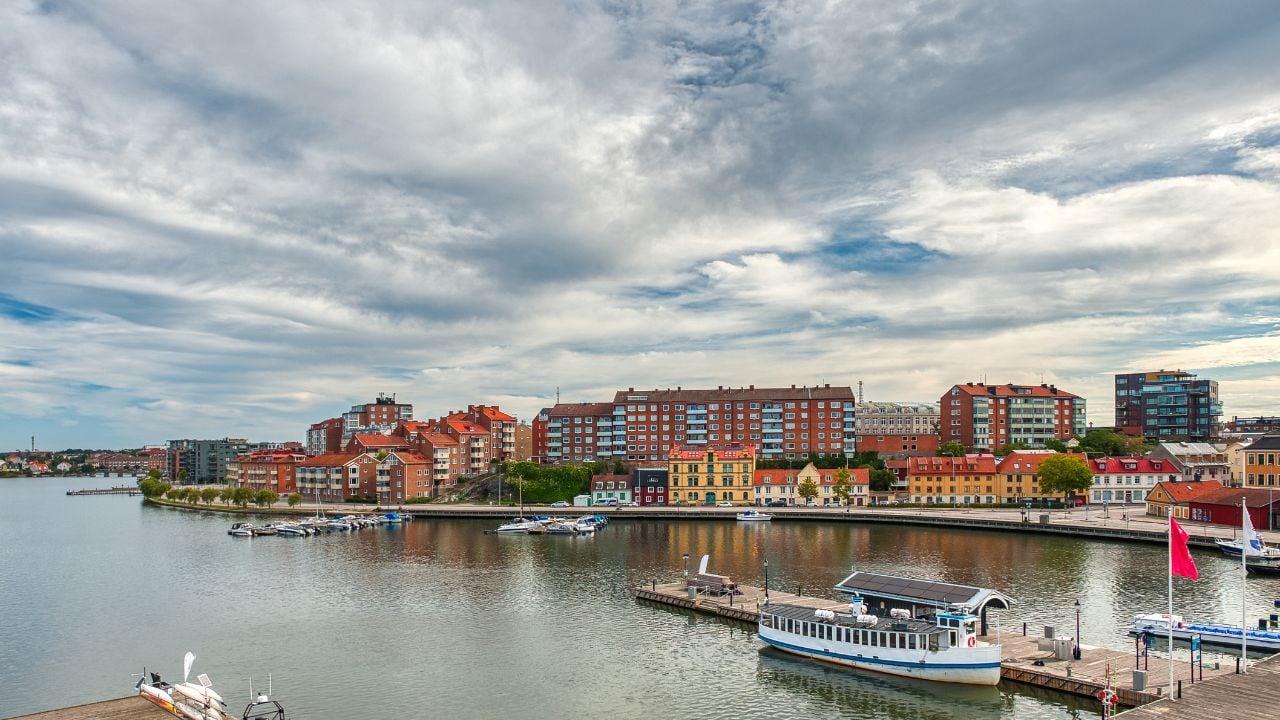
Karlskrona is a good choice when you want the day to come with sea air. The city center sits on its own island, and water is never just background scenery. It is part of how the place was designed, defended, used, and lived in.
UNESCO describes Karlskrona as an outstanding example of a late-17th-century European planned naval city, with the original plan and many buildings surviving intact. Visit Karlskrona also says the city is built on 33 islands, with the center located on its own island about six kilometers from the mainland.
Start with the naval story, because it explains why the city feels so different. Karlskrona was not a fishing village that slowly became pretty. It was planned as a naval city, with fortifications, a dockyard, a harbor, a military base, the civilian city, and surrounding support sites all forming part of the World Heritage setting.
Then let the sea take over the afternoon. Visit Karlskrona says that from Stortorget, the highest point of the city center, it takes only a few minutes to walk to the jetty, where there are archipelago boats, kayak rentals, and summer hangouts. That makes the second part of the day easy: history first, water next.
A good Karlskrona break can be very simple. Spend one day with the World Heritage naval setting, then give another to the archipelago, the harbor, or a quiet boat moment. The city feels memorable because the sea is not something you visit outside town. It is wrapped around the whole trip.