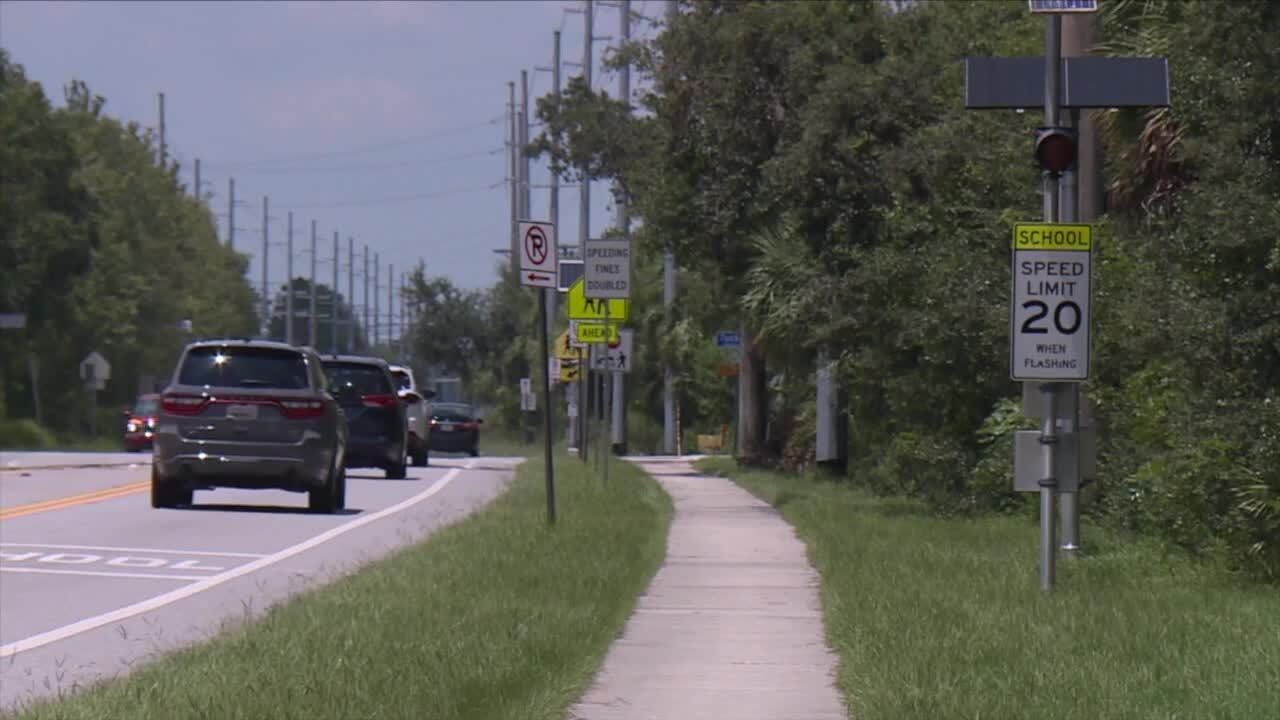
Florida rolled out its school speed zone camera program with the best possible pitch: keep kids safe, slow down drivers, protect lives near school campuses. Hard to argue with that. But nearly a year and a half into the program, a string of court rulings is raising a very uncomfortable question for cities and counties across the state. What if the cameras handing out those $100 tickets were never legally cleared to do so in the first place?
That question is no longer just a legal theory being tossed around by frustrated drivers. Hearing officers in multiple Florida counties have now sided with drivers challenging their tickets, ruling that the speed-measuring devices inside the cameras were never approved by the state as required under Florida’s Administrative Code. That code is pretty clear: all speed measuring devices used to gather evidence of speeding must receive state approval before they are ever put to use. According to attorneys successfully fighting these cases, that step was skipped.
The controversy is growing louder even as the program continues collecting money at a remarkable clip. Vendor data from earlier this year shows the cameras have brought in at least $66 million in paid fines in just over a year of operation. For a program sold to the public as a safety initiative, that revenue figure has drawn its fair share of skepticism from legal experts, drivers, and at least one county hearing officer who was reassigned after voicing concerns.
Investigative reporting out of South Florida first brought many of these issues to light, uncovering cases where drivers were ticketed even when school was not in session, when warning signs were not clearly posted, or when the flashing lights designed to alert drivers never activated at all. What started as isolated complaints has now grown into a coordinated legal challenge that spans the entire state.
The Legal Argument Gaining Ground in Florida Courts
The case that cracked things open involved a driver in Hollywood, Florida who was clocked doing 42 miles per hour in a 30-mph school zone. Attorney Ted Hollander of The Ticket Clinic took on the case and argued that the radar unit inside the camera had never been approved by Florida’s Department of Highway Safety and Motor Vehicles. A Broward County traffic hearing officer agreed and dismissed the ticket entirely.
That was not a fluke. Hollander’s team took the same argument to Miami-Dade County and won. Then to Kissimmee in Osceola County, and won again. Three separate counties, three separate rulings, all landing on the same conclusion: the device must be state-approved before it can be used as legal evidence of speeding. The city of Hollywood pushed back in court, arguing that the school speed zone camera law does not actually require state approval of the speed-measuring equipment. The hearing officer was not convinced, and the city’s attorney is now reviewing next steps.
A Hearing Officer Who Called It a Broken System

The legal challenges are not the only sign that this program has problems. Dr. Tom Santarlas served as the sole hearing officer handling school speed zone camera appeals in Hillsborough County. He spent months reviewing cases from drivers contesting their violations, and over time he became increasingly vocal about what he saw as a system stacked against ordinary motorists.
Earlier this year, Santarlas was reassigned. He believes it was because he started raising concerns about fairness. During an interview in February, he was asked directly whether the school speed zone camera program is designed in a way that sets drivers up to fail. His answer was simple and direct: absolutely. He went further, calling it a broken system without any real doubt in his mind. That kind of candor from someone on the inside of the process carries weight, and it has only added to the growing pressure on the program.
What Drivers Can Actually Learn From This Mess
If nothing else, this situation is a reminder that automated ticketing systems are not infallible and that fighting a ticket is not always a lost cause. Here are a few things worth keeping in mind.
First, a ticket is not automatically valid just because a camera issued it. The legal battles in Florida show that equipment approvals, proper signage, and procedural compliance all matter. If you receive a school speed zone camera ticket in Florida, it may be worth consulting an attorney before simply paying the fine, especially given how many cases are currently being dismissed.
Second, programs billed as safety initiatives can carry serious accountability gaps. The fact that cameras were issuing fines while school was not even in session, or while warning lights were not functioning, suggests the rollout moved faster than the oversight could keep up with. Drivers have a reasonable expectation that the rules applied to them are actually being followed on the government’s end too.
Third, $66 million in fines generated in roughly a year is a number that deserves scrutiny regardless of how the program was marketed. When that much revenue flows from enforcement cameras in a short window, the financial incentive can start to cloud the stated public safety mission.
Where the Fight Goes From Here
Hollander’s firm has made clear it intends to keep challenging school speed zone cameras across Florida. His position is pointed: the program is less about child safety or changing driver behavior and more about collecting that $100 fine from as many people as possible. Whether or not you agree with that framing, the court rulings backing his argument are real and they are spreading.
For Florida cities and counties still operating these cameras, the legal exposure is becoming harder to ignore. If the devices measuring speeds were never properly approved, every ticket issued by those cameras is potentially vulnerable to challenge. That is not a small problem for local governments banking on this revenue stream. And for the roughly one million drivers who have already been flagged by these cameras since the program launched, it raises a question nobody in charge seems eager to answer: were those fines ever legitimate to begin with?