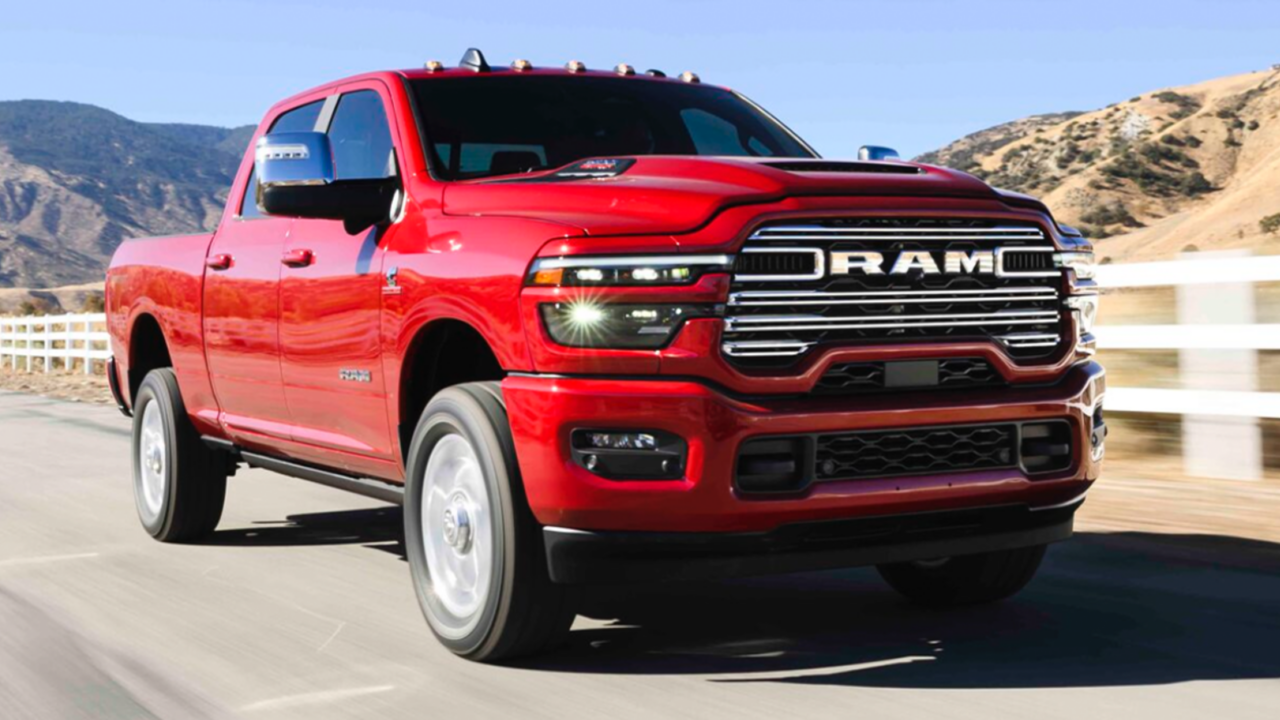
Stellantis is recalling more than 12,000 Ram 2500 heavy-duty pickup trucks over a software issue that could allow the vehicles to exceed the safe speed rating of their tires. According to documents filed with the National Highway Traffic Safety Administration, the defect may compromise tire integrity and increase the risk of a crash.
The recall affects 12,736 Ram 2500 trucks from the 2023 through 2026 model years. NHTSA says the vehicles may have been built with incorrect speed calibration software in the Powertrain Control Module.
That calibration error can potentially allow the trucks to travel faster than the maximum speed the tires were designed to safely handle. While that may sound like an unlikely scenario for a heavy-duty pickup, tire speed ratings exist for a reason.
When tires are operated beyond their intended speed threshold, heat buildup and structural stress can increase rapidly. In extreme cases, this can lead to accelerated wear, instability, or even tire failure at highway speeds.
Why Tire Speed Ratings Are Important
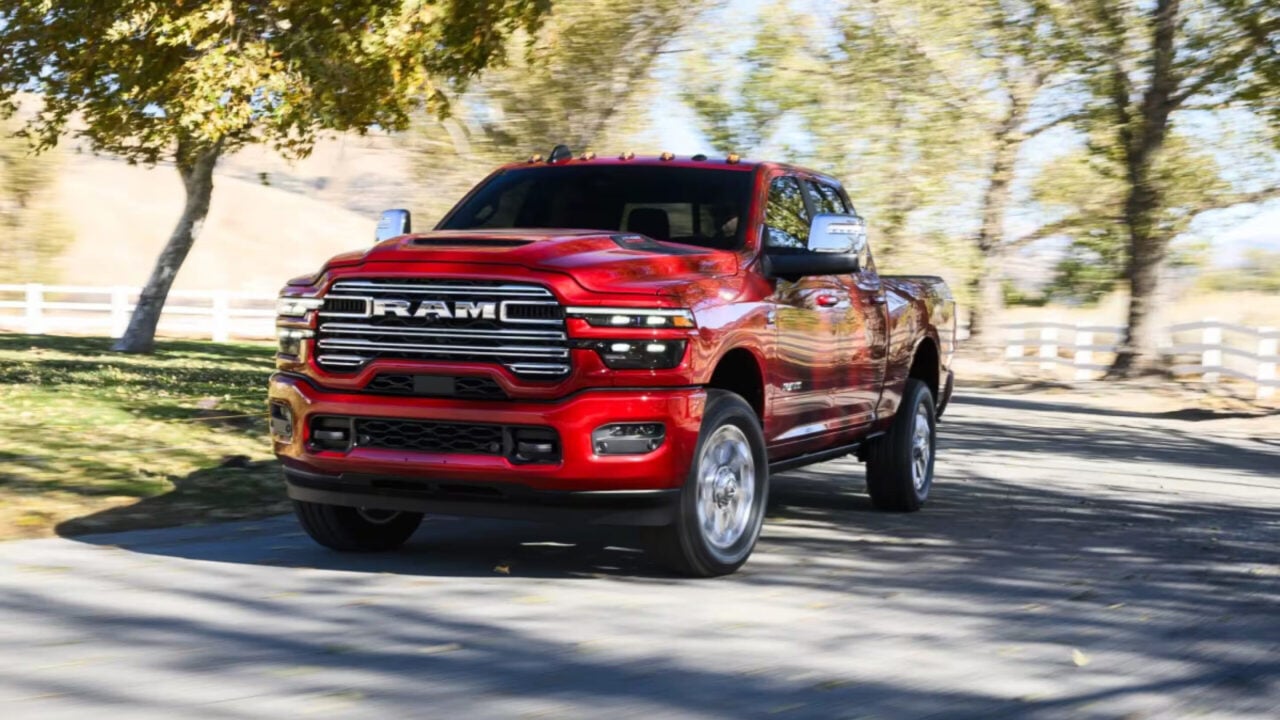
Modern tires are engineered and tested to operate safely within specific speed limits under load. Exceeding those limits does not guarantee an immediate blowout, but it can significantly reduce the tire’s ability to safely manage heat and stress.
That concern becomes especially important on a large truck like the Ram 2500. Heavy-duty pickups carry more weight than standard passenger vehicles, and any sudden loss of tire integrity can have serious consequences for stability and control.
According to the recall report, affected trucks were produced between June 21, 2022, and April 14, 2026. NHTSA estimates that 100 percent of the recalled population contains the defect.
The issue appears tied entirely to software calibration rather than the tires themselves. Trucks outside the recall either received correct calibration programming, used different tire specifications, or were built outside the affected production period.
Stellantis Says It Knows Of No Injuries
At this stage, Stellantis says it is not aware of any crashes, injuries, warranty claims, or customer complaints connected to the defect. The automaker is still moving forward with a voluntary safety recall because of the potential safety risk involved.
Unlike some recent recalls involving fire hazards or brake failures, this campaign does not include a “Do Not Drive” warning. Still, owners may reasonably want to avoid sustained high-speed driving until the software update is completed.
The remedy itself is relatively straightforward. Dealers will reprogram the truck’s Powertrain Control Module with updated calibration software free of charge.
Owners will begin receiving official notification letters starting June 4, 2026. Ram owners can also check their VIN through NHTSA or Stellantis recall lookup systems to determine whether their truck is included.
Another Recall For The Ram 2500
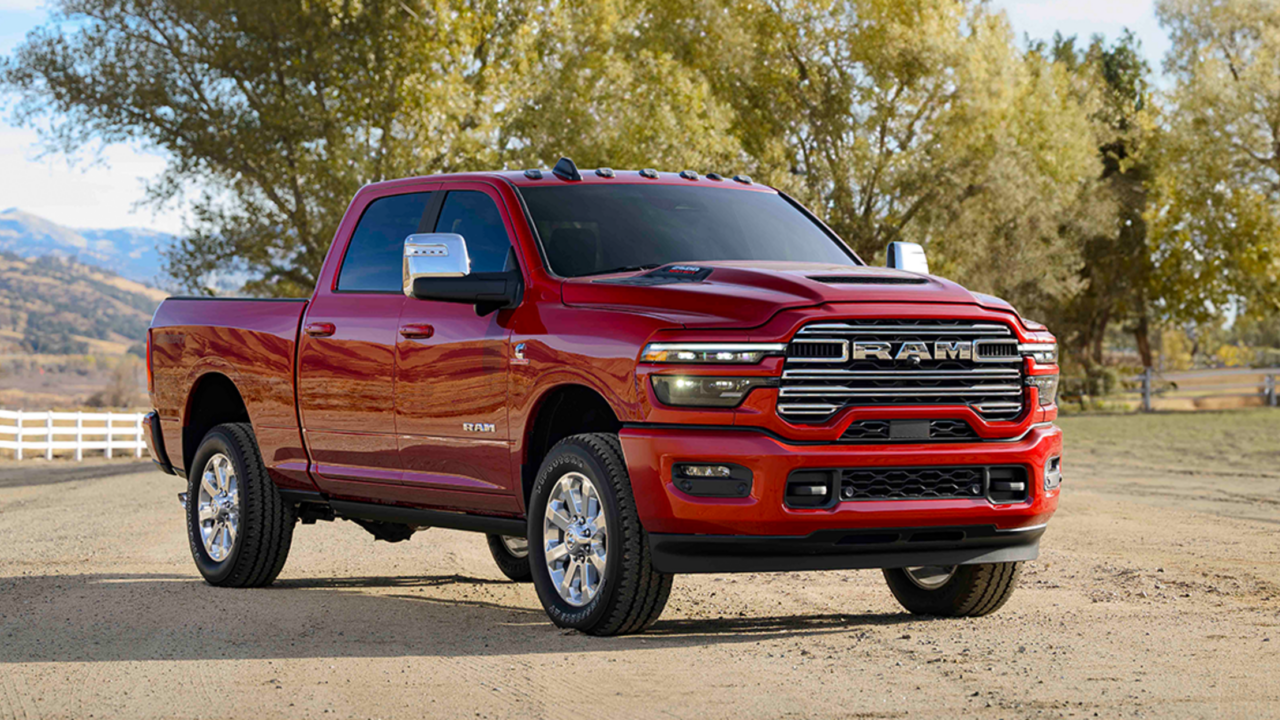
This latest campaign arrives shortly after another Ram 2500 recall tied to steering-related concerns that could also affect vehicle control. While the back-to-back recalls may raise eyebrows, they do not necessarily indicate a widespread reliability issue across the entire heavy-duty lineup.
The Ram 2500 remains one of the most popular heavy-duty trucks in America, competing directly against the Ford F-250 Super Duty and Chevrolet Silverado 2500HD. Trucks in this segment are often used for towing, hauling, and commercial work where tire performance and stability are especially important.
Stellantis has also been attempting to reassure buyers by expanding warranty coverage on some newer trucks. The company recently announced a 10-year/100,000-mile limited powertrain warranty for certain 2026 Ram models, including the 2500.
Even so, this recall serves as another reminder that software now plays a major role in how modern vehicles behave. Increasingly, even something as fundamental as a truck’s top speed can come down to lines of code rather than purely mechanical engineering.