Modern car interiors are changing rapidly, and the latest Wards 10 Best Interiors & UX winners offer a clear look at where the industry is heading next. Automakers are no longer chasing giant touchscreens alone, with many now rediscovering the value of physical controls, richer materials, and smarter usability.
This year’s winners reveal a change in priorities in the automotive industry. Comfort, intuitive technology, and emotional design are becoming just as important as horsepower, range, or exterior styling.
WardsAuto evaluated 28 new or heavily refreshed vehicles between February and April 2026 before selecting the final 10 winners. Judges scored each vehicle on categories including aesthetics, comfort, connectivity, infotainment, displays, materials, fit and finish, and advanced driver-assistance systems.
The final list spans everything from affordable compact sedans to quarter-million-dollar supercars. Yet despite wildly different price points, many of the same interior trends appeared throughout the winners’ circle.
The 2026 Wards 10 Best Interiors & UX Winners
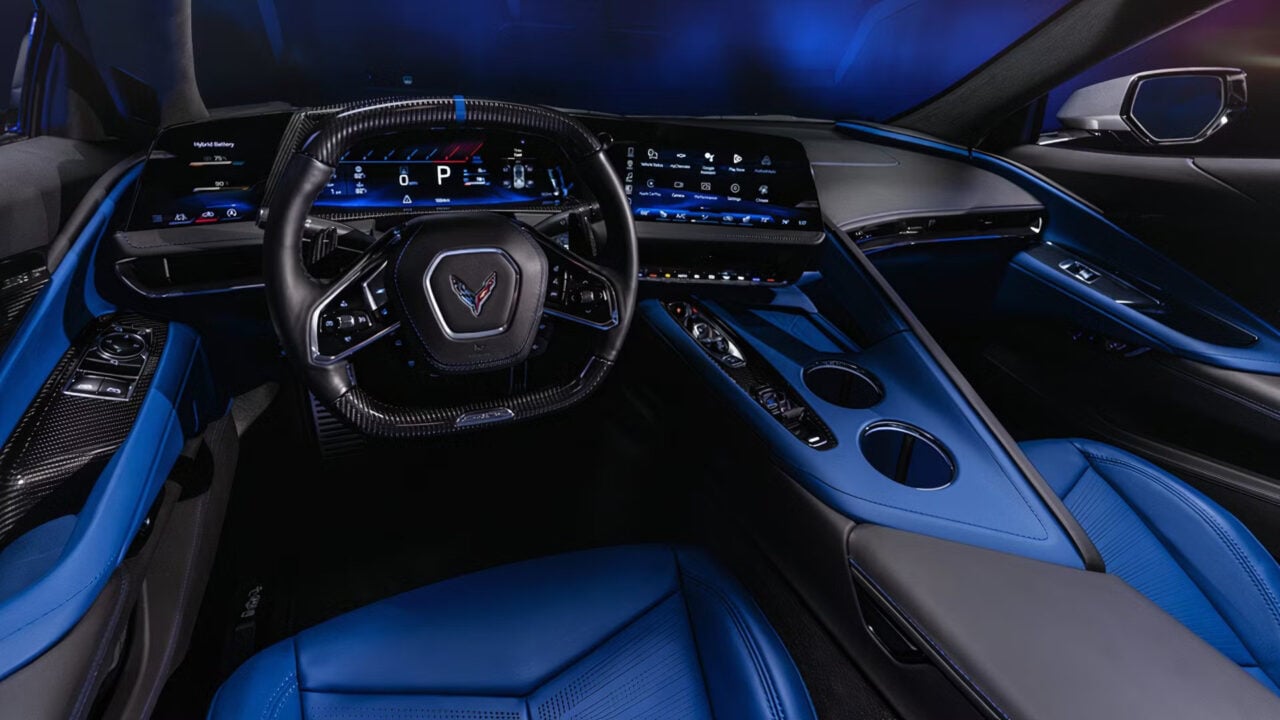
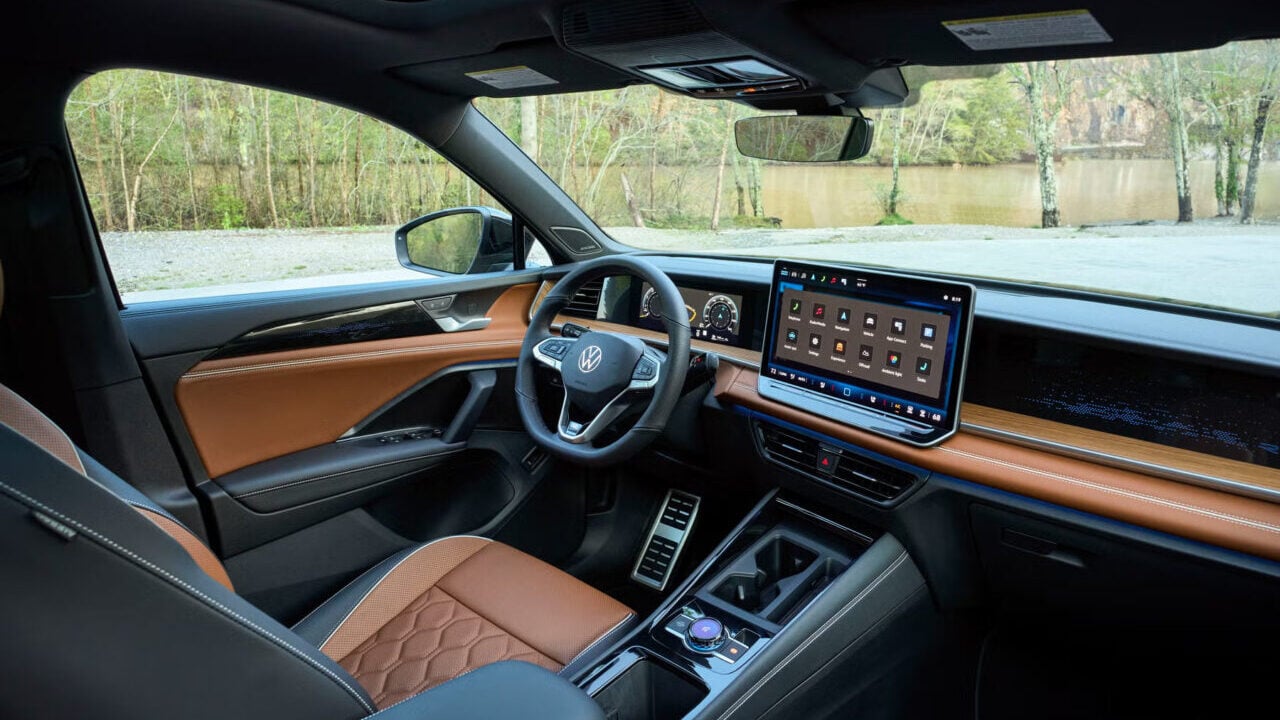
This year’s winners include the Chevrolet Corvette ZR1X, Genesis GV70 3.5T Sport Prestige, GMC Acadia Denali Ultimate, Jeep Cherokee Overland 4×4, Mercedes-Benz CLA 250+ Electric, Nissan Sentra SR, Porsche Macan 4S, Subaru Outback Touring XT, Toyota RAV4 Limited, and Volkswagen Tiguan SEL R-Line.
The diversity of the list may be the most interesting part. Buyers no longer need a six-figure luxury vehicle to experience premium interior features once reserved for flagship sedans.
Sitting at roughly $45,000, Volkswagen’s Tiguan SEL R-Line impressed judges by offering massaging seats, while the Nissan Sentra SR stood out for packing advanced driver-assistance systems and strong infotainment usability into a much cheaper package. Wards’ judges specifically praised the Sentra’s Pro Pilot Assist system, adaptive cruise control, and overall value.
At the opposite end of the spectrum sits the $250,000 Chevrolet Corvette ZR1X. Its cabin blends fighter-jet-inspired design with exotic-car theatrics, including a front-end lift system that raises the nose to protect its aggressive carbon-fiber splitter from scraping on ramps or speed bumps.
Physical Buttons Are Making A Comeback
One of the biggest themes across this year’s winners was the return of physical controls. After years of burying basic functions inside touchscreens, automakers appear to be realizing drivers still want actual knobs and buttons for everyday tasks.
Judges repeatedly highlighted interiors that made climate controls and infotainment adjustments easier to use without forcing drivers through complicated menus. That usability focus marks a noticeable change from the screen-heavy trends that dominated the industry throughout the late 2010s and early 2020s.
Fast wireless phone charging and seamless smartphone connectivity also appeared throughout many of the winners. The best systems worked silently in the background rather than overwhelming drivers with unnecessary complexity.
Advanced driver-assistance systems earned praise as well, particularly when they operated smoothly and without excessive alerts or distractions. Increasingly, good UX design means technology that feels helpful instead of intrusive.
EVs Are Becoming More User-Friendly
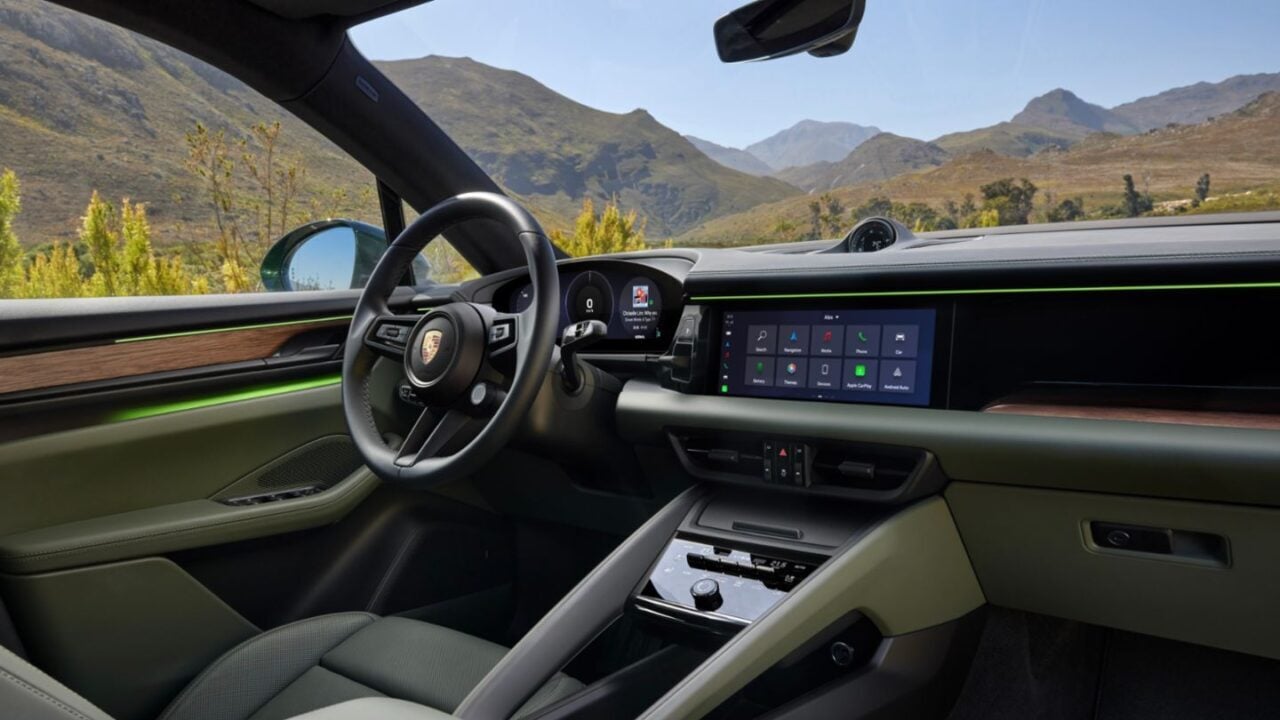
Interestingly, only two full-electric vehicles made this year’s top 10 list: the Mercedes-Benz CLA 250+ Electric and Porsche Macan 4S Electric. That indicates the market’s recent cooling toward EV demand compared with the aggressive expansion seen just a few years ago.
Still, both EVs impressed judges with thoughtful charging improvements and polished cabin experiences. Each vehicle includes separate charging ports for North American Charging Standard fast charging and Level 2 charging, reducing reliance on adapters and simplifying daily use.
Mercedes-Benz particularly leaned into emotional interior design with the CLA. Ambient lighting, wide digital displays, and coordinated sounds when entering the vehicle were all designed to make the cabin feel welcoming rather than purely technological.
Porsche took a different approach with the Macan 4S, emphasizing performance-focused ergonomics and premium materials while maintaining the brand’s familiar sports-car identity. Both vehicles demonstrate that EV interiors are beginning to mature beyond minimalist experimentation.
Car Interiors Are Becoming A Bigger Selling Point
Perhaps the clearest takeaway from this year’s Wards winners is that interiors are becoming central to how automakers differentiate themselves. As performance gaps narrow and EV powertrains become more standardized, cabin experience is increasingly where brands can stand apart.
Judges noted that nearly all winning vehicles featured stronger material quality, more thoughtful textures, and better seat comfort than expected. Sustainable materials also appeared across many interiors, even in mainstream models.
The average new vehicle price in America now hovers near $50,000, which makes interior quality feel more important than ever for buyers. Consumers increasingly expect premium experiences regardless of whether they are shopping for a compact sedan, crossover, or luxury EV.
The era of giant screens dominating every dashboard may not be ending entirely. What these winners suggest instead is that automakers are finally learning that great interiors need more than technology alone.