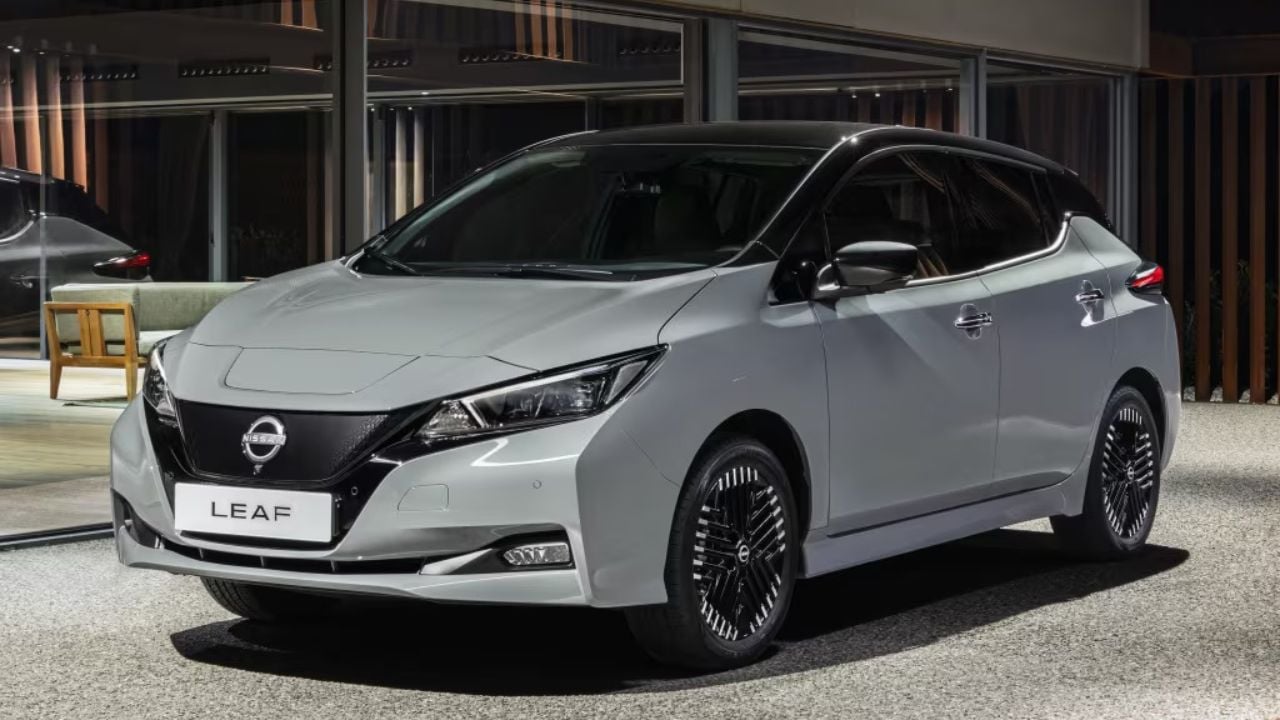
Owners of certain Nissan Leaf electric vehicles in Canada have filed a class action lawsuit alleging the automaker failed to properly fix a potentially dangerous battery defect linked to overheating and fire risks. The lawsuit targets 2019–2022 Nissan Leaf models equipped with Level 3 DC fast-charging capability through the CHAdeMO connector.
Filed in Quebec’s Superior Court, the case claims Nissan’s recall remedies and software updates have not resolved the underlying issue affecting the Leaf’s high-voltage lithium-ion battery packs. Plaintiffs argue the defect can still lead to overheating, melted charging components, electrical damage, and in some cases, battery fires.
The lawsuit arrives after Nissan previously issued recalls and warnings related to the affected vehicles. Owners were instructed to avoid using Level 3 fast chargers until a software-based fix became available, a restriction that many customers say undermines one of the vehicle’s core selling points.
The legal action also highlights growing scrutiny surrounding older EV battery designs as electric vehicles age and charging demands increase. Nissan’s first-generation mass-market EV architecture helped establish the Leaf as an early electric success story, yet newer complaints suggest some engineering limitations are becoming harder to ignore.
Plaintiffs Say Software Updates Cannot Solve the Problem
According to Car Complaints, the lawsuit states the affected Leafs use either 40-kWh or 62-kWh battery packs that are allegedly vulnerable to overheating and short circuits during repeated DC fast charging sessions. Plaintiffs claim excessive lithium deposits form on the battery anode, creating a condition that software monitoring alone cannot repair.
Owners argue Nissan’s current response focuses primarily on battery monitoring and limiting charging behavior rather than replacing defective hardware. The complaint alleges that customers effectively paid for fast-charging capability they can no longer safely use.
The lawsuit further claims Nissan warned drivers against using CHAdeMO fast chargers while waiting for software updates, leaving owners dependent on slower Level 2 charging. For many EV buyers, that significantly reduces the practicality of the vehicle, especially during long-distance travel.
Plaintiffs are seeking either full battery replacements or vehicle buybacks, arguing those are the only meaningful long-term solutions to the alleged defect.
The Canadian Lawsuit Mirrors Similar U.S. Claims

The Quebec case closely follows a separate class action lawsuit filed in California in 2025 against Nissan North America. That complaint, known as Proudfoot et al. v. Nissan North America, accused Nissan of selling 2019–2022 Leaf models with a known fire-risk defect tied to Level 3 fast charging.
The American lawsuit alleged Nissan failed to disclose that repeated fast charging could dangerously overheat the Leaf’s battery system. Plaintiffs also claimed Nissan marketed the Leaf’s fast-charging ability despite knowing the battery pack lacked a robust thermal management system found in many competing EVs.
According to court filings, some owners experienced dramatically reduced charging speeds as the car attempted to limit battery temperatures, while others allegedly reported overheating incidents and fires. The lawsuit argued Nissan’s proposed software remedies could not address the root cause of the battery issue.
One major point of criticism centered on the Leaf’s passive battery cooling design. Unlike many modern EVs that use liquid-cooled battery systems to regulate temperature during charging and operation, the affected Leaf models rely largely on passive air cooling.
That design was less controversial when the Leaf debuted more than a decade ago, but faster charging standards and increased battery capacities have placed greater thermal demands on modern electric vehicles.
CHAdeMO Charging Adds Another Layer to the Problem
The controversy also shines a spotlight on the aging CHAdeMO charging standard itself. Once widely used by Nissan and several Japanese automakers, CHAdeMO has steadily lost relevance as most manufacturers shifted toward CCS and, more recently, Tesla’s NACS charging standard.
Public charging infrastructure supporting CHAdeMO has become increasingly limited in North America, and some newer charging networks no longer prioritize the connector at all. For affected Leaf owners, losing access to fast charging further compounds an already difficult ownership experience.
The lawsuits claim Nissan continued advertising fast-charging convenience even as internal concerns about battery overheating emerged. Plaintiffs argue consumers would have reconsidered their purchase decisions had they known the vehicles could face charging restrictions or elevated fire risks.
Nissan has not publicly admitted wrongdoing in connection with either class action case. The automaker previously stated it was working on recall remedies and software solutions intended to reduce the possibility of overheating during fast charging.
Nissan’s Future EVs Move in a Different Direction
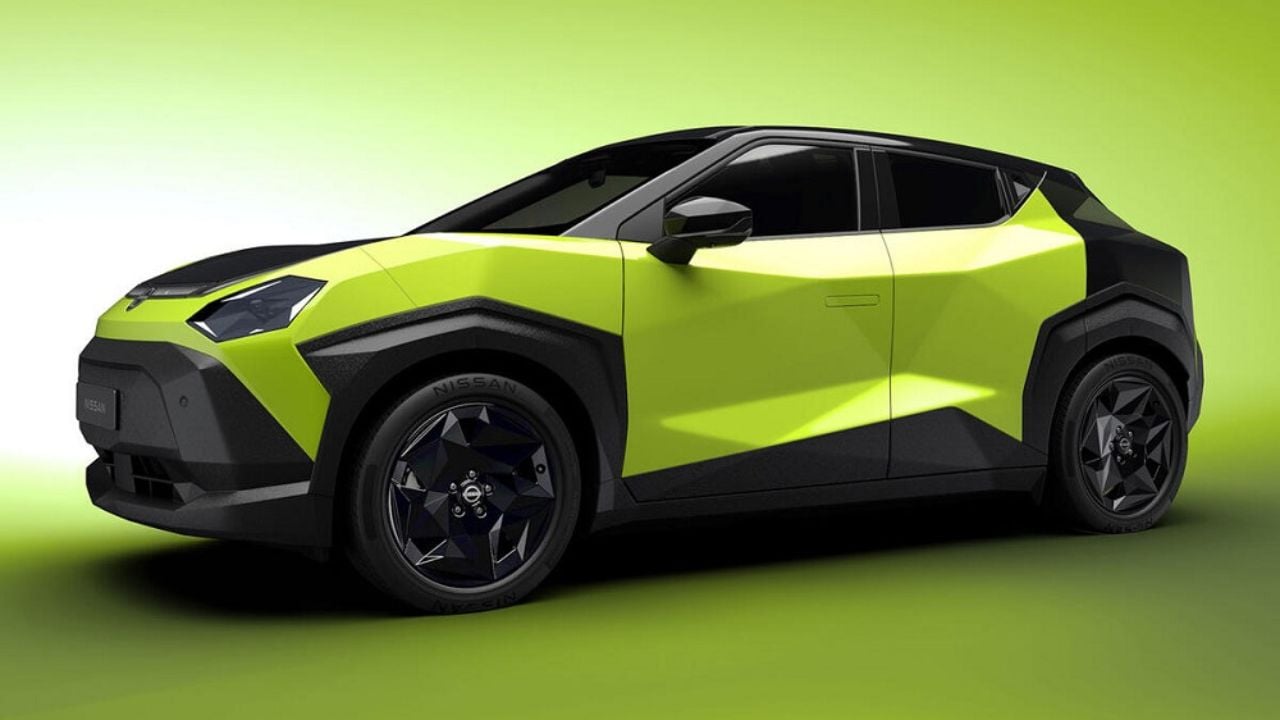
Interestingly, the lawsuits arrive as Nissan prepares the next generation of the Leaf, which is expected to adopt significantly updated battery technology and thermal management systems. Court filings in the U.S. case note that Nissan has already discussed future EVs using liquid-cooled battery packs.
That reflects general industry trends. Modern EV platforms increasingly rely on advanced cooling systems to maintain charging performance, battery longevity, and safety under repeated high-speed charging conditions.
The current legal challenges may ultimately become an important test case for how automakers handle aging EV battery technologies and recall solutions. As early mainstream electric vehicles move deeper into long-term ownership cycles, manufacturers could face increasing pressure to address battery-related defects with hardware replacements rather than software limitations alone.