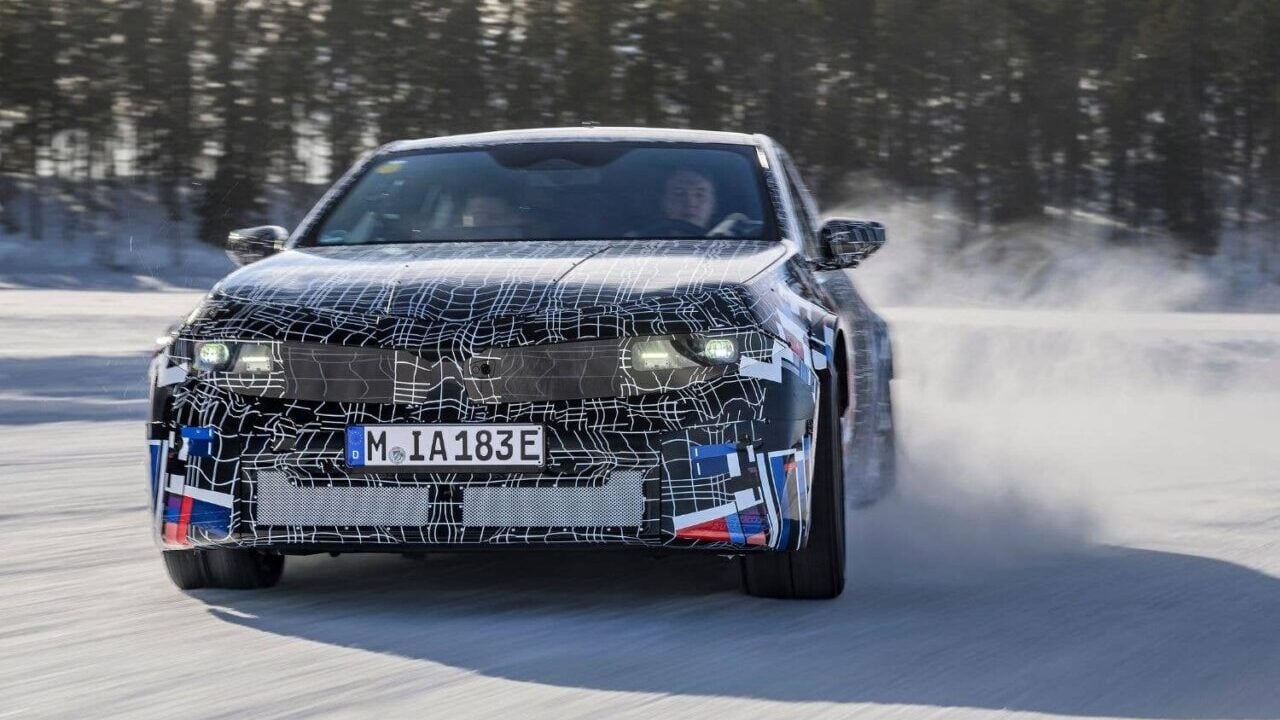
BMW is about to shake up one of its most iconic nameplates in a way that almost no one expected. The next-generation M3 will split into two distinct paths, with buyers choosing between a traditional gasoline-powered model and a fully electric version.
Both cars will wear the same badge and target the same audience, but they’ll deliver their performance in completely different ways.
What makes this even more interesting is that BMW isn’t positioning one as the “premium” option. Instead, both versions are expected to sit in roughly the same price range, meaning cost won’t be the deciding factor. That puts the focus squarely on preference, driving feel, and what buyers actually want from a modern performance car.
In a world where many automakers are going all-in on electrification, BMW is taking a more calculated approach. Rather than forcing loyal M customers into EVs, it’s giving them a choice, and that choice could define the future of the M3 for years to come.
One Badge, Two Completely Different Directions
For the first time in its history, the BMW M3 will exist as two fundamentally different cars at the same time. The electric version will be built on BMW’s new Neue Klasse architecture, designed specifically for EVs. Meanwhile, the internal combustion version will continue on an updated version of the familiar CLAR platform.
Despite these differences, BMW wants both cars to feel like part of the same family. Executives have described them as “twins,” with similar styling and shared design language. The goal is to ensure that no matter which version you choose, it still looks and feels like a proper M3.
The Electric M3 Could Rewrite The Rulebook
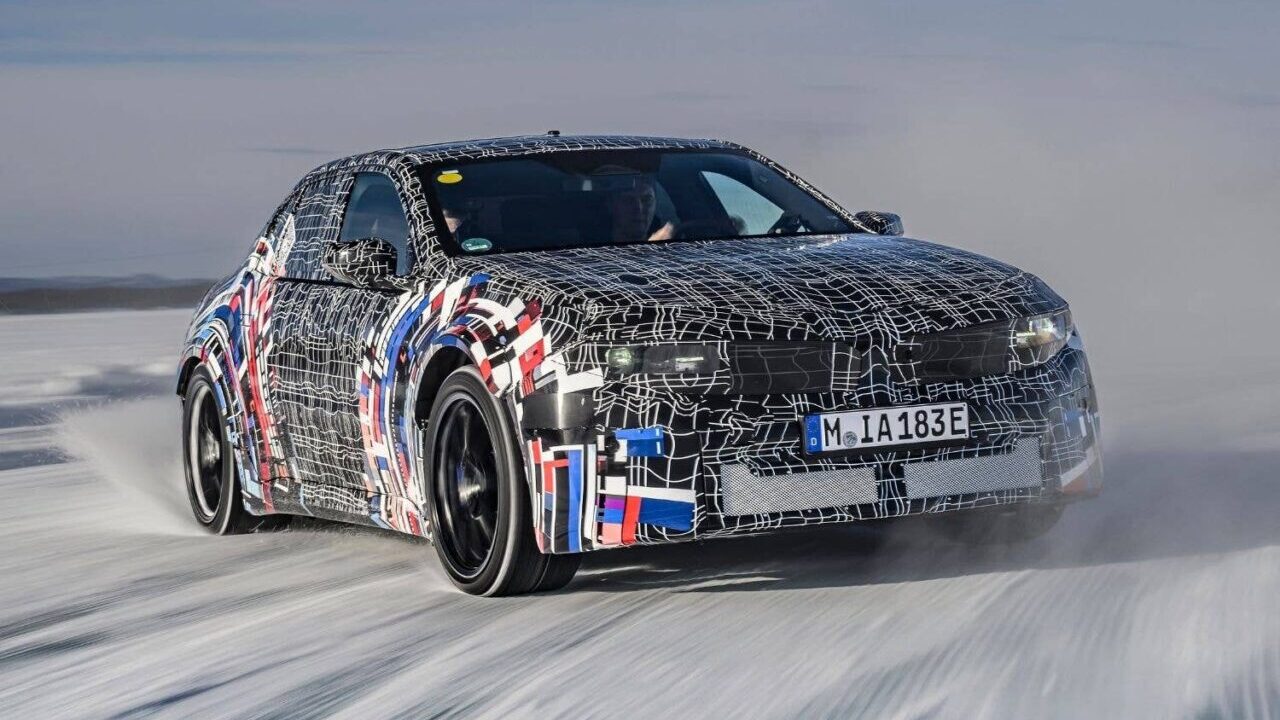
If early reports are anything to go by, the electric M3 will massively exceed the performance of its gas-powered sibling. The EV is expected to use a quad-motor setup, with one motor at each wheel. That opens the door to extreme levels of power and precision that traditional drivetrains simply can’t replicate.
Power output is rumored to be somewhere between 800 and 1,000 horsepower, which would make it the most powerful production M car ever built. Combined with advanced torque vectoring and near-instant power delivery, this could be one of the quickest sedans on the planet. On paper, it has the potential to outperform not just previous M3s, but also much more expensive performance cars.
The Gas-Powered M3 Keeps The Tradition Alive
For enthusiasts who still crave the sound and feel of a combustion engine, BMW isn’t closing the door. The next-generation ICE M3 is expected to retain the brand’s signature 3.0-liter twin-turbocharged inline-six engine. While mild-hybrid technology may be introduced, the core experience should remain familiar.
That’s an important move, especially considering the backlash some hybrid performance cars (ahem, M5, cough) have received for added weight and complexity. BMW appears to be learning from those lessons by keeping the combustion version relatively pure. It may not match the EV in outright power, but it will likely deliver the kind of engagement that long-time M fans expect.
Same Price, Very Different Value Proposition
Perhaps the most surprising part of this strategy is the pricing. BMW has confirmed that both the electric and gasoline M3 will be priced “in the same ballpark.” That removes one of the biggest barriers typically associated with EVs, where higher costs can push buyers toward traditional options.
With pricing no longer a factor, the decision becomes far more personal. Buyers will have to choose between cutting-edge electric performance and the familiar character of a high-revving inline-six. That makes this an emotional decision as much as a financial one.
Convincing The Die-Hard Enthusiasts
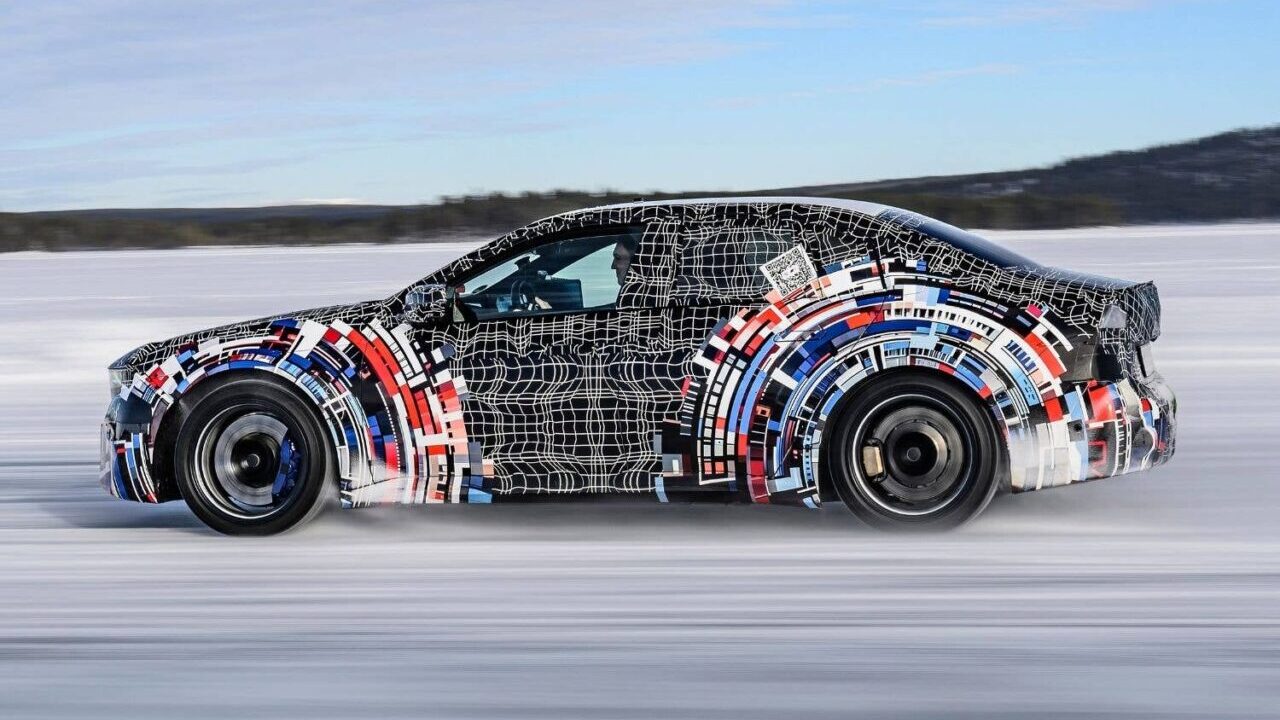
BMW knows that not everyone will be ready to make the jump to electric performance. That’s why the company is planning hands-on experiences to win over skeptics. Executives believe that once drivers actually get behind the wheel of the electric M3, some will change their minds.
Still, BMW isn’t expecting a complete shift. The company openly acknowledges that a portion of its audience will remain loyal to combustion engines. By offering both options, BMW avoids alienating either group and keeps its entire enthusiast base engaged.
A Smart Strategy In A Changing Market
This dual-approach strategy reflects BMW’s broader philosophy of flexibility. While some competitors have committed fully to electric vehicles, BMW continues to hedge its bets by offering multiple powertrain options. That approach has helped the brand navigate fluctuations in EV demand more effectively than others.
By applying this strategy to the M3, BMW is ensuring that the model remains relevant regardless of how the market evolves. If EV adoption accelerates, the electric M3 is ready to lead. If demand for combustion engines remains strong, the ICE version will continue to deliver.
The Ultimate Showdown Is Coming
What BMW is setting up here is not just a product launch, but a direct comparison between two philosophies of performance. Same badge, similar price, but completely different driving experiences. It’s a rare opportunity to see how electric and combustion performance stack up on equal footing.
For enthusiasts, this could be one of the most interesting moments in modern automotive history. The question isn’t just which M3 is faster, but which one feels better to drive. And that’s something no spec sheet can fully answer.