
Most drivers like to think they’re smart enough to pick their moments. Speed a little here, check your phone there, and everything will be fine as long as you don’t do both at once. That’s the logic, anyway.
The reality is a lot messier. Risky behavior behind the wheel doesn’t happen in isolation, and people don’t neatly separate one bad decision from another. Once a driver starts bending the rules, it becomes much easier to ignore more of them.
A new study from the Insurance Institute for Highway Safety (IIHS) puts numbers to something many suspected but didn’t fully understand. Drivers aren’t just speeding or using their phones, they’re increasingly doing both at the same time, and the faster they go, the more likely they are to reach for their devices.
That flips the old assumption on its head. For years, it was believed that drivers were more likely to use their phones at lower speeds, where things feel safer and more controlled. However, this new data shows that higher speeds and open roads may actually encourage even riskier behavior.
Speeding And Phone Use Go Hand In Hand
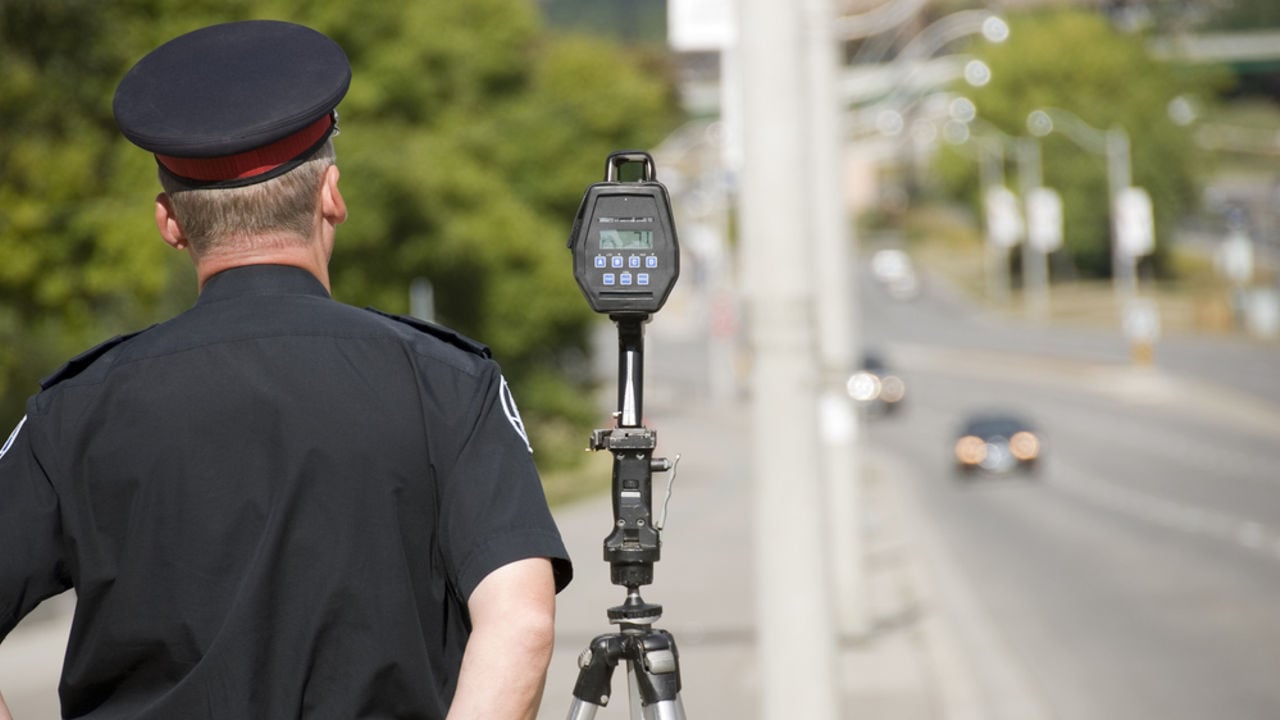
The study, conducted by the Insurance Institute for Highway Safety (IIHS), analyzed nearly 600,000 real-world trips across the United States. Instead of relying on surveys or simulations, researchers used data pulled from insurance tracking apps that monitor actual driving behavior.
That means speed, location, and phone movement were all tracked in real time. If a driver picked up their phone while driving, the system knew. The results show that for every 5 mph a driver exceeded the speed limit, phone use increased, sometimes significantly.
On highways, that increase was dramatic. Phone use jumped by about 12% for every 5 mph over the limit, showing just how quickly risk compounds at higher speeds.
High-Speed Roads Make It Worse
Interestingly, the problem isn’t evenly spread across all roads. Limited-access highways where traffic flows freely and interruptions are minimal showed the biggest spike in phone use.
That might sound counterintuitive at first. You’d think higher speeds would make drivers more cautious, but the opposite seems to happen. With fewer intersections, pedestrians, and stoplights to worry about, drivers feel more comfortable taking their attention off the road.
On smaller roads with more activity, the increase in phone use still exists, but it’s far less extreme. Drivers simply have more to deal with, so they’re less likely to divide their attention.
Risky Drivers Stack Risky Behaviors
One of the key takeaways here is psychological. Drivers who are willing to speed are often the same drivers willing to use their phones behind the wheel.
It’s a pattern of behavior, not a one-off decision. If someone is already ignoring one safety rule, they’re far more likely to ignore another.
There’s also the stress factor. Previous research has linked both speeding and phone use to stress, which may push drivers to multitask in ways they shouldn’t.
Then there’s the false sense of control. Open road, light traffic, and higher speeds act together to create the illusion that nothing can go wrong.
Higher Speed Limits Make The Problem Worse
The study also found that roads with higher speed limits amplify the issue even further. Drivers were even more likely to use their phones when speeding on faster roads compared to slower ones.
In simple terms, a driver doing 75 in a 70 is more likely to grab their phone than someone doing 35 in a 30. The environment matters, and high-speed roads seem to encourage bad habits.
That’s a dangerous combination. Higher speeds mean less reaction time, longer stopping distances, and more severe consequences when something goes wrong. Add phone distraction into the mix, and the margin for error basically disappears.
Technology Isn’t Fixing The Problem
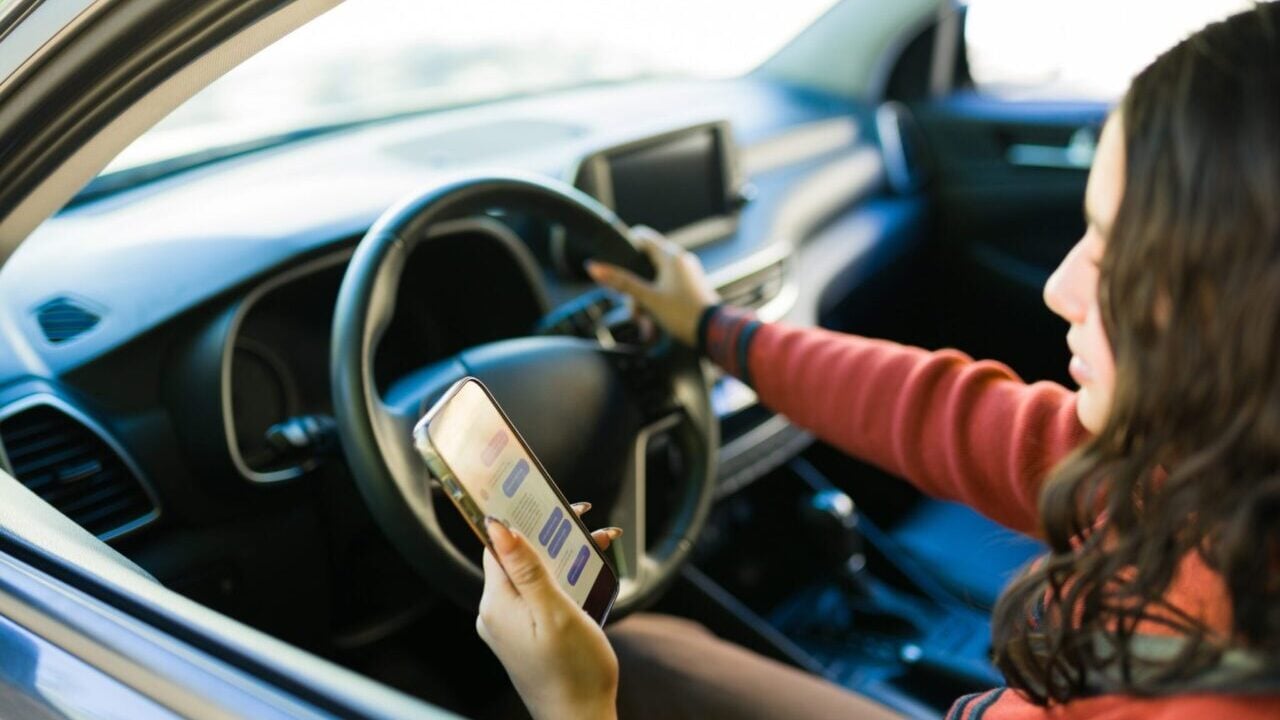
You might assume modern tech would help here. After all, most new cars come with systems like Apple CarPlay and Android Auto designed to reduce the need to touch your phone.
However, the data suggests drivers aren’t always using those systems as intended. Instead of relying on built-in interfaces, many still reach for their phones directly.
Even insurance apps that reward safe driving aren’t solving the issue. The same data used in this study comes from those apps, and clearly, they’re not stopping people from taking risks.
What Happens Next?
The IIHS says enforcement and messaging need to evolve. Instead of treating speeding and distracted driving as separate issues, they should be tackled together. That makes sense, because if the behaviors are linked, the solutions should be too.
That said, enforcement is tricky, especially on highways. It’s much easier to catch someone speeding than it is to prove they were using a phone at the same time.