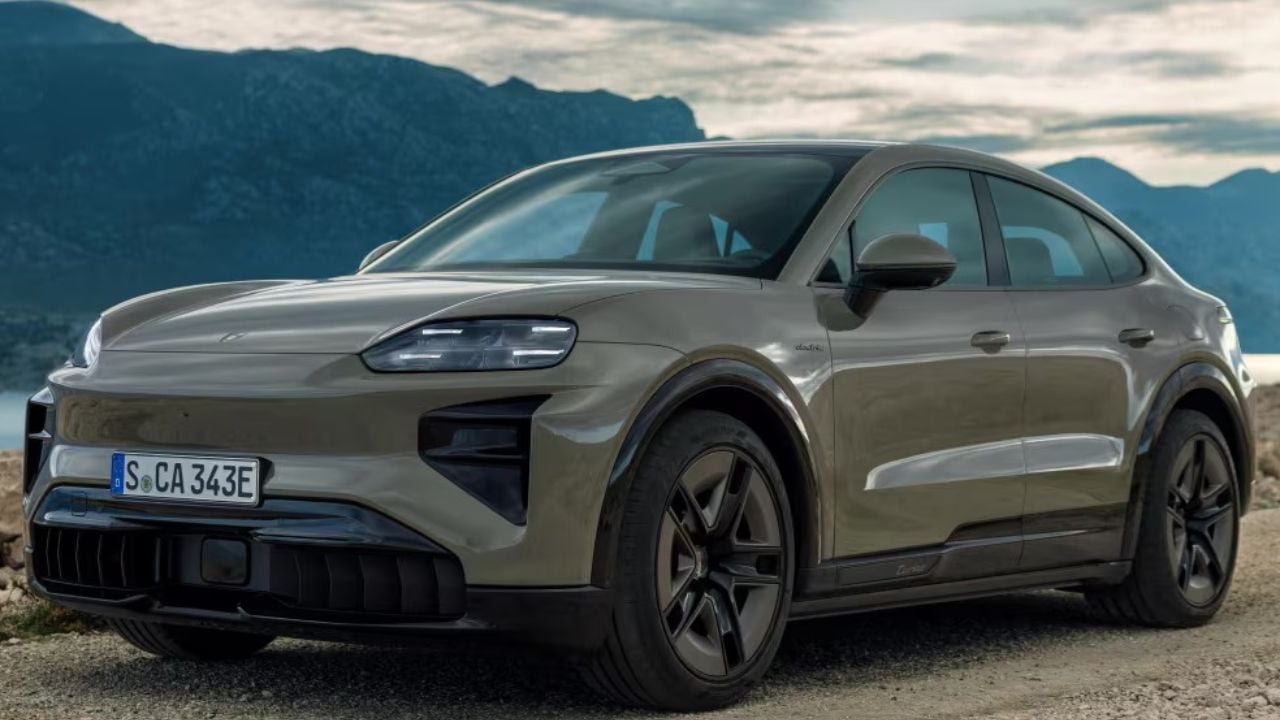
Personalization through optional equipment packages has long been a key part of Porsche’s modern brand identity. In many cases, those extras help turn an already expensive vehicle into something more focused, more exclusive, and more closely matched to the buyer’s taste.
The latest example involving the Cayenne Electric Coupe, however, raises a familiar question: how much real mechanical improvement does an expensive option actually deliver for the person behind the wheel?
This battery-powered SUV represents one of Porsche’s most ambitious engineering statements. In launch control mode, output rises above 1,000 hp, while the design takes inspiration from the legendary 911. With that kind of performance foundation, optional packages are expected to sharpen the vehicle further and make it feel even more special.
What The Lightweight Sport Package Adds
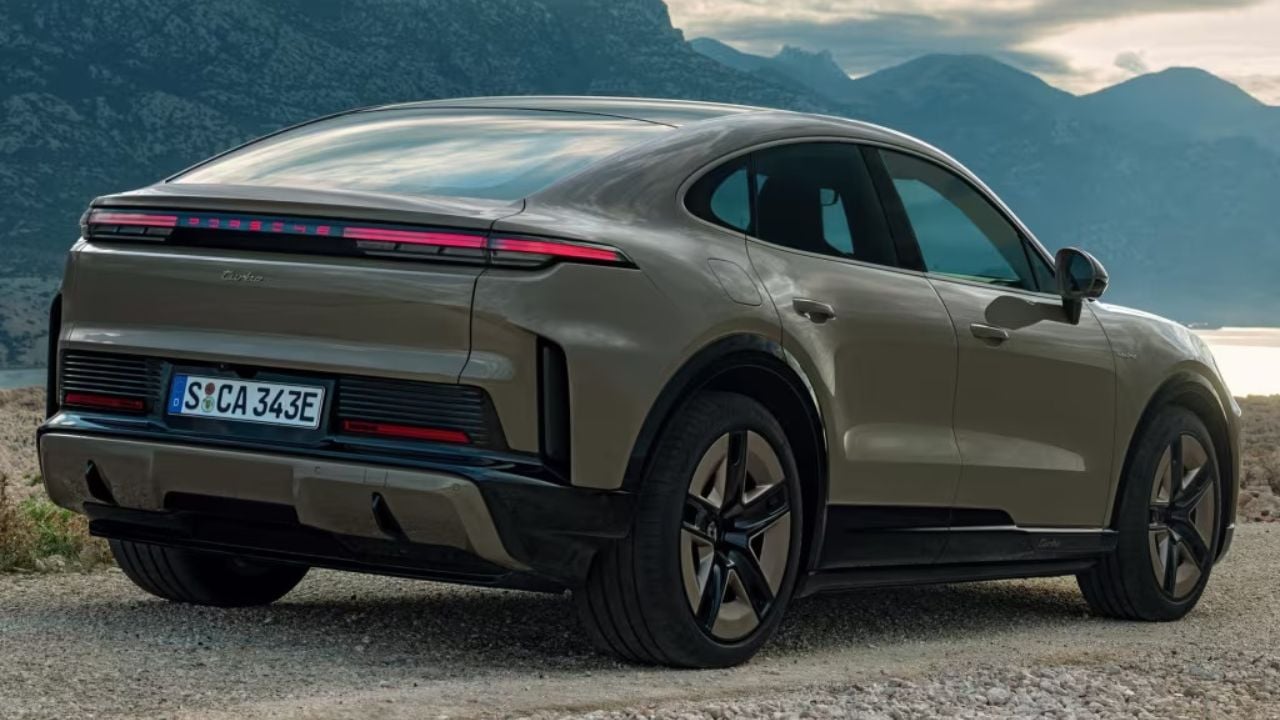
One of the most noticeable extras is the Lightweight Sport package. On paper, it is a carefully developed set of components that includes a carbon fiber roof, 22-inch forged aluminum wheels, specific aerodynamic elements, and an interior finished with materials such as Race Tex and carbon fiber.
The purpose of these changes is clear. Porsche wants to reduce weight and improve weight distribution, especially in the upper areas of the vehicle.
That idea makes sense from an engineering perspective. Reducing weight high in the body can help lower the center of gravity, which can benefit stability and handling. In a large electric SUV, where the battery pack already adds major mass, every technical gain matters.
The Actual Weight Savings Are Modest
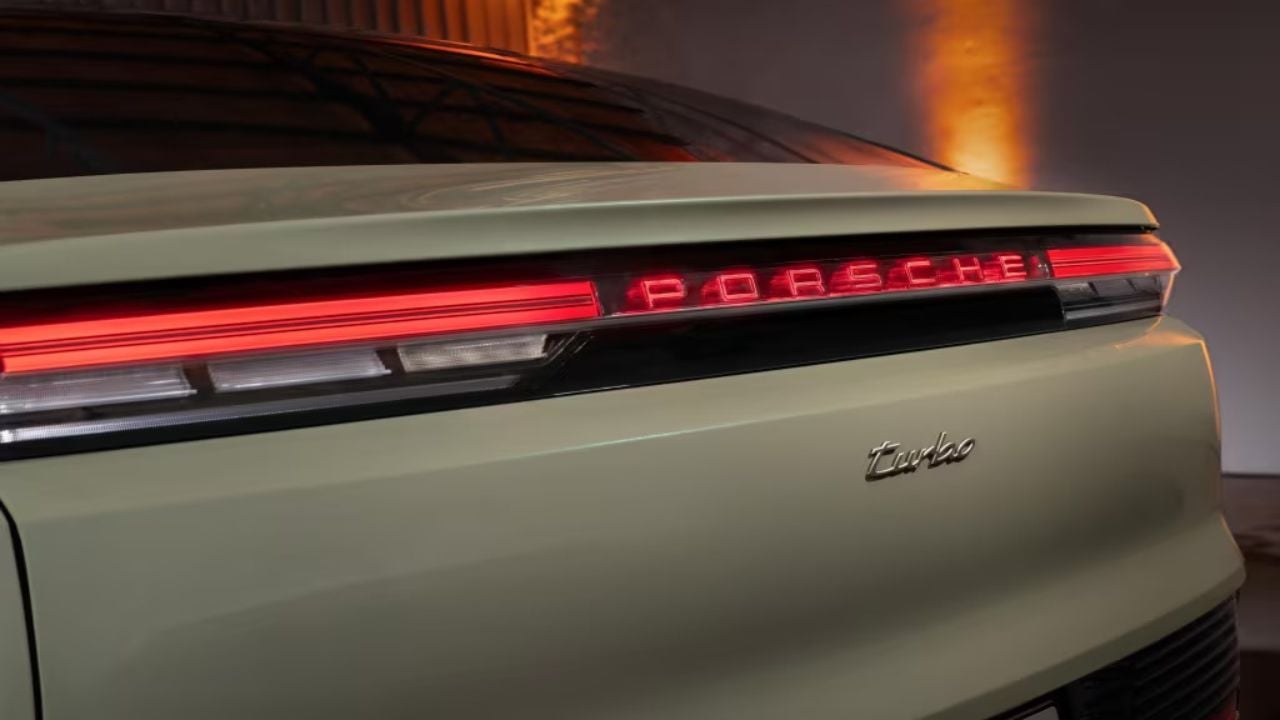
The concrete result, however, is a weight reduction of around 39 pounds. In relative terms, that is a very small percentage of the total weight of a large battery electric SUV.
Despite that, the package costs around $19,000 on the base version. That makes it one of the more expensive options in the configurator.
The base Cayenne Electric Coupe starts at around $111,000, while the S Coupe Electric moves past $127,000. The Turbo Coupe Electric reaches roughly $164,000. In that price environment, an additional cost for a relatively limited weight reduction naturally raises questions about value, especially for buyers who will use the vehicle mostly in everyday conditions.
Why The Turbo Package Costs Less
Interestingly, the same package is significantly cheaper on the Turbo version, where it costs around $11,000. The reason is that the Turbo already includes some advanced components as standard equipment, reducing the number of additional changes needed to complete the package.
That price difference also shows how complex Porsche’s option structure can be. The same name may not always represent the same added content across different trims, because some versions already start with a higher level of equipment.
From a mechanical standpoint, some parts of the package do have a real effect. The carbon fiber roof, for example, removes weight from one of the highest points of the vehicle, which can help improve balance and reduce body movement.
Still, in the context of a vehicle this large and heavy, the overall impact remains limited.
Performance Focus Brings Some Compromises
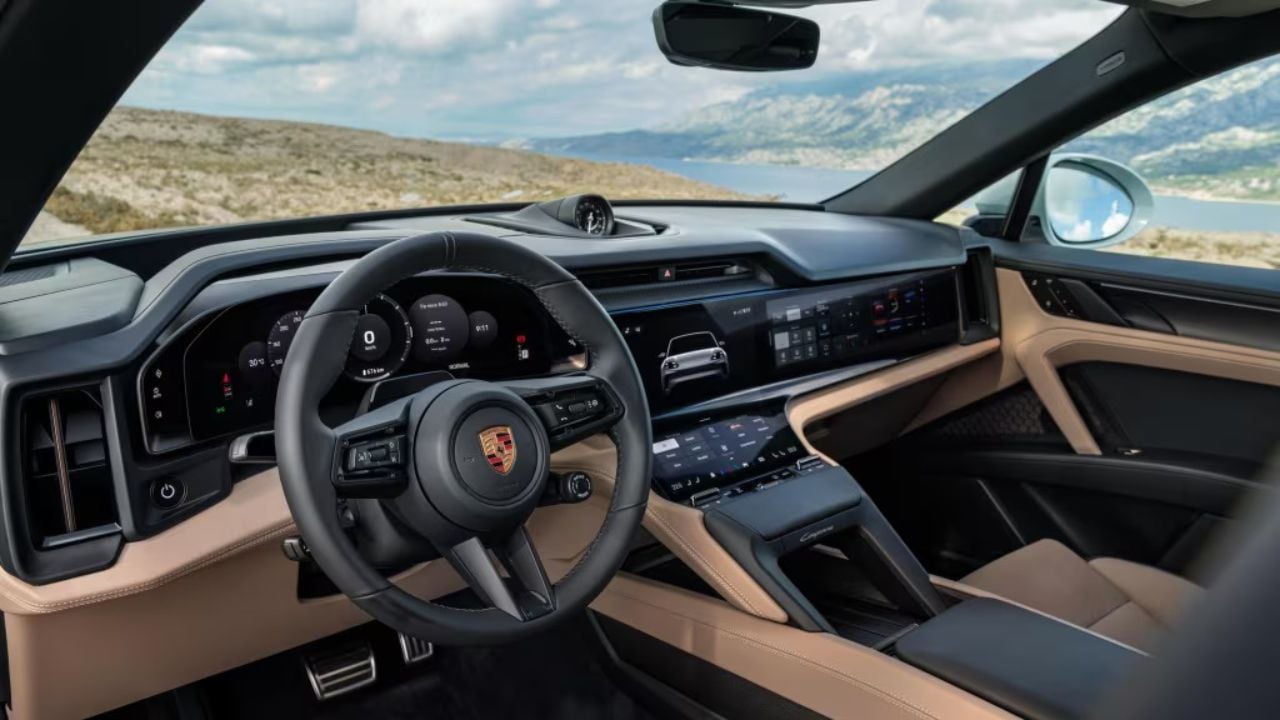
The package also brings certain compromises. Some standard comfort features can be removed, including the panoramic glass roof. That reinforces the performance focus, but it also reduces the level of comfort and openness that many buyers expect in this segment. For a customer buying a large luxury electric SUV, that tradeoff may matter just as much as the weight savings.
In the end, the Lightweight Sport package is a typical example of Porsche’s approach. It shows engineering precision, attention to detail, and a strong focus on exclusivity.
Its real value, however, depends entirely on the buyer’s priorities. For someone who wants maximum optimization, a more distinctive specification, and every possible performance-related detail, the package can make sense. For a broader group of owners, its contribution in daily use will likely feel small compared with its price. In that sense, this package says more about Porsche’s philosophy than it does about redefining performance in the electric SUV segment.
This article originally appeared on Autorepublika.com and has been republished with permission by Guessing Headlights. AI-assisted translation was used, followed by human editing and review.