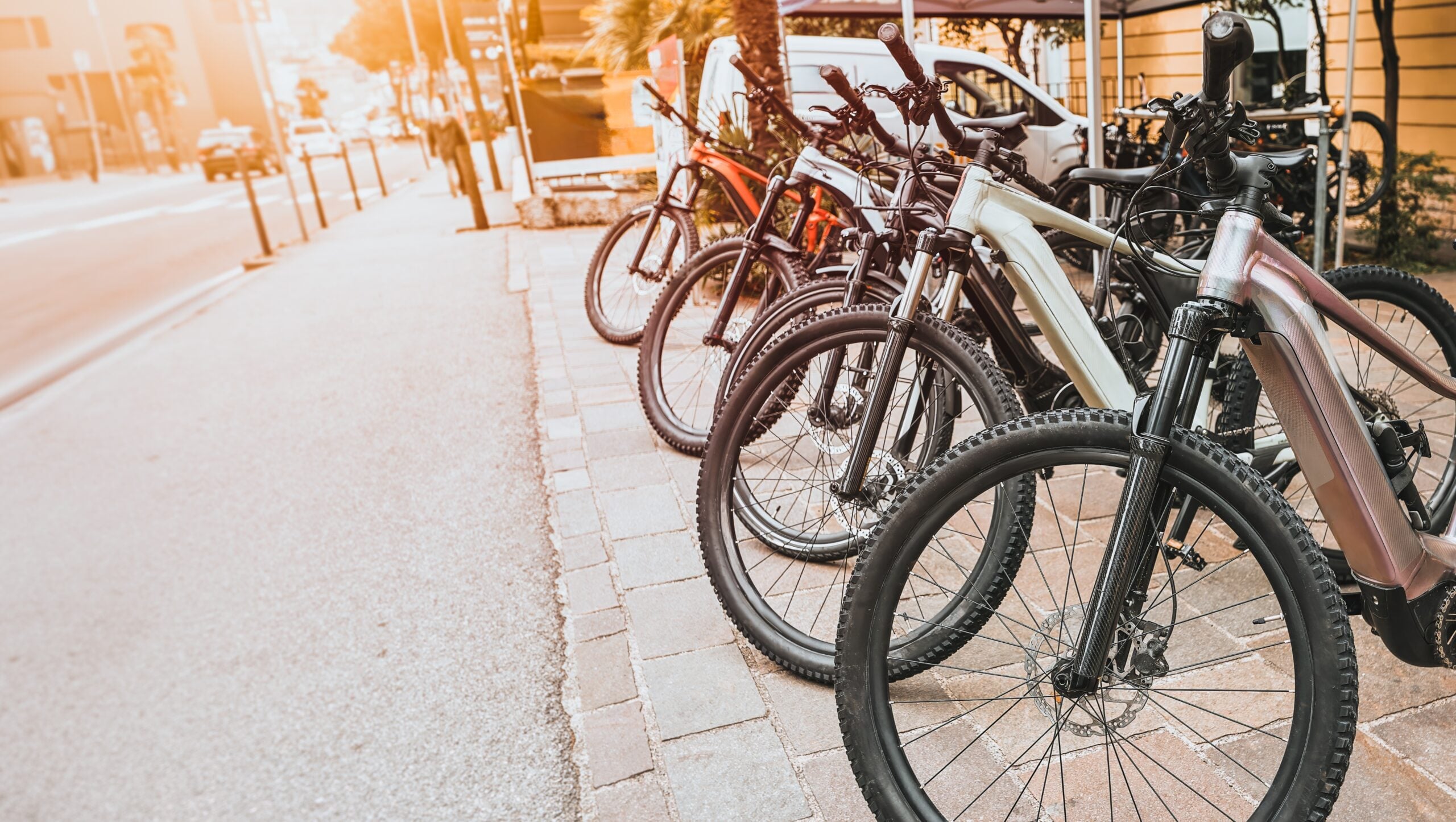
Two bills moving through the California legislature this year could change how e-bikes are bought, ridden, and regulated across the state. One would require riders of certain electric bikes to register their vehicles with the DMV and slap a license plate on the frame. The other would reduce the top speed that e-bikes for children are allowed to reach. If you are a daily commuter, a weekend rider, or a parent who just bought their kid a new electric bike, this news is worth paying attention to.
The bills are being pitched as a safety measure, and the lawmakers behind them say the surge in e-bike usage, especially among teens and tweens in suburban areas, has created real enforcement headaches for local police. Without license plates, officers say it is nearly impossible to ticket a rider safely without chasing them down, which creates its own set of dangers.
Not everyone is buying the logic, though. Cyclists in San Francisco, advocates from the bike community, and even local shop owners are pushing back hard, arguing the bills target the wrong problem entirely. Their concern is that punishing legitimate e-bike riders does nothing to address the real culprits, which many say are illegally modified bikes and mislabeled electric mopeds being sold as e-bikes.
The two bills, AB 1942 and AB 1557, are still in committee review. If either clears the legislative hurdle and gets signed, they would take effect on January 1. That gives everyone from lawmakers to manufacturers very little time to figure out the details, some of which, by the author’s own admission, have not been worked out yet.
What the Bills Actually Say
AB 1942 would require anyone riding a Class 2 or Class 3 e-bike to register the vehicle with the California DMV and display a license plate while riding. Under current law, e-bikes fall into three categories. Class 1 bikes use a pedal-assist motor that cuts off at 20 mph. Class 2 bikes add a throttle so you can accelerate without pedaling, also capping at 20 mph. Class 3 bikes use pedal-assist but can reach up to 28 mph before the motor stops helping, and riders must be at least 16 years old.
AB 1557 targets Class 1 and Class 2 bikes specifically, which are the models children under 16 are legally allowed to ride. The bill would cap motor output at 750 watts and lower the speed at which motor assistance kicks off from 20 mph down to 16 mph.
One additional bill, SB 1167, is also circulating and would ban electric mopeds with more than 750 watts of power that can exceed 20 mph from being marketed or sold as e-bikes, which gets at the confusion many say is the actual root of the problem.
Why Lawmakers Say This Is Necessary
Assemblymember Rebecca Bauer-Kahan, the East Bay legislator behind the license plate bill, says law enforcement in her district has been raising concerns for some time. Officers told her they are seeing dangerous speeds from electric bikes but have no practical way to issue citations without putting themselves or others at risk. A license plate changes that equation.
She also pointed out that the rise of e-bikes among younger riders has made it harder to know at a glance whether a child is legally riding an age-appropriate e-bike, operating an illegally modified one, or cruising around on an electric moped that is not supposed to be on public roads at all.
The author of AB 1557, Assemblymember Diane Papan, framed her bill around child safety. She noted that some e-bike models are advertised as meeting federal power limits but can briefly surge well beyond them in real-world use. Papan also pointed out that the proposed speed and power limits would align California with European Union standards, which she argued would not create significant problems for bike manufacturers. For adult riders who want more speed or power, she noted there are already higher-class options available.
What Cyclists and Industry Insiders Are Saying
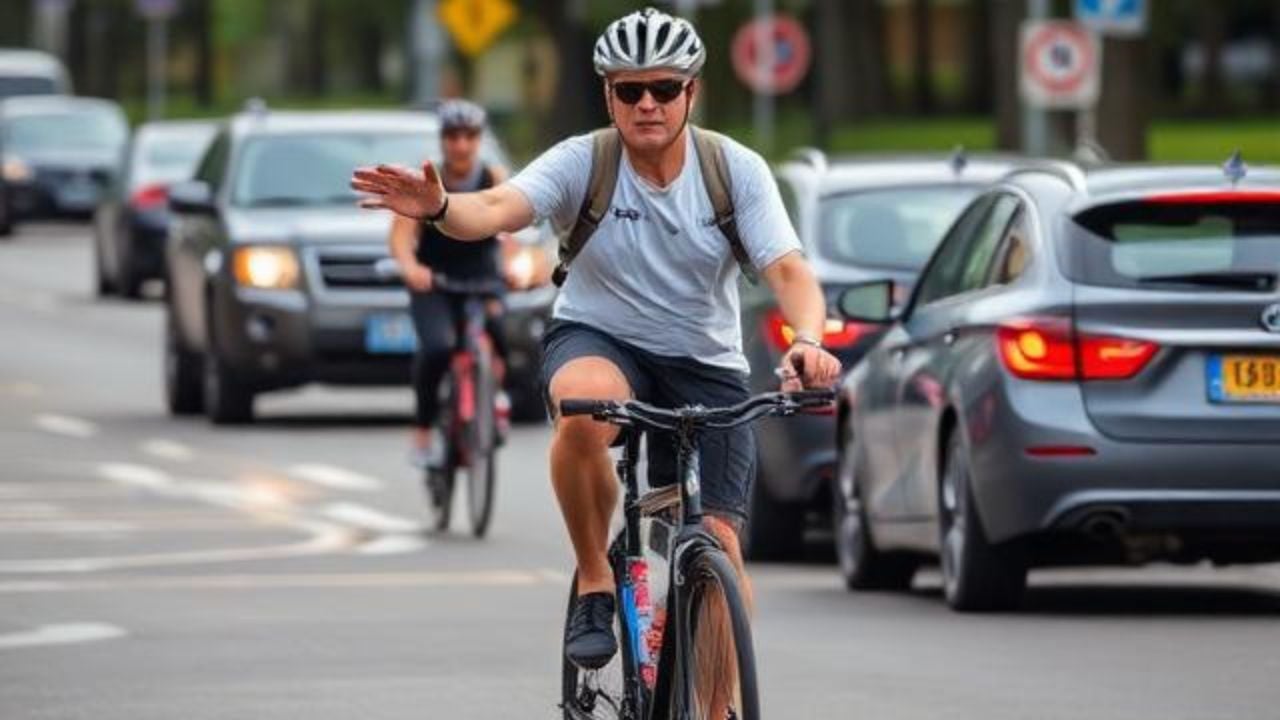
The response from riders and cycling advocates has been swift and largely negative, though not without some nuance. Riders interviewed in San Francisco acknowledged the issues around food delivery cyclists who block sidewalks or run red lights but worried that broad regulation would discourage the very people lawmakers should be trying to help: car commuters who might switch to bikes.
The San Francisco Bicycle Coalition weighed in with a pointed response, arguing that the state should be making it easier, not harder, to own and use e-bikes. Their senior organizer echoed the sentiment shared by many riders: the real confusion and danger comes from people not being able to tell the difference between a legal e-bike and an electric moped, not from the bikes themselves.
Brett Thurber, co-owner of a San Francisco e-bike shop, raised a practical industry concern about AB 1557. Restricting California’s speed limits below what manufacturers currently build for the U.S. market could push companies to skip California customers entirely, shrinking the supply available to local shops and consumers.
What We Can Learn From This Debate
The e-bike licensing debate is really a symptom of a much broader challenge: public policy often struggles to keep pace with fast-moving consumer technology. When e-bikes first arrived on the market, the three-class system made reasonable sense. But the explosion in popularity, combined with a flood of cheaper electric mopeds being sold under the “e-bike” label, has created a regulatory gray zone that nobody planned for.
The more useful takeaway here is about what good regulation actually requires. Lawmakers need precise definitions before writing enforcement laws. Assemblymember Bauer-Kahan admitted during interviews that the specifics of what kind of plate e-bikes would display and how they would be categorized by the DMV have not been settled. Writing a law before the core details are figured out is a recipe for confusion at best and unintended consequences at worst.
The e-moto mislabeling problem is also a reminder that consumer protection enforcement matters. Parents buying what they believe is a safe, kid-appropriate e-bike and ending up with a high-powered electric moped is not a fringe scenario. Better labeling requirements and point-of-sale enforcement could address a significant chunk of the safety concerns without penalizing the millions of riders using legal, properly classified e-bikes every day.
Whether either bill passes this session remains to be seen. But the conversation they have sparked is one California, and honestly most states with growing e-bike populations, will need to have sooner or later.