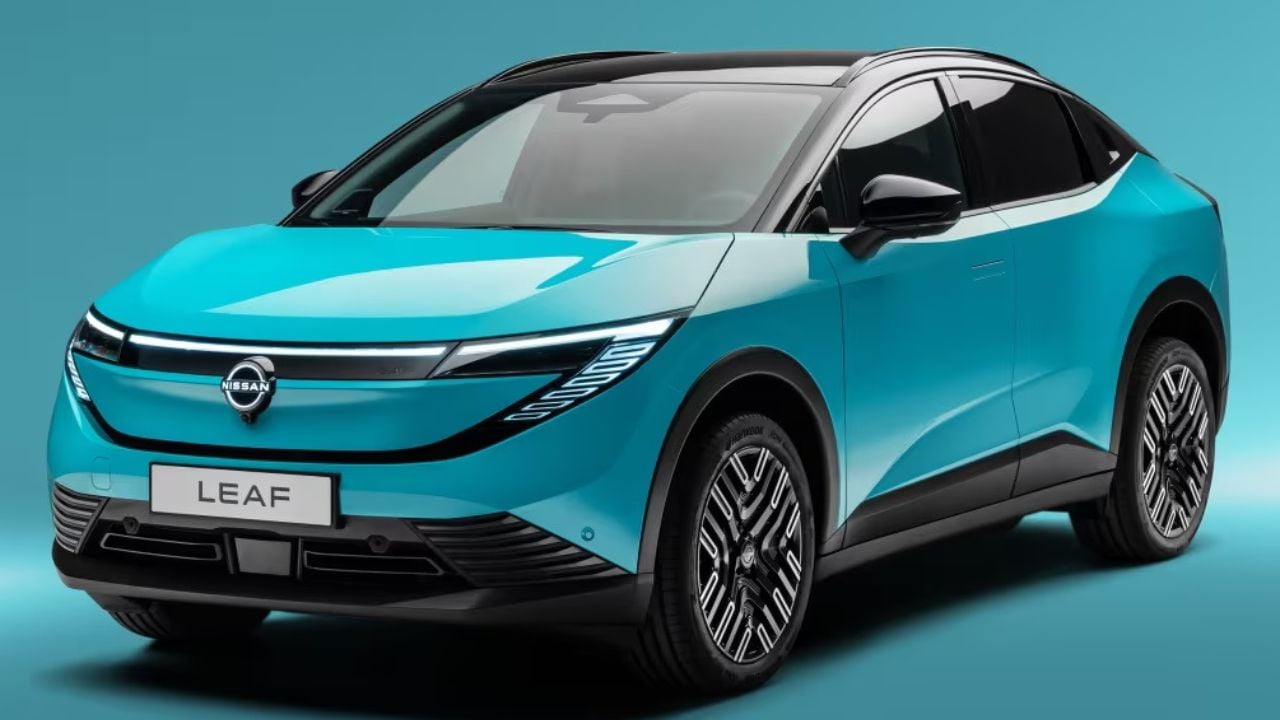
The global auto industry has started to look more like a chess match in recent months, with moves that are not always obvious at first glance. Nissan has now made one of those decisions that could change the direction of the game.
Although electrification once seemed like an unstoppable path, the reality of the U.S. market has pushed the company into a strategic adjustment that will be felt across the industry.
While attention has been focused on the updated Leaf, a possible sportier interpretation from Nismo, and future icons such as the next generation GT-R, the real story is unfolding far from the auto show floor. It is happening at Nissan’s plant in Canton, Mississippi.
The facility, which covers about 4.7 million square feet, will no longer be the center of Nissan’s electric transformation as originally planned.
Canton Returns To A Proven Formula
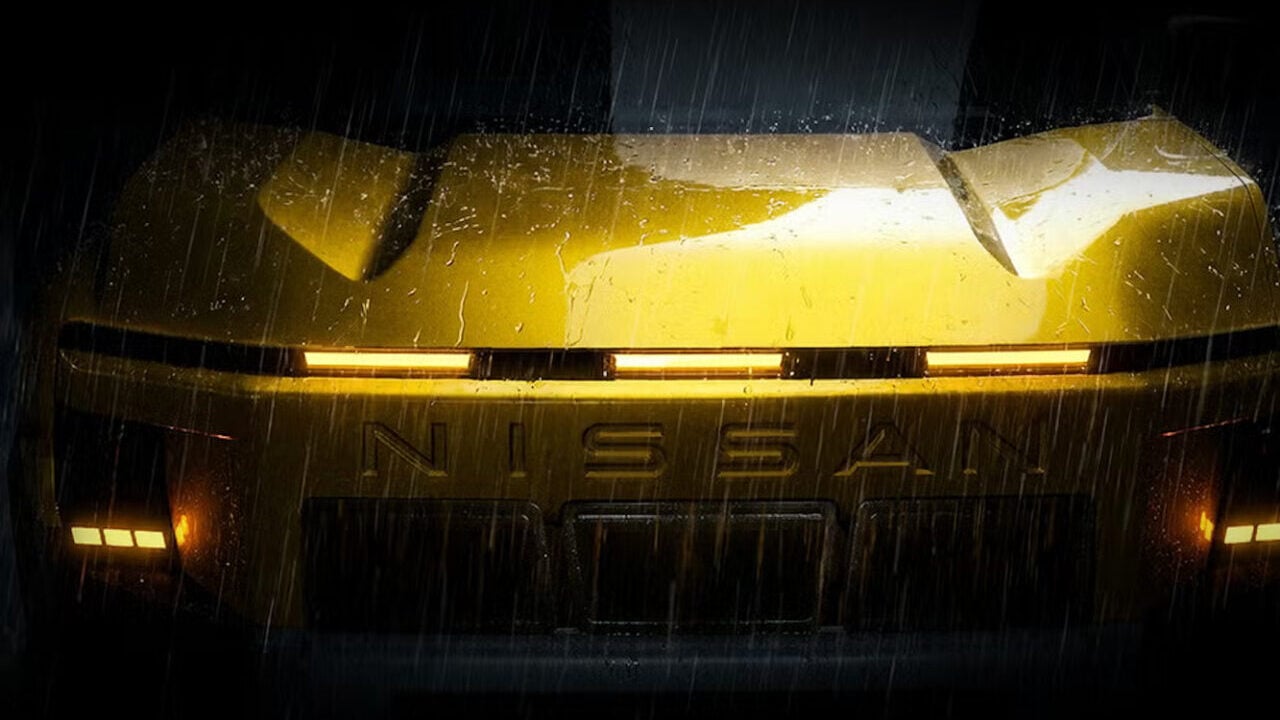
The decision to abandon production of fully electric vehicles at the Canton site was made in late April 2026, after a detailed review of the market and customer behavior.
Instead, the production lines are returning to a more proven formula: pickups and SUVs with internal combustion engines. The familiar Frontier and Altima will continue production, but the focus is clearly shifting toward a new generation of rugged models.
At the center of that strategy is the return of the Xterra. When it reaches the market in late 2028, the revived SUV is expected to balance traditional capability with modern technology.
It will remain a body-on-frame SUV, but with an electrified powertrain. This will not be a pure battery electric vehicle. Instead, Nissan appears to be moving toward a more practical approach that combines efficiency and usability, likely through its e-Power system.
A New Platform For Several Models
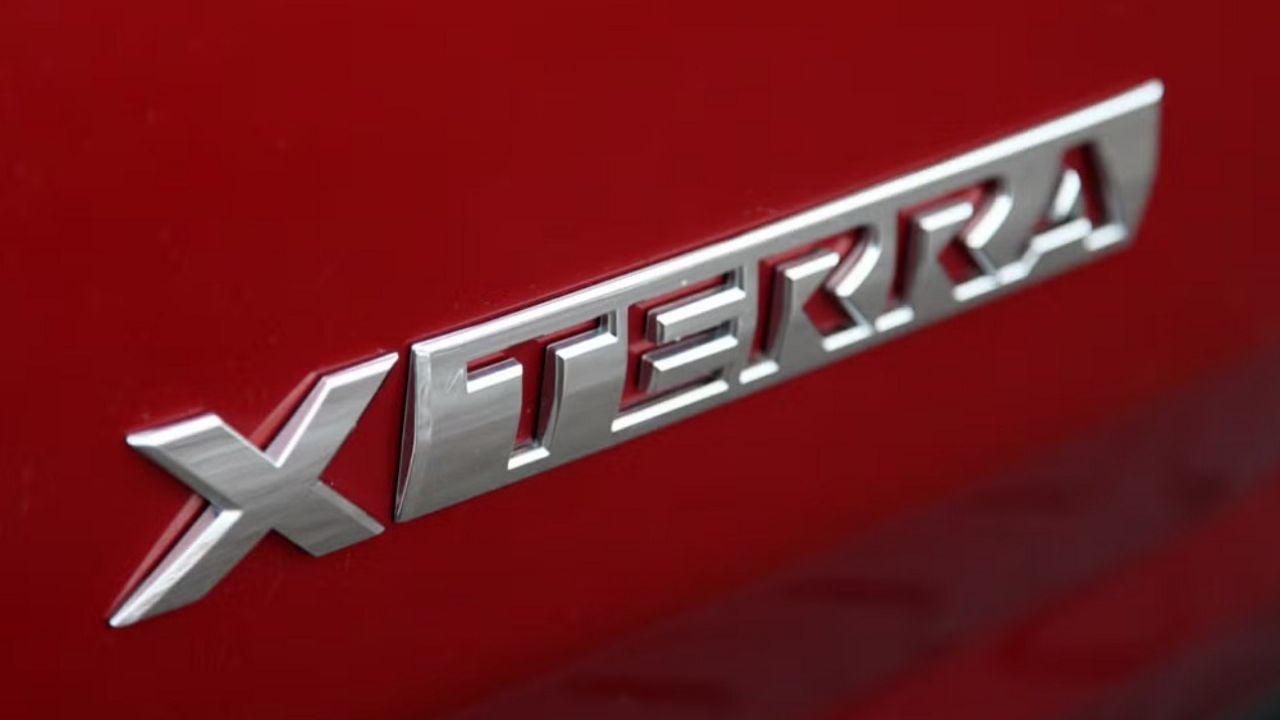
The new platform that will support the Xterra is expected to become the foundation for an entire family of vehicles. After the Xterra, Nissan plans to introduce the next generation Frontier, as well as a large three-row SUV.
Sharing the same architecture across several models allows the company to reduce costs and improve production flexibility. Those advantages matter more than ever at a time when the industry is facing an uncertain transition.
This shift is especially important because Nissan announced major investments in the same plant back in 2021. At that time, the goal was to develop battery electric vehicles and batteries for both Nissan and Infiniti.
The company also set an ambitious target of 200,000 annual EV sales in the United States by 2028. Today, that plan looks like a product of a more optimistic moment in the market.
The Ariya Shows The Challenge
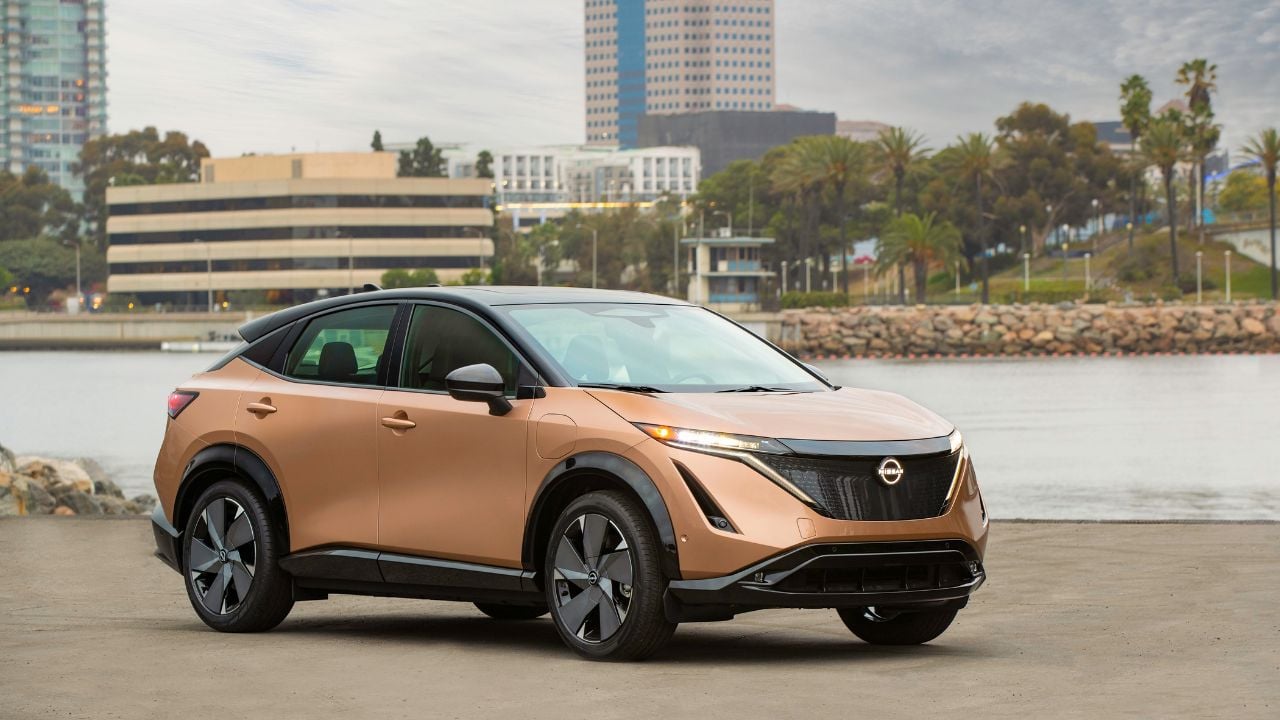
The Ariya was supposed to be one of the key models in Nissan’s electric offensive, but it has not met expectations. It will be removed from the lineup later this year, adding further evidence that buyers are still not fully ready to move exclusively to battery power.
That is especially true in segments where customers expect strength, range, durability, and towing confidence. For many truck and SUV buyers, an electrified solution may make sense, but a fully electric one still needs to answer questions about charging, cost, cold-weather performance, and long-distance usability.
Similar trends can be seen at other automakers. Even companies such as Geely are investing more heavily in improved hybrid powertrains and efficient internal combustion engines. That suggests electrification will not be the only path forward, at least in the near term.
Nissan Still Has An Electric Future
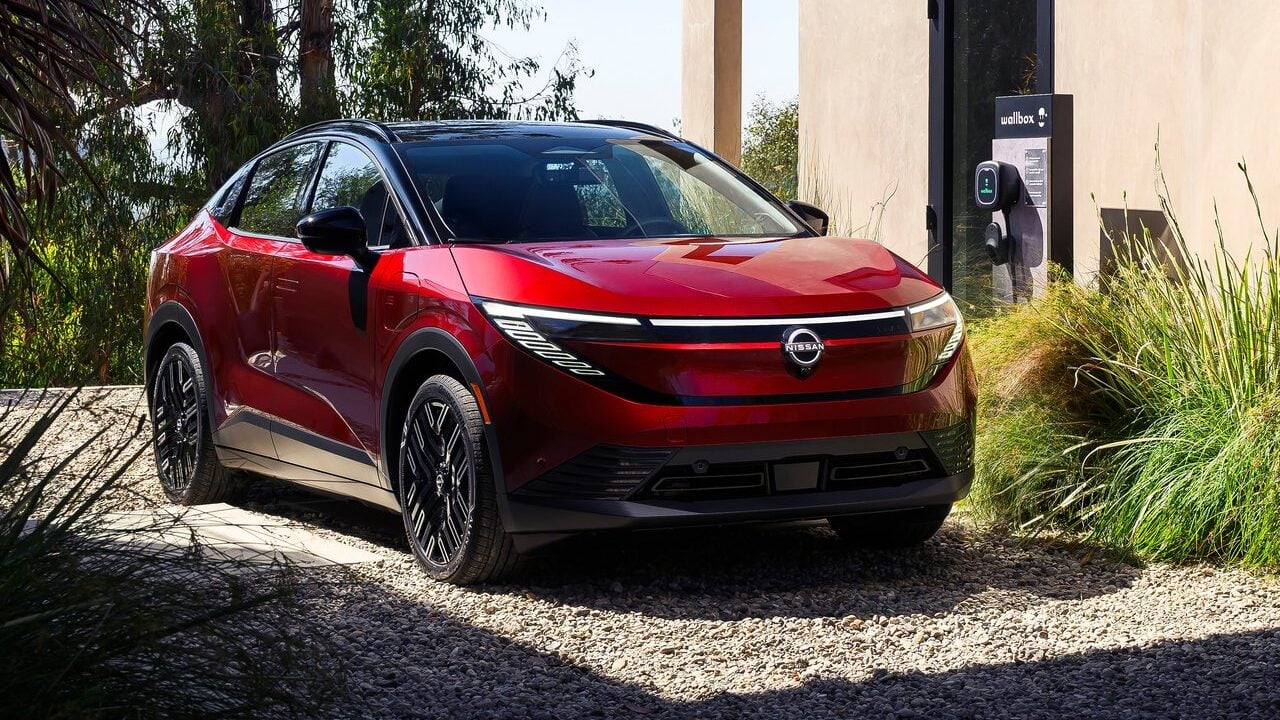
Nissan is not closing the door on the future. The development of solid-state batteries is still moving forward, and battery-electric models remain part of the company’s long-term strategy.
The difference is that Nissan is now placing greater emphasis on balance. The company appears to be trying to match innovation with what buyers are actually willing to purchase today.
That approach could prove important in North America, where trucks and SUVs remain central to the market. A rugged Xterra with an electrified powertrain may have a much stronger chance of success than a pure EV that arrives before customers are ready for it.
Nissan is also redefining its broader strategy with the goal of reaching annual sales of 1 million vehicles in North America by the beginning of 2031. Local production, carefully chosen models, and flexible platforms could become the key to survival and growth in a decade that will redefine the automobile as a product.
This move may look like a step back from the battery-electric vision. In reality, it is an adjustment to the pace at which customers want to move forward.
In the auto industry, that can often be the difference between survival and being forgotten.
This article originally appeared on Autorepublika.com and has been republished with permission by Guessing Headlights. AI-assisted translation was used, followed by human editing and review.