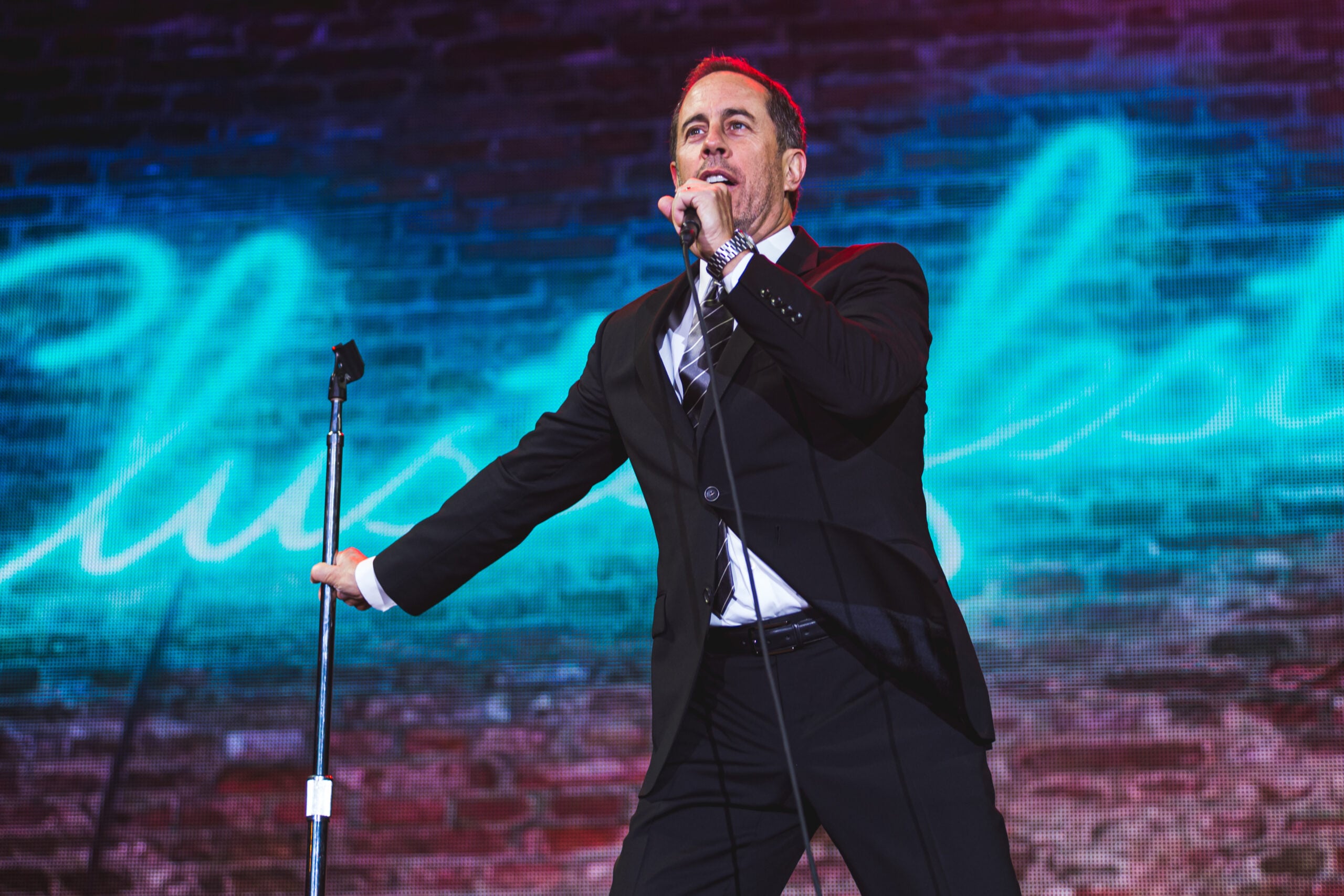
Jerry Seinfeld has built a career on finding the absurdity in everyday life, so it probably should not surprise anyone that he has plenty to say about electric vehicles. In a recent interview with AirMail, the 72-year-old comedian did not mince words when asked about the EV movement, calling it a “big, stupid virtue signal” and questioning the environmental logic behind lithium-ion batteries. For a guy whose car collection is, by his own admission, sized at a level that “would not make sense” to most people, Seinfeld has clearly given this topic more thought than your average car owner.
The comedian is best known for obsessing over Porsches, both on television and in real life. His very first was a 1958 356 Speedster, purchased right after he cashed his paycheck from the first four episodes of the show that made him a household name. He did not buy it as a showpiece either. He drove it as a daily car in Los Angeles for years, which tells you a lot about the man’s relationship with automobiles. For Seinfeld, cars are not status symbols. They are something closer to a personal philosophy.
So when someone who genuinely loves cars at that level tells you he is “not interested in electric cars at all,” it lands a little differently than the usual gas-versus-electric debate. This is not someone who cannot tell a carburetor from a coffee maker. This is a collector with an encyclopedic knowledge of automotive history, and his skepticism about EVs comes from a real place, even if his delivery is pure Seinfeld.
Of course, the EV debate is more complicated than any one celebrity’s take. Automakers, environmentalists, and ordinary drivers are all wrestling with the real trade-offs involved in transitioning away from combustion engines. Seinfeld’s comments about lithium mining are not entirely without basis, even if his conclusion is more colorful than a policy white paper. The conversation he is wading into is one that the entire industry is still figuring out.
What Seinfeld Actually Said, and Why It Is Funnier Than It Sounds
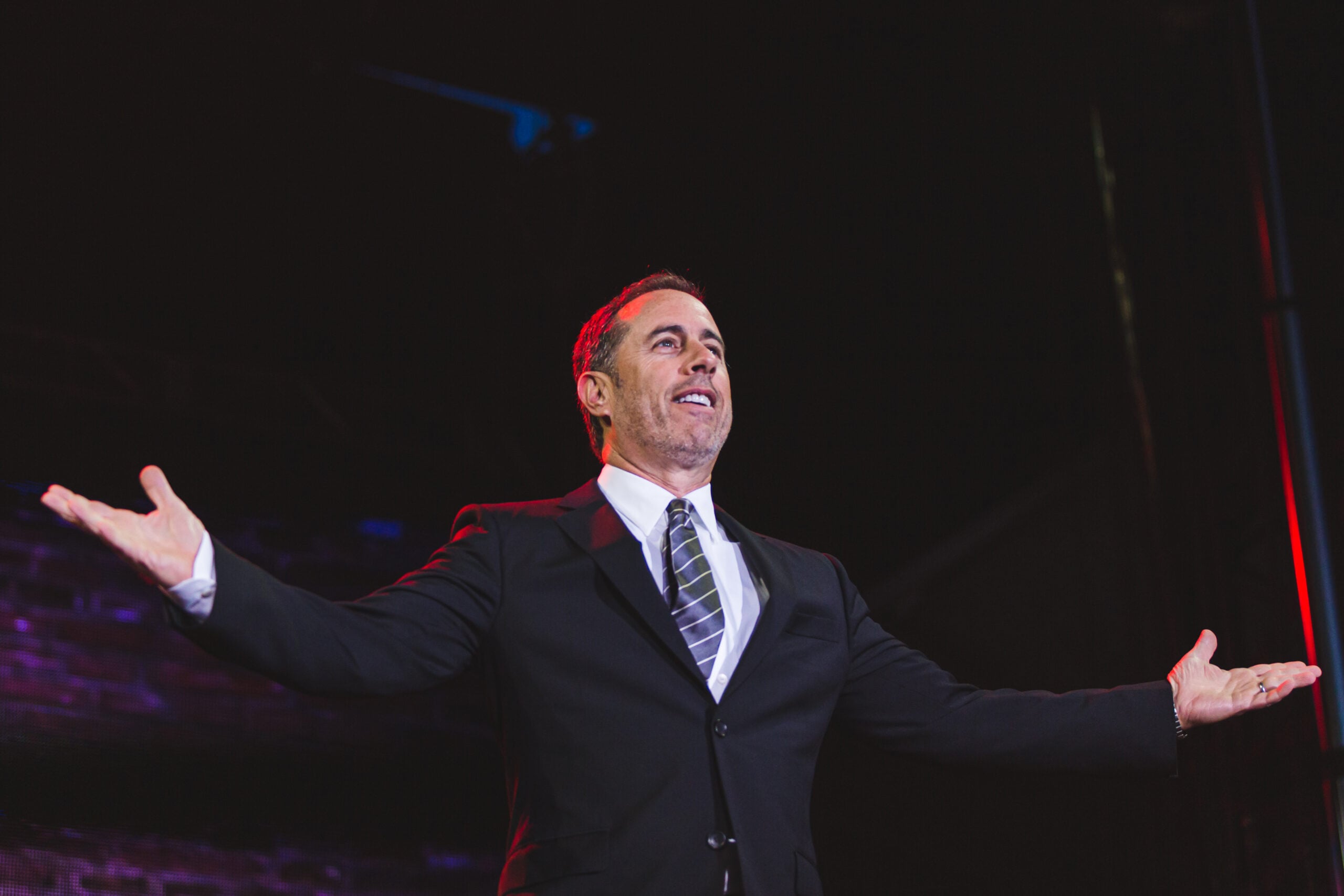
Seinfeld’s exact quote was this: “I think it’s a big, stupid virtue signal. ‘Look at me. I’m saving the planet, yeah.’ What about the lithium? It’s all BS.” Now, delivered in that unmistakable Seinfeld cadence, that line basically writes its own laugh track. But underneath the comedy is a real critique that a lot of people share quietly, even if they would not phrase it quite so directly.
He also took a swipe at self-driving cars, joking that future generations will be baffled that humans were ever trusted behind the wheel at all. “That their kids will say to them, ‘You mean, when you grew up, they would let people just drive at any speed and steer the car themselves? Didn’t they just crash and kill themselves constantly?'” It is a great bit, and it also tells you that Seinfeld’s issue is not just with electric motors. He is broadly suspicious of the tech industry’s creeping takeover of the driving experience.
The environmental argument behind EVs is real, and it is worth noting that while lithium mining does carry environmental costs, most research suggests that electric vehicles offset those costs over time with lower emissions during operation. That context matters. But so does the fact that plenty of consumers feel lectured at by the marketing around electric cars, and Seinfeld is tapping into that frustration with his characteristic precision.
His Issues With Modern Car Design Go Much Deeper
The EV commentary is really just one piece of a larger Seinfeld worldview about cars. In a separate interview on “Spike’s Car Radio” last December, he went after modern car design in general, and he was not gentle about it. His complaint was that today’s cars lack confidence, which is a fascinating word choice from someone who has spent decades studying what makes things work.
He pointed to older BMWs from the 1970s and 1980s as examples of design done right, cars that had a clear sense of identity. Today’s versions, he argued, have swapped that confidence for something loud and cartoonish. “There’s nothing sadder,” he said, describing the shift. He praised cars like the Pagani as exceptions, but his overall assessment of the industry’s design direction was pretty grim: “Is there anything cool anymore?”
That question might sound like nostalgia, but it is actually a sharp observation about how brands can lose their visual identity when they chase trends instead of leading them. Seinfeld’s critique resonates because it is specific. He is not just saying “they don’t make them like they used to.” He is identifying a particular quality, confidence, that he sees missing from the showroom floor.
What the Rest of Us Can Learn From Seinfeld’s EV Take
Whether you drive a Tesla or a 1958 Speedster, there is something worth sitting with in Seinfeld’s comments. First, the lithium point is not wrong, even if it is overstated. The extraction of lithium and other materials used in EV batteries does have significant environmental consequences, particularly in regions where mining operations are less regulated. It is a genuine tension in the clean energy conversation, and dismissing it entirely is as intellectually lazy as dismissing EVs entirely.
Second, Seinfeld is identifying something real about how certain products get marketed in ways that feel more like social pressure than genuine choice. When buying a car becomes a statement about your values rather than a practical decision, it can create exactly the kind of backlash he is expressing. Consumers, even very wealthy ones with impractical numbers of vintage Porsches, do not love being told what to care about.
Third, and maybe most importantly, the guy had a pretty great early response to electric cars back in an interview with former baseball star Keith Hernandez. Asked whether EVs were “something or nothing,” a nod to the famous “Seinfeld” bit, he answered: “Uh, it’s fine.” The caption on the video read “nothing.” That was six years ago, and his position has clearly not warmed. When Hernandez pointed out how fast electric cars are, Seinfeld replied simply: “I know they’re fast.” He just does not care. And sometimes, not caring is its own kind of statement.