Turbocharging now feels almost routine. It powers family crossovers, half-ton pickups, luxury sedans, and hot hatchbacks with such ease that it is easy to forget how strange and daring it once seemed.
In its early road-car years, turbocharging was not a settled formula. It was a promise, a gamble, and sometimes a little mechanical theater. Manufacturers were still learning how to manage lag, heat, drivability, durability, and the strange new personality that arrived when exhaust energy started making power.
The first great turbocharged road cars were not simply faster versions of familiar machines. They changed how performance could be delivered, how racing ideas could move into showrooms, and how ordinary body styles could gain a completely different kind of character.
Some were awkward. Some were brilliant. A few were both at once. Together, they helped move turbocharging from a niche curiosity into one of the defining performance technologies of the modern car.
When Turbocharging Still Felt Experimental
The formative era of turbocharged road cars runs from the early 1960s through the mid-1980s, when the technology was still finding its identity in passenger vehicles. Speed matters in that story, but it is not the only measure of importance.
The most influential early turbo cars helped introduce, normalize, or redefine boost in a way that reached beyond one model year. Historical significance, engineering importance, production relevance, and lasting influence all count more than raw acceleration alone.
Race cars, concept cars, and tuner specials sit outside that frame. The focus stays on production road-going machines that buyers could actually purchase, drive, and judge in the real world. That keeps the story centered on the cars that made turbocharging matter outside the paddock and beyond the auto-show floor.
1962 Oldsmobile F-85 Jetfire
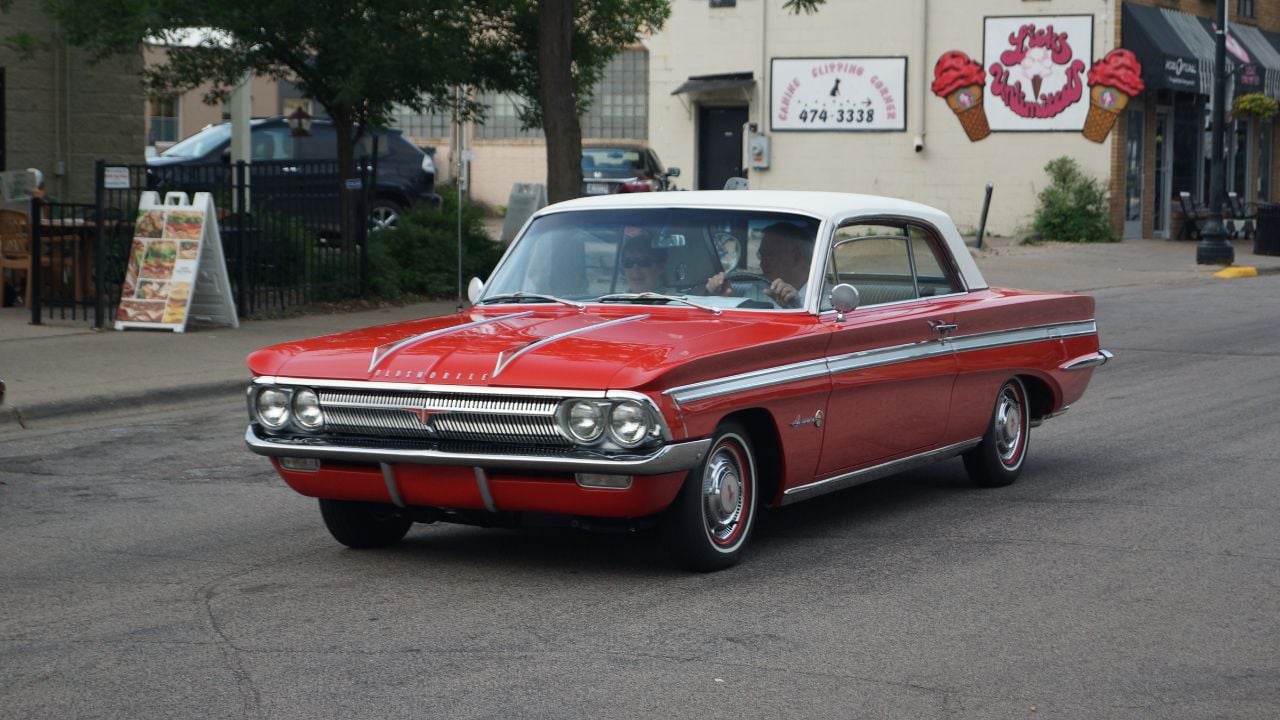
The Jetfire is one half of General Motors’ 1962 turbo origin story. Oldsmobile is often credited with offering the world’s first turbocharged production automobile, though the F-85 Jetfire and Chevrolet’s turbocharged Corvair Monza Spyder arrived so close together that the exact first-to-market claim remains disputed.
That debate only makes the moment more interesting. The Jetfire showed that Detroit was willing to experiment with forced induction long before turbocharging became fashionable, necessary, or easy to calibrate for everyday drivers.
Its compact aluminum V8 and small-car package made the idea feel unusually advanced for the early 1960s. The Jetfire did not become a mass-market success, and fewer than 10,000 were sold, but it gave turbocharging a real production starting point before most of the industry was ready to trust the technology.
1962 To 1966 Chevrolet Corvair Monza Spyder And Corsa Turbo

The turbocharged Corvair gave early boost something the Jetfire never quite achieved: real public exposure. MotorTrend has noted that Chevrolet’s turbocharged Corvair followed close behind the Oldsmobile and then sold in far greater numbers, with nearly 50,000 turbo Corvairs delivered across five model years.
That scale changed the impact. More owners actually lived with an early turbo car, learned its habits, dealt with its compromises, and experienced the strange appeal of boost before the technology became familiar.
The Corvair also delivered that experience through a rear-mounted flat-six layout that still feels unusual today. It was imaginative, technically bold, and mainstream enough to keep the turbo idea alive after the first burst of novelty faded.
1973 To 1975 BMW 2002 Turbo
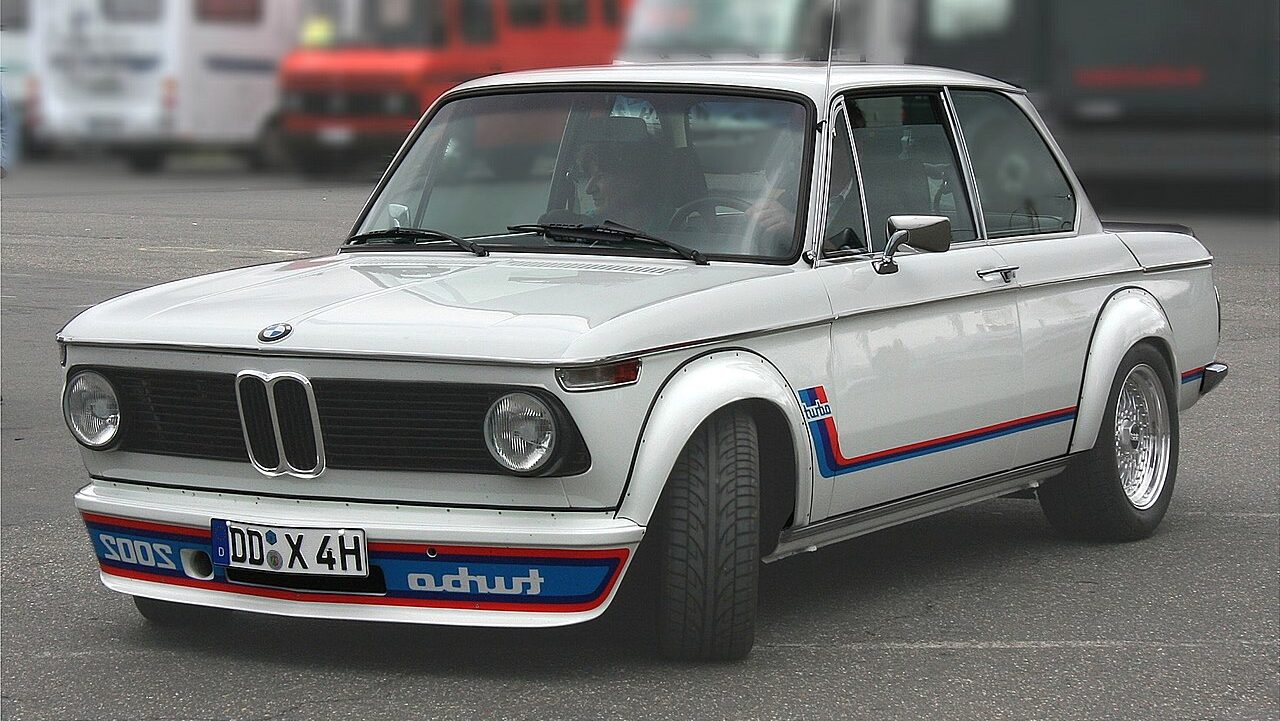
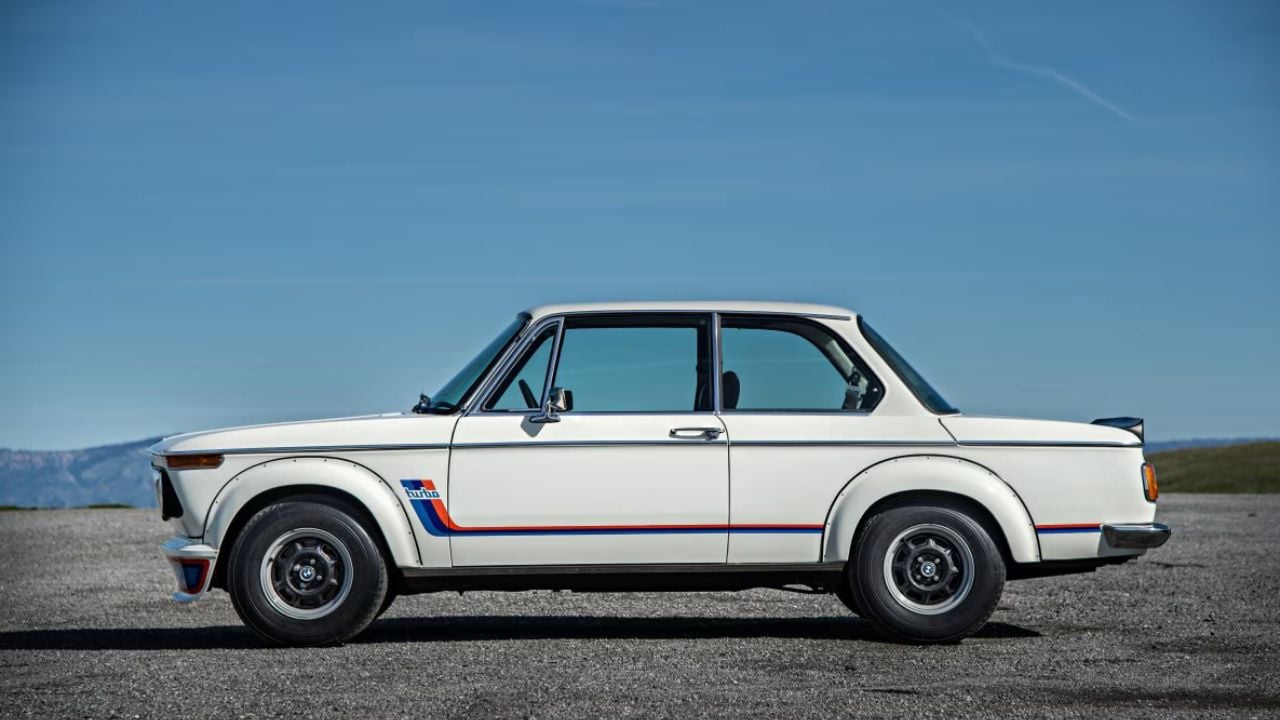
The 2002 Turbo changed the personality of BMW’s compact sports sedan overnight. BMW describes it as the forerunner of countless later turbocharged production cars and notes that it began leaving the factory in October 1973 with 170 hp and a top speed of 131 mph.
For its time, that was a serious statement. The 2002 Turbo brought boost into a compact European performance sedan with an attitude that felt sharp, modern, and slightly intimidating.
The stripes, box flares, and extroverted presentation reinforced the point. BMW was not trying to make turbocharging feel invisible or gentle. It made boost part of the car’s identity, turning a clever engineering solution into a full performance personality.
1974 To 1977 Porsche 911 Turbo 3.0

The original 911 Turbo did not introduce turbocharging to the road, but it turned the word “Turbo” into a performance badge with its own mythology. Porsche says the first 930 went on sale in 1974 with a 3.0-liter engine producing 260 PS, a top speed above 155 mph, and a 0-to-62-mph time of 5.4 seconds.
Those numbers gave the car credibility. The shape gave it legend. The swollen arches, big rear spoiler, race-bred engineering, and famously demanding behavior made turbocharging look glamorous, dangerous, and deeply desirable.
Before the 911 Turbo, boost could still seem experimental. After the 930, it looked aspirational. Porsche helped turn turbocharging from a technical curiosity into a dream-car identity.
1978 Saab 99 Turbo
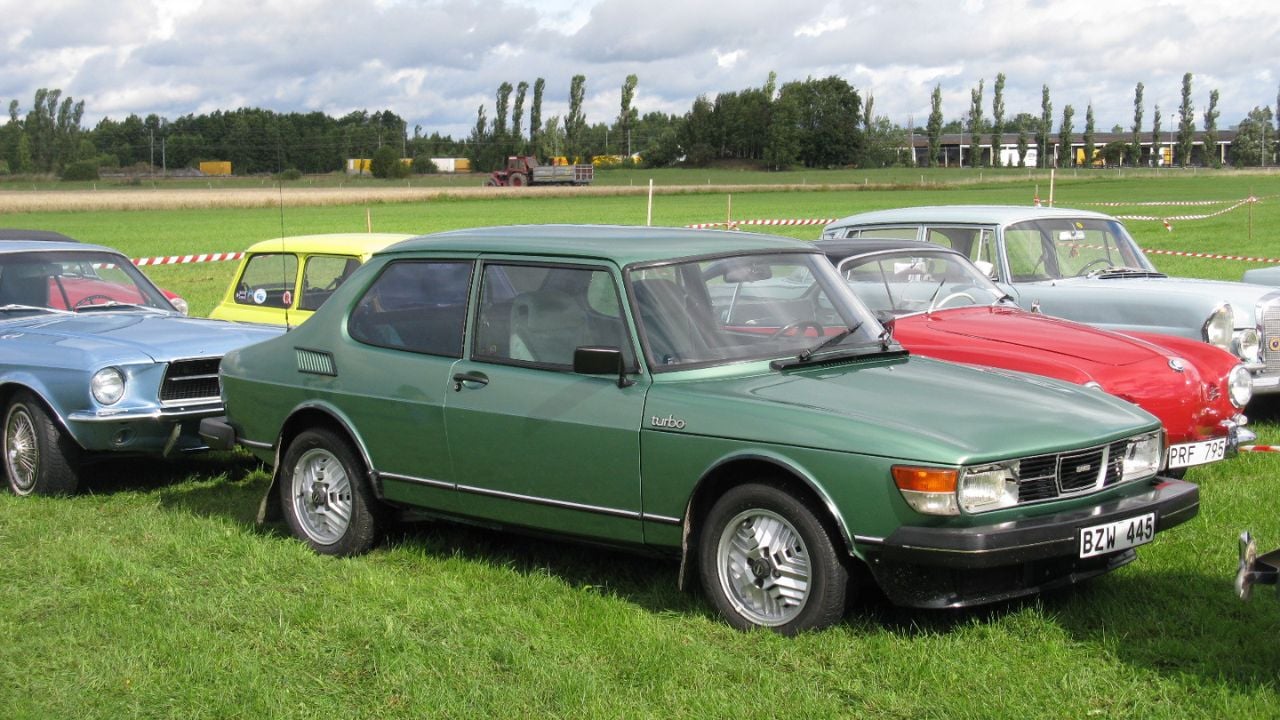
The Saab 99 Turbo carried turbocharging into a more practical, more believable slice of daily life. Car and Driver has identified the 99 as Saab’s first turbocharged model in the late 1970s, while Hagerty’s valuation entry for the 1978 car lists a 1985-cc, 135-hp fuel-injected turbo four.
Those figures do not sound outrageous now, which is part of the point. The 99 Turbo was not chasing exotic-car drama. It showed that boost could work in a serious front-drive family car with real-world manners and a distinctive Scandinavian identity.
That quieter influence mattered. Saab helped normalize turbocharging for intelligent daily use, not just for halo machines. The technology could be quick, useful, and characterful without needing to live inside a supercar silhouette.
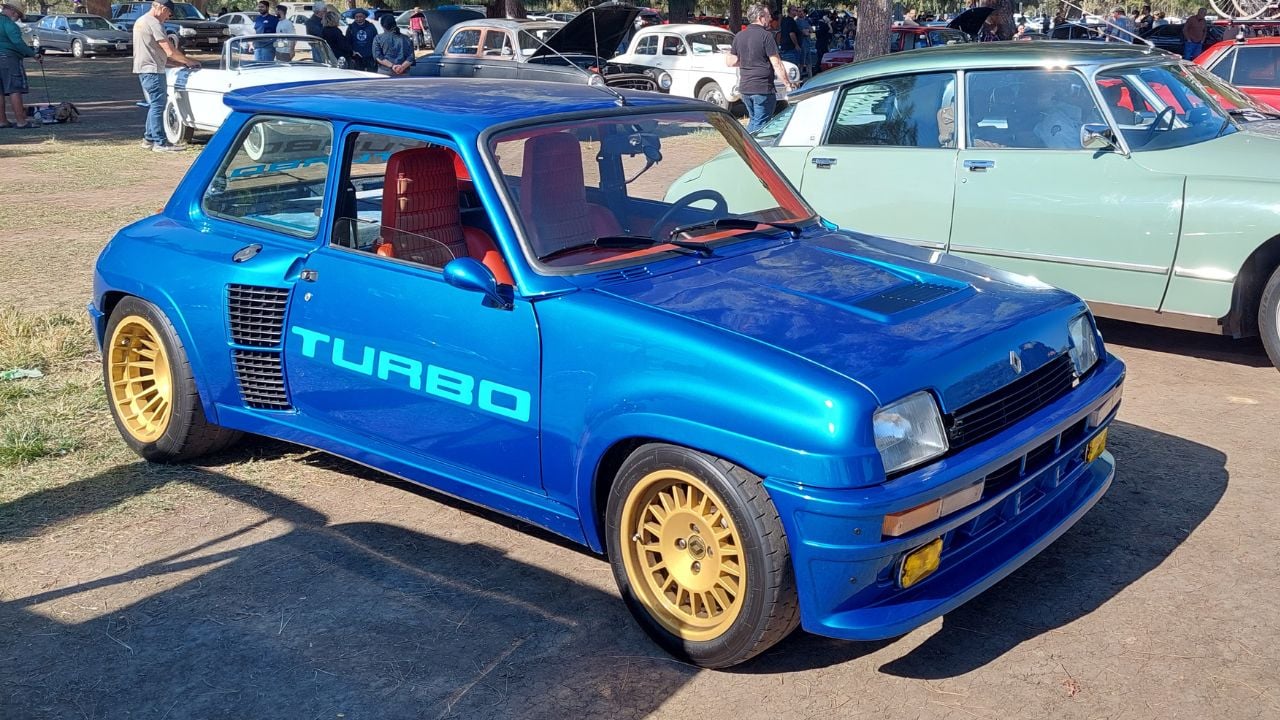
1980 To 1986 Renault 5 Turbo / Turbo 2
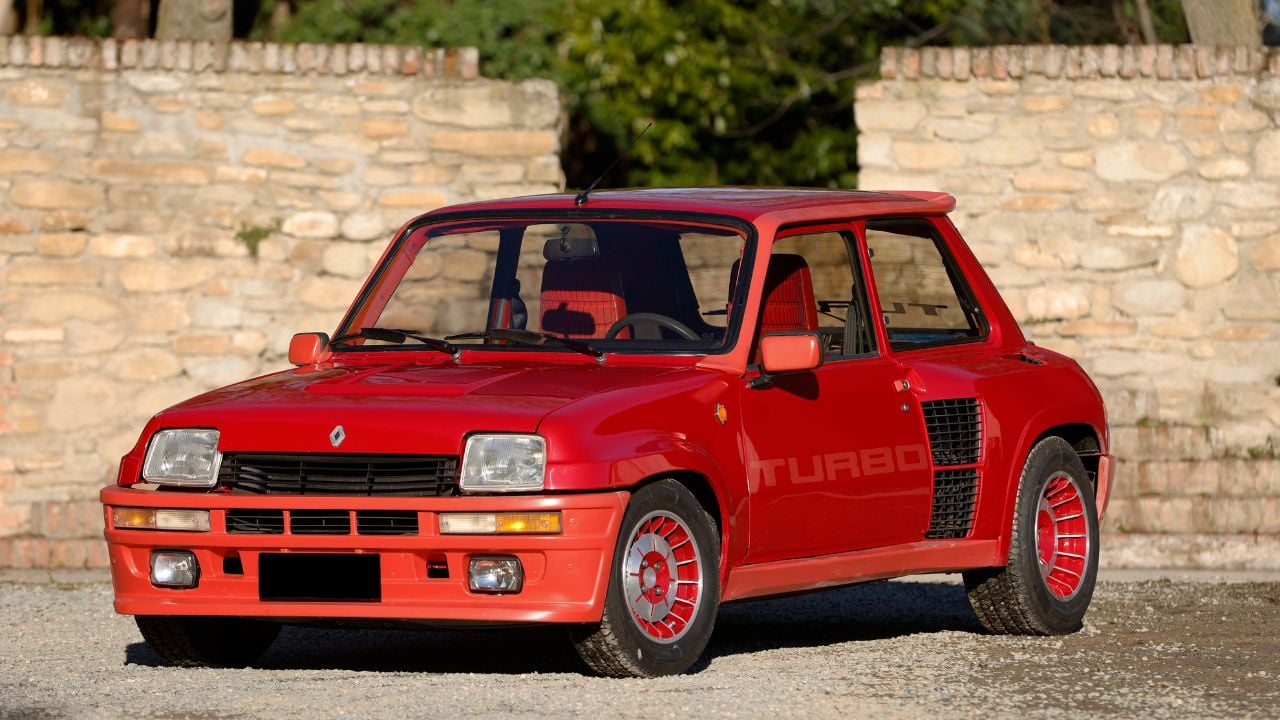
The Renault 5 Turbo turned a humble city-car idea into one of the wildest road-going turbo statements of the era. Renault’s own heritage language now refers to the original Renault 5 Turbo and Turbo 2 as 1980s speed demons and says they were the first French models to feature a turbocharged petrol engine.
The original Renault 5 Turbo arrived first, while the lower-cost Turbo 2 followed for the later part of the run. Both belonged to a very different universe from the ordinary front-drive Renault 5 that inspired the shape.
The FIA historic database also confirms the car’s Group B homologation, rear-wheel-drive layout, and four-cylinder turbo engine. This was not a warmed-over hatchback with a new badge. It was a road-legal homologation special shaped by rally ambition and engineered to feel far more extreme than its supermini roots suggested.
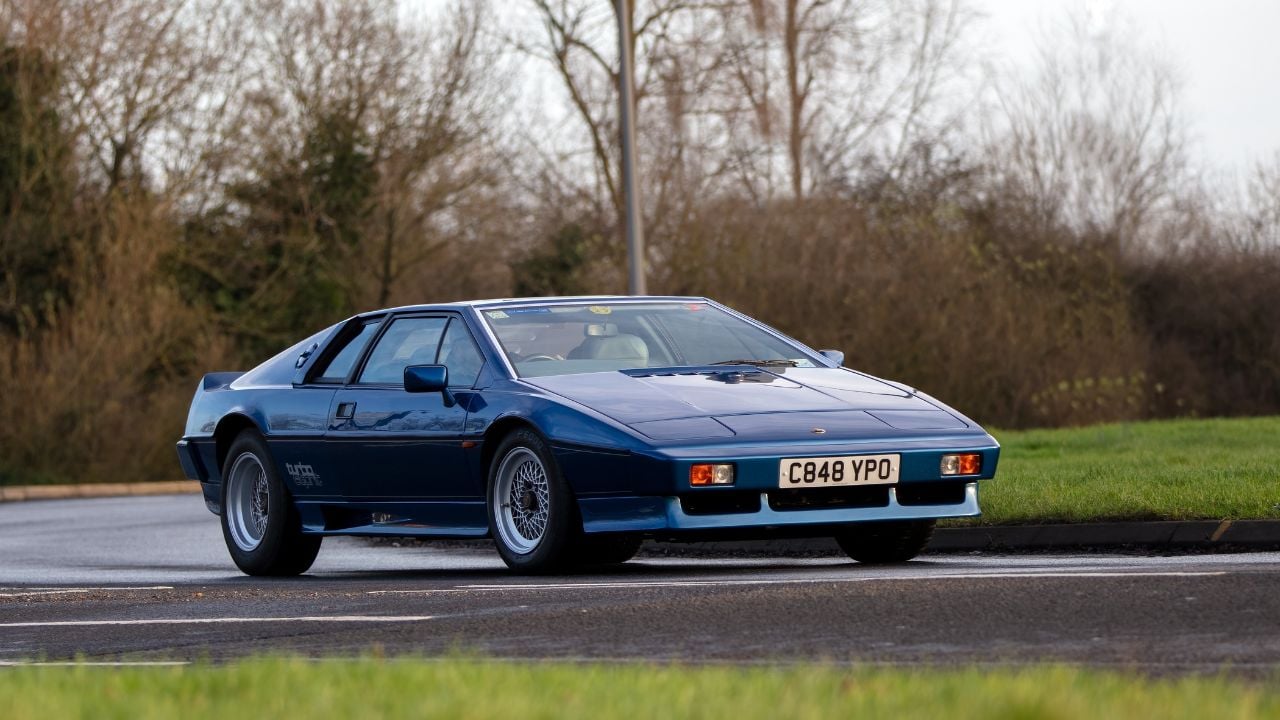
1980 To 1987 Lotus Turbo Esprit
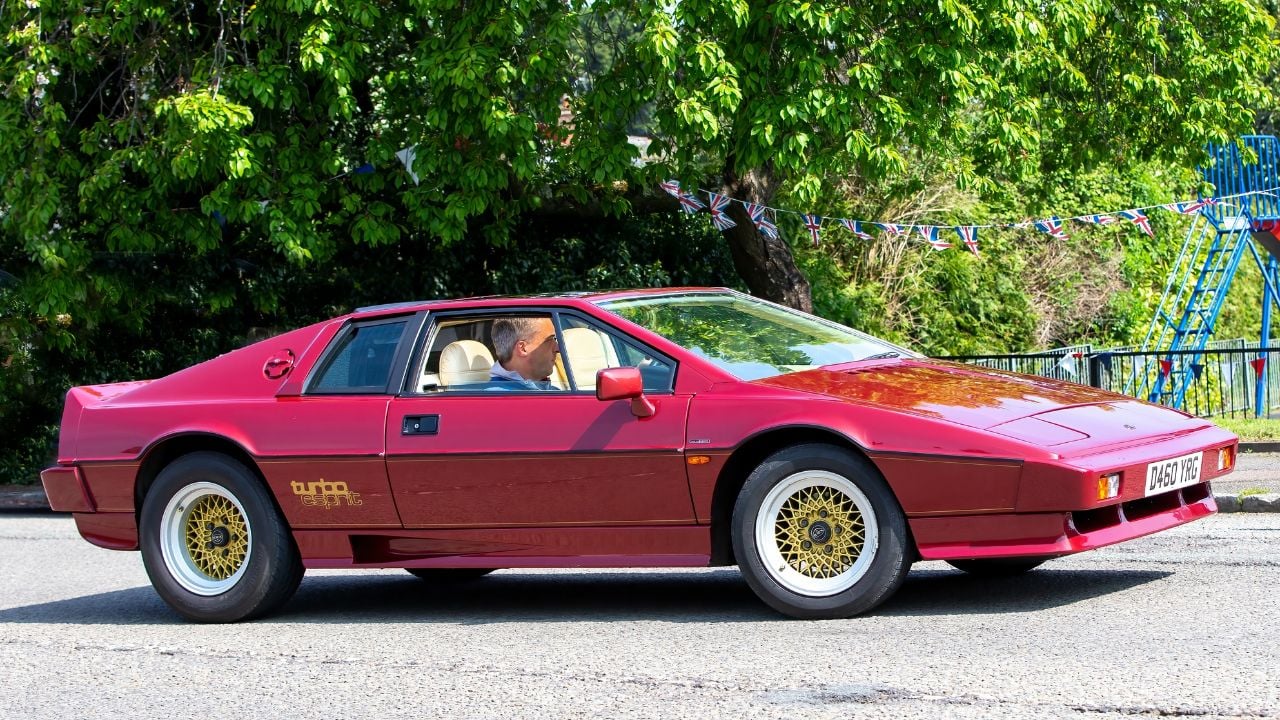
The Turbo Esprit made boost feel like a natural partner for the wedge-era exotic. Lotus says the Turbo Esprit arrived in 1980 with a 2.2-liter, 210-bhp turbocharged engine and was capable of about 150 mph, making it the fastest production Lotus of its time.
The standard Esprit already looked futuristic. The turbocharged version added the performance needed to make the shape feel fully credible. It also carried real cultural resonance, helped by its Bond appearances and the glamour of the Essex launch edition.
Lotus did not present turbocharging as a compromise. It used boost to sharpen the Esprit’s exotic mission and give the company a stronger voice in the performance conversation of the 1980s.
1980 To 1991 Audi Ur quattro
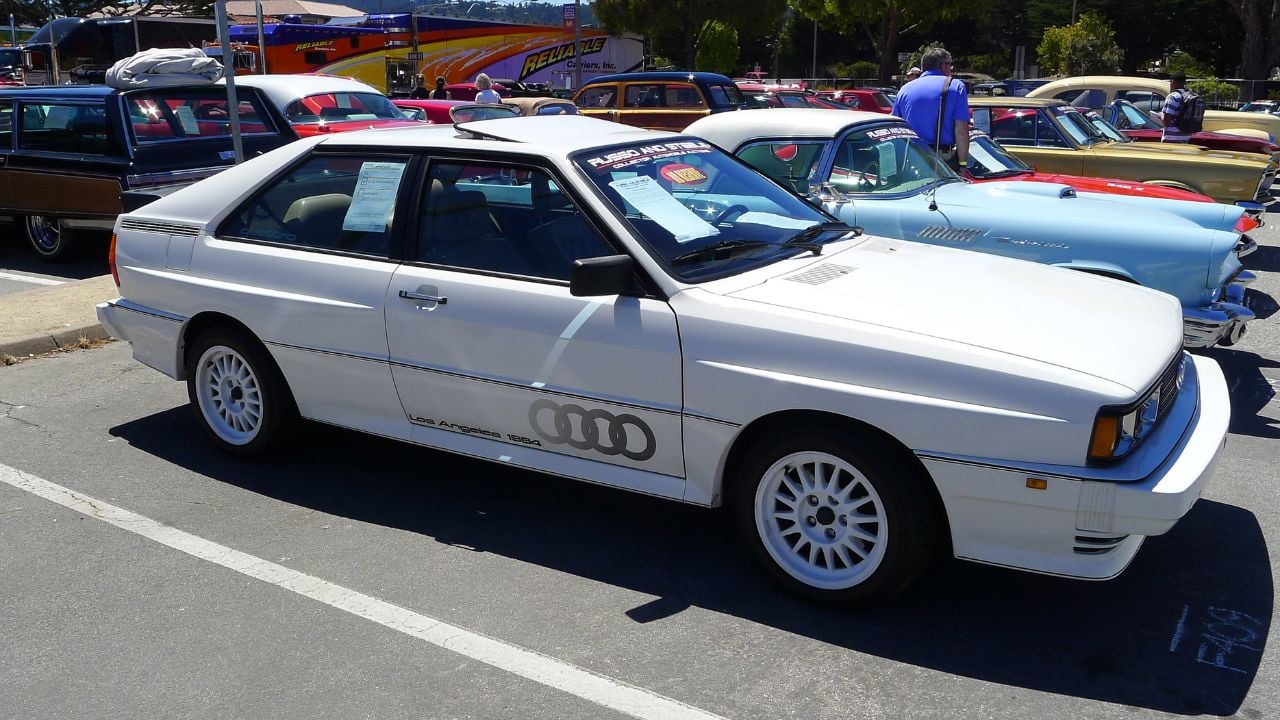
The original Ur quattro linked turbocharging to an entirely new idea of all-weather performance. Audi’s own history says the Ur quattro debuted at the 1980 Geneva Motor Show with turbocharging, an intercooler, and permanent four-wheel drive.
That combination defined far more than one model. It created an identity. The car’s rally career deepened the legend, with Audi noting Hannu Mikkola’s drivers’ title in 1983 and the broader competition impact that followed.
The quattro made turbocharging look ruthless, capable, and technologically inevitable. Boost was no longer only about extra speed in a straight line. It became part of a new way to deploy performance in bad weather, on poor surfaces, and at serious pace.
1981 To 1985 Volvo 240 Turbo
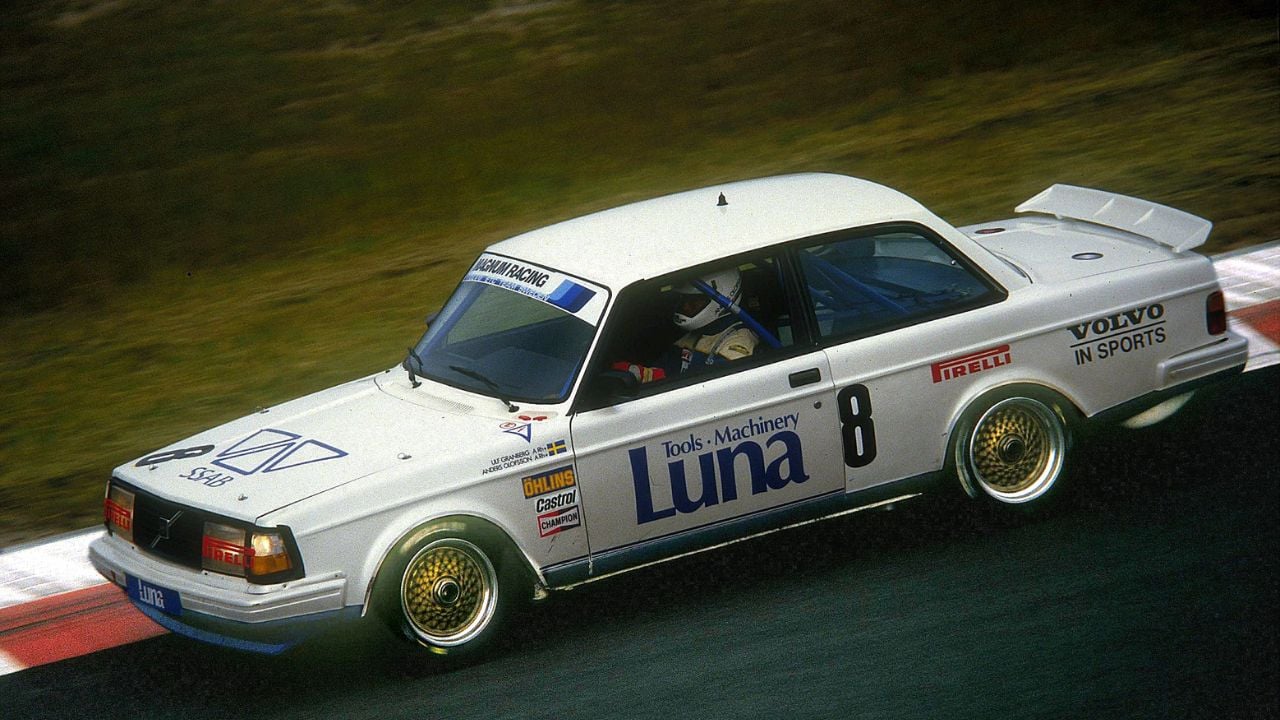
The 240 Turbo put boost into a square family Volvo and made the idea unexpectedly cool. Volvo’s own heritage material says that when the company launched its 240 family car with a turbo engine in 1981, it opened a new market for the brand and showed that Volvo could build cars that were not only safe and durable, but also fast and fun to drive.
The same source gives the road car 155 hp, a 0-to-62-mph time of nine seconds, and a 121-mph top speed. Volvo’s heritage material also described the 240 Turbo estate as the world’s fastest wagon.
That shift deserves attention. The 240 Turbo did not make turbocharging look exotic. It made boost useful, practical, and surprisingly desirable in a shape almost no one would have associated with performance.
1981 To 1987 Maserati Biturbo
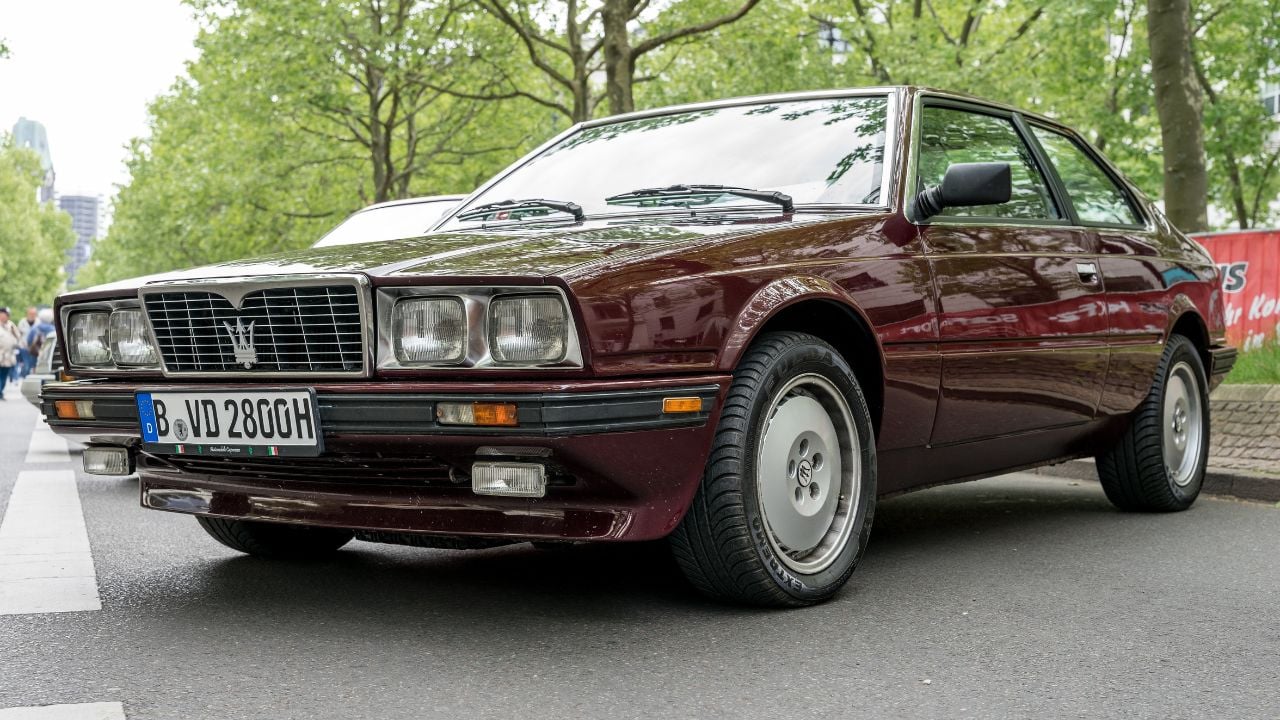
The Biturbo marked both a technical milestone and a strategic turning point for Maserati. The company’s own history says the model opened a new era in December 1981 and that its compact V6 with two small turbochargers was a world first on a production car.
That made the Biturbo more than a curiosity. Maserati wanted the car to expand the brand’s reach with strong performance at a more competitive price, turning turbo sophistication into part of a broader business plan.
The model’s reputation became complicated later, but historical importance does not disappear because a car was imperfect. In the early turbo story, the Biturbo shows how quickly the technology moved from novelty to layered sophistication.
When Boost Still Felt Like A Breakthrough
These cars helped turbocharging find a series of new roles. The Jetfire and Corvair gave boost its first production foothold. The BMW 2002 Turbo and Porsche 911 Turbo turned it into a performance identity. The Saab 99 Turbo and Volvo 240 Turbo moved it into practical cars people could use every day.
The Renault 5 Turbo, Audi Ur quattro, Lotus Turbo Esprit, and Maserati Biturbo pushed the idea in still more directions: rally homologation, all-weather performance, exotic-car drama, and twin-turbo sophistication. The early turbo era was not tidy, but that is exactly why it still feels alive.
Manufacturers were learning what boost could become, and drivers were learning how thrilling its uncertainty could feel. Modern performance sounds very different because these cars proved turbocharging could be more than an experiment. It could become a whole new language of speed.