Some cities look effortless on social media. A sunset café, a famous museum, a neon crossing, or a perfect canal shot can make the trip seem smooth before anyone checks the crowds, prices, ticket rules, or walking distances.
The real visit can involve sore feet, full trains, timed entries, security lines, tourist taxes, and a schedule that feels packed from breakfast to bedtime.
These cities are not bad choices. Paris, Rome, Barcelona, Amsterdam, Tokyo, and New York can all be unforgettable with realistic planning and enough room between major sights.
The problem starts when visitors expect a relaxed highlight reel instead of a busy urban trip. These six destinations are loved online, but they can feel surprisingly draining in real life.
1. Paris, France
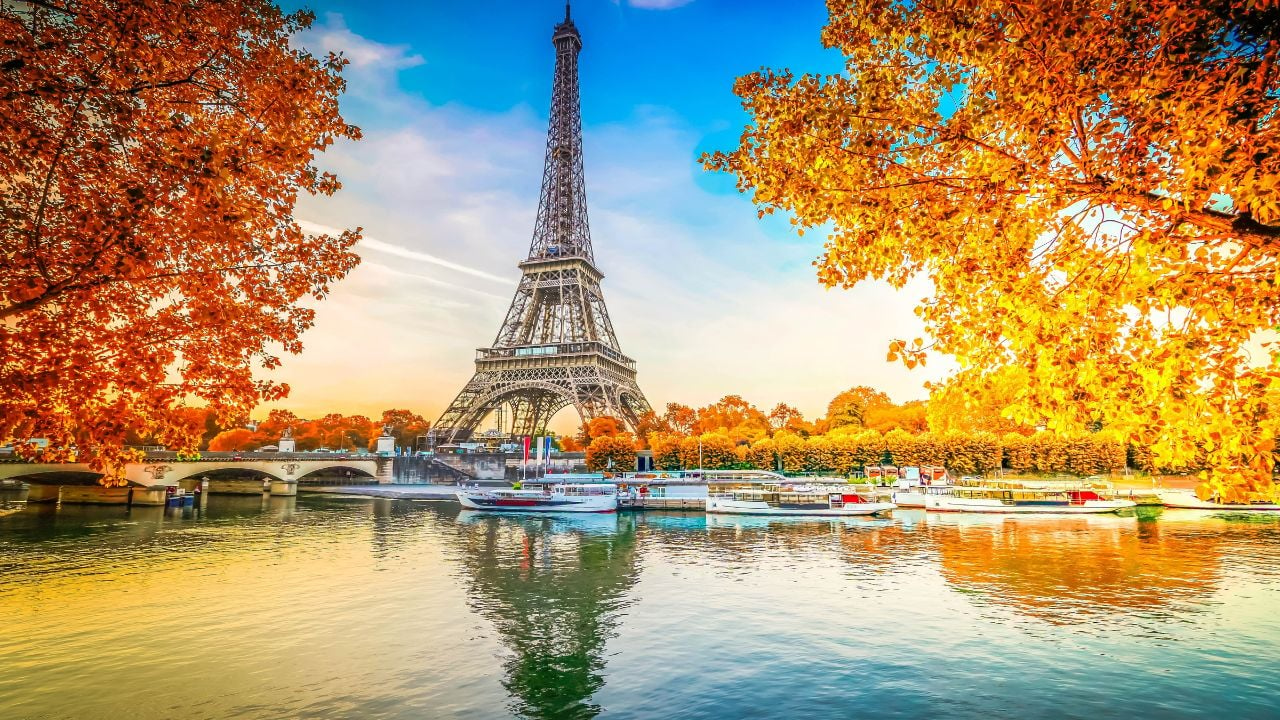
Paris looks romantic in short videos, especially around the Seine, Montmartre, the Eiffel Tower, and café terraces. The busiest cultural stops need more planning than a casual clip suggests.
The Louvre’s official hours and admission page lists individual admission at €32 for non-residents and non-citizens of the European Economic Area, while EEA citizens and residents pay €22 under the museum’s 2026 pricing. The museum’s ticket information also says any exit is final, so visitors should decide what they want to see before entering.
A loose “we will just pop in” approach can waste the best part of the day. The Louvre is large, security takes time, and the most famous rooms draw heavy crowds.
A calmer Paris plan leaves wide gaps between the Louvre, the Eiffel Tower, Montmartre, and dinner reservations. One major ticketed sight per half-day is usually easier than trying to stack several icons into the same stretch.
2. Rome, Italy

Rome is easy to love online because ancient ruins, fountains, piazzas, and trattorias seem to appear in every direction. On the ground, the main sights require more structure.
The Colosseum’s official opening times and tickets page says ticket sales include compulsory time-slot reservations and open 30 days before the visit date. The same page says tickets are issued in the holder’s name and that visitors should keep identification visible at the entrances.
Rome’s historic center already involves heat, uneven paving, traffic, crowded buses, and long walking days. A missed ticket window or a schedule built too tightly around the Colosseum, Pantheon, Vatican area, and dinner can turn the afternoon into a scramble.
The city feels easier when travelers treat the Colosseum, Vatican Museums, and other major interior visits as separate anchor plans. Leave time for water breaks, piazzas, churches, and streets that were not part of the original checklist.
3. Barcelona, Spain
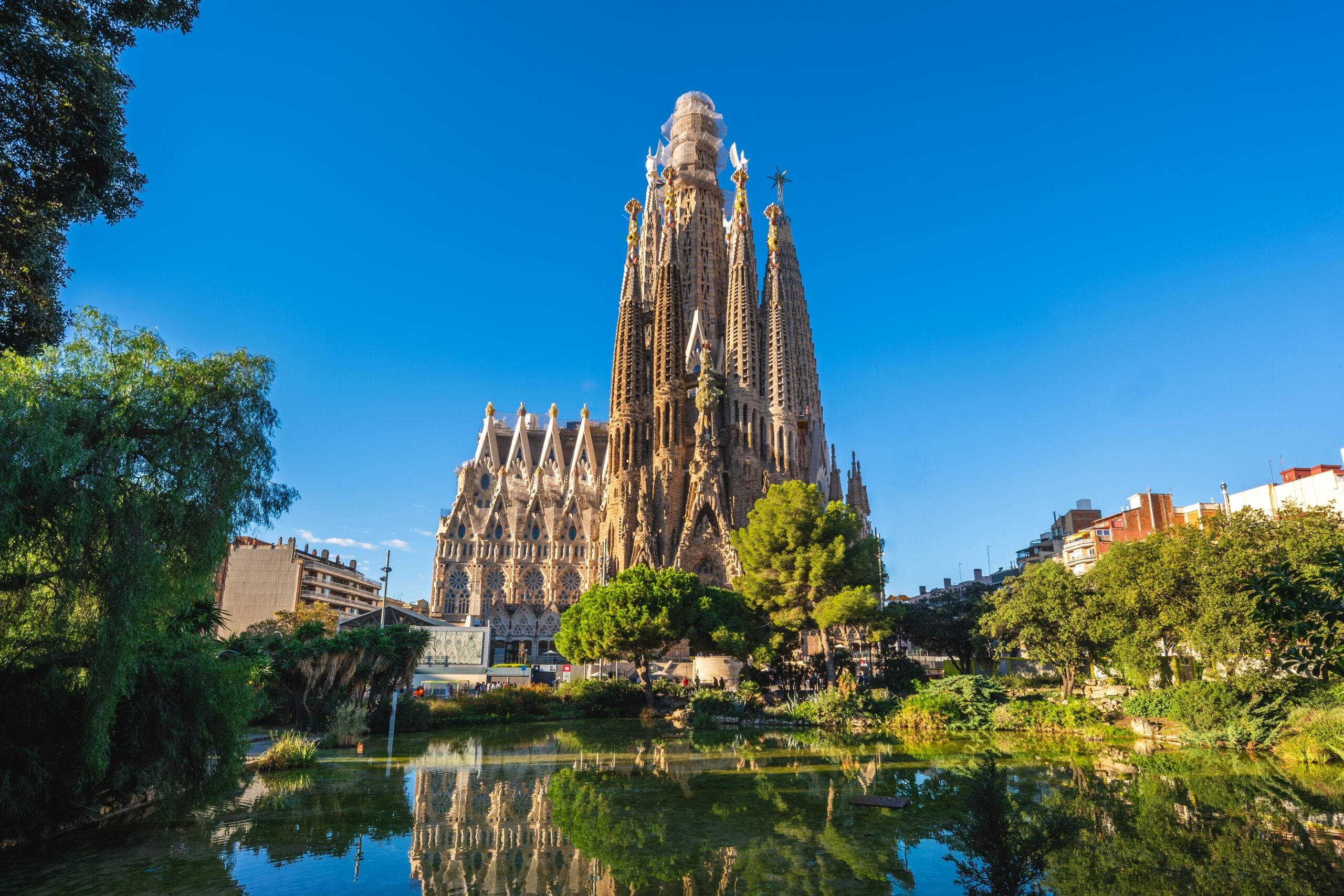
Barcelona photographs beautifully, from Gaudí buildings to beaches, markets, rooftops, and narrow Gothic Quarter streets. The real trip can feel heavier once visitors add lodging taxes, timed tickets, hills, heat, and crowd pressure.
Catalonia’s official tourist-tax table lists Barcelona charges per person per unit of stay from April 1, 2026, including €12 for five-star and similar top-tier hotels, €8.40 for four-star and similar properties, €9.50 for tourist-use dwellings, and cruise taxes of €9 or €11 depending on stop length.
Those extras can change the real cost of a short city break, especially for couples, families, groups, and cruise passengers comparing headline prices.
The city’s busiest routes can make a weekend feel rushed. Sagrada Família, Park Güell, La Rambla, and the Gothic Quarter all need time, and the official Park Güell site says tickets must be purchased in advance and online.
Barcelona is easier when the biggest attraction is booked first and the rest of the day includes quieter neighborhoods, meals, and beach or waterfront time without trying to cross the whole city repeatedly.
4. Amsterdam, Netherlands
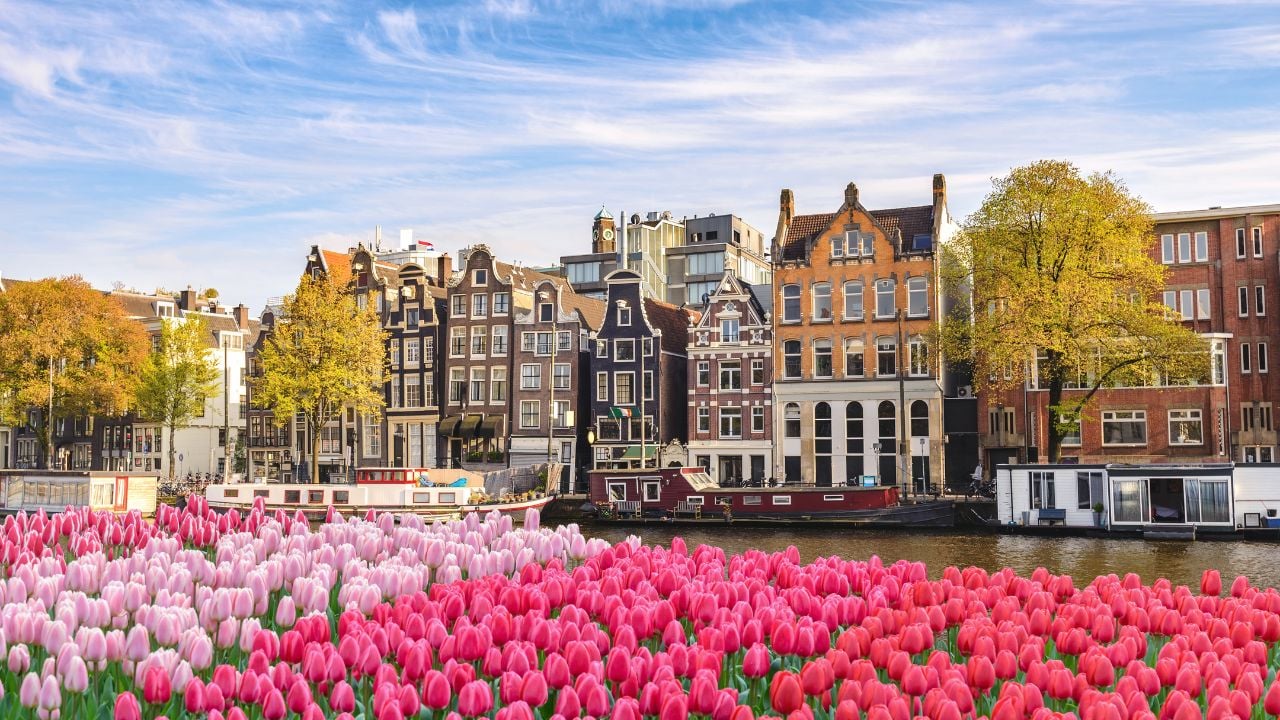
Amsterdam looks calm online, with canals, bikes, museums, flower markets, and tidy streets. The center can feel crowded, expensive, and intense for first-time visitors.
The City of Amsterdam lists a tourist tax of 12.5% of the overnight price, excluding VAT, plus a €15 day tourist tax for cruise passengers. The final hotel bill can look different from the price a traveler first noticed online.
The physical side of the city takes energy. Visitors are navigating bikes, trams, canal crossings, museum reservations, narrow sidewalks, and busy pedestrian areas at the same time.
Around Dam Square, the Anne Frank House area, canal cruise docks, museum entrances, and the Red Light District, movement can slow to a shuffle. A smoother trip starts with museum slots booked before arrival and lodging outside the loudest core.
5. Tokyo, Japan
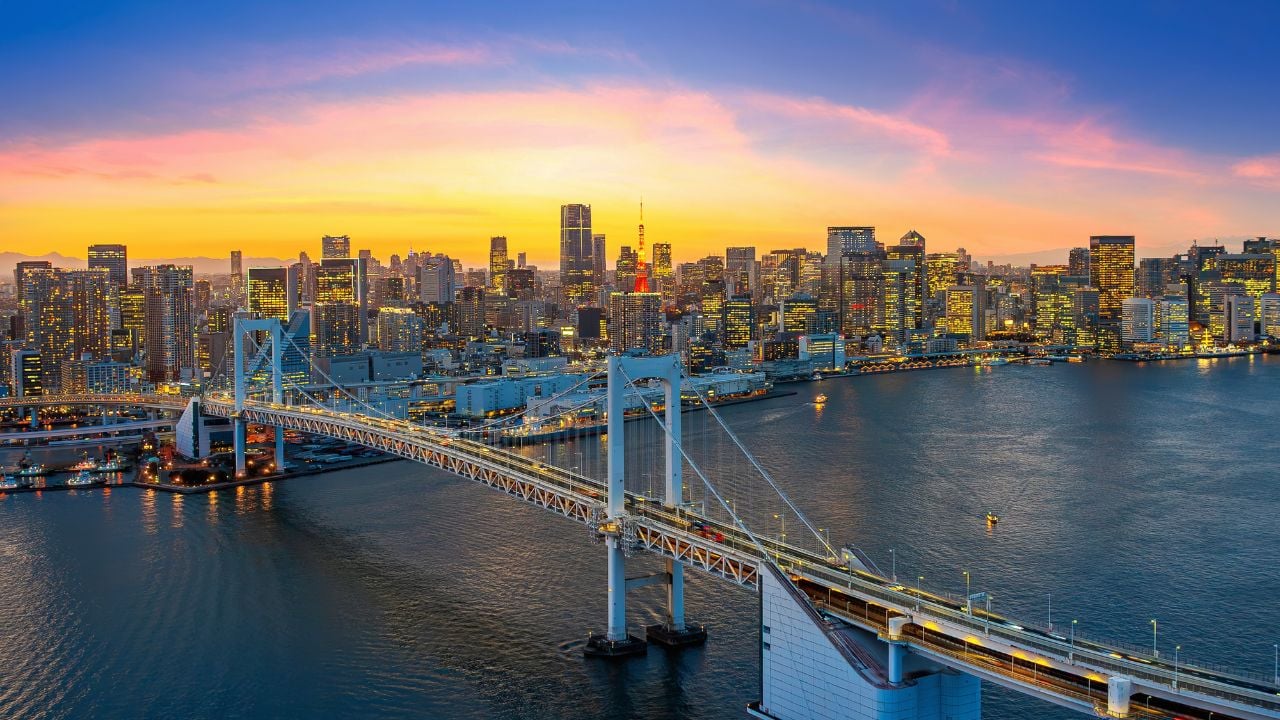
Tokyo’s online image is electric: Shibuya Crossing, ramen counters, glowing signs, clean trains, themed cafés, and quiet temples between skyscrapers. The challenge is scale.
Japan’s visitor numbers remain high. Japan National Tourism Organization data, summarized by JTB Tourism Research & Consulting, shows an estimated 3,466,700 international arrivals in February 2026 and 7,064,200 arrivals from January through February.
That national demand helps explain why Tokyo’s most famous districts can feel busy even when the city is functioning smoothly. Shibuya, Shinjuku, Asakusa, Harajuku, Ginza, and major rail stations can fill with commuters and visitors at the same time.
Tokyo’s official customs and manners guide reminds visitors to learn local etiquette, including bathing basics such as showering before entering shared bathwater and keeping towels out of the water.
The city becomes less tiring when travelers stop jumping across the map all day. Build each day around one or two nearby neighborhoods, leave time for train transfers, and avoid treating every viral food stall or crossing as mandatory.
6. New York City, New York
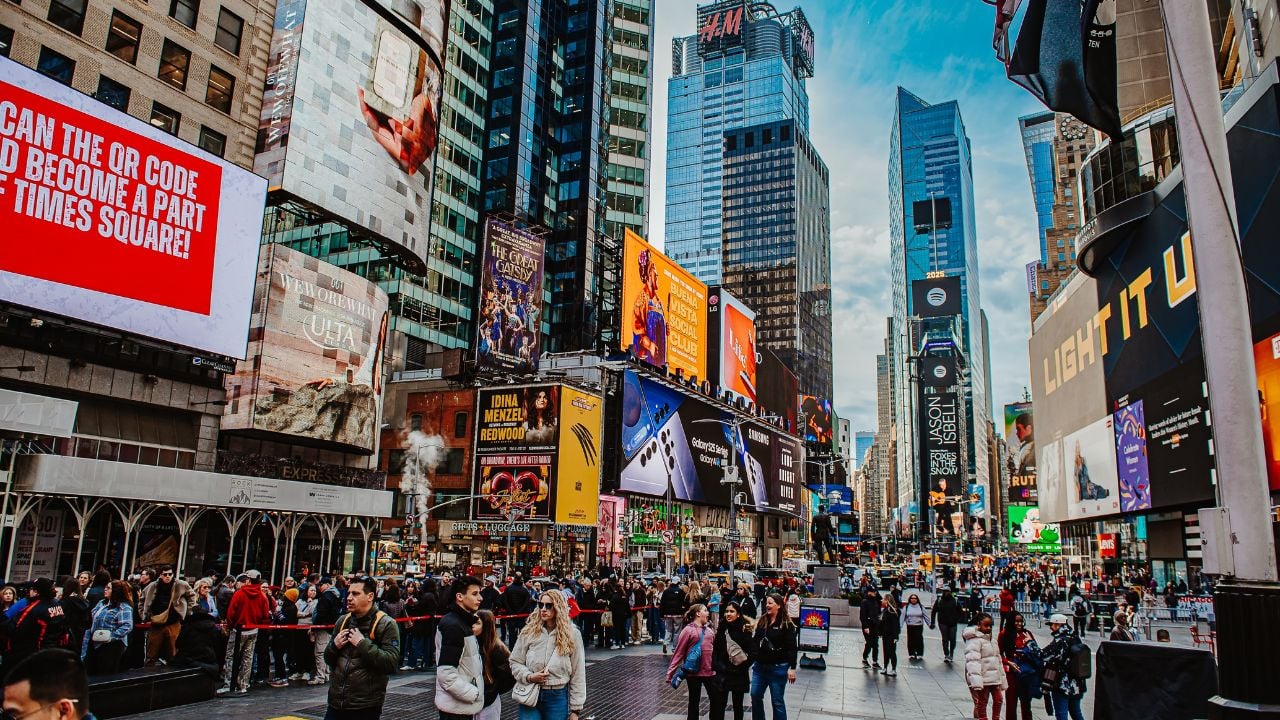
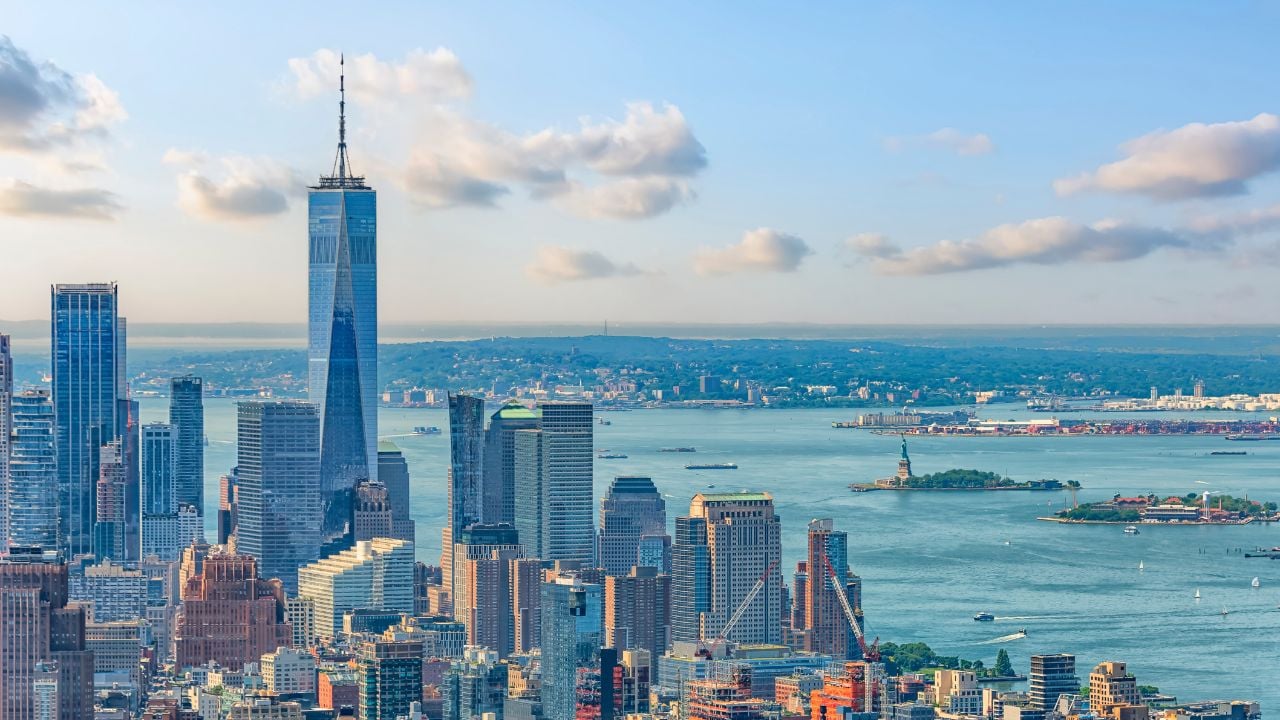
New York City looks thrilling online because every corner seems to offer food, theater, skyline views, shopping, museums, or a famous street scene. In person, the energy can become overwhelming quickly.
Times Square’s official market data says the district regularly sees between 200,000 and 250,000 pedestrians a day, with counts reaching as high as 330,000 on the busiest days. The same source says the Times Square-42nd Street subway station was the busiest in the city in 2024, with 57.7 million annual riders.
That density can make a simple Midtown plan feel exhausting. Hotel prices, restaurant waits, subway stairs, street noise, street crossings, and cross-town transfers all take more time and energy than they appear to on a short video.
A better New York trip is planned by neighborhood. Pair Times Square with theater or Midtown sights, but give other days to the West Village, Lower East Side, Brooklyn, Upper West Side, Harlem, museums, parks, or waterfront walks instead of chasing every viral stop in one route.