
California has tightened its grip on autonomous driving, and the implications ripple far beyond Silicon Valley test zones.
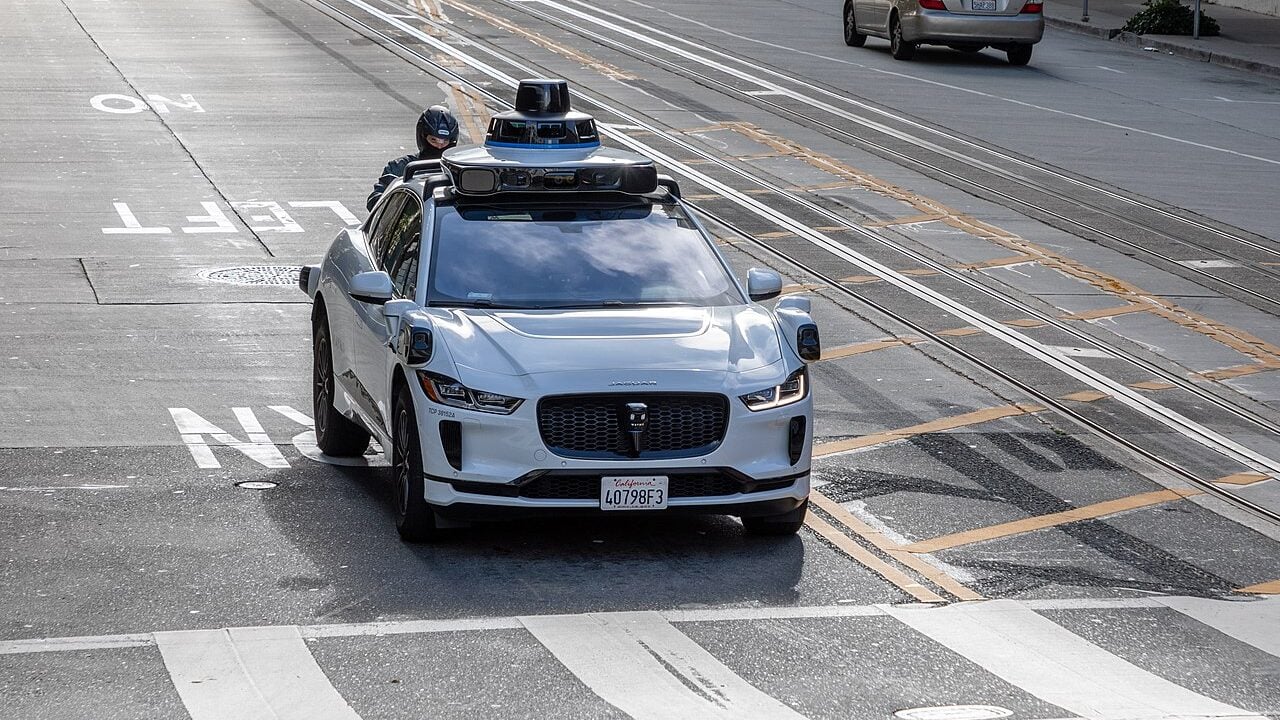
In a sweeping update unveiled by the California Department of Motor Vehicles, gone are the days when officers circled confusedly around Waymo robotaxis without a clue on what, who, or how to cite it for traffic offenses.
In other words, driverless vehicles are no longer immune from traffic enforcement, and the companies behind them now face direct accountability when things go wrong on public roads.
For years, one of the odd gaps in autonomous mobility was enforcement.
When a human driver breaks a traffic law, a citation follows. But when a robotaxi makes an illegal maneuver, such as the widely discussed incident involving a Waymo vehicle executing an improper U-turn in San Bruno, officers were left with no one to ticket.
That loophole is now closed. Law enforcement agencies can issue citations tied to the operating company, effectively shifting responsibility from a nonexistent driver to the entity managing the autonomous system.
No More Driverless Loophole
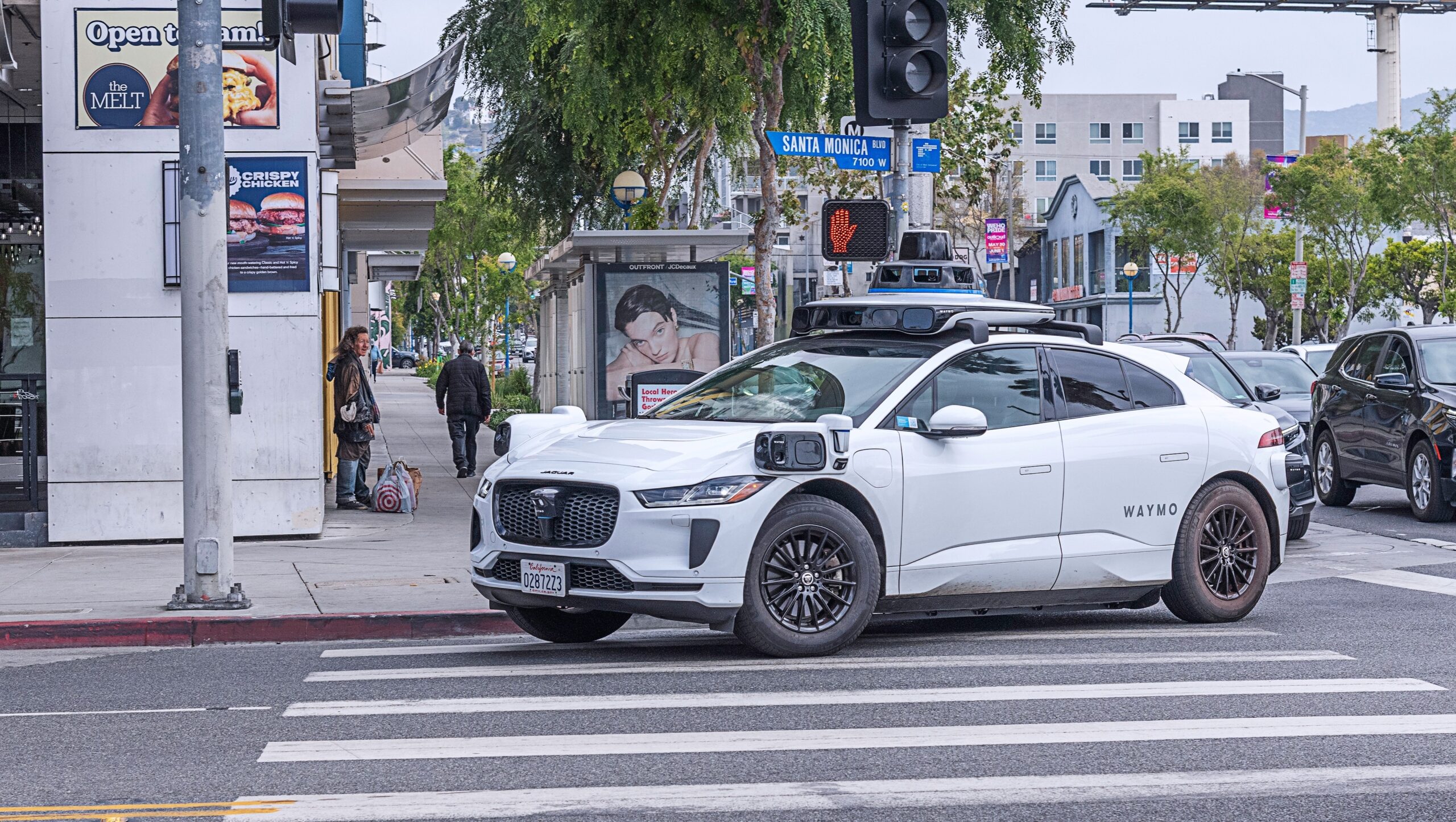
This change arrives alongside a broader regulatory overhaul that positions California as one of the most aggressive jurisdictions in shaping autonomous vehicle policy.
The DMV describes the framework as the most comprehensive in the United States, with a dual focus on scaling the industry and tightening safety oversight.
One of the headline shifts is the green light for heavy-duty driverless trucks to operate on public roads, opening a new frontier for freight automation. That move will be watched closely by logistics firms, OEMs, and suppliers evaluating the viability of autonomous long-haul transport.
The new rules also respond directly to real-world disruptions seen in recent months.
In San Francisco, a power outage involving Pacific Gas and Electric Company left a fleet of robotaxis immobilized across city streets, creating congestion and complicating access for emergency responders.
Under the updated policy, autonomous vehicle operators must respond to calls from first responders within 30 seconds. That requirement introduces a strict service-level expectation, more in line with mission-critical systems than consumer mobility services.
Emergency Powers, Real Consequences
Authorities are also gaining new tools to manage autonomous fleets during emergencies.
Works anywhere, anytime https://t.co/CIk0paW5Zp
— Tesla Robotaxi (@robotaxi) June 24, 2025
Local officials can now geofence vehicles away from active incidents and order any units that are already inside restricted zones to exit immediately. This is a significant operational constraint, as it demands real-time coordination between fleet management systems and public safety agencies.
Failure to comply carries meaningful consequences, including suspension or revocation of operating permits.
Another key pillar of the regulations is human oversight, even in a driverless paradigm. Remote operators, who can intervene and control vehicles when necessary, will now be subject to formal licensing and permitting requirements.
This adds a layer of professional accountability similar to that imposed on commercial drivers, even if the control is exercised from afar rather than behind a steering wheel.
Data transparency is also expanding. Autonomous vehicle companies must provide more detailed reporting on safety performance, including system failures, unexpected stops, hard braking events, and collisions.
This dataset will give regulators deeper visibility into how these systems behave in real traffic conditions and could influence future rulemaking, insurance models, and public trust.
California’s expanded transparency mandate lands at a pivotal moment, just as Tesla’s long‑promised robotaxi fleet and even its autonomous Semi are finally edging into production.

Historically, Tesla has resisted detailed disclosure of system failures and crash data, often clashing with regulators over the opacity of its Autopilot and Full Self‑Driving programs.
That stance stands in sharp contrast to Waymo, which has cultivated credibility by publishing safety reports and engaging openly with regulators.
Now, with California requiring granular reporting on collisions, hard braking, and unexpected stops, Tesla faces a regulatory environment that demands the very transparency it has sidestepped.
The timing is critical, because Tesla is not alone—Cruise, Zoox, Motional, and Chinese entrants like Baidu’s Apollo are all pressing into the autonomous taxi space. As competition intensifies, California’s framework could become the de facto standard, forcing every player to reconcile innovation with accountability in ways that will shape the industry’s trajectory.
Beyond Fines: Real Teeth
The enforcement mechanisms embedded in the policy are notable. Companies that fall short of compliance risk operational restrictions that go beyond fines.
The DMV can limit fleet size, cap vehicle speeds, restrict geographic coverage, or even prohibit operations under certain weather conditions if safety concerns arise. For automakers and tech firms, that introduces a dynamic regulatory ceiling that can directly impact scalability and revenue projections.
Taken together, these changes mark a transition from experimental deployment to structured integration of autonomous vehicles into the transport ecosystem. California is signaling that innovation will continue, but under tighter supervision and clearer accountability.
For the automotive sector, especially those invested in autonomy, the era of regulatory gray zones is closing, and the next phase will be defined as much by compliance and operational discipline as by technological capability.
Sources: San Francisco Standard