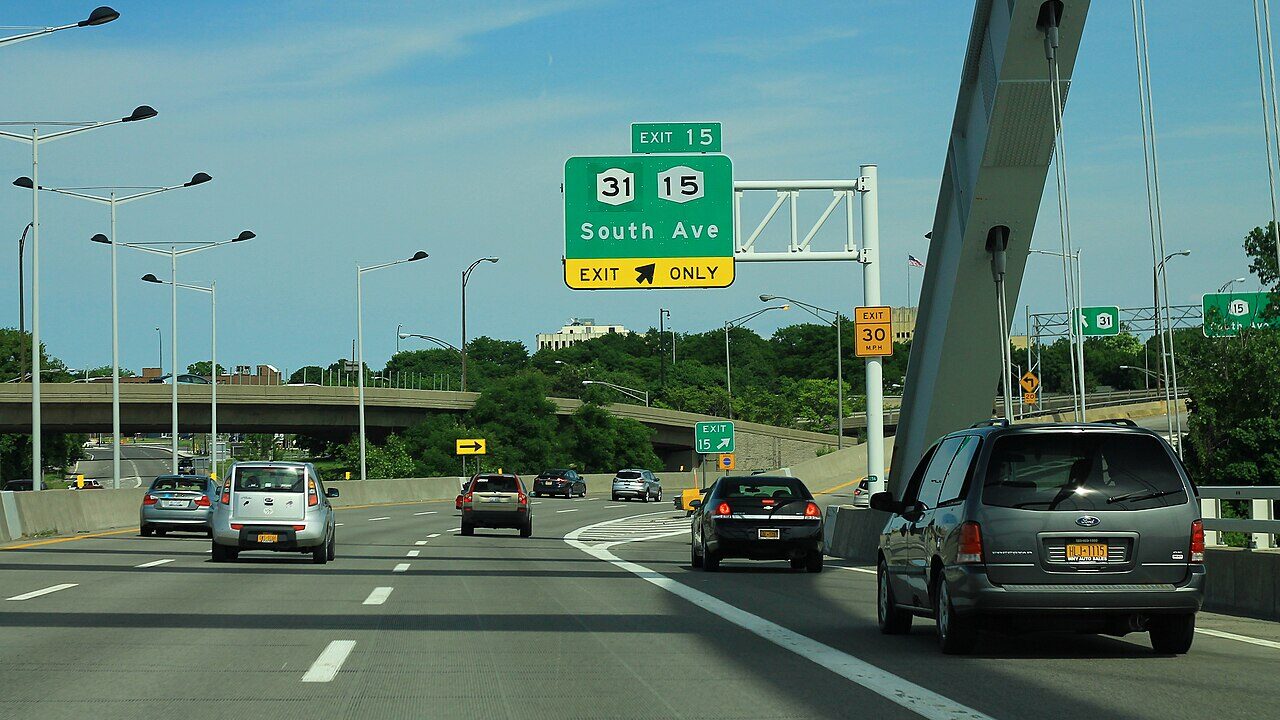

For drivers in Rochester, New York, Interstate 490 is just another stretch of asphalt that carries commuters to work and back.
That changed dramatically in late 2024 when a network of automated speed cameras transformed the road into something far more costly.
Over a span of just 25 days, more than 26,000 speeding tickets were issued. That works out to over 1,000 violations per day, an astonishing volume for a single corridor.
Even using conservative estimates, those citations generated about $1.3 million in fines. Officials framed the system as a safety measure designed to curb dangerous driving, but the sheer scale of enforcement has left many questioning whether revenue became part of the equation.
Drivers Caught Off Guard
For many motorists, the experience felt like a trap. One of them, Kent Kroemer, described being hit with three separate tickets within a short period. For him and others, a daily commute turned into an unexpected financial burden.
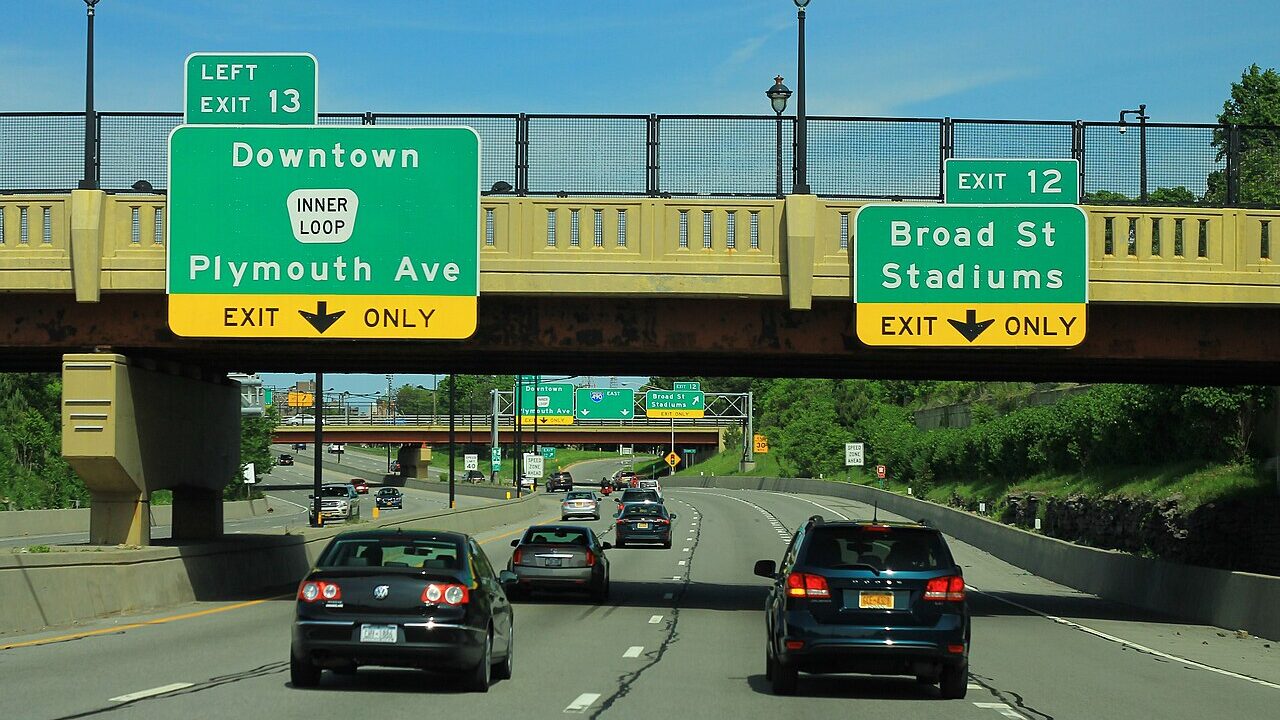
The frustration did not stop at the tickets themselves. Kroemer and others who chose to challenge their citations described a system that felt stacked against them. Instead of authorities clearly proving a violation, some drivers felt they had to prove their innocence.
The process, according to Kroemer, felt like facing multiple officials aligned on the same side, leaving defendants at a disadvantage.
That perception may help explain why so few people fought back. Out of the tens of thousands of tickets issued, only 239 drivers took their cases to traffic court.
Even among those who tried, success was rare. All but 40 challenges were unsuccessful, making the decision to contest a ticket feel like a gamble with low odds of success.
A Judge Steps In
The situation took a turn when a judge reviewed a portion of the cases and decided to overturn a group of the automated tickets. In doing so, the court raised serious concerns about how the enforcement system operated.

The ruling criticized the handling of evidence and the overall process used in Rochester’s traffic court. The judge described the proceedings in unusually harsh terms, pointing to a lack of sufficient proof in some cases.
That criticism has fueled broader doubts about the reliability of the system and whether all those fines were even justified at all.
However, the judge’s decision came with a big setback. While some tickets were overturned, the ruling does not undo fines already paid by most drivers. That leaves a lingering issue hanging over the entire episode.
If certain cases failed under scrutiny, it raises the possibility that others may have been flawed as well, even if they were never challenged.
What Now?
This story taps into a broader reality that drivers across the United States already deal with. Speeding tickets are among the most common traffic violations, and they carry a financial punch. The average fine hovers around $150, but depending on the circumstances, it can climb to $500 or more.
The cost does not end with the ticket itself. Insurance premiums often rise after a violation, and additional fees can stack on top of the original fine. A single incident can ripple into a long-term expense that many drivers never planned for.
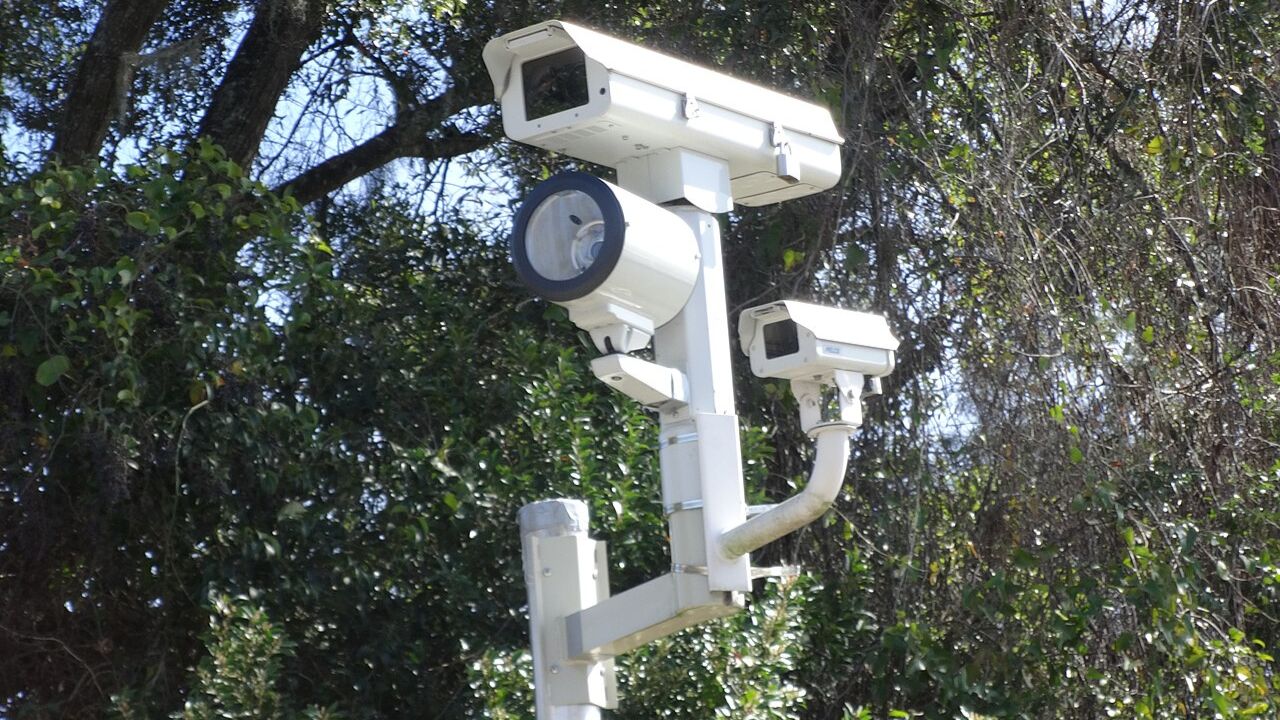
Automated enforcement systems like the one used on I-490 are often introduced in the name of safety. Yet they also create a steady stream of revenue and can impact large numbers of people in a short time.
For commuters who travel the same route every day, even a small change in enforcement can have outsized consequences.
The Rochester case highlights how the cost of driving can expand beyond fuel, maintenance, and insurance. Sometimes, the biggest expense arrives later, in the form of a ticket that raises questions not just about speed, but about fairness and accountability in the system.
Sources: MoneyWise