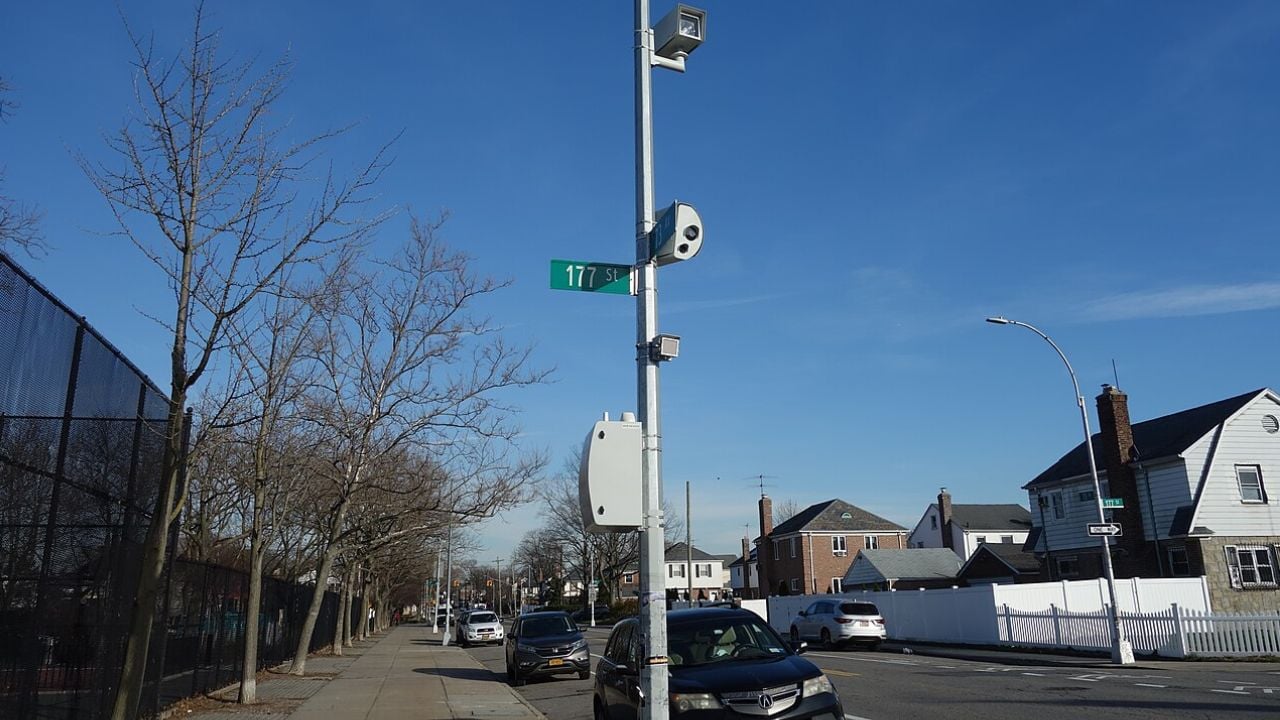

For decades, American drivers have fretted about red-light cameras and speed traps. Now a new breed of traffic cop is rolling out worldwide — silent, automated, and powered by artificial intelligence, and it is racking up violations in numbers that even seasoned motorists might find startling.
In a pilot deployment around Athens, Greece, one AI-enabled traffic camera recorded more than 1,000 traffic violations in just four days on busy urban roads. That camera alone flagged drivers for using mobile phones while driving, failing to wear seatbelts, speeding, and other risky behavior. Across just eight cameras operating in the pilot, authorities logged roughly 2,500 violations in that same period.
This system represents the next generation of automated enforcement, going well beyond traditional speed or red-light cameras, and it is part of a broader global trend that raises questions about safety, privacy, and the future of policing on American roads.
How the System Works
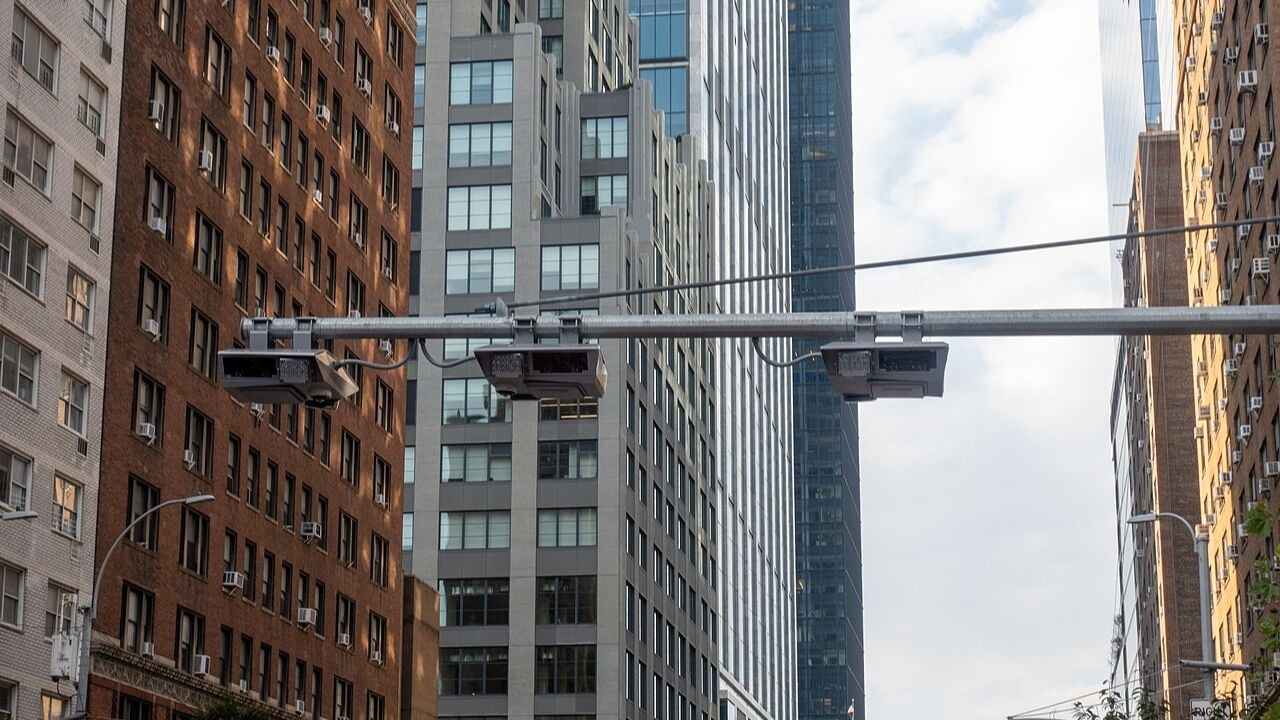
Unlike older cameras that could only measure speed or detect a red-light infraction, these AI units use real-time computer vision and pattern recognition to classify multiple types of violations. They automatically record high-resolution images and video with encrypted timestamps. Once a violation is confirmed, notifications are sent digitally, often by SMS, email, or through a government portal.
According to Greece’s Ministry of Digital Governance, plans call for about 2,500 cameras nationwide, including fixed units at high-risk intersections and mobile units on public buses to monitor misuse of bus lanes. That expansion is expected to continue into 2026.
These systems also typically incorporate automated license-plate recognition so digital records can be matched to vehicle owners without human intervention. Fully implemented, the technology could dynamically suspend licenses, generate fines, or even tie into broader digital enforcement systems. A new day has come.
Enter America
In the United States, debates around traffic enforcement have long been heated. Red-light cameras and automated speed enforcement are already controversial in states like California, where a new camera enforcement law imposes fines for running red lights after a grace period ended on January 5, 2026. Critics argue this creates revenue incentives over safety gains, while proponents say it curbs one of the leading causes of urban fatalities.
According to the National Highway Traffic Safety Administration (NHTSA), distracted driving, often involving phone use behind the wheel, was linked to nearly 3,500 deaths in 2023 alone and continues to top lists of dangerous behaviors on U.S. roads. Having an automated system that identifies phone use could, in theory, reduce fatalities by forcing compliance more consistently.
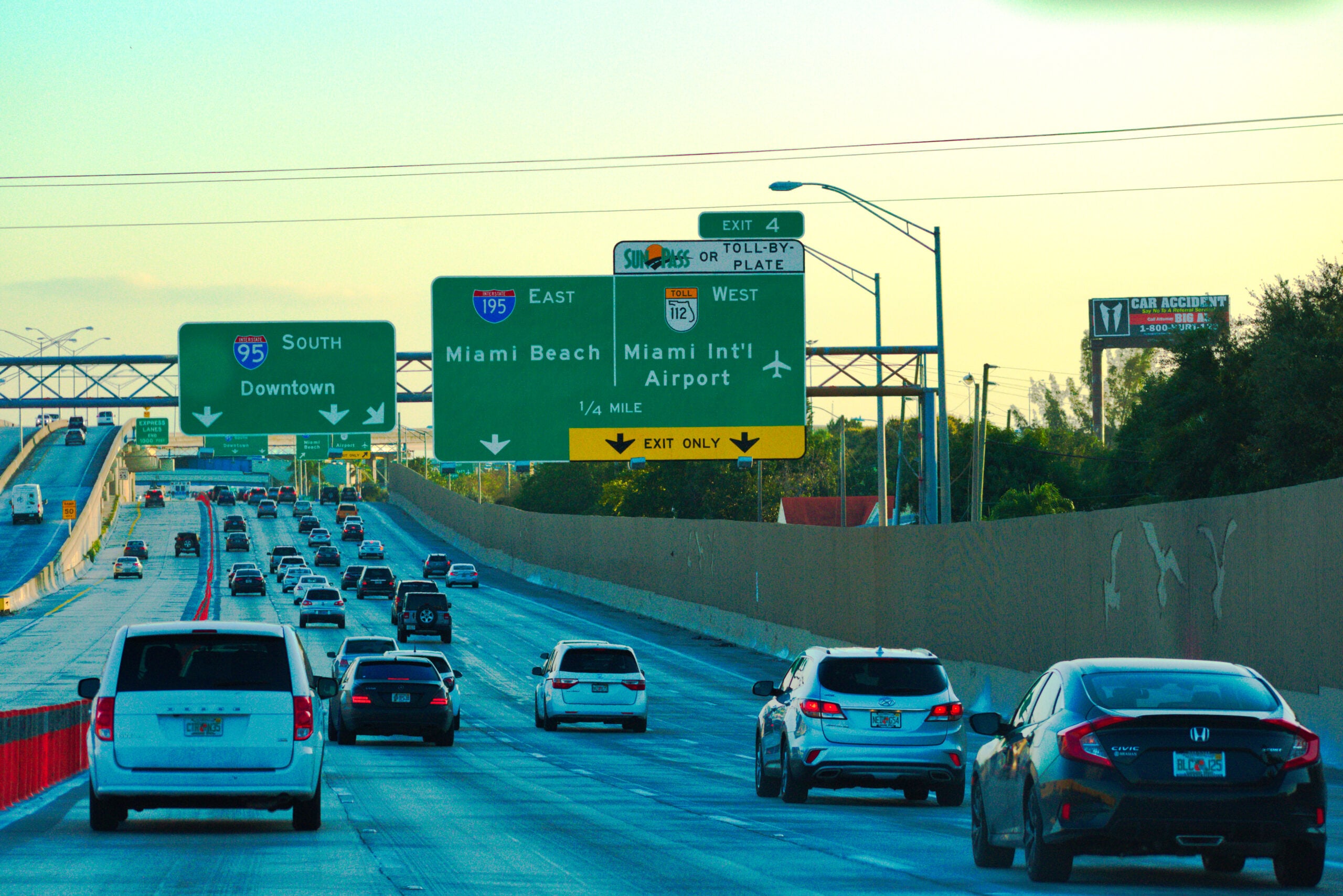
But concerns about privacy, race and class bias, and due process are already surfacing in U.S. cities experimenting with similar technologies. In Dallas, for example, more than 600 AI-powered traffic cameras mounted on poles are already in use, and not without prompting public debate about surveillance, data retention, and whether such systems constitute an overreach of government monitoring.
Athens is hardly alone. Multiple Asian cities have deployed AI systems that catch everything from vehicles ignoring red lights to failing to wear helmets. In Hanoi, an AI-integrated network of nearly 1,900 cameras detected over 1,000 violations in its first week of full operation. Proponents argue that such Big Brother-like surveillance helps smooth traffic flows as well as enforce compliance.
In India’s Kerala state, AI cameras recorded more than 3,288,657 violations in six months, notably increasing data on seatbelt compliance and other safety metrics. In Karachi, a new AI e-challan traffic system issued over 2,600 fines within six hours of launch, demonstrating how quickly automated enforcement can ramp up.
Safety vs Surveillance: An American Debate
Those in support of AI enforcement point to potential safety gains. Advocates reference studies suggesting that consistent enforcement reduces risky behavior, whether it is speeding, running red lights, or distracted driving. They’re all factors in the roughly 38,000 annual traffic fatalities the U.S. still experiences each year.
But civil libertarians and privacy advocates warn that widespread camera networks could become tools of mass surveillance. Without transparent rulemaking, independent auditing, and strong data protections, Americans may find themselves in a world where every turn is monitored and judged by an algorithm long before a human ever sees it.
As Greece’s rollout accelerates and jurisdictions globally push forward with AI enforcement, the United States will likely see more pilot programs in the coming year. Policymakers will have to decide whether the promise of fewer deaths and more consistent enforcement is worth the tradeoffs around privacy, equity, and due process.
If history with red-light cameras and automated tickets is any guide, some American drivers will welcome the reduction in unsafe behavior. Others will fight what they see as a future of constant, faceless traffic policing.
Sources: GreekReporter.com, Keep Talking Greece, ProtoThema English