Road rage is one of those things that happens to almost everyone eventually. Someone cuts you off, you mutter something under your breath, maybe you honk, and then life goes on. But every now and then, a highway grudge match escalates into something far more memorable — like when one of the drivers involved turns out to be a federal agent with a set of lights in his truck.
That is roughly the situation that unfolded recently in the Sykesville, Maryland, area, and it is now being included in a public safety report set to be presented at an upcoming Sykesville Town Council meeting. What started as a dispute over a simple lane merge on Route 32 near the West Friendship Volunteer Fire Department snowballed into a 7-Eleven confrontation that had both parties calling for backup in their own way.
The whole saga involves a 45-year-old ATF agent named Samuel Katz, a 56-year-old driver named Rachel Stubbe, one very spirited middle finger, and what appears to be a very uncomfortable parking lot face-off. The Sykesville Police Department responded and ended up having a frank word with both of them.
No arrests were made. Nobody went to jail. But the incident was notable enough to make the town’s official public safety report, which tells you something about how the evening went.
What Actually Happened on Route 32
According to Sykesville Police, Katz reported that Stubbe refused to allow him to merge onto northbound Route 32. From there, rather than everyone going their separate ways and stewing privately, the situation escalated. Stubbe allegedly followed him into Carroll County and, after passing his vehicle, delivered the universally understood single-finger salute.
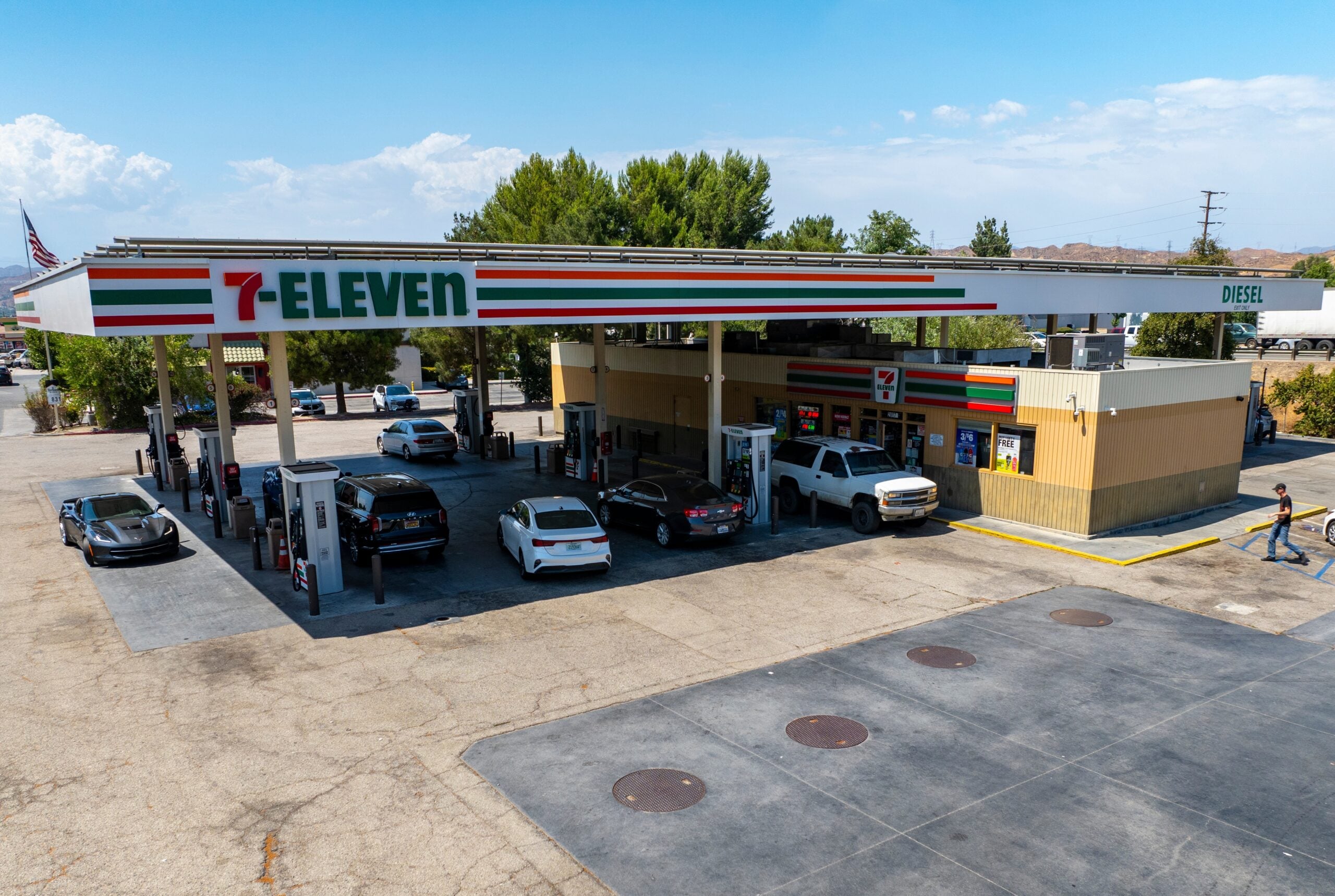
Katz, driving an unmarked Chevrolet truck, then activated red and blue police-style lights. He followed Stubbe into a 7-Eleven parking lot, where the two got out of their vehicles and, let’s say, exchanged perspectives.
Stubbe’s Side of the Story
Stubbe told a very different version of events to officers. From her point of view, she had no idea who Katz was or whether his unmarked truck with flashing lights represented any kind of legitimate law enforcement. That is a fair concern. An unmarked vehicle with lights is not exactly an obvious squad car.
She also told police that during the merge, Katz had pushed her into the median — which is a significant detail that paints the original interaction in a very different light than a simple failure to yield. She was concerned enough about being followed by a vehicle she did not recognize that she called 911 herself. That is actually the instinct authorities encourage people to have when they are uncertain whether someone tailing them with lights is actually law enforcement.
What the Police Did About It
Officers from the Sykesville Police Department responded to the 7-Eleven and sorted through the competing accounts. After listening to both sides of the story, they advised both Katz and Stubbe. No citations were issued, no one was taken into custody, and the incident was ultimately classified in a way that landed it in the public safety report rather than the arrest log.
The fact that both parties were simply “advised” suggests that police found enough merit and enough fault on both sides to leave it at a warning and a very awkward parking lot conversation.
What This Incident Can Teach the Rest of Us
There are actually a few genuinely useful takeaways from this story that go beyond the obvious “don’t flip off strangers on the highway” advice.
First, if you are not sure whether someone following you with flashing lights is real law enforcement, you are legally and practically within your rights to be cautious. Experts and law enforcement agencies consistently recommend that drivers who are uncertain should slow down, turn on hazard lights, call 911 to verify, and drive to a well-lit public place — which, ironically, is exactly what Stubbe did by pulling into the 7-Eleven. The guidance is not to stop on a dark road for an unmarked vehicle you cannot verify.
Second, off-duty law enforcement officers using emergency lights outside of clearly sanctioned situations can create real confusion for the public. Whether or not Katz had the authority to activate those lights in a personal vehicle during an off-duty road dispute is a question worth asking.
Third, and perhaps most simply: merging is one of the leading triggers for road rage incidents. A little patience in a merge lane is genuinely worth it. No destination is worth a parking lot argument, a police visit, and a spot in your town’s public safety report.
The Sykesville Town Council will hear about this incident at its next meeting, presumably alongside more routine public safety updates.