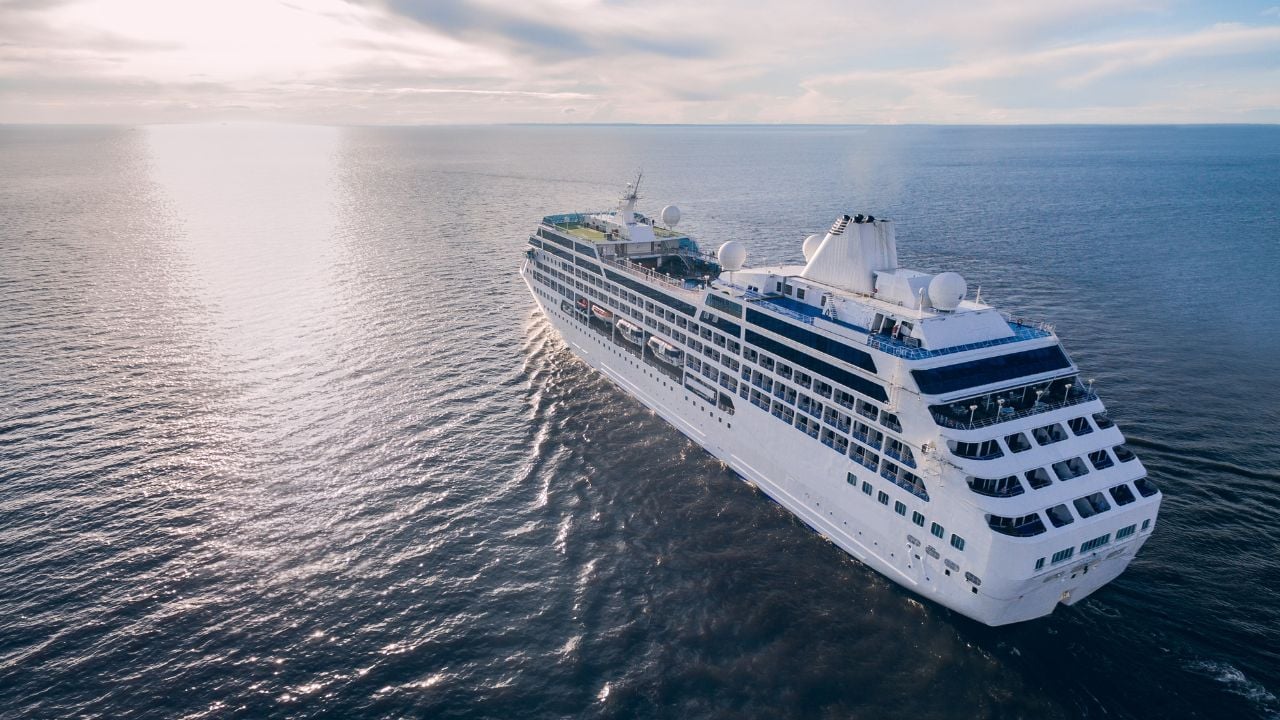
Cruising is having a huge moment, and that means ships are welcoming more first-timers, families, friend groups, and repeat guests. CLIA’s 2026 State of the Cruise Industry report says global cruise passenger volume reached a record 37.2 million in 2025, with nearly 90% of cruisers saying they intend to sail again.
That popularity can make a cruise feel exciting, social, and crowded at the same time. A ship has pools, restaurants, theaters, elevators, cabins, shops, bars, kids’ areas, and thousands of people sharing the same floating space.
Some complaints come up on nearly every sailing. A few are fair. Some are preventable. Others are simply part of choosing a vacation built around shared decks, fixed port schedules, onboard rules, and service charges.
Experienced cruisers have heard these gripes at the buffet, by the elevators, in Facebook groups, and around the pool deck. Here are seven cruise complaints many passengers are tired of hearing, along with the practical truth behind each one.
1. “There Are No Pool Chairs Anywhere”

Pool chairs are one of the oldest cruise battlegrounds. On sea days, guests often rush to the deck early, drop towels or bags on loungers, and disappear for breakfast, trivia, shopping, or a nap.
Carnival’s sun-lounger policy says deck chairs and loungers are in high demand, especially on days at sea. The same policy describes a “ChairShare Team” that monitors loungers and places timed stickers on seats that appear unoccupied.
If a chair remains empty for 40 minutes, Carnival says the belongings are removed and held for the guest’s safekeeping. The rule exists because one towel should not block another passenger from using a chair for half the afternoon.
The complaint would be smaller if guests used loungers only while they were actually using the pool deck. Saving a chair for hours and then blaming the crowd is exactly the behavior that creates the problem.
2. “The Gratuities Ruined My Budget”
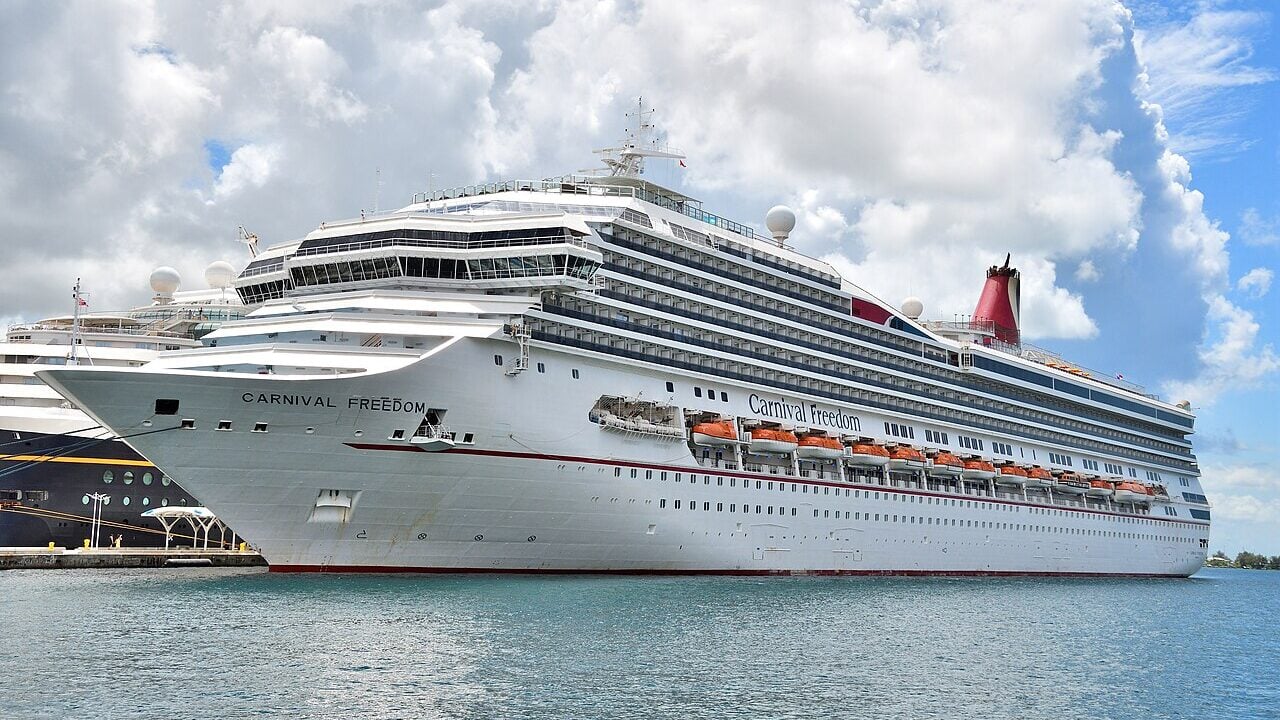
Automatic gratuities can surprise travelers who only looked at the headline fare. The cabin price is not always the full vacation price once service charges, drinks, specialty dining, spa visits, Wi-Fi, excursions, and port costs enter the budget.
Royal Caribbean’s gratuity policy says guests who do not prepay gratuities have a daily service gratuity automatically applied to their SeaPass account. The listed amounts are $21 per guest, per day for suites and $18.50 per guest, per day for other stateroom categories.
The same policy says an 18% gratuity is automatically added to beverages, beverage packages, specialty dining, room service, and minibar purchases, while spa and salon purchases receive a 20% gratuity.
The complaint is understandable when someone discovers the charges late. The fix is to calculate the real trip cost before booking, not on the final night when the onboard account is already full.
3. “They Changed the Itinerary”
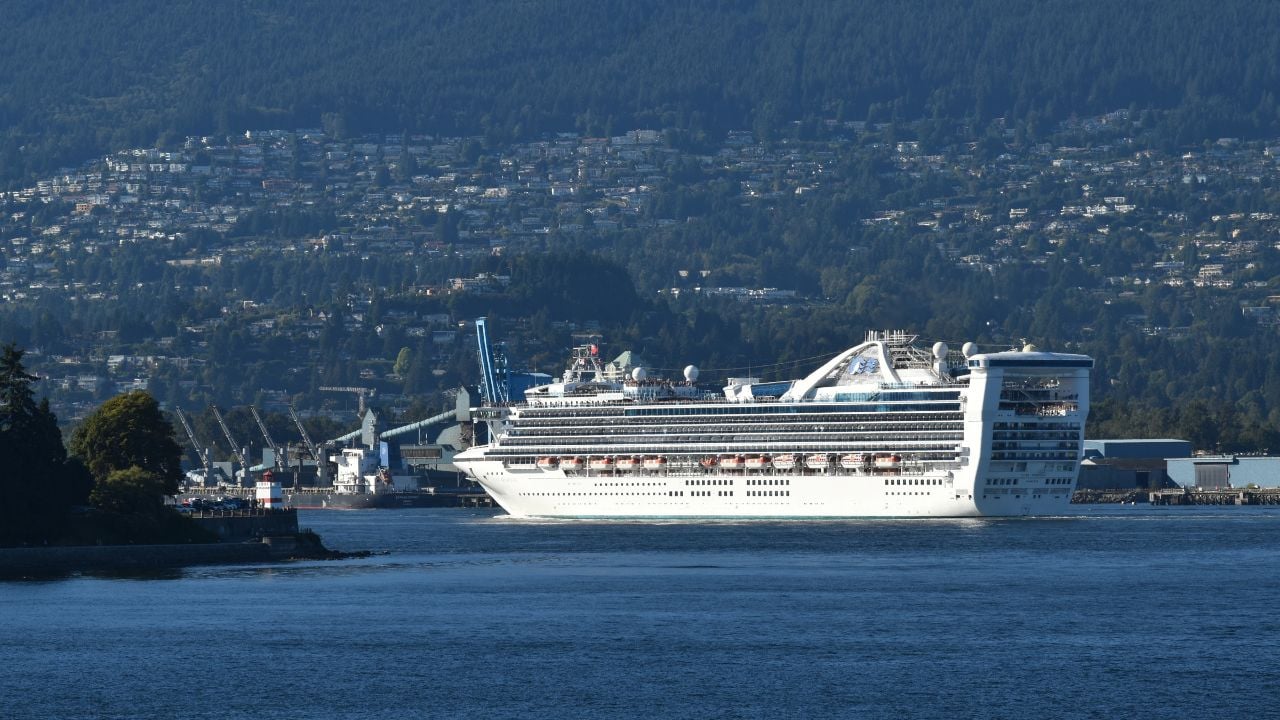
A missed port can be disappointing, especially when a passenger booked the cruise for one island, city, or private destination. Weather, port congestion, strikes, mechanical issues, safety concerns, and tender conditions can all affect where a ship goes.
Royal Caribbean’s itinerary-change policy says the cruise line may cancel, advance, postpone, or deviate from a scheduled sailing or port of call for reasons such as weather conditions or mechanical difficulties.
Passengers can be upset about a lost port and still recognize the safety reason behind many changes. A captain cannot treat a printed itinerary as more important than weather, sea conditions, or port safety.
Anyone booking during hurricane season, choosing routes with tender ports, or sailing to weather-sensitive destinations should keep one backup plan in mind. If one altered stop ruins the entire vacation, the cruise was probably too dependent on that single port.
4. “People Were Dressed Wrong at Dinner”
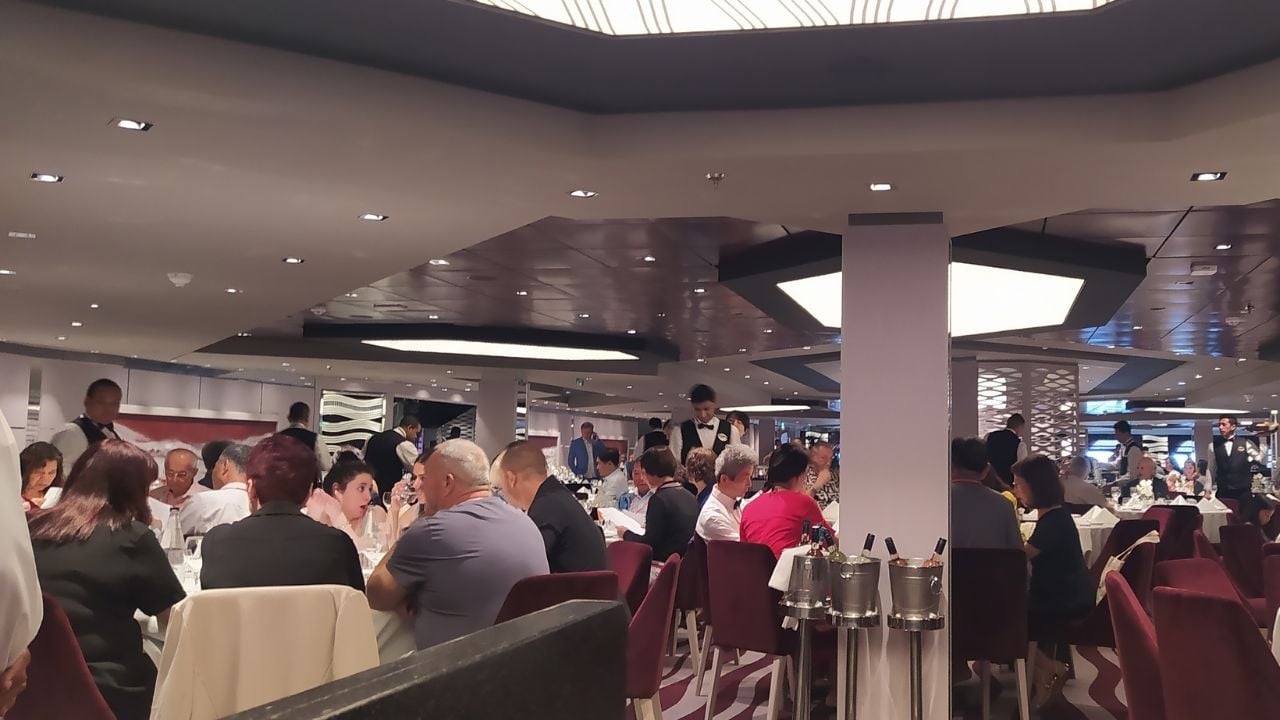
Dining room dress codes create arguments because passengers bring different expectations to the same ship. Some want formal nights to feel polished. Others booked a casual vacation and do not want to pack jackets, heels, or eveningwear.
Carnival’s dress-code guidance says most evenings are Cruise Casual, while one or two evenings give guests the chance to dress in Cruise Elegant clothing. The same page notes that the buffet on the Lido deck is an alternative for guests who prefer a more relaxed option on those nights.
Dress expectations vary by cruise line, restaurant, itinerary, and price point. A luxury sailing in Europe will not feel the same as a short warm-weather cruise built around pool time and casual dining.
If dinner atmosphere matters, read the dress policy before booking. Getting angry at strangers in sandals rarely improves the meal.
5. “Someone Was Smoking or Vaping Where They Should Not”

Smoke complaints can turn a balcony, hallway, casino area, or nearby lounge chair into a tense situation quickly. Cruise ships allow smoking only in specific places, and cabin rules can be strict.
Royal Caribbean’s smoking policy says smoking and vaping are not permitted inside any stateroom or on any stateroom balcony. A violation can lead to a $250 cleaning fee on the guest’s SeaPass account.
Smoke affects nearby guests, lingers in fabrics, and creates extra work for the crew. A balcony may feel private, but smoke does not stay inside one reservation.
Use the posted smoking areas and ask crew members if the rules are unclear. Lighting up in the wrong place is not a harmless shortcut; it can create a bill, a complaint, and a bad cabin-neighbor situation.
6. “Everyone Is Sick on This Ship”

Cruise illness stories spread fast because nobody wants stomach problems, respiratory symptoms, or missed port days on vacation. Ships put large numbers of people into shared dining rooms, elevators, theaters, stairways, restrooms, and excursion groups.
The CDC’s Vessel Sanitation Program says cruise travel exposes people to new environments and high volumes of people, creating illness risk through contaminated food or water and, more commonly, person-to-person contact.
The CDC’s healthy cruising tips tell passengers to wash their hands often, especially after using the toilet and before eating or smoking. The same guidance tells passengers to call the ship’s medical center if they are sick and follow the medical staff’s recommendations.
Crew members can clean constantly, but passenger behavior still affects the ship. Hiding symptoms, touching buffet food with bare hands, skipping handwashing, or pushing through an illness can make the problem worse for everyone nearby.
7. “There Are Too Many Rules”
Some travelers board a cruise expecting total freedom, then get annoyed by safety drills, dining times, prohibited items, quiet hours, pool rules, smoking areas, and port deadlines.
Carnival’s prohibited-items list includes boom boxes, radios, and all types of speakers, including Bluetooth, portable, and wireless speakers. The same page says guests must use earphones when listening to music or watching shows and movies on personal devices in public spaces.
Those rules are not there to ruin vacation. They keep public announcements audible, reduce fire and noise risks, protect shared spaces, and make thousands of passengers easier to manage in a confined environment.
A cruise is part resort, part transportation, and part managed community. Learn the basic rules early, then relax inside those boundaries instead of turning every policy into a fight with the crew.