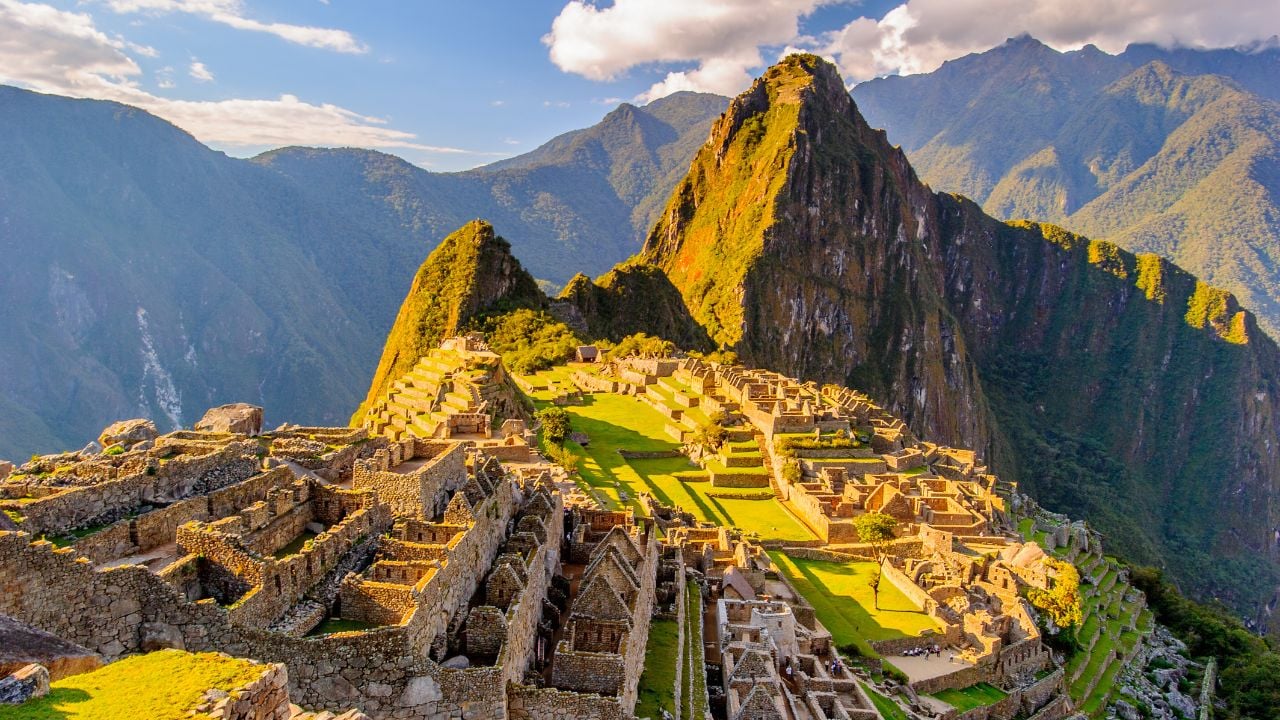
Some destinations look simple in photos. Venice shows a quiet canal, Machu Picchu shows terraces in the clouds, Bali shows temple gates and pools, the Galápagos shows wildlife at close range, and Rocky Mountain National Park shows open alpine scenery.
The actual trip usually has more steps. Visitors may need entry fees, timed tickets, route choices, tourist levies, shuttle planning, wildlife rules, reservation windows, or proof of access before reaching the main attraction.
None of these places should be crossed off a travel list. Each one can be excellent with the right planning. The problem starts when travelers book from the photo alone and miss the rules that shape the visit.
A better trip starts with the official details. Check the entry system, choose the correct ticket or route, budget beyond the headline price, and leave space in the schedule for transport, crowds, weather, and access checks.
1. Venice, Italy
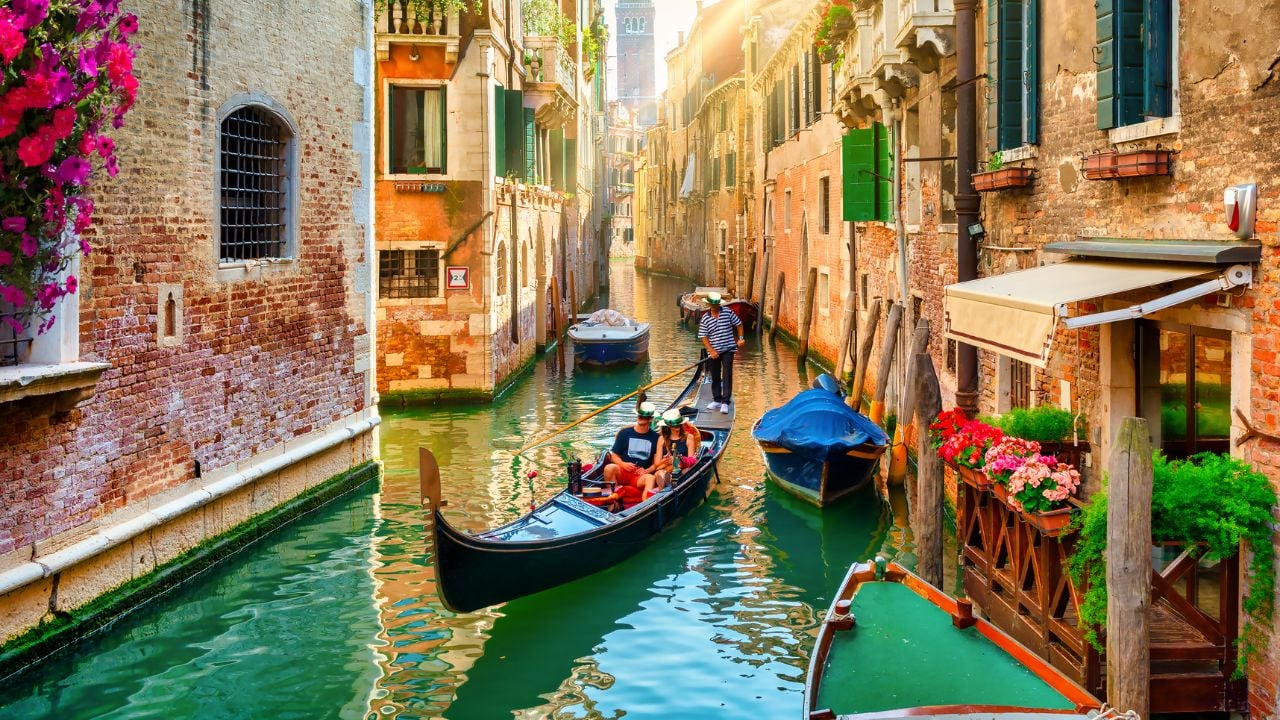
Venice can look quiet from the right bridge, with gondolas, palaces, narrow lanes, and the Grand Canal giving travelers the image they came to see. A day visit now needs more preparation than many first-time visitors expect.
The official Venice Access Fee portal says the 2026 access fee starts on April 3 and applies only on highlighted dates from 8:30 a.m. to 4 p.m. On dates that are not highlighted, the official page says no payment or exemption action is required.
Day visitors should check the calendar, understand the exemptions, and keep their access code available in case of controls. The fee does not apply to every visitor or every date, but guessing at the station, parking area, or cruise terminal can create unnecessary stress.
Overnight guests usually get more flexibility, especially early in the morning and later in the evening after many day visitors leave. Venice is easier to enjoy with time for slow walks, side streets, water buses, bridge crossings, and crowded areas around Rialto and St. Mark’s.
2. Machu Picchu, Peru

Machu Picchu photos often show terraces, green peaks, stone walls, and clouds moving over the Andes. The visit itself is tightly organized around tickets, entry times, circuits, routes, train connections, and bus transfers.
Peru’s official Machu Picchu site says online tickets are sold through the Peruvian State Platform for the Management of Visits to Cultural Centers. The same official site organizes visitor access through circuits and routes, with schedules tied to the route a traveler chooses.
The ticket choice affects what visitors can actually see. A traveler can enter the site and still miss a preferred viewpoint, classic photo angle, or route section if the wrong circuit is selected during booking.
Passport details, entry times, train plans, bus connections, altitude, and weather all need space in the schedule. Machu Picchu is best planned like a timed cultural site, not a place where visitors can wander freely after arrival.
3. Bali, Indonesia

Bali’s travel image is powerful: rice terraces, temple gates, beach clubs, surf breaks, flower offerings, and pool villas tucked into tropical greenery. The island also has local rules, traffic realities, and cultural expectations that can shape the trip as much as the hotel choice.
The official Love Bali FAQ says foreign tourists are subject to a Rp 150,000 levy per person, paid once while traveling in Bali. The levy is connected to Bali’s effort to support culture, environmental protection, and tourism management.
Visitors should also plan around temple etiquette, clothing expectations, local customs, and proper conduct in sacred places. A temple visit is not just a photo stop; it is a visit to an active cultural and religious site.
Travel times need attention before booking hotels and day trips. A route that combines Canggu, Ubud, Uluwatu, and the airport corridor can turn into hours in traffic. Bali usually works better with one or two bases, buffer time between areas, and a plan that avoids crossing the island too often.
4. Galápagos Islands, Ecuador

The Galápagos are known for sea lions, blue-footed boobies, marine iguanas, volcanic shores, and clear water. Visitors also need to budget for entry requirements and follow strict rules in protected areas.
The Galápagos Government Council lists the national park entrance fee for international visitors over 12 at US$200 and for international visitors under 12 at US$100. The same official page says the fee helps finance conservation, protected-area management, and sustainable development on the populated islands.
Travelers should also prepare for arrival requirements before flying to the islands. Galápagos Conservancy’s planning guidance says visitors must obtain a mandatory US$20 tourist transit card and pay the park entrance fee upon arrival in the Galápagos.
Wildlife viewing comes with strict boundaries. Galápagos Conservancy’s park rules say visitors in protected areas must be accompanied by an authorized naturalist guide, use authorized operators, stay on marked trails, and keep at least six feet, or two meters, from wildlife.
Visitors should not expect free-form beach hopping or casual wildlife encounters. The islands are protected through guided access, marked routes, operator rules, and distance requirements that keep wildlife from being treated like a tourist prop.
5. Rocky Mountain National Park, Colorado
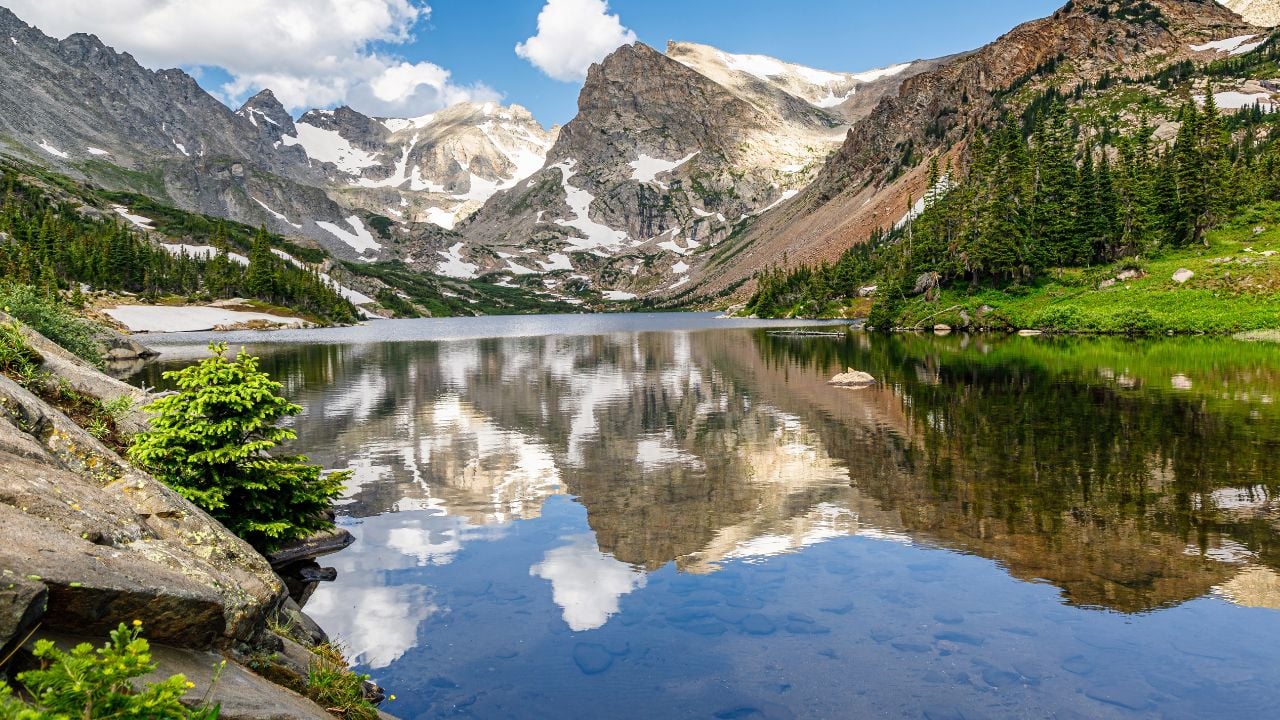
Rocky Mountain National Park has alpine lakes, elk, wildflowers, forests, and high mountain roads. During much of 2026, visitors need to choose an entry plan before driving toward the gates.
The National Park Service says Timed Entry reservations are required for most areas of the park from May 22 through October 12, 2026, between 9 a.m. and 2 p.m. Those reservations do not include Bear Lake Road.
Bear Lake Road has a separate Timed Entry+ requirement from May 22 through October 18, 2026, between 5 a.m. and 6 p.m. That reservation includes access to the Bear Lake Road Corridor and the rest of the park.
Reservations are tied to two-hour entry windows. The park says visitors who arrive late may be asked to turn around and return later, and timed-entry reservations are not sold in person at park entrance stations or visitor centers.
A valid entrance pass is still required in addition to the timed-entry reservation. The cleanest plan is to choose the park area first, reserve the correct entry type, and keep backup trails or viewpoints ready in case parking, weather, or crowds change the day.