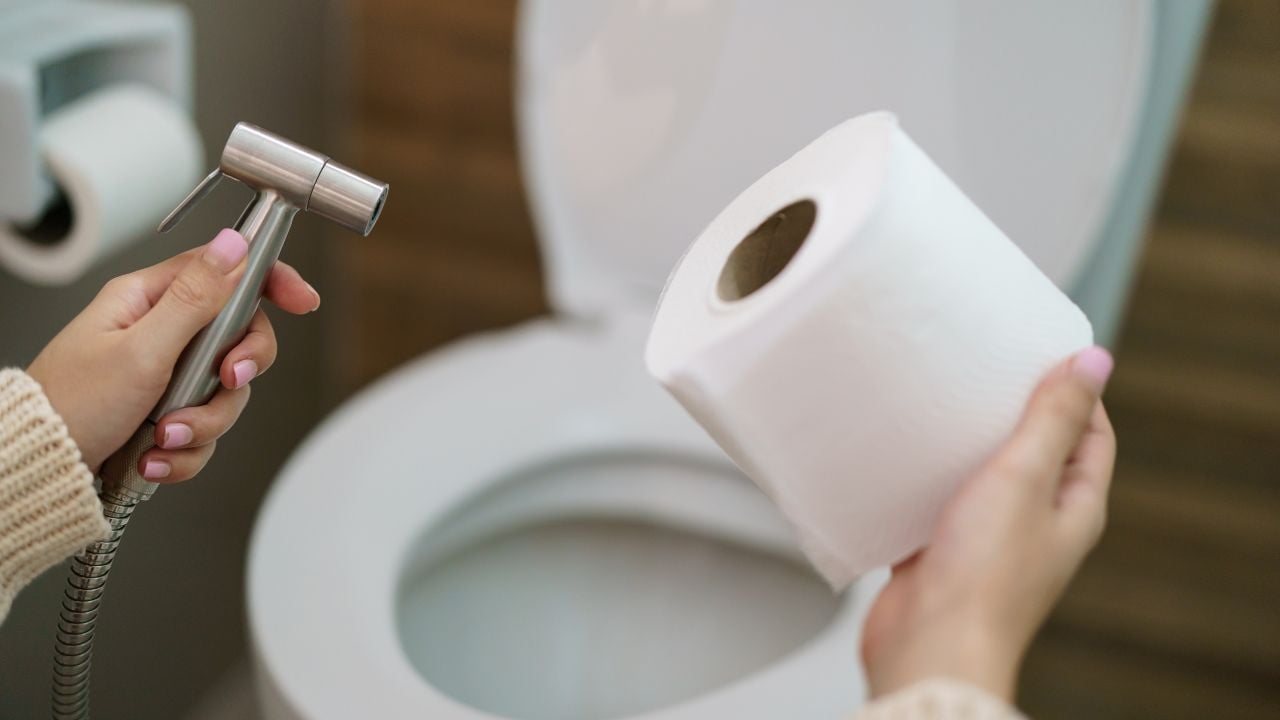
Hygiene can be one of the quickest culture shocks during international travel. A bathroom habit, dining style, or bathing routine that feels normal in one country may feel unfamiliar to someone raised with U.S. routines.
That reaction does not automatically mean the practice is unsafe. Often, it means the traveler is judging a local custom through American expectations around toilets, paper, water, utensils, or daily showers.
The habits below are common examples of that mismatch. Some are tied to plumbing, conservation, religion, etiquette, or household routines. Others simply challenge what many Americans learned at home.
The useful approach is to separate real health concerns from unfamiliar customs. Follow posted signs, wash your hands, use shared facilities respectfully, and avoid treating a different routine as wrong just because it looks strange at first.
1. Putting Used Toilet Paper in a Bathroom Bin
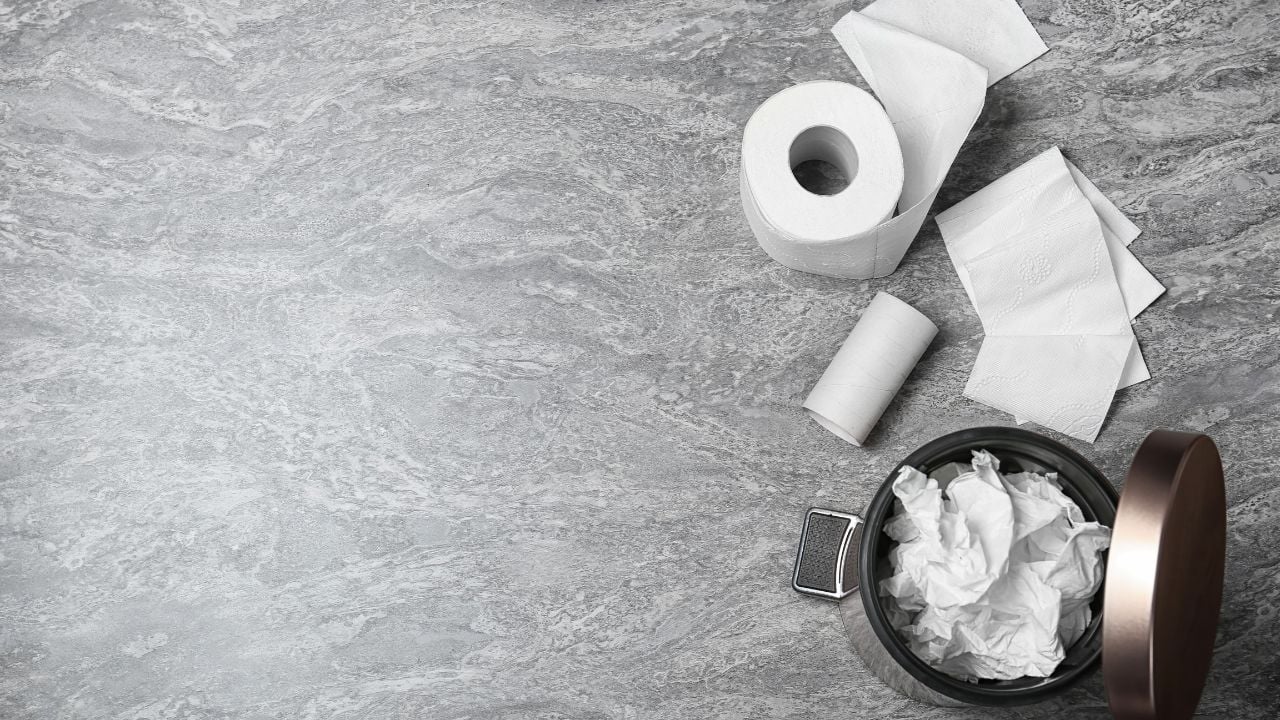
Many Americans are startled the first time they see a sign telling them not to flush toilet paper. In parts of Greece, Latin America, the Balkans, island destinations, rural areas, and older buildings elsewhere, bathroom bins are used because the plumbing may not handle paper well.
To a U.S. traveler, the bin can look unsanitary. Locally, ignoring the sign can create the bigger hygiene problem: a blocked toilet, overflow, or plumbing repair in a shared bathroom.
The Official Athens Guide tells visitors not to panic at “please do not throw paper in the toilet” signs, explaining that Athens is ancient and its sewage system is old too. That does not mean every toilet in Greece or every older building has the same rule, so the posted sign should decide the behavior.
If a bathroom asks guests to use the bin, wrap the paper if possible, close the lid when one is provided, and wash hands properly afterward. Flushing against the instruction can make the bathroom unusable for the next person.
2. Using Water Instead of Toilet Paper
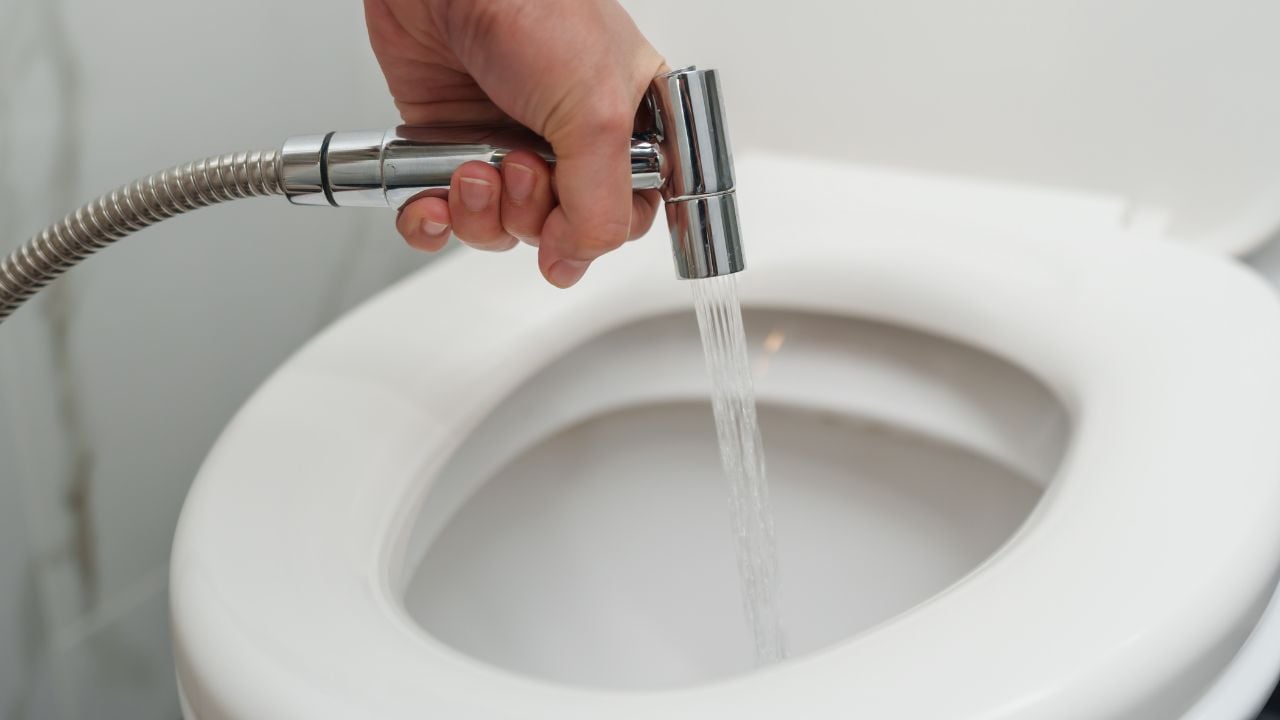
In many parts of Asia, Europe, South America, and North Africa, water-based cleaning is normal after using the toilet. A bidet, handheld sprayer, or small water vessel may feel awkward to Americans who grew up using only dry paper.
The discomfort usually comes from unfamiliarity rather than cleanliness. Water-based cleaning can feel more thorough once travelers understand how the fixture is meant to be used.
Cleveland Clinic says bidets can be considered more sanitary than traditional wiping when they are used correctly and kept clean. The same guidance notes that water direction, pressure, and maintenance matter, so the practice is not automatically foolproof.
Use the sprayer or bidet gently, avoid blasting water in the wrong direction, and keep the surrounding floor and seat clean for the next person. Handwashing remains necessary afterward.
3. Squat Toilets in Public Restrooms
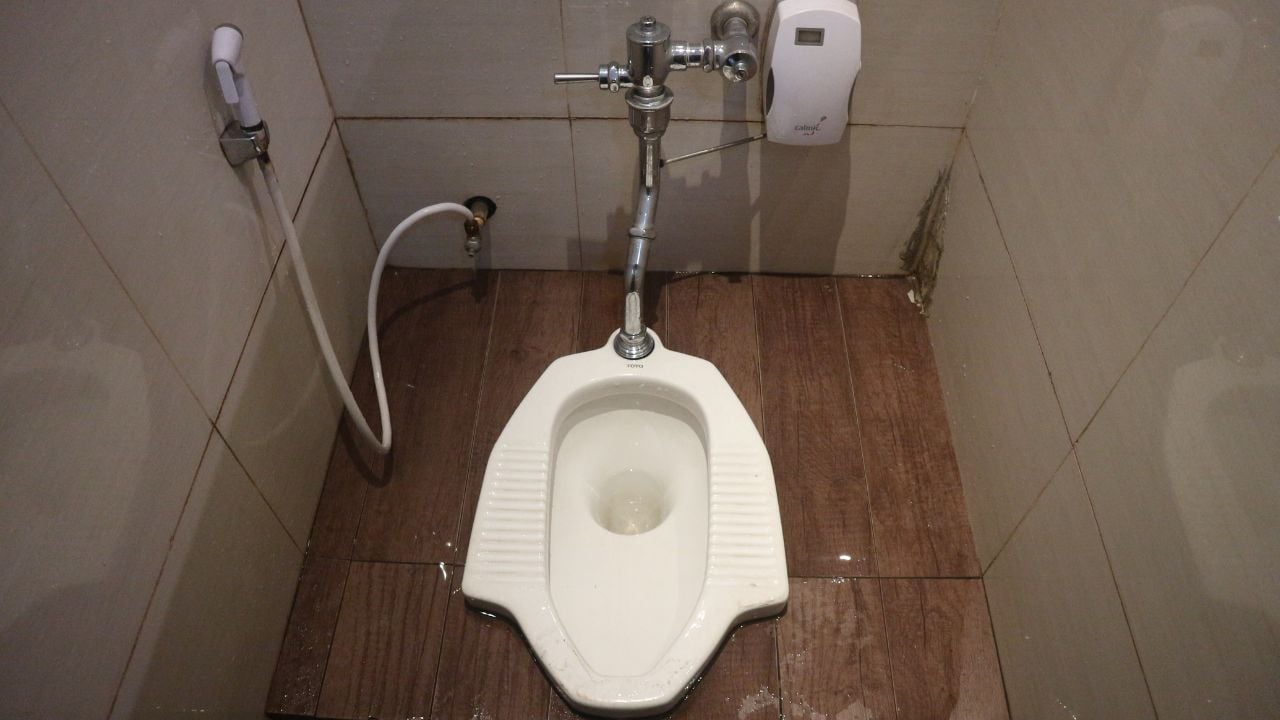
Squat toilets can make American visitors nervous because they look less familiar than seated toilets. They still appear in some public facilities, rural areas, transit stops, older buildings, and traditional venues in different parts of the world.
The fixture itself is not the hygiene issue. Cleanliness depends on maintenance, water access, ventilation, handwashing, and how previous users left the stall.
Japan’s official tourism site notes that traditional squat toilets can still be found in some train stations and old-fashioned izakaya bars, and that a traditional squat toilet can take some getting used to. Japan is also known for high-tech washlet-style toilets, which shows why travelers should not judge a whole country from one restroom design.
Carry tissues and hand sanitizer, check the stall before stepping in, and leave the area clean. The most important rule is not the toilet shape; it is whether the next person finds the stall usable.
4. Eating With Hands or From Shared Plates

For some Americans, eating directly with the hands or sharing dishes from the center of the table can look unhygienic. In many food cultures, this is normal, intentional, and tied to hospitality.
Ethiopian injera, Indian meals, Middle Eastern spreads, and other communal styles often have clear etiquette around which hand to use, how to take food, and how to avoid touching more than your own portion.
The health issue is hand cleanliness, not the absence of a fork. CDC travel guidance recommends washing with soap and water before eating and before preparing food, and using alcohol-based hand sanitizer with at least 60% alcohol when soap and water are not available.
Wash before the meal, follow the host’s lead, use serving utensils when provided, and avoid reaching across shared food with unwashed hands. The same hygiene rule applies whether the meal uses fingers, bread, chopsticks, or a fork.
5. Showering Less Than Once a Day
Americans often treat a daily shower as the normal baseline, so less frequent bathing can be judged quickly. In other households or climates, people may bathe according to activity level, water cost, skin sensitivity, weather, work conditions, or personal routine.
A traveler may notice different expectations around deodorant, hair washing, morning showers, evening showers, or shared-bathroom schedules. Those differences can create tension in hostels, shared rooms, overnight trains, or small guesthouses.
Harvard Health says there is no ideal shower frequency, and several times per week may be enough for many people unless they are grimy, sweaty, or have another reason to shower more often.
Heat, odor, exercise, physical work, and crowded shared spaces still matter. A daily shower may be the polite choice in hot weather or group travel, even if it is not medically required every day for every person.