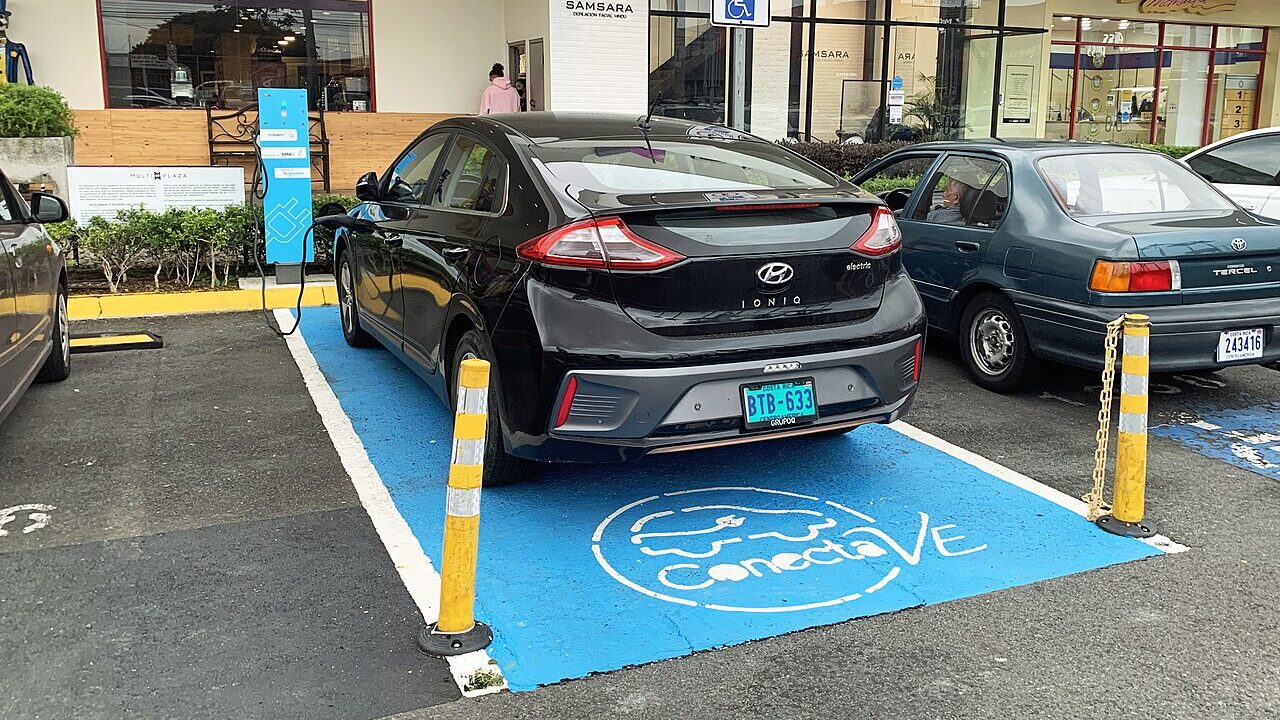

A fresh wave of optimism around electric vehicles is being driven by a simple, powerful claim: modern EVs barely lose range over time.
The figure making the rounds online, amplified by InsideEVs, comes from a new dataset published by Recurrent, which suggests that most electric cars retain about 95 percent of their original driving range after five solid years.
That number lands squarely on one of the industry’s most sensitive fault lines. For years, battery degradation has been the shadow hanging over electrification. Buyers worry about resale value, long-term usability, and the cost of replacement packs.
A five percent drop over half a decade may not eliminate those concerns, but it certainly puts things in new perspective.
The 95% Claim
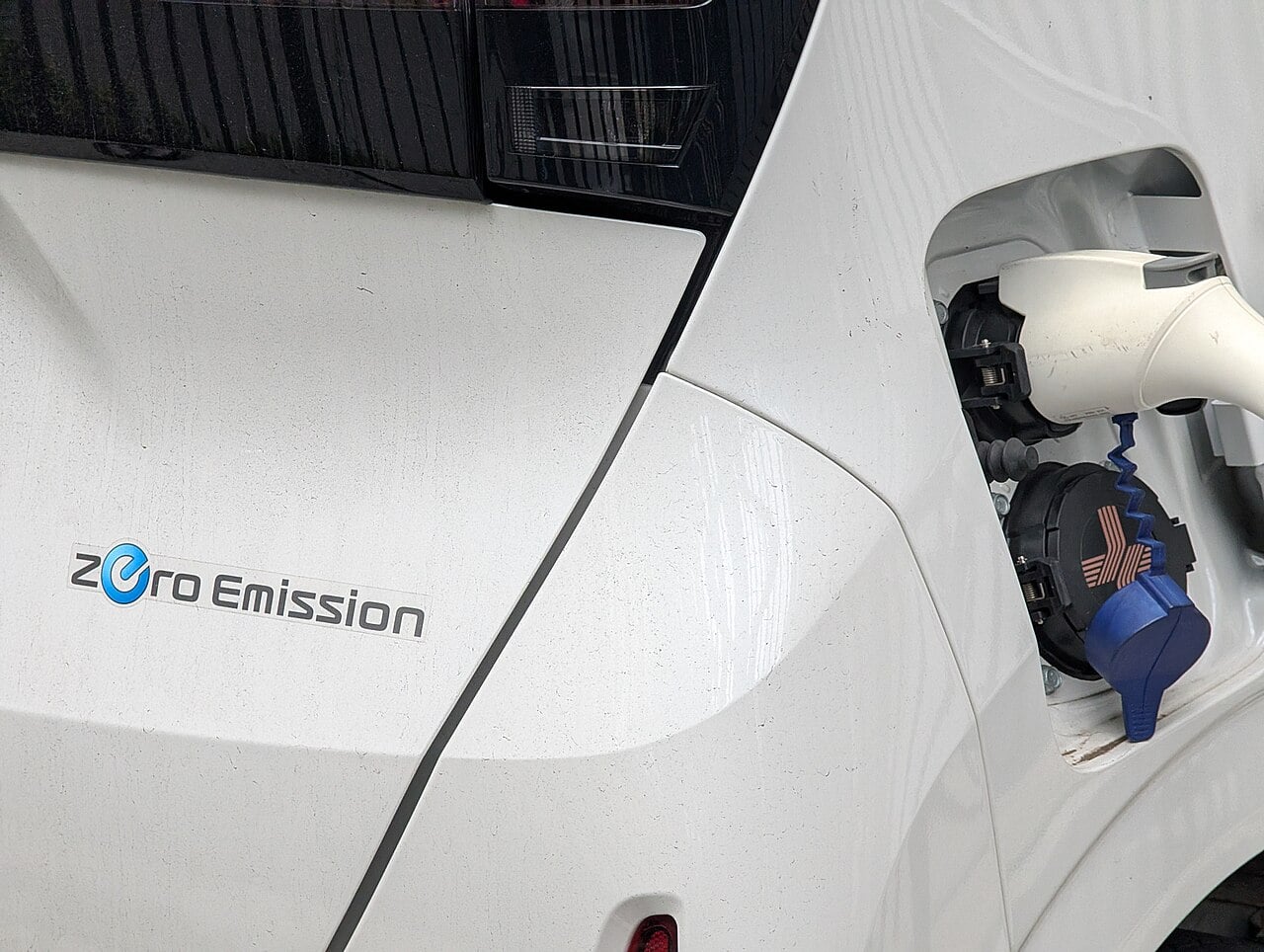
Recurrent’s latest market trends report leans on a large pool of real-world vehicle data gathered from connected EVs across the United States. Rather than relying on laboratory testing or manufacturer estimates, the company tracks how cars perform in everyday conditions, measuring what it calls “expected range.”
That distinction lends serious credibility to its conclusions. Expected range blends environmental factors such as temperature, driving style, and charging habits into a dynamic estimate of how far a car should travel on a given day.
The results are certainly reassuring on paper, but it’s not exactly cause for breaking out the champagne.
Early degradation, it seems, appears modest and relatively predictable. The long-tail truth, though, is that the steep drop that many consumers associate with lithium-ion batteries simply does not show up in the first several years of ownership for most modern models.
However, interpreting that 95 percent figure requires a bit more discipline than the headline suggests.
Battery vs. Brain
First, expected range is not the same as raw battery capacity.
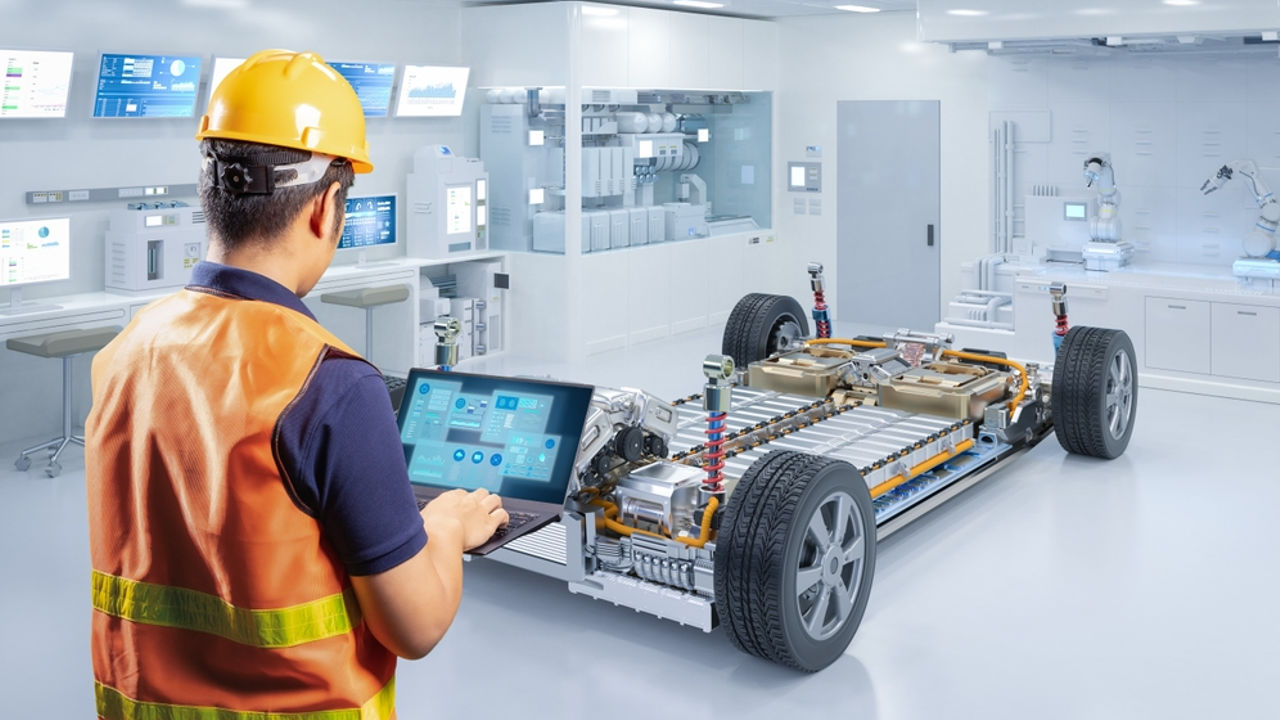
A battery can lose usable energy over time while software systems adjust how that energy is delivered and displayed to the driver. Automakers have become increasingly sophisticated in managing this balance.
Think of it this way: your EV’s battery is like a pantry. Over time, some of the food inside gets used up or spoils; that’s the raw capacity shrinking. But carmakers have gotten clever at arranging the shelves and managing what you see.
They use software and cooling systems to make sure the “pantry” still looks full and delivers meals smoothly. So even if the battery has lost a little energy, the driver experiences steady range because the car is constantly recalibrating how that energy is presented.
It’s less about chemistry alone, more about smart management.
Buffers are built into battery packs, thermal management systems protect long-term health, and software updates can recalibrate range estimates. The result is a user experience that feels stable, even as the underlying chemistry evolves.
Second, datasets like Recurrent’s are powerful but not neutral.
They tend to draw heavily from newer vehicles and engaged owners who opt into data sharing. That can tilt results toward better-maintained cars operating in favorable conditions. High-mileage vehicles, older models, or cars in harsher climates may not be equally represented.
The Five-Year Catch
There is also the question of time horizon.
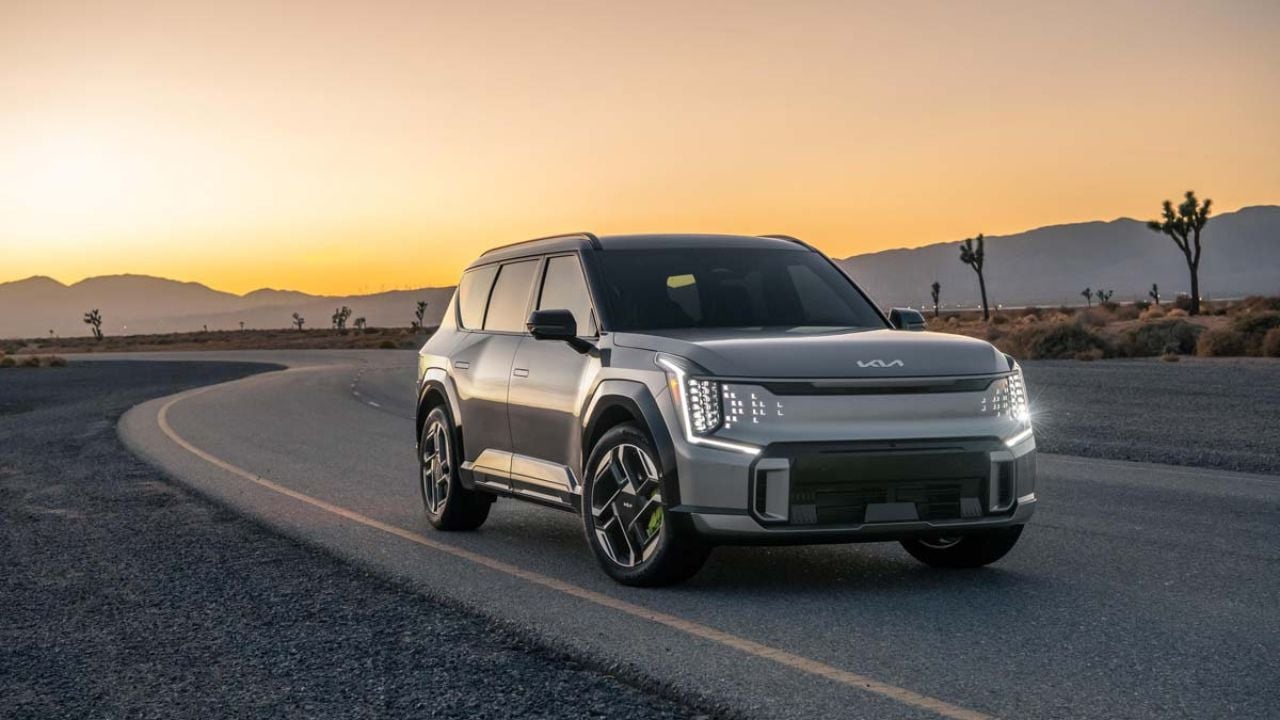
Five years is a meaningful milestone for early ownership, leasing cycles, and warranty coverage. It is less definitive for understanding what happens in year eight, ten, or beyond, when battery aging can accelerate and replacement decisions become more relevant.
The industry is still building a clear picture of that second phase of an EV’s life. Speaking of time horizon, when Recurrent and outlets like InsideEVs talk about “modern EVs,” they are essentially referring to vehicles produced in the past five to seven years.
The dataset underpinning the 95% range-retention figure is drawn from connected cars sold since roughly 2019–2021, when mainstream automakers began rolling out second‑generation battery packs with improved thermal management, larger buffers, and more sophisticated software.
That means the report is not about early Nissan Leafs or first‑wave Teslas from a decade ago, but about the current crop of long‑range EVs; models like the Hyundai Ioniq 5, Ford Mustang Mach‑E, Rivian R1T, and Mercedes EQ series.
In other words, “modern” here denotes the post‑2019 era of EV design, where durability and charging performance were engineered into the baseline, and the five‑year window captures cars that are still within warranty and early resale cycles.
Good Enough Wins
None of this undermines the broader trajectory.
Evidence from multiple sources continues to converge on the same conclusion: modern EV batteries are far more durable than early critics predicted. Improvements in cell chemistry, cooling systems, and battery management have turned what was once a major uncertainty into a largely manageable variable.
What the Recurrent data really does is shift the conversation. Instead of asking whether EV batteries degrade, the more useful question is how that degradation is experienced by the driver.
If range loss remains small enough to be absorbed by daily usage patterns, then it stops being a defining weakness and becomes just another aspect of vehicle aging, no different in principle from wear in an internal combustion engine.
That is a subtle but important transition. Electrification does not hinge on batteries being perfect. It depends on them being good enough, for long enough, in the real world. Based on the latest data, that threshold is looking increasingly within reach.