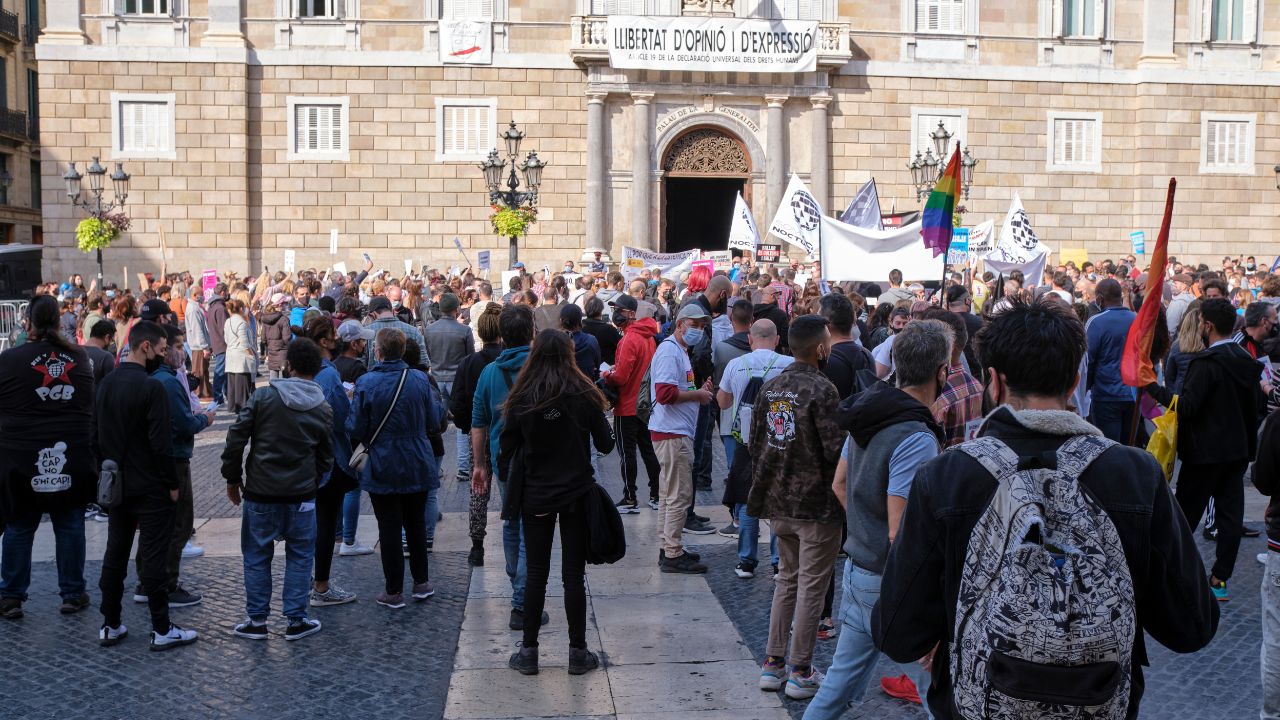
Across Europe’s most visited cities and islands, a louder argument is breaking through the postcard imagery: daily life is becoming harder in places where visitor numbers keep rising. In coordinated actions in 2025, demonstrators in destinations such as Barcelona, Palma, Lisbon, Genoa, and Venice protested what they call “touristification,” often pointing to housing pressure, strained services, and public space that feels permanently congested.
This is no longer just a matter of symbolic street protest. City halls and national governments have begun responding with new rules, new fees, and stricter enforcement. Barcelona has moved to raise visitor taxes in part to support housing measures, while Venice has published a 2026 calendar for its day-tripper access fee.
What makes the issue more serious than a simple tourism debate is that the complaints are now highly specific. Residents are talking less about abstract “too many tourists” and more about rents, short-term rentals, overloaded transit, water use, traffic, and neighborhoods that no longer function primarily for the people who live in them.
That does not mean travelers need to avoid these places entirely. It does mean the old idea that tourism is always welcomed in exactly the same way is becoming harder to defend. For visitors, the smarter approach now is to understand where the pressure is coming from, how cities are responding, and what respectful trip planning actually looks like on the ground.
What the Protests Are Really About

Housing is the common thread. Reuters’ 2025 reporting on the southern Europe protests tied the demonstrations to overcrowding, property costs, and a wider sense that tourism-driven investment is making central neighborhoods harder to live in. Associated Press coverage described the same anger in Barcelona and Palma, where protesters linked mass tourism to soaring rents, disappearing local businesses, and housing shortages.
Crowding is the second major flashpoint because it changes how a city functions. Residents complain about packed transit, noisy nightlife zones, and public services stretched during peak months. In the Canaries, Reuters reported that protesters cited housing costs, traffic congestion, and overburdened services, arguing that the problem is no longer just image or symbolism. It is daily-life capacity.
Barcelona Is a Symbol, and the Policy Response Is Getting Tougher
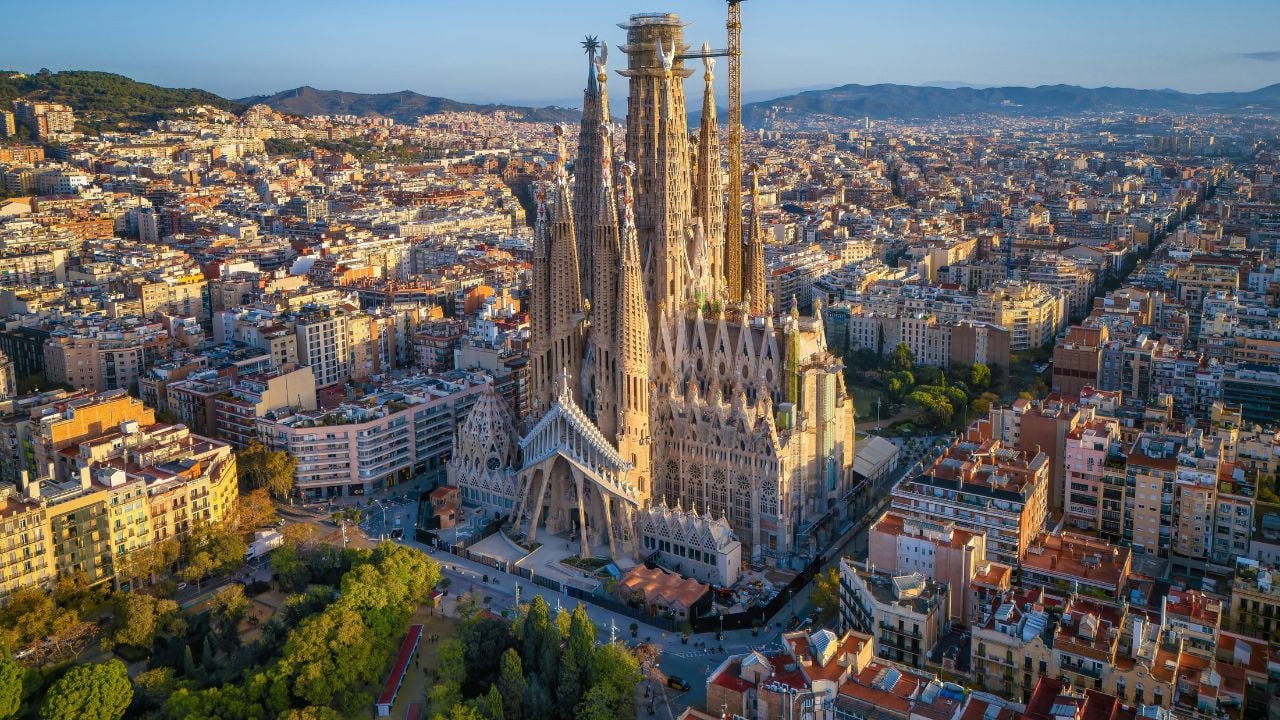
Barcelona has become a global reference point for the backlash, partly because the protests are visually memorable and partly because the city has moved from rhetoric to regulation. In February 2026, Reuters reported that Barcelona doubled its tourism tax to as high as €15 per night, presenting the move as part of a broader effort to address the housing crisis and reduce pressure from visitor volume.
Short-term rentals sit at the center of the conflict. Barcelona has said it plans to eliminate tourist-apartment licenses by 2028, a measure highlighted in both AP’s coverage of the 2025 protests and Reuters’ 2026 tax report. Spain’s broader crackdown has intensified too, with Reuters reporting in late 2025 that Airbnb was fined over unlicensed rental listings as part of a wider push against illegal tourist apartments.
Venice Is Testing a Pay-And-Register Model for Peak Days
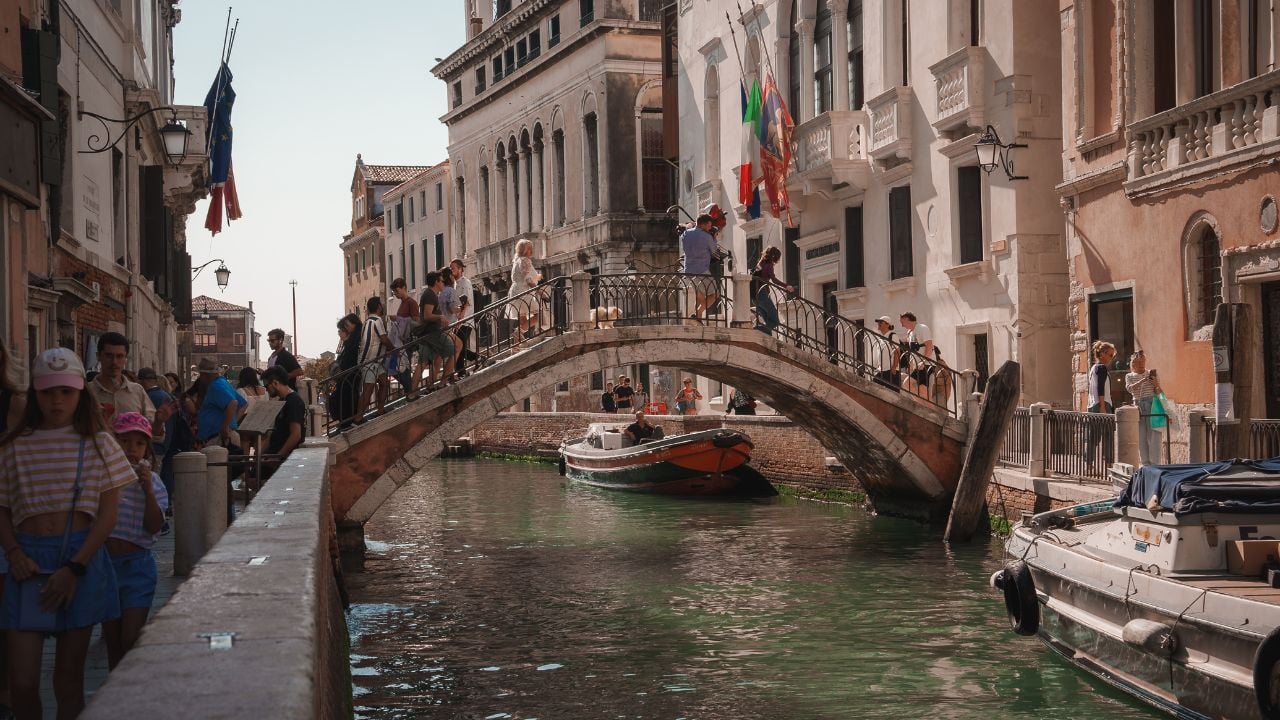
Venice is turning crowd management into a structured process. The city’s official access-fee site lists specific 2026 application dates between April 3 and July 26, with the fee applying during set hours and only on marked days. This is not just a political slogan anymore. It is a published calendar with operational rules.
The practical point for travelers is that the system now works like a real pre-arrival requirement on designated dates. If you are a day visitor entering the historic city during the charged time window, you may need to pay or register an exemption before arrival, depending on your status. Venice’s official FAQ and rules page lays out how the 2026 system works, which makes checking before you go part of basic planning rather than optional homework.
Spain’s Islands Show How Overtourism Becomes a Daily-Life Issue
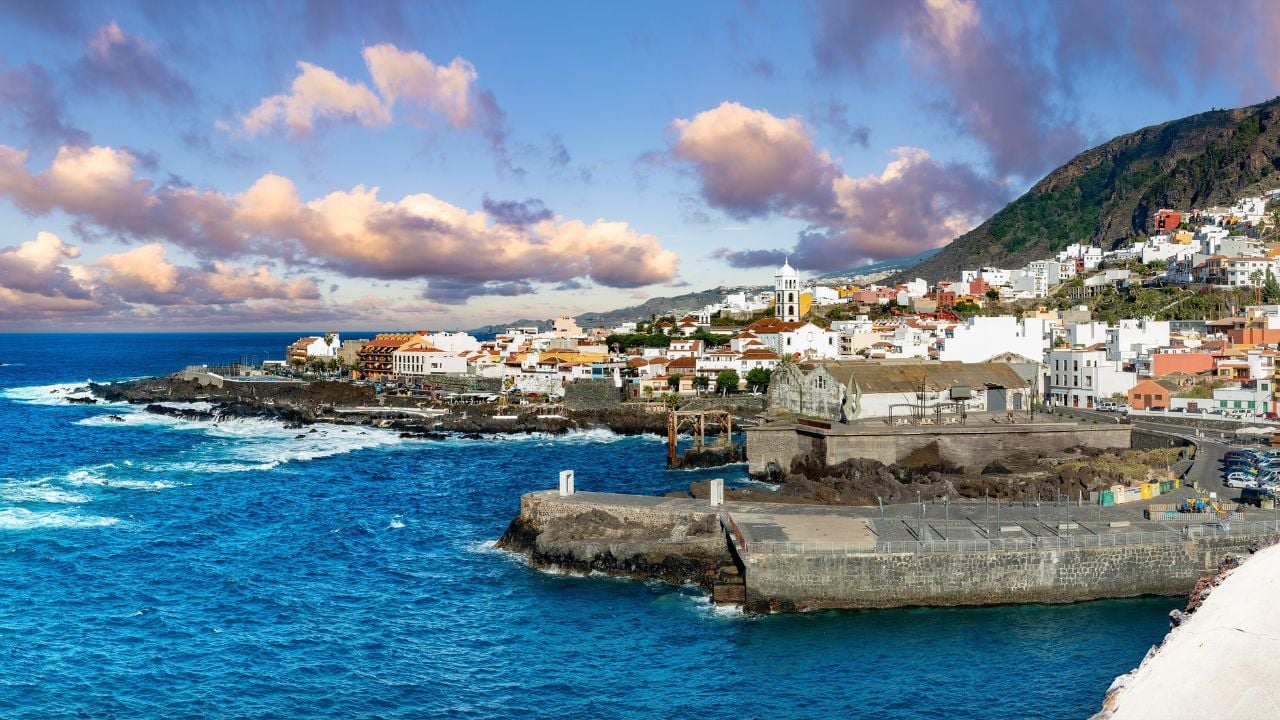
On the Canary Islands, protests have emphasized the gap between record visitor volumes and local quality of life. Reuters reported demonstrations across the archipelago under the “Canaries have a limit” banner, with protesters citing housing costs, traffic congestion, water concerns, and overburdened services as core grievances.
In the Balearics, authorities have responded in a different way by trying to reduce the kind of promotion that sends viral crowds into fragile locations. The Guardian reported in 2025 that the Balearic Islands planned to stop using influencers to promote certain destinations after “selfie tourism” overwhelmed sensitive sites like Caló des Moro. That shift matters because it shows officials treating visibility itself as part of the problem, not just visitor behavior after arrival.
It’s Not Only the Mediterranean: Amsterdam Shows the Pressure Moving North
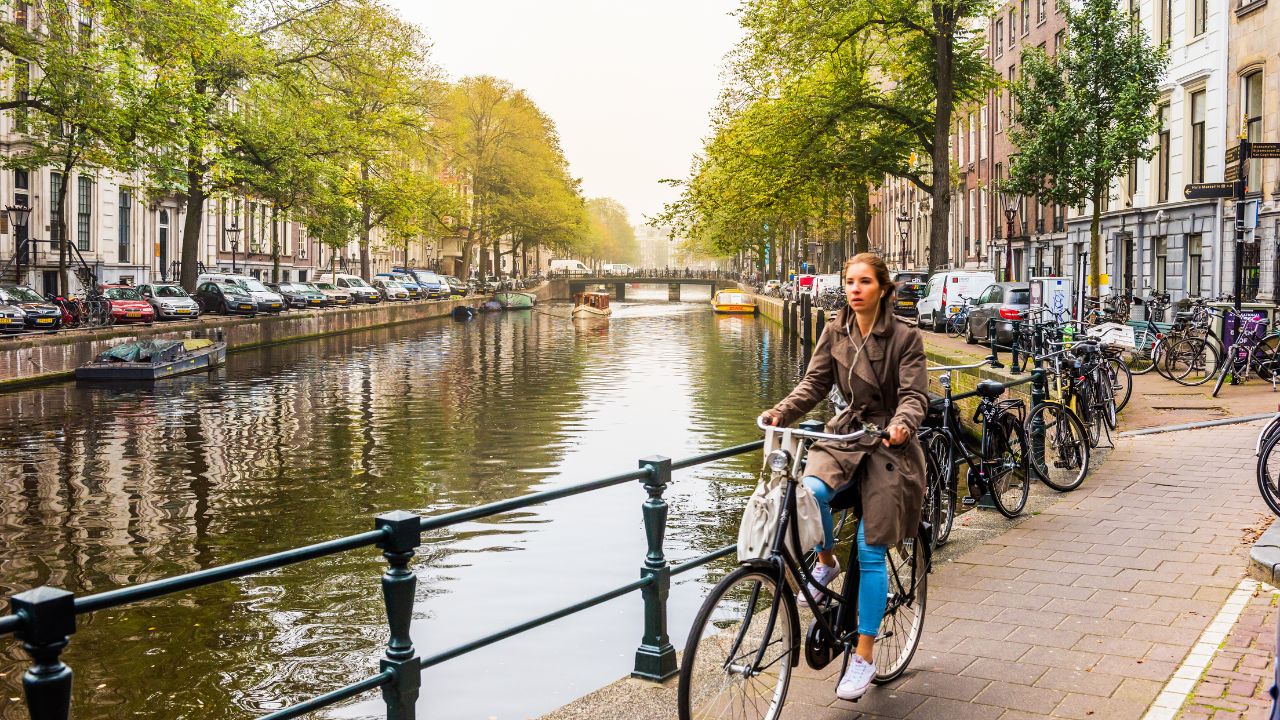
Amsterdam’s pushback is becoming more legal and policy-driven. In 2026, local reporting from NL Times said residents and entrepreneurs had taken the city to court over its long-promised 20 million overnight-stay cap, arguing that the rules on tourism growth were not being enforced strongly enough.
The case matters because it pushes the overtourism debate beyond protests and into enforceability. According to that 2026 report, the city argued in court that the cap was never legally enforceable as a hard limit, while the residents’ group asked for an order to bring overnight stays below the threshold by 2028. That is a different level of conflict from a symbolic anti-tourism march. It is a fight over whether the city’s own promises mean anything in practice.
What This Means for Travelers Who Still Want To Go

Most protests are aimed at policy and economic structures, not at individual visitors, but travelers can still reduce friction. Staying in legal accommodation, avoiding the most congested hours, and spreading spending beyond the most saturated blocks are the simplest steps. Cities are clearly experimenting with tools such as access fees, higher visitor taxes, and stricter rental enforcement, so checking rules before arrival is now part of basic trip planning.
For a smoother experience, it often helps to shift your timing rather than your destination. Shoulder-season travel, longer stays with fewer day trips, and quieter neighborhoods can deliver the same landmarks with less tension. When locals feel more of the benefits and fewer of the costs, the trip tends to feel better for everyone.