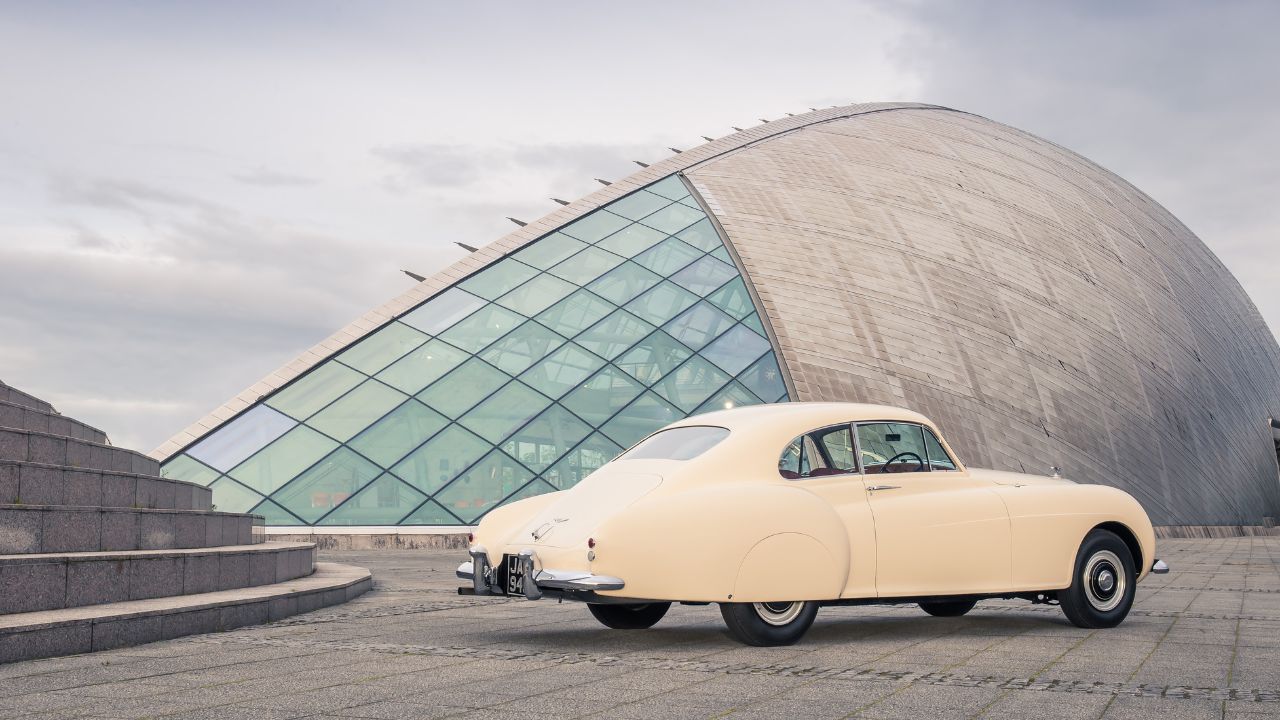
There is a special kind of confidence that belongs only to a great British grand tourer. It does not shout for attention the way a supercar does, and it does not need to. It wins you over with proportion, atmosphere, craftsmanship, and the promise that speed can arrive with grace instead of strain.
The best examples feel as if they were designed for long roads, good tailoring, and the sort of journey where the cabin matters just as much as the engine. That is what makes this category so enduring. A true British GT should feel rich without looking desperate, fast without seeming frantic, and elegant enough to age with dignity. It should make a long drive feel like a pleasure worth extending.
It should also leave you with the sense that luxury and performance belong together naturally. And really, is there any automotive idea more appealing than a car that can cross a continent while making every mile feel more refined than the last?
What Made British Grand Touring So Special
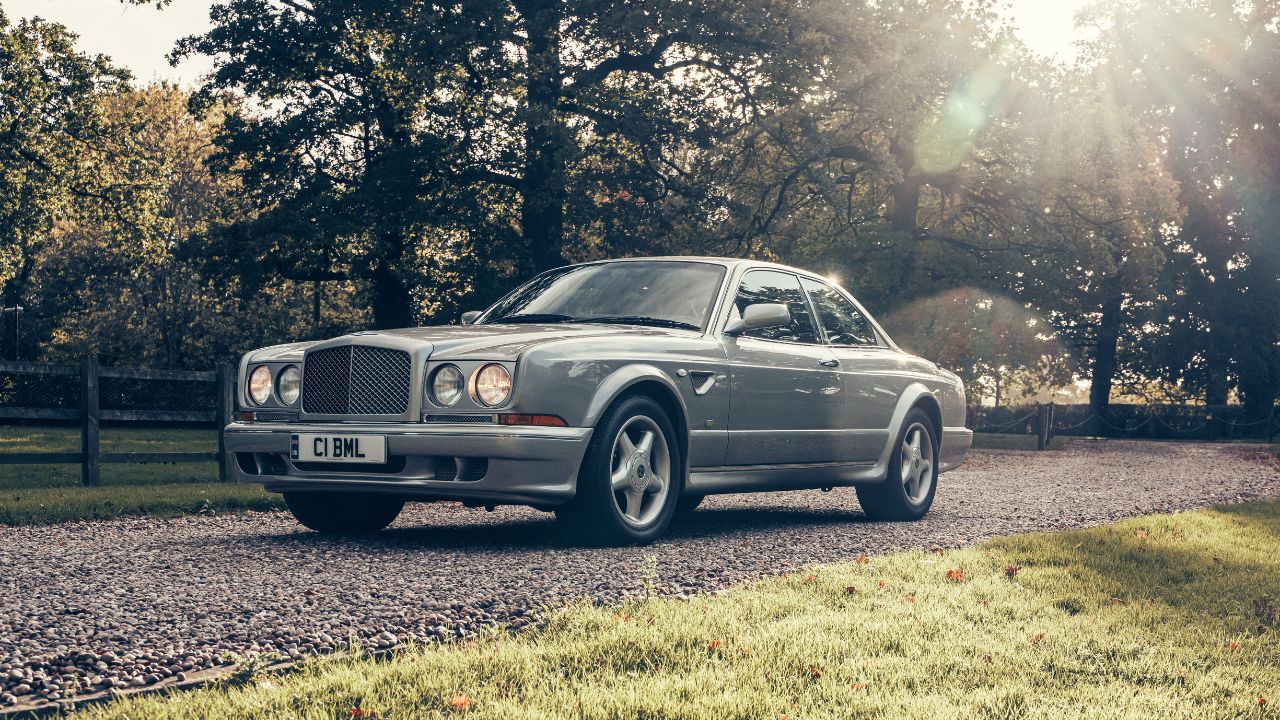
The strongest British grand tourers balance beauty, pace, and civility with unusual discipline. Selection here centered on cars that combined real long-distance comfort with a design language rich enough to carry prestige without excess. Mechanical identity mattered too, because a memorable GT should have an engine, chassis, and overall character that still feel distinct years later.
Craftsmanship carried just as much weight, especially in cabins where wood, leather, and thoughtful detailing helped define the experience. Historical importance also shaped the final group, since the best grand tourers tend to mark a clear chapter in the story of their maker.
Variety was essential, because Britain expressed this idea through everything from sleek postwar coupes to V12 cruisers and modern high-speed luxury machines. These eight cars best capture the moment when British motoring made luxury feel almost effortless.
Bentley R-Type Continental
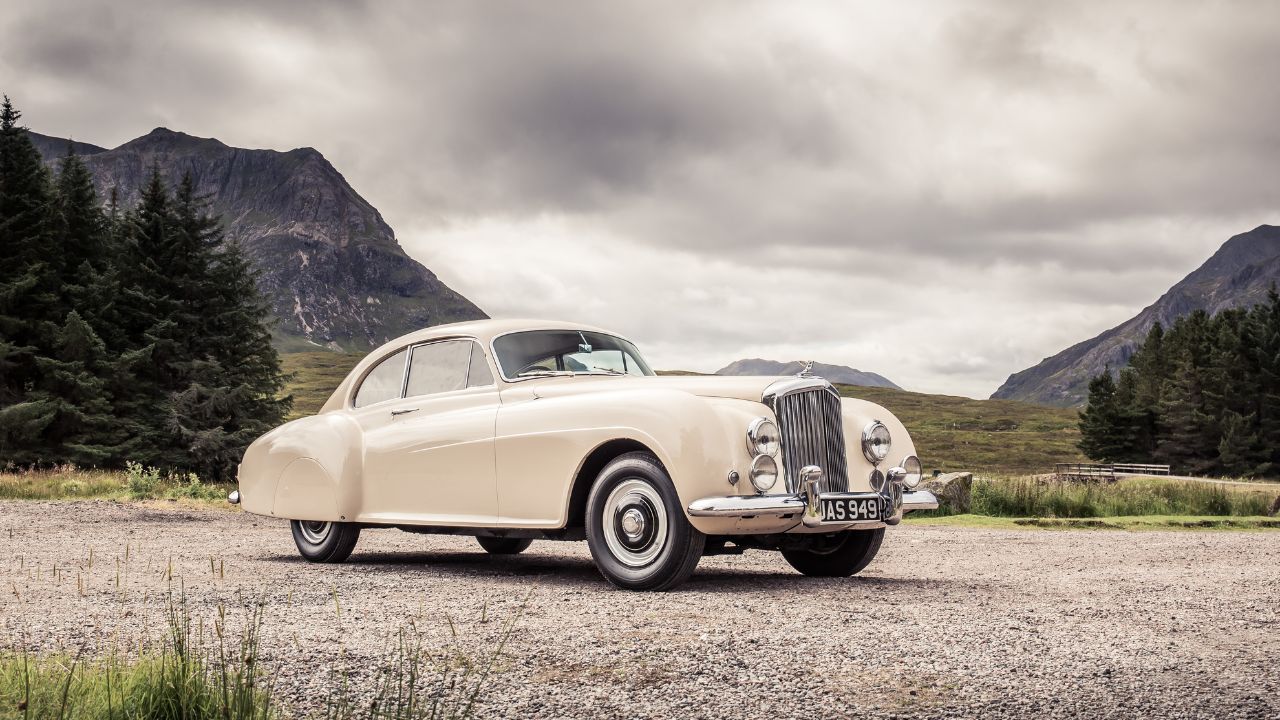
The Bentley R-Type Continental helped define what a British grand tourer could be before most rivals had fully grasped the category. Its shape still looks wonderfully disciplined, with a long fastback form that feels purposeful rather than decorative. More important, it delivered exactly the kind of long-distance ease that turned grand touring into something genuinely aspirational.
Bentley describes it as the first car to wear the Continental name, one capable of cruising all day at 100 mph with four occupants and luggage, and a benchmark for the brand’s grand-touring DNA. That tells you everything about its place in history. It was fast, rare, beautifully made, and confident enough to treat speed as something to be enjoyed in comfort. More than 70 years later, it still feels like the blueprint.
Aston Martin DB5

The Aston Martin DB5 remains one of the clearest examples of British elegance wrapped around real performance. It is easy to talk about the cultural mythology, but the car deserves admiration long before cinema enters the conversation. The proportions are exquisitely judged, the cabin carries the right mix of warmth and purpose, and the engineering improvements over the DB4 gave it the extra substance needed to feel like a true grand tourer.
Aston Martin notes that the engine grew to 4.0 liters, and the DB5 also introduced the ZF 5-speed gearbox that became central to its more polished character. Electric windows and a richer standard specification only strengthened that impression. The DB5 did not merely look expensive and fast. It made refinement feel natural, which is why it still stands as one of the great British road cars.
Jensen Interceptor

The Jensen Interceptor brought a different flavor to the British grand-touring tradition, and that difference is exactly what makes it so appealing. It had the stance of a glamorous continental coupe, the comfort and trim expected of a serious long-distance machine, and the sort of easy V8 power that turned distance into something almost casual.
The Interceptor’s styling came from Carrozzeria Touring, while the early bodies were built in Italy by Vignale before production moved fully in-house, giving the car its unmistakable look, including the vast glass hatch that remains one of its defining features. It also came loaded with luxury touches, from air conditioning and polished walnut to Connolly leather and a richly equipped cabin.
That combination gave the Interceptor a wonderfully self-assured personality. It felt worldly, richly upholstered, and ready for serious travel without any need to prove itself the hard way.
Jaguar XJ-S V12
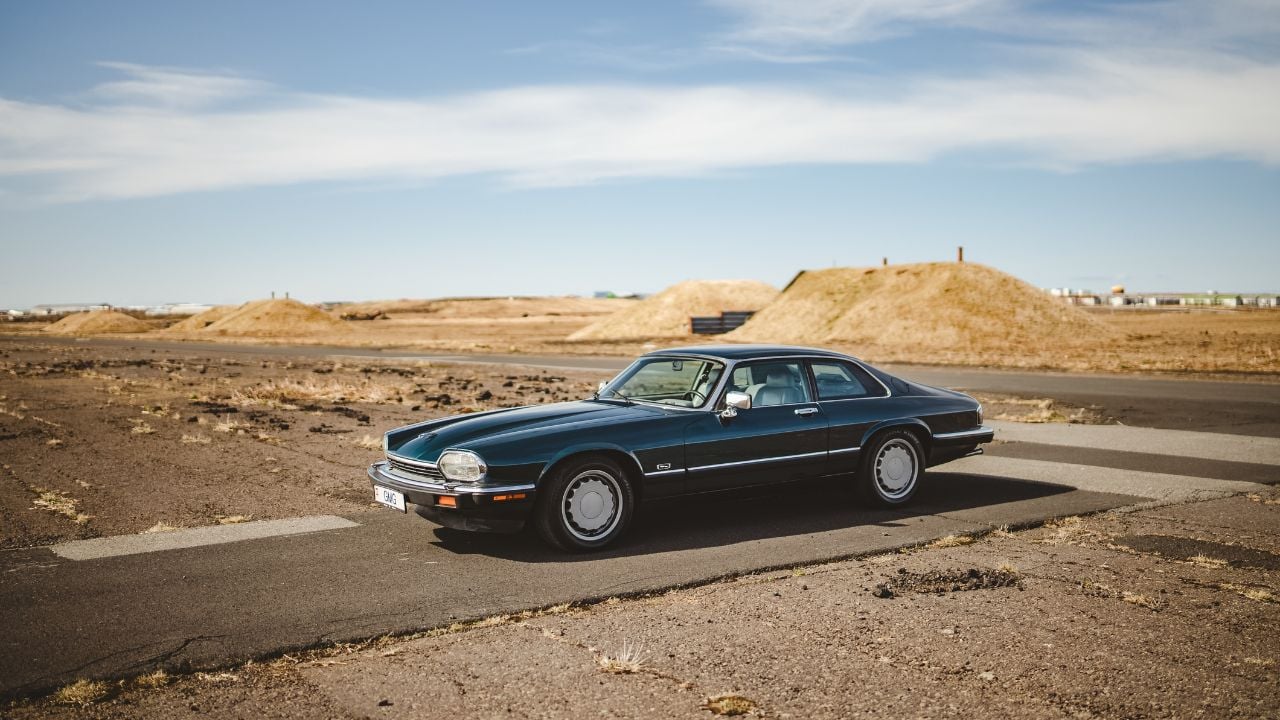
The Jaguar XJ-S V12 had a difficult task from the beginning because it followed one of the most revered shapes in British motoring history. What allowed it to survive that pressure and eventually become deeply admired in its own right was its grand-touring character.
Jaguar introduced the XJ-S in 1975, and over a production run that lasted into 1996 it sold in well over 100,000 examples. It began life as a V12 coupe before later six-cylinder and convertible versions broadened the range, but the V12 identity remains central to its charm.
The XJ-S always felt built for covering ground in a more relaxed, aristocratic way than the sharper sports cars around it. It had presence, ride quality, and a slightly decadent atmosphere that suited the Jaguar name beautifully. Over time, that personality has only become more attractive.
Rolls-Royce Corniche

The Rolls-Royce Corniche approached grand touring from the most luxurious end of the spectrum, and that gave it a special place in British automotive culture. This was the car for drivers who wanted open-air glamour and supreme comfort without sacrificing the sense of occasion that only a Rolls-Royce could bring.
Rolls-Royce’s own history notes that the Corniche evolved through several generations, with the Corniche IV arriving in 1992 and the later Corniche S adding meaningful mechanical upgrades, including a Garrett T4 turbocharger that made it the fastest and best-handling first-series Corniche. That late flourish suits the model’s reputation perfectly.
The Corniche always felt like a car that turned movement into ceremony. It did not rush its passengers. It carried them with calm authority, and that kind of luxury remains timeless.
Aston Martin DB7 Vantage

The DB7 Vantage is the car that helped Aston Martin bring classic grand-touring values into a more modern age without losing any of the romance. Styled by Ian Callum and launched with a 420 bhp 6.0-liter V12, it gave the DB7 range a level of authority that matched its elegant shape.
Aston Martin’s own archive says the car set new standards of power, refinement, and reliability for handmade luxury sports cars, which is exactly why it belongs here. The important word in that description is refinement.
The DB7 Vantage was quick, certainly, but it also had the sort of cabin atmosphere and long-legged composure that made it feel complete. It was a car for people who wanted real drama delivered in a polished voice, and that remains a very British achievement.
Bentley Continental R
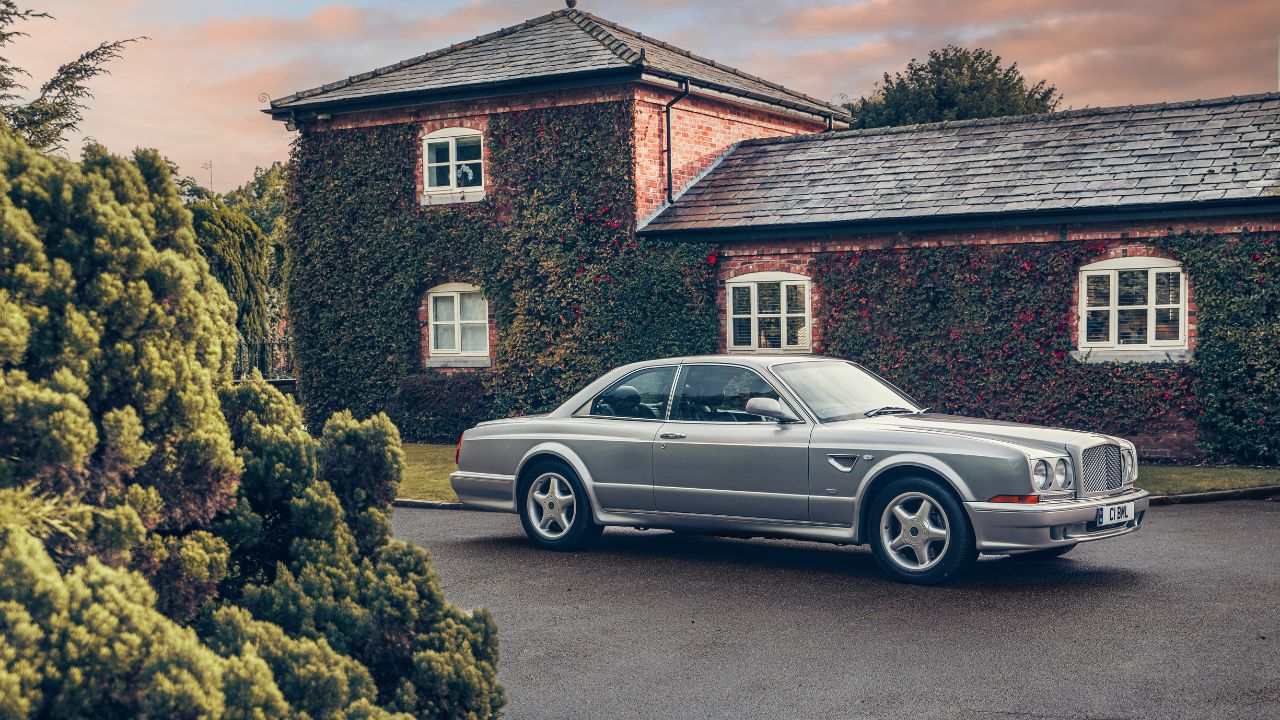
When the Bentley Continental R arrived in 1991, it announced that Bentley had rediscovered the full force of its grand-touring identity. Bentley says it was the first Bentley with its own unique body since the R-Type Continental and a true high-performance grand tourer capable of more than 150 mph. That performance matters, though the shape and atmosphere matter even more.
The Continental R looked substantial, elegant, and unapologetically expensive, yet it carried itself with enough restraint to avoid vulgarity. Inside, Bentley gave it four distinct sports seats and the kind of handcrafted richness buyers expected from Crewe.
The whole car seemed built for people who wanted power delivered with confidence rather than noise. That is why it remains so significant. It made Bentley feel serious, modern, and fully committed to effortless long-distance luxury again.
Jaguar XKR
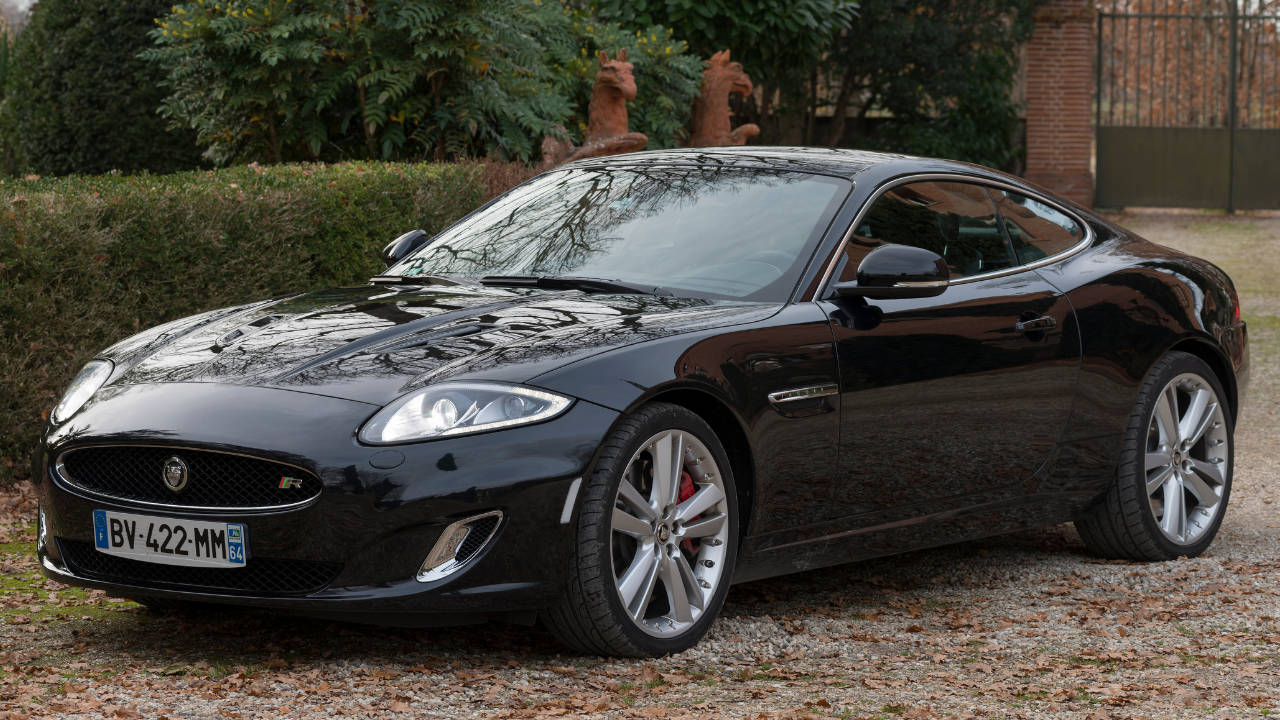
The Jaguar XKR brought the British grand tourer into the late 1990s and 2000s with exactly the right balance of polish and pace. Jaguar’s launch material described the XKR as the fastest mainstream production Jaguar ever, using a supercharged AJ-V8 to give the XK line a much stronger performance edge.
Those numbers helped, but the XKR’s deeper appeal lay in how naturally it combined performance with serenity. Jaguar described the broader XK line as carrying distinctive 2+2 style, luxury, and polished performance, and the XKR delivered that with extra urgency under the surface.
It felt smooth, sleek, and very easy to enjoy over long distances, which is what a British GT should always do. The car had real speed, yet its strongest gift was the way it made that speed feel civilized.
Why Great Grand Tourers Still Matter

The finest British grand tourers do something that many modern cars still struggle to achieve. They make performance feel relaxed. They make luxury feel warm instead of clinical.
They remind drivers that speed becomes even more impressive when it arrives without tension. That is why these cars continue to resonate so strongly. They represent an idea of motoring built around confidence, comfort, and the quiet pleasure of doing difficult things with apparent ease.
A great grand tourer should always feel like more than just transportation. It should feel like part of the journey’s meaning. And when a car can offer beauty, presence, craftsmanship, and the kind of grace that makes the road seem a little shorter and the world a little richer, what more could anyone really want?