Safety pieces can get sloppy fast, either by scaring people for clicks or by pretending a destination is risk-free when no such place exists. To keep this one honest, I used Numbeo’s 2026 Crime Index and Safety Index as a comparable snapshot, then checked those results against current U.S. State Department travel advisories. Numbeo says its Crime Index is based on user-contributed perceptions, which may differ from official government statistics, so it works best as a traveler-useful comparison tool rather than a legal verdict on any country. The advisory levels matter too: Level 1 means exercise normal precautions, Level 2 means exercise increased caution, and Level 3 means reconsider travel.
That combination produces a more useful list than a raw ranking alone. A country can score well on day-to-day safety and still require common sense around pickpockets, nightlife zones, mountain roads, or remote areas. On the other side, a place can be rewarding and still deserve a harder pause before booking if comparative crime data and official warnings keep pointing in the same direction. So this is not a morality play about “good” and “bad” countries. It is a practical traveler’s map of where the odds look friendlier right now and where the margin for error looks thinner.
1. Andorra
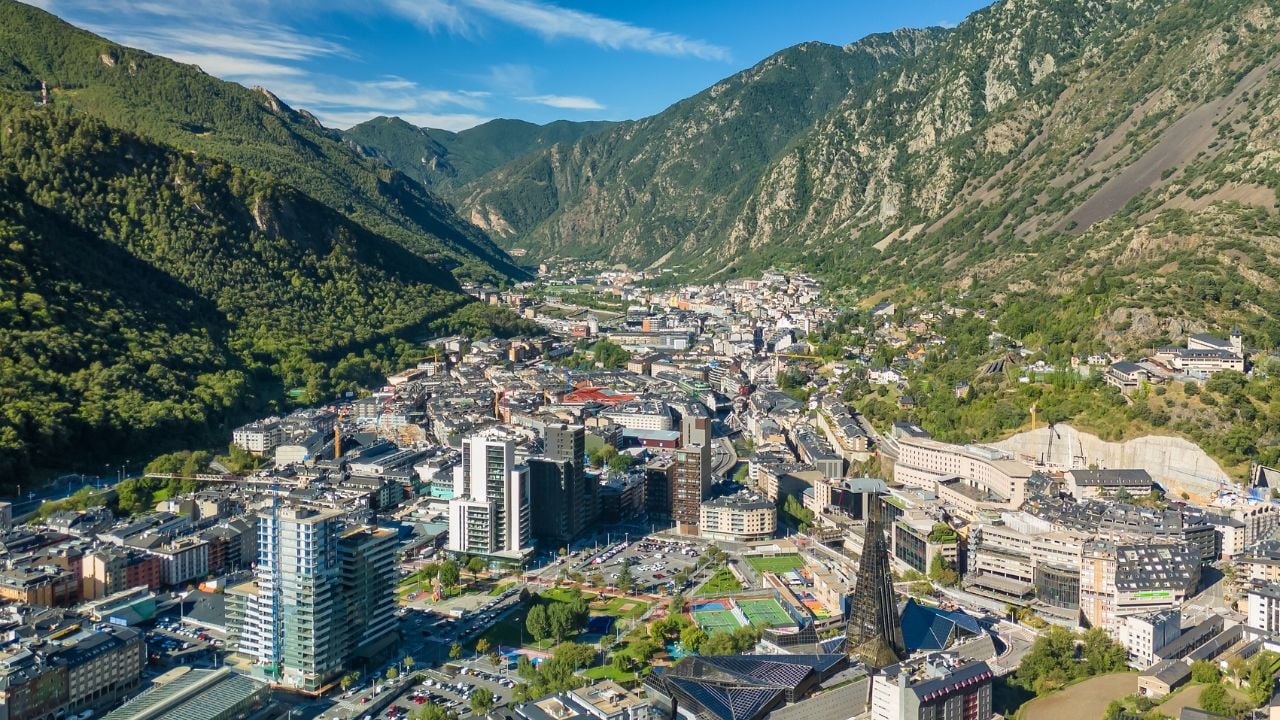
Tiny countries do not usually dominate travel-safety conversations, but Andorra has a real claim to the spotlight. Numbeo’s 2026 rankings place Andorra at a 15.2 crime index and an 84.8 safety index, and the U.S. State Department lists Andorra at Level 1, exercise normal precautions. That is about as clean a profile as a traveler can realistically hope to see.
The bigger surprise is how easy it is to enjoy that peace. A trip here tends to revolve around mountain scenery, ski culture, hiking, and a small-scale rhythm that rarely feels frantic. That calmer setup helps, because the safest destinations often share one trait: they are easier to navigate without constant friction. You still keep track of your passport and wallet, of course, but Andorra is the sort of place where the baseline stress level stays pleasantly low.
2. Singapore

Singapore has long had a reputation for order, and the current numbers do nothing to weaken it. Numbeo’s country rankings put Singapore at 22.5 on the crime index and 77.5 on the safety index, while the U.S. State Department lists it at Level 1 and says Singapore is generally a safe destination for travelers. That is a strong mix for travelers who care about moving around confidently after dark.
What makes that especially appealing is the way safety supports spontaneity. You can stay out late, hop between neighborhoods, and use public transport without feeling that every small decision needs a defensive strategy. That does not mean carelessness is smart, because scams and petty trouble can exist anywhere. Still, for first-time Asia travelers or anyone who wants a city break with very little ambient anxiety, Singapore is a superb bet.
3. Japan
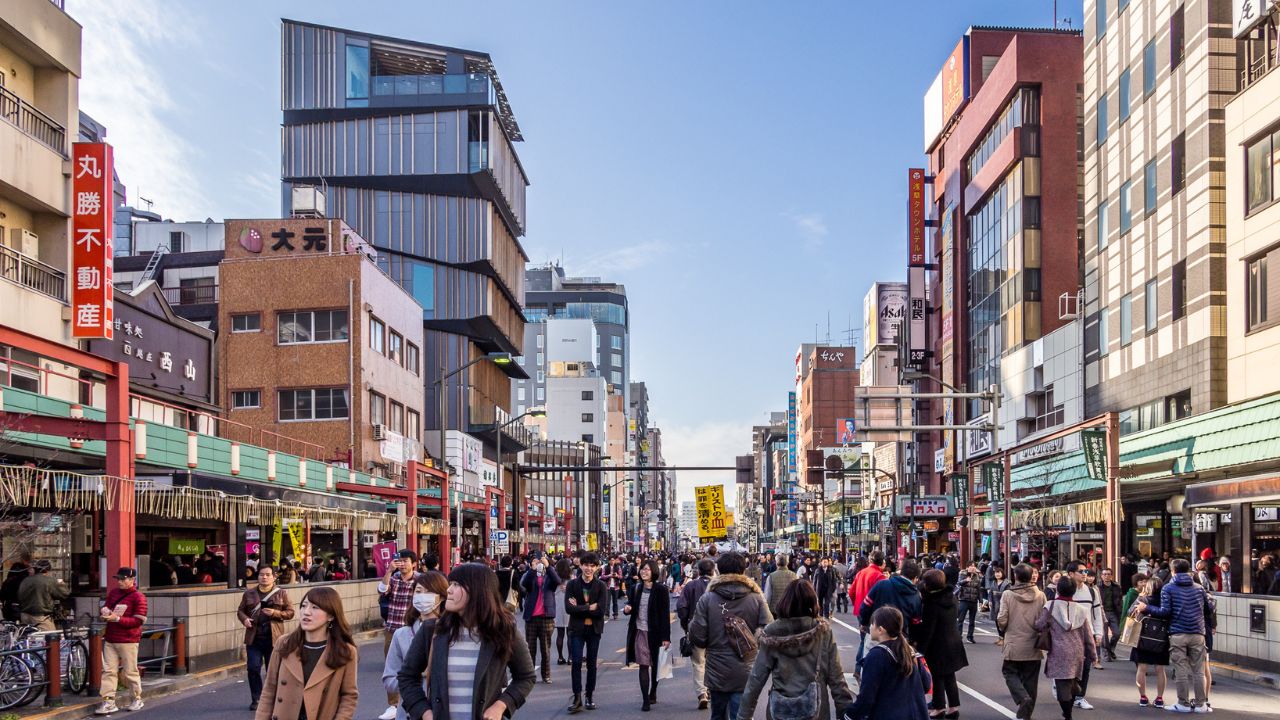
Japan keeps earning its reputation the old-fashioned way by making daily travel feel smooth, readable, and unusually calm. Numbeo’s 2026 rankings place Japan at 22.8 on the crime index and 77.2 on the safety index, and the U.S. State Department currently lists it at Level 1. Those numbers line up with what many visitors report after they go.
That matters because Japan is not a sleepy destination built around one beach and an early bedtime. It is a place of giant rail hubs, crowded neighborhoods, late-night food, and urban movement, yet it still manages to feel remarkably manageable. Travelers who worry that a big trip will mean constant vigilance often relax quickly once they are on the ground. Common sense still applies, but Japan remains one of those rare places where scale and reassurance coexist beautifully.
4. Slovenia

Slovenia rarely gets the loudest headlines, but for careful travelers, that can be part of the charm. Numbeo’s country rankings show Slovenia at 24.5 on the crime index and 75.5 on the safety index, and the U.S. State Department lists Slovenia at Level 1. Those are strong numbers for a country that gives visitors a great deal without asking them to absorb much chaos in return.
That composure matters more than people realize. A trip becomes more enjoyable when train stations, city centers, and evening walks feel straightforward instead of mentally taxing. Slovenia is a good example of how safety can make a destination feel more generous because you spend less energy scanning for problems and more enjoying where you are. For travelers who want Europe with beautiful scenery and a lower pulse rate, it is an excellent choice.
5. Iceland
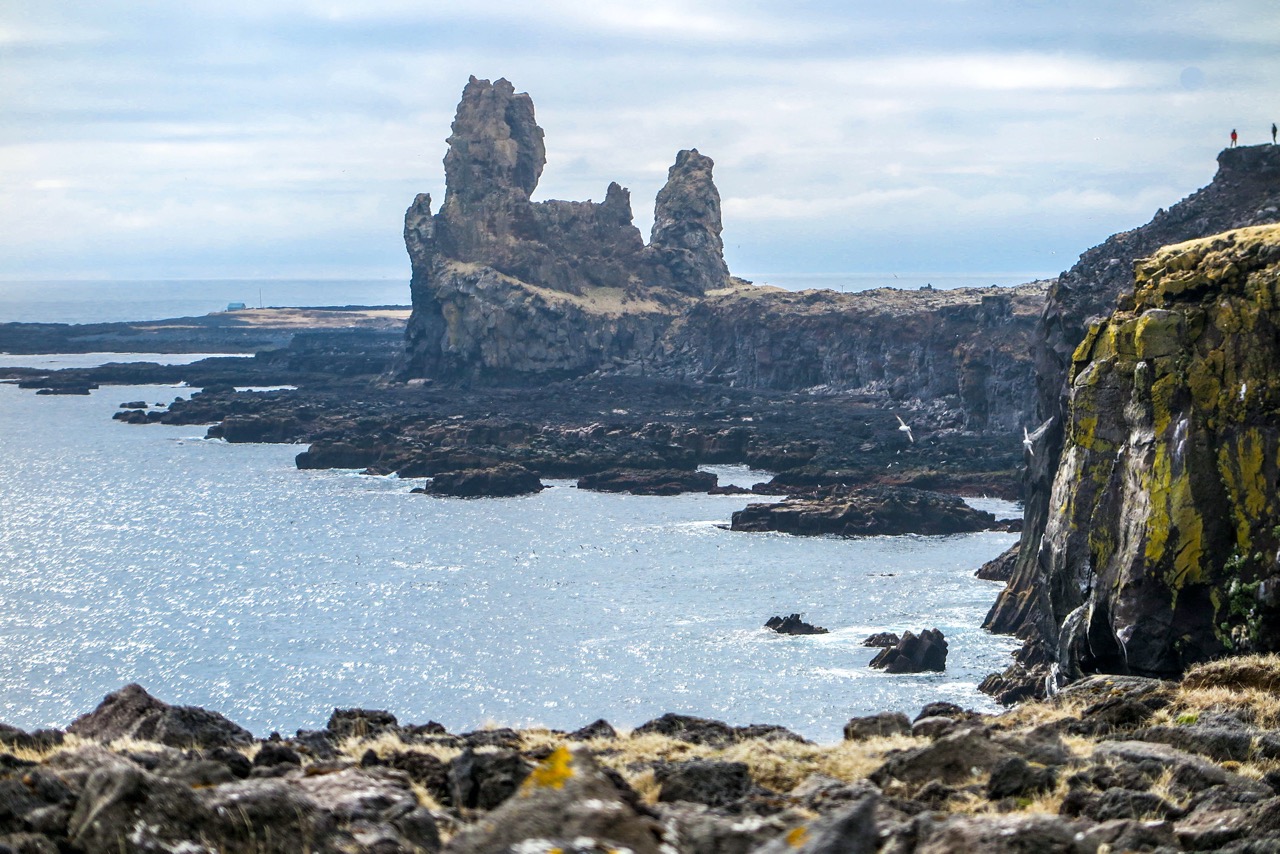
Iceland has a habit of showing up near the top of almost every safety conversation, and 2026 is no exception. Numbeo’s 2026 country rankings place Iceland at 25.5 on the crime index and 74.5 on the safety index, and the U.S. State Department lists Iceland at Level 1. That is a strong match between traveler perception and official caution levels.
The catch is that Iceland reminds us safety is not only about crime. You may feel very comfortable from a personal-security standpoint, yet weather, roads, and nature can still punish careless decisions. That is why the country feels so ideal for travelers who mix confidence with respect. You are unlikely to spend the trip worrying much about street crime, but you do need to treat the landscape seriously.
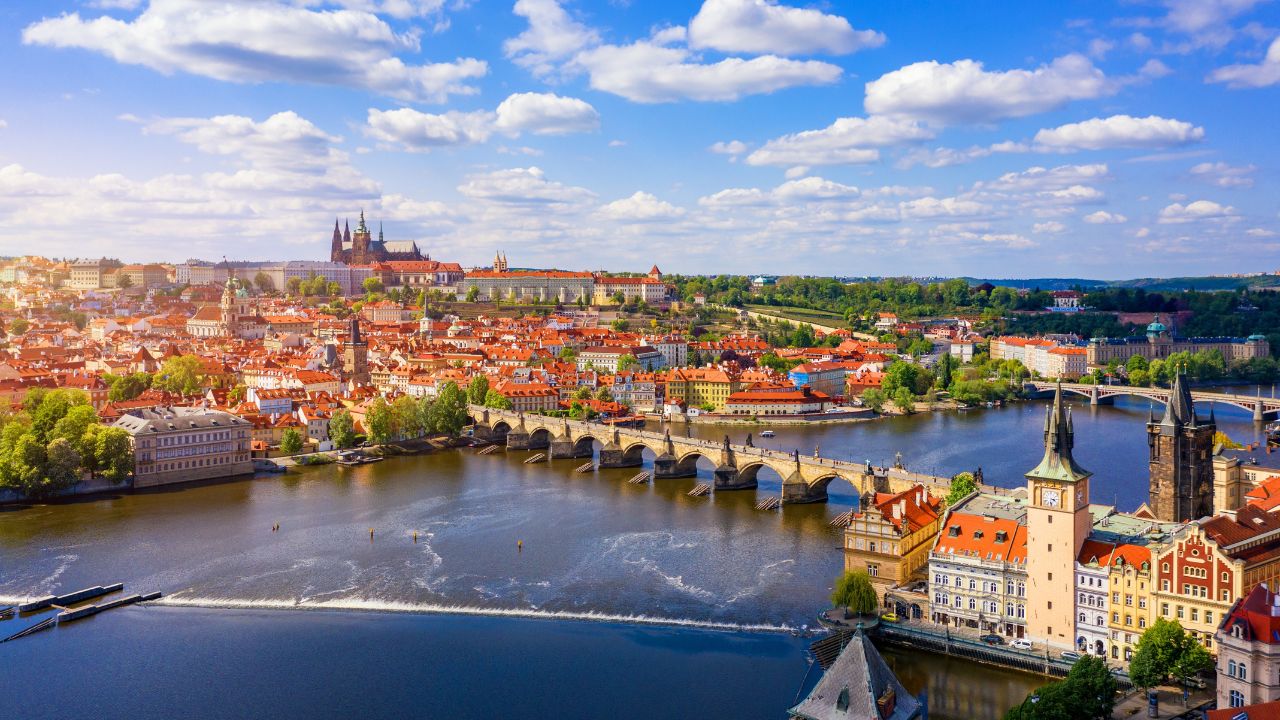
6. Czechia
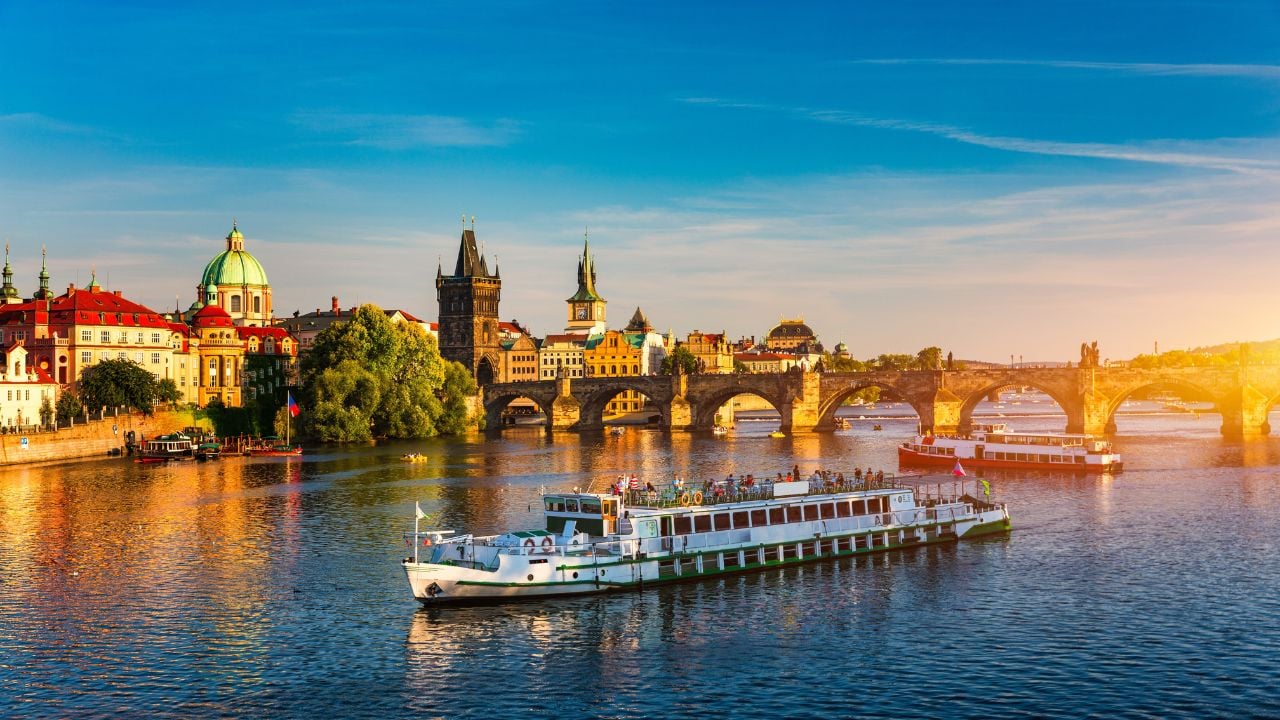
Czechia rounds out the reassuring group because it pairs a strong score with the kind of mainstream city tourism people actually book. Numbeo’s 2026 rankings place the Czech Republic at 26.4 on the crime index and 73.6 on the safety index, and the State Department lists Czechia at Level 1. Its advisory also says the country is generally safe while warning travelers to stay alert for petty crime in tourist areas and on public transportation.
That is a very believable pattern in Europe’s most visited urban centers. You can go, enjoy yourself, and feel broadly comfortable, but the usual crowded-city habits still matter. For travelers who want a classic European city break without an unusually high stress load, Czechia remains a solid choice.
7. Switzerland

Switzerland belongs in the low-stress group because it combines a strong comparative safety score with a clean official advisory profile. Numbeo’s 2026 rankings put Switzerland at 27.4 on the crime index and 72.6 on the safety index, while the U.S. State Department lists it at Level 1. The same travel guidance also tells visitors to stay alert in congested and popular tourist areas, which is a sensible reminder rather than a red flag.
That makes Switzerland feel reassuring in a practical way rather than a naïve one. Big rail stations, mountain resorts, lakeside cities, and postcard towns can all stay on the itinerary without creating much ambient tension. It is a place where ordinary travel habits still matter, but the baseline atmosphere is calm enough that the country keeps earning its reputation.
8. South Africa
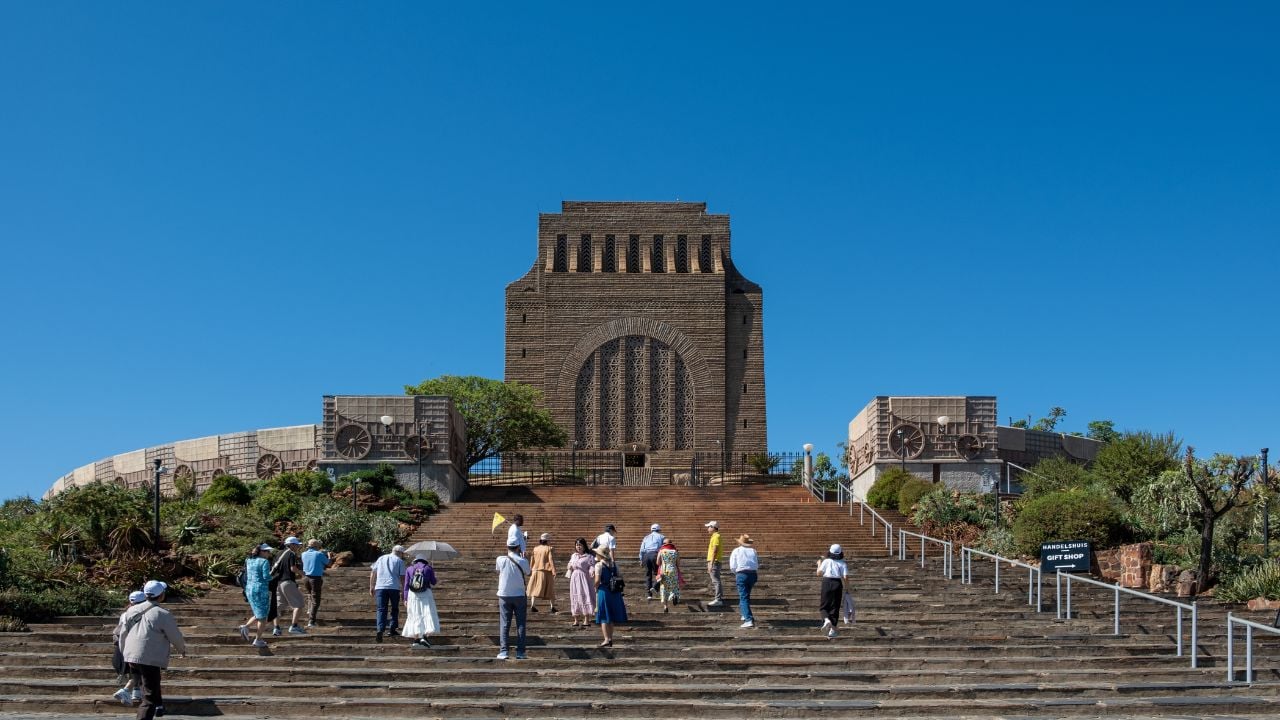
Now for the “think twice” group, which is not the same thing as “never go.” Numbeo’s 2026 rankings place South Africa at 74.5 on the crime index and 25.5 on the safety index, among the weakest country-level safety scores in the table. The U.S. State Department lists South Africa at Level 2, exercise increased caution, due to crime, terrorism, unrest, and kidnapping. Its advisory summary says violent crime is common and more frequent in downtown areas of big cities, especially after dark.
Plenty of people still take extraordinary trips there, and that is why this is a “think twice” choice rather than a blanket dismissal. The country offers wildlife, wine regions, dramatic coastlines, and one of the most memorable travel mixes on the continent. But it also demands more planning discipline than the countries above, especially around neighborhoods, driving, arrival times, and how freely you move after dark.
9. Trinidad and Tobago
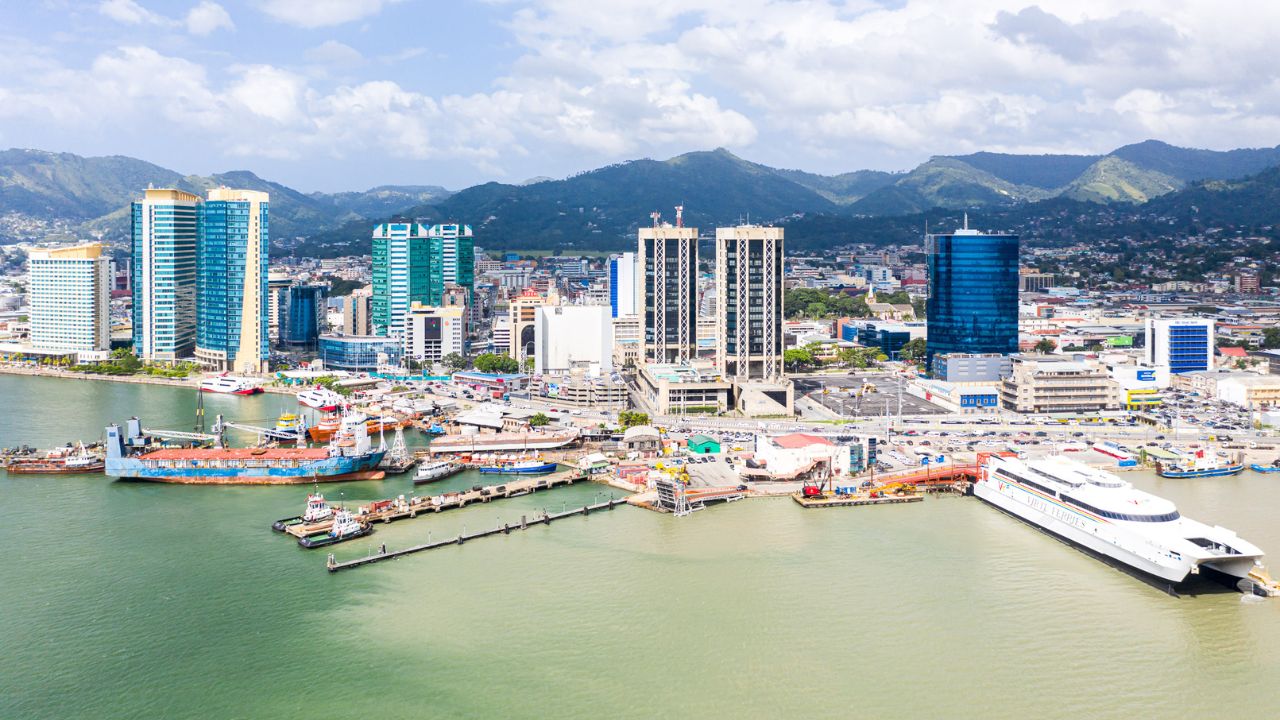
Trinidad and Tobago lands here because the numbers and the official language point in the same direction. Numbeo’s 2026 rankings give it a 71.2 crime index and a 28.8 safety index. The U.S. State Department rates it Level 3, reconsider travel, and says violent crime is common, including murder, robbery, assault, sexual assault, home invasion, and kidnapping.
That does not erase the destination’s appeal. Carnival, beaches, music, and food culture still make the twin-island nation compelling. The issue is that the margin for careless travel is thinner than many vacationers assume when they picture a Caribbean break. A destination can be vibrant and worth seeing while still being a place where you should research neighborhoods, transport, and local conditions with real seriousness before you go.
10. Jamaica
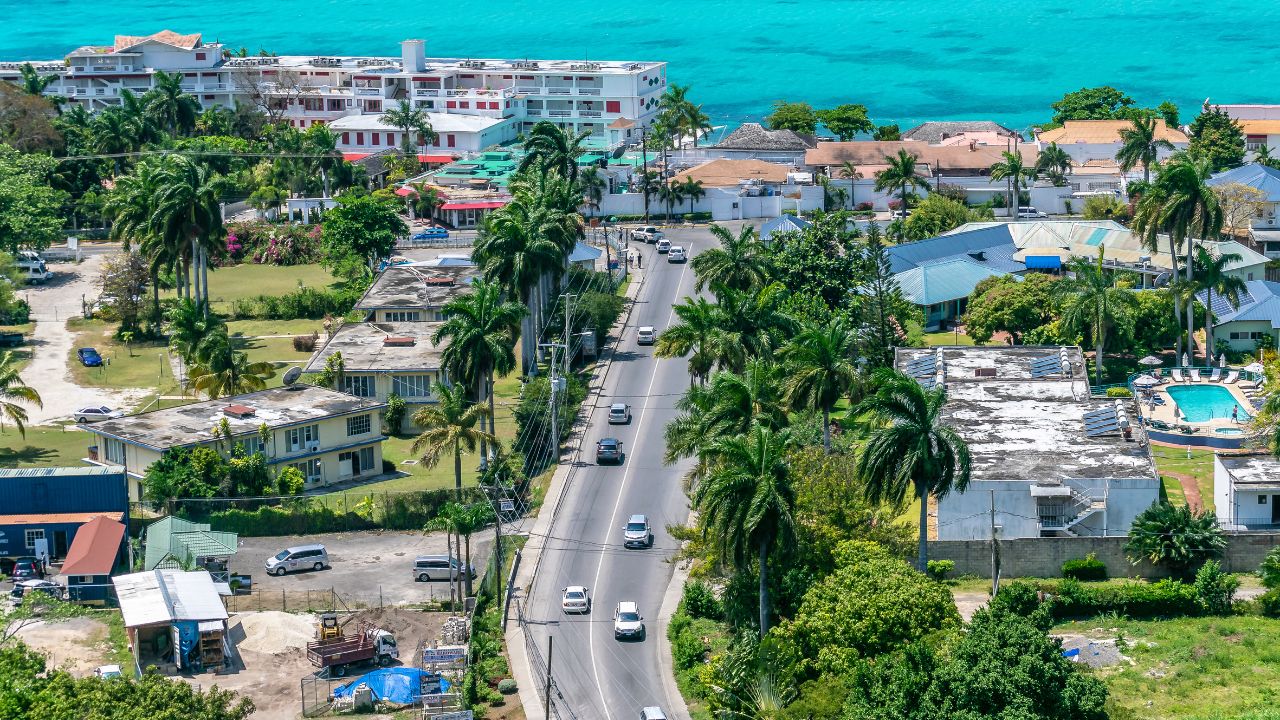
Jamaica is the trickiest inclusion because it is one of the most beloved leisure destinations in the region, yet the risk language remains sharper than many casual travelers realize. Numbeo’s 2026 rankings place Jamaica at 67.4 on the crime index and 32.6 on the safety index. The U.S. State Department lists the country at Level 2, exercise increased caution, and says some areas have increased risk.
The important nuance is that “think twice” does not mean “cancel the island forever.” It means decide what kind of trip you are taking, where you are staying, how you are moving around, and whether you are stepping outside well-managed tourist zones without enough homework. Jamaica can still deliver a fantastic vacation. It just does not belong in the same low-stress category as Andorra, Japan, or Iceland when you are looking strictly at comparative crime and caution signals right now.