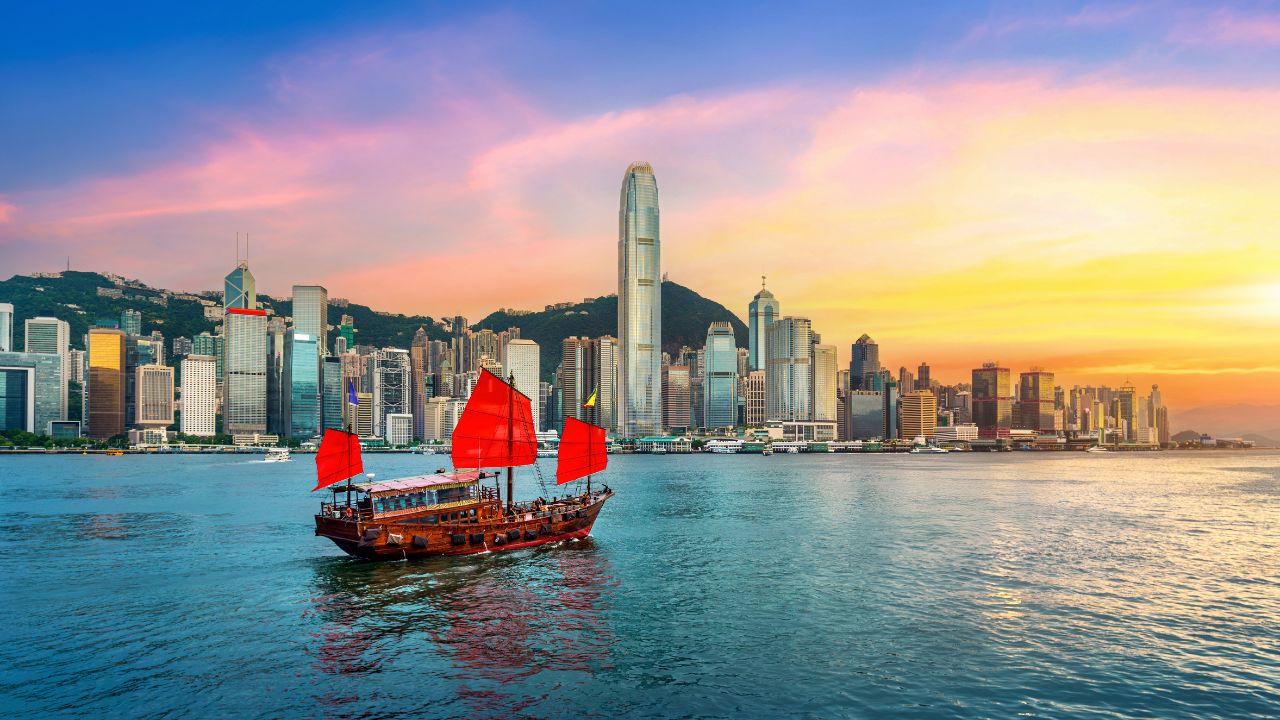
Travel after sunset is having a real moment. Booking.com’s 2025 travel predictions said 62% of travelers were considering darker-sky destinations, with starbathing, star guides, and once-in-a-lifetime cosmic events ranking high on wish lists. National Geographic also pointed to a wider rise in after-dark travel, reporting that Wayfairer Travel saw nocturnal excursions increase 25% in 2024.
The best part is that noctourism does not belong to one type of traveler. Some people want auroras, some want glowing water, some want midnight street food, and some want the kind of silence you only get far from city lights. The eight places below work because night is not an add-on there. It is the whole reason to go.
1. Tromsø, Norway
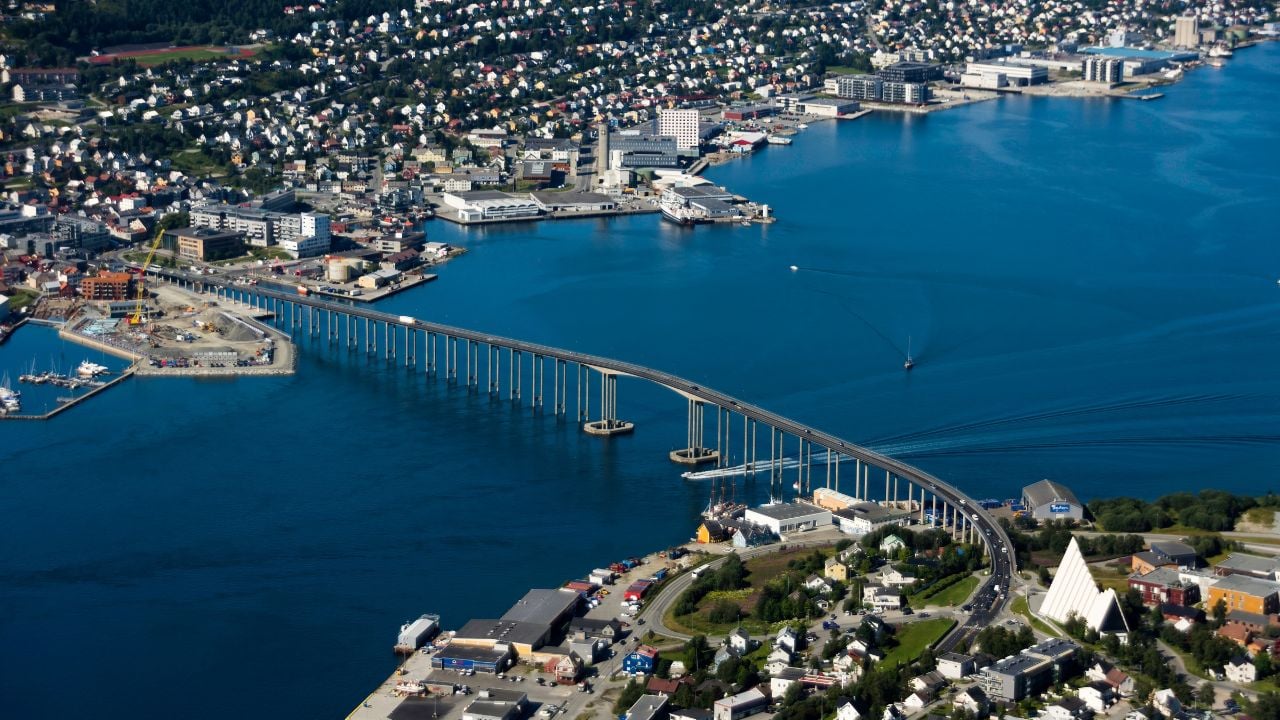
Tromsø is one of those places that makes darkness feel generous rather than limiting. Visit Tromsø says there is always a good chance of seeing the northern lights from September until early April and that the city sits in the center of the aurora oval, which helps even when activity is modest. Add the mood of the dark season, and the whole place starts to feel made for long evenings and sky-watching.
What makes Tromsø especially appealing is that you do not have to choose between wilderness and comfort. It works as an aurora base, but it also gives travelers a real city with restaurants, hotels, cafés, and winter excursions. That balance makes it a strong pick for people who want an after-dark trip with a little softness built in.
2. San Pedro de Atacama, Chile

Some destinations impress you with landmarks. The Atacama wins by lifting your eyes upward. Chile’s official tourism site says the country’s clear skies have made it one of the world’s standout stargazing destinations, and it specifically points to the Atacama Desert for guided experiences where visitors can see the cosmos with the naked eye far from light pollution.
That is why this place lingers in people’s memory. The desert has a stripped-back beauty in daylight, but after sunset the scale of it becomes even more impressive. In San Pedro de Atacama, the night experience is not flashy or crowded. It is quiet, high, dry, and sharp enough overhead to turn even casual travelers into devoted sky-watchers.
3. Vieques, Puerto Rico

Vieques earns its place because very few nighttime experiences feel this otherworldly. Discover Puerto Rico says Mosquito Bay in Vieques was recognized by Guinness World Records as the brightest bioluminescent bay in the world, and Guinness explains that the glow comes from dense concentrations of dinoflagellates that flash blue-green when disturbed.
The beauty here is part magic, part fragility. Official Puerto Rico guidance stresses that swimming is not permitted in Mosquito Bay in order to protect the ecosystem and that darker conditions make the glow more visible. So the ideal night is not loud or hurried. It is a slow paddle, minimal light, and that strange thrill of watching the water answer every movement with its own cold fire.
4. Singapore
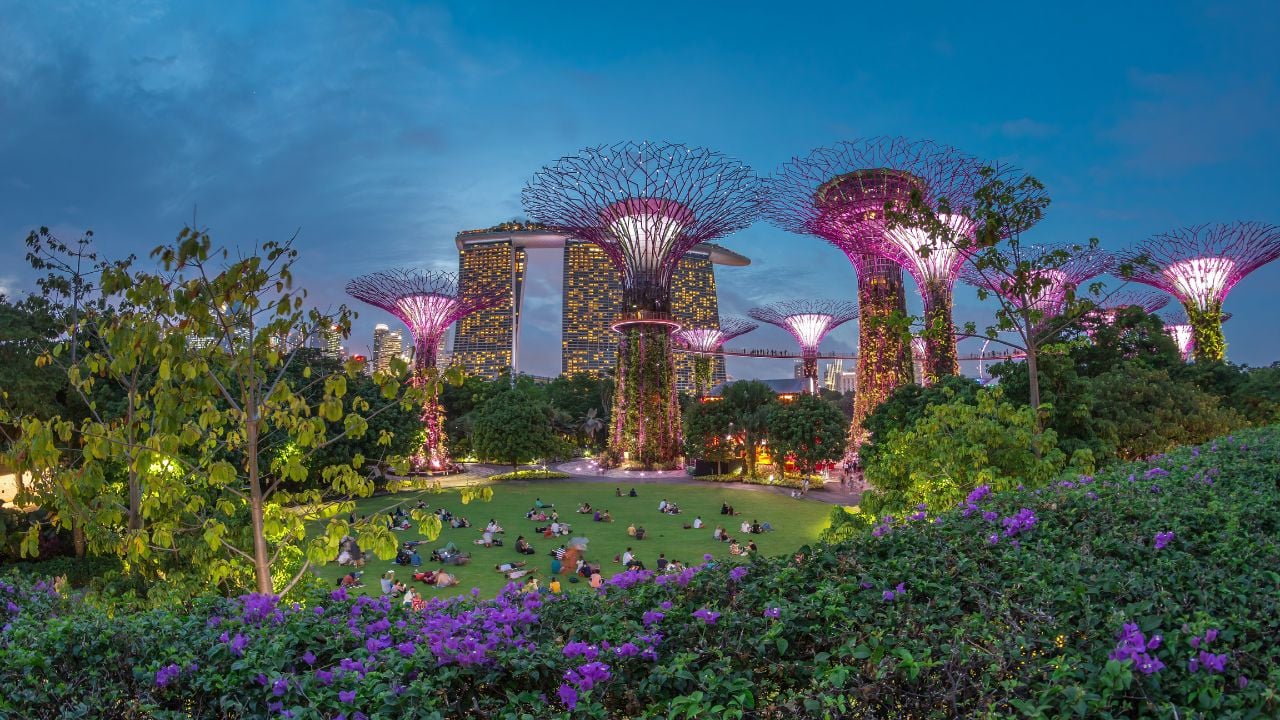
Singapore proves that noctourism does not have to mean remote silence. Night Safari at Mandai is the world’s first nocturnal wildlife park, and the official site says visitors can explore four walking trails, ride the tram, and see more than 900 nocturnal animals. It is open daily from 6:30 p.m. to midnight, which gives the whole outing the feel of a city night out with a much wilder cast.
Then there is the city’s more polished side. Gardens by the Bay says the Garden Rhapsody light show runs daily at 7:45 p.m. and 8:45 p.m. with free admission. So in one evening you can move from moonlit wildlife to glowing Supertrees without much effort. That range is what makes Singapore such an easy sell for travelers who want after-dark energy without sacrificing convenience.
5. Taipei, Taiwan

Taipei belongs on this list because some of the world’s best nights happen at street level. Taiwan’s tourism authorities describe Raohe Street Tourist Night Market as a 600-meter market near Songshan Station, and Taipei Travel highlights specialties including oyster vermicelli, pepper meat buns, and spare ribs stewed in herbal soup.
What makes Taipei so satisfying after dark is how alive it feels without turning theatrical. You can step out of the MRT, walk straight into neon and aromas, snack your way down the street, and still feel that this is daily city life rather than a performance staged for visitors. For travelers who like atmosphere they can taste, Taipei is one of the easiest nighttime wins in Asia.
6. Wadi Rum, Jordan
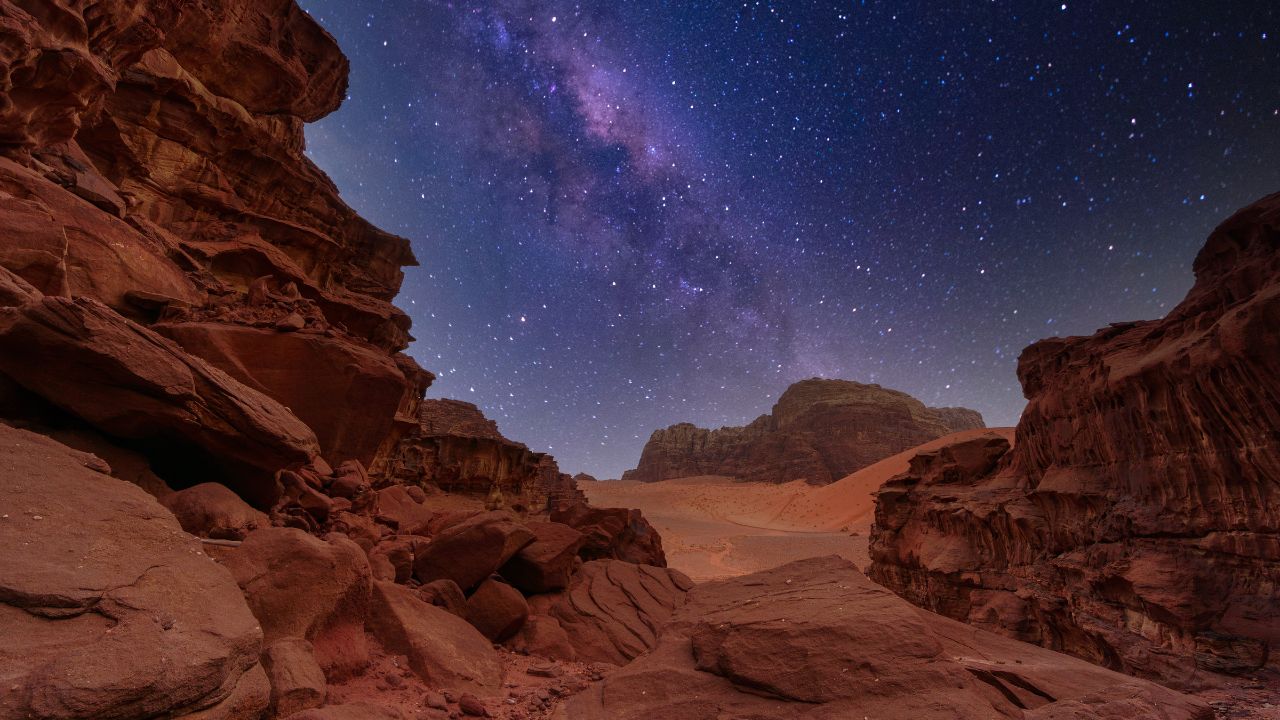
Wadi Rum feels made for people who want the night to arrive slowly and beautifully. Visit Jordan calls it the Valley of the Moon, notes its UNESCO World Heritage status, and describes it as a quiet getaway of stars, sand, and sun. The same official tourism page also points travelers toward RumSky for guided stargazing in one of Jordan’s clearest desert settings.
There is a reason this desert keeps showing up in film. Visit Jordan says Wadi Rum has been depicted as Mars in several Hollywood feature films, and the landscape already looks unreal before darkness deepens it. Spend the night in camp, step away from the lantern glow, and the whole place seems to exhale. Few after-dark settings feel so cinematic without trying.
7. Aoraki Mackenzie, New Zealand
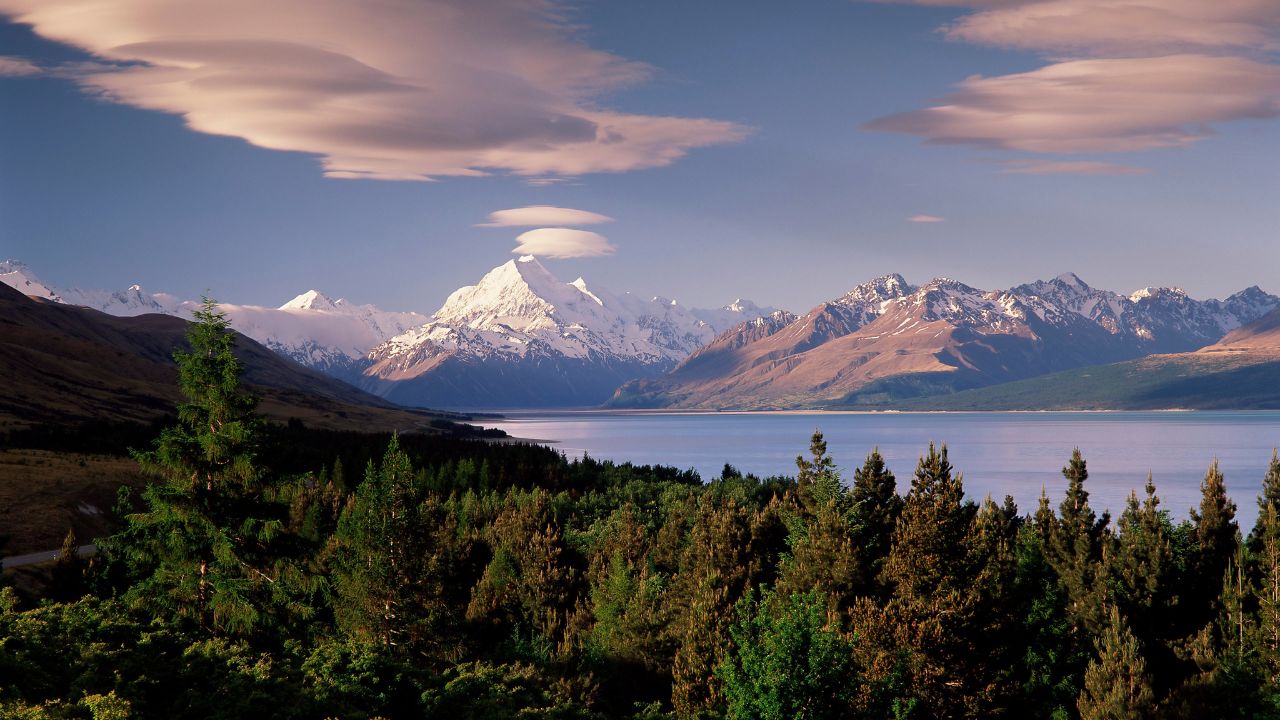
Lake Tekapo and the wider Aoraki Mackenzie region are the sort of places that make you understand why dark skies need protecting. The official reserve site says the Aoraki Mackenzie International Dark Sky Reserve was created in 2012, covers 4,367 square kilometers, and is the largest reserve in the Southern Hemisphere. Tourism New Zealand adds that the country has two Dark Sky Reserves and that winter often brings clearer views because colder air holds less water vapor.
This one feels especially well suited to travelers who want a gentler kind of wonder. The appeal is not only technical clarity. It is also the feeling of standing somewhere that treats the sky as something worth protecting, studying, and experiencing slowly. That gives the whole region unusual depth after dark.
8. Hong Kong
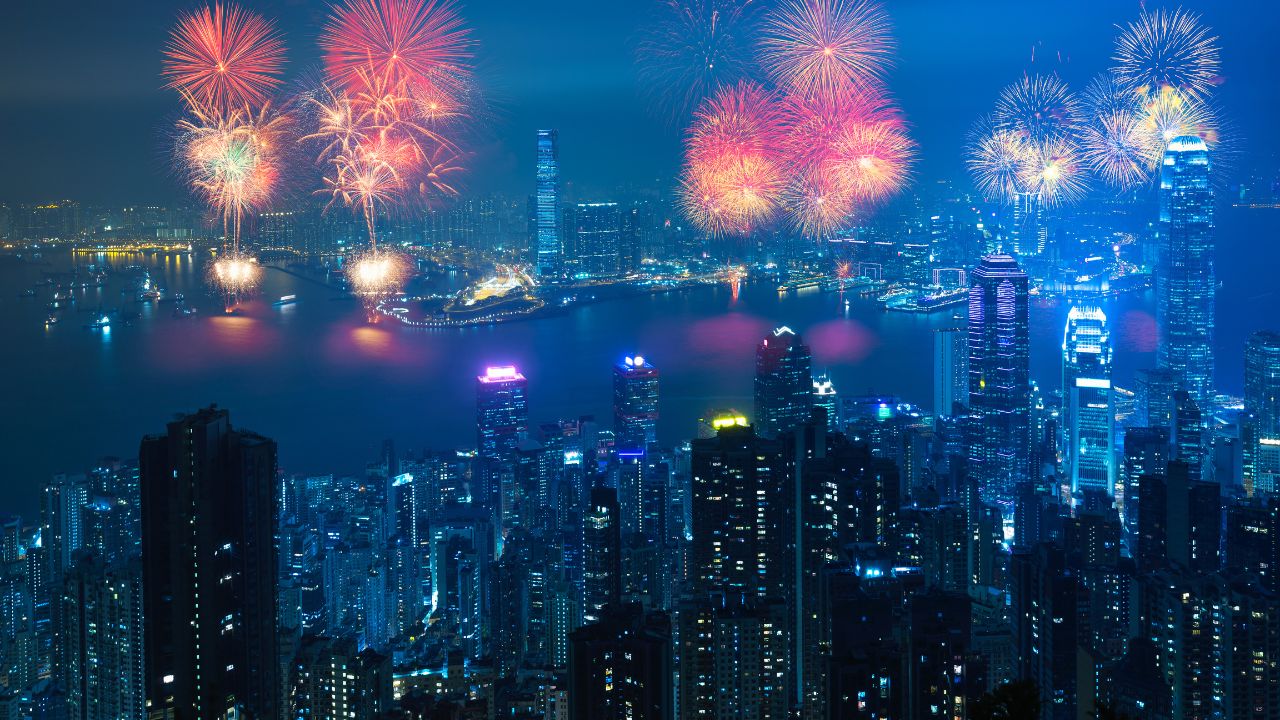
Noctourism can be hushed and cosmic, but it can also be loud, bright, and thrilling. Discover Hong Kong says the city truly dazzles after dark, and the Tourism Commission’s official details page says A Symphony of Lights is staged every night at 8:00 p.m., free of charge, with prime viewing from the Avenue of Stars, the Tsim Sha Tsui waterfront, Golden Bauhinia Square, or sightseeing ferries on Victoria Harbour.
That makes Hong Kong a strong final stop on a list like this because it widens the whole idea of after-dark travel. Some nights are about stars and silence. Others are about glass towers, harbor reflections, and a city showing off with absolute confidence. If you want your evening to feel electric rather than contemplative, Hong Kong makes one of the clearest cases in the world for staying out late.
The strongest noctourism spots all share one thing: they become more themselves once daylight fades. In Tromsø that means auroras. In Vieques it means glowing water. In Taipei it means food, noise, and movement. The trip starts after sunset, and in these eight places, that is exactly when the destination begins to make sense.