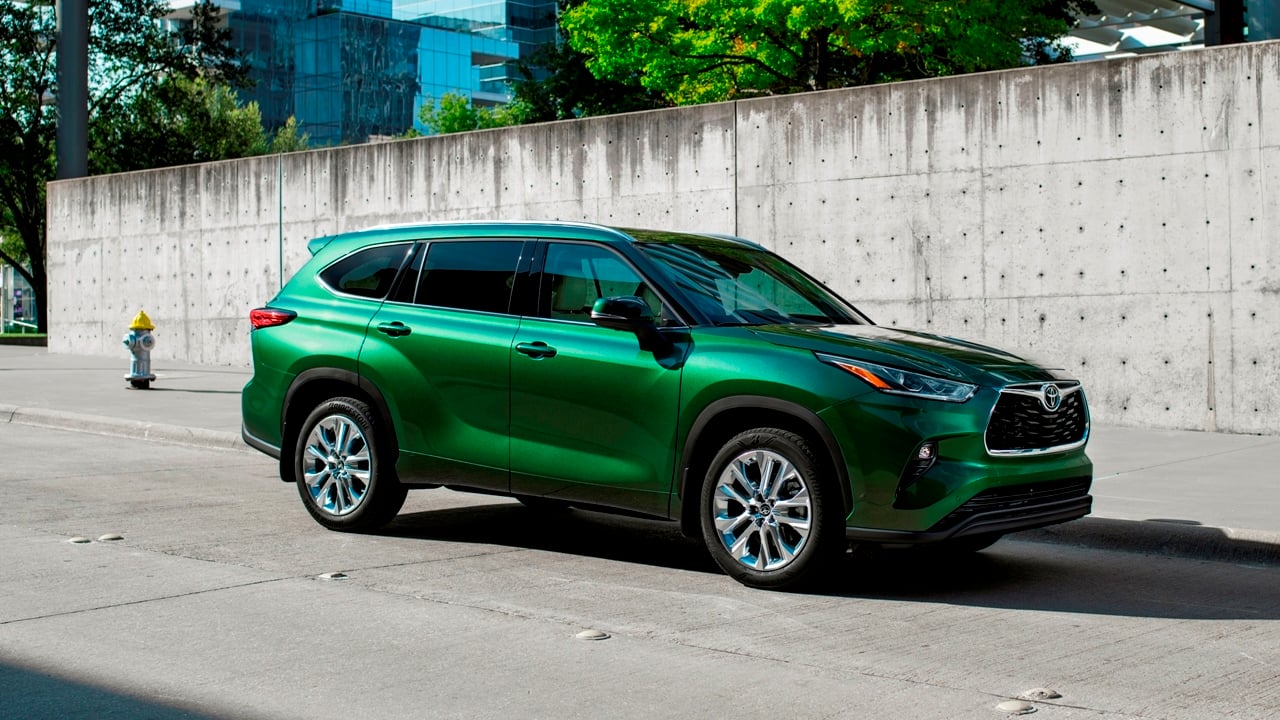
Toyota owners typically expect recall notices to involve software updates, sensor issues, or small components most people have never heard of. This one feels more personal. It concerns the second-row seat backs in certain Highlander and Highlander Hybrid models — exactly the kind of feature that families use, adjust, fold, and lean on without giving it a second thought. That’s why this recall feels different. When the problem involves a seat not fully locking into place, it immediately sounds less like routine service and more like something that could be important in a real crash.
The scale alone makes it hard to ignore. Toyota is recalling 550,007 vehicles in the United States, including certain 2021–2024 Highlander and Highlander Hybrid SUVs. According to the National Highway Traffic Safety Administration, the second-row seat backs may fail to lock into place during seat-back adjustment, which means they might not properly restrain occupants in a crash. That is not the kind of wording any automaker wants attached to one of its most family-focused models.
The good news is that Toyota already has a fix ready, and dealers will replace the return springs in the seat-back recliner assemblies free of charge. But the bigger story here isn’t just the repair. It’s a reminder that even the most practical, everyday vehicles can develop safety issues in places owners rarely consider. And when that vehicle is a Highlander, a model bought mainly for family hauling and daily peace of mind, even a simple recall suddenly seems much more significant.
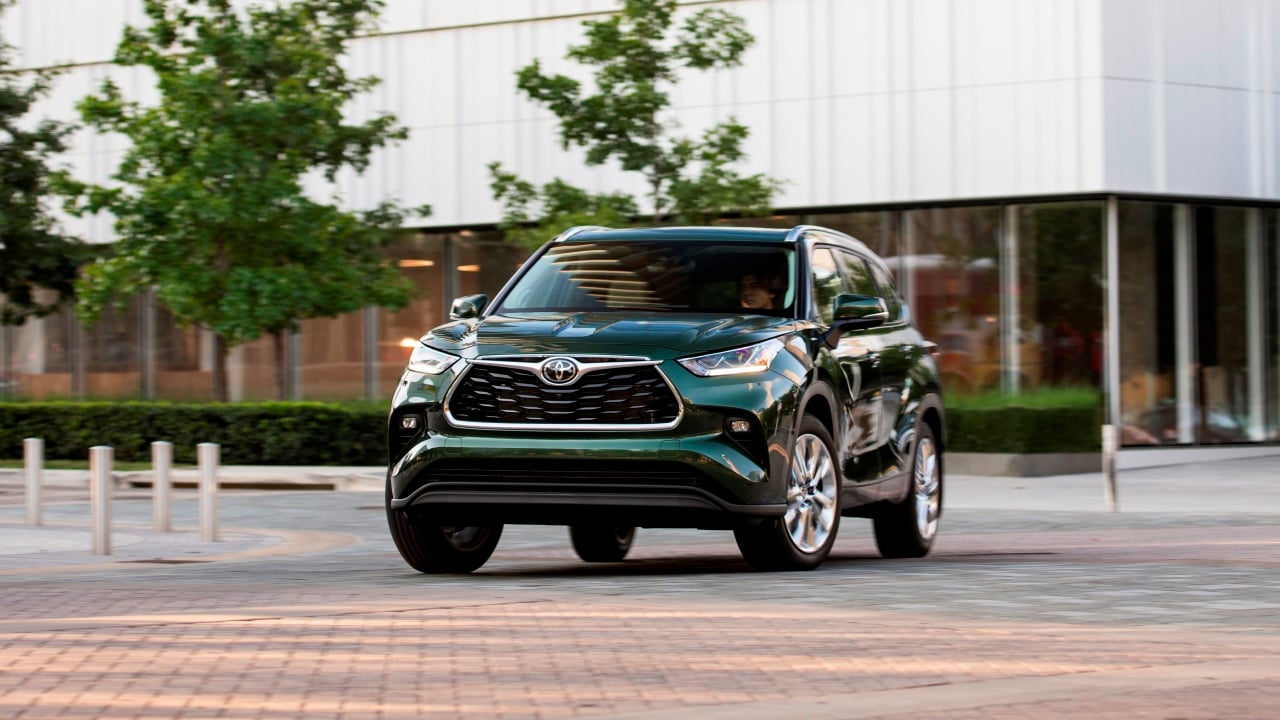
Why This Recall Matters More Than It Sounds
At first glance, a faulty seat-back lock might not seem as dramatic as an engine fire or brake failure. However, for many people, that is exactly why it feels more serious. Rear seats are not some hidden feature tucked away in the vehicle’s design. They’re one of the most frequently used parts of a family SUV. Kids climb over them, parents adjust them, and passengers rely on them without a second thought. So when Toyota says those seat backs may not stay locked after adjustment, the problem suddenly feels very real.
NHTSA states that the issue affects second-row seat backs that may fail to lock during adjustment, increasing the risk of injury in a crash. Consumer Reports pointed out that the problem involves the latch system for those rear seats, which is meant to allow passengers to adjust the angle and then securely lock it in place. If that does not happen, the seat may not perform as expected when it’s most needed.
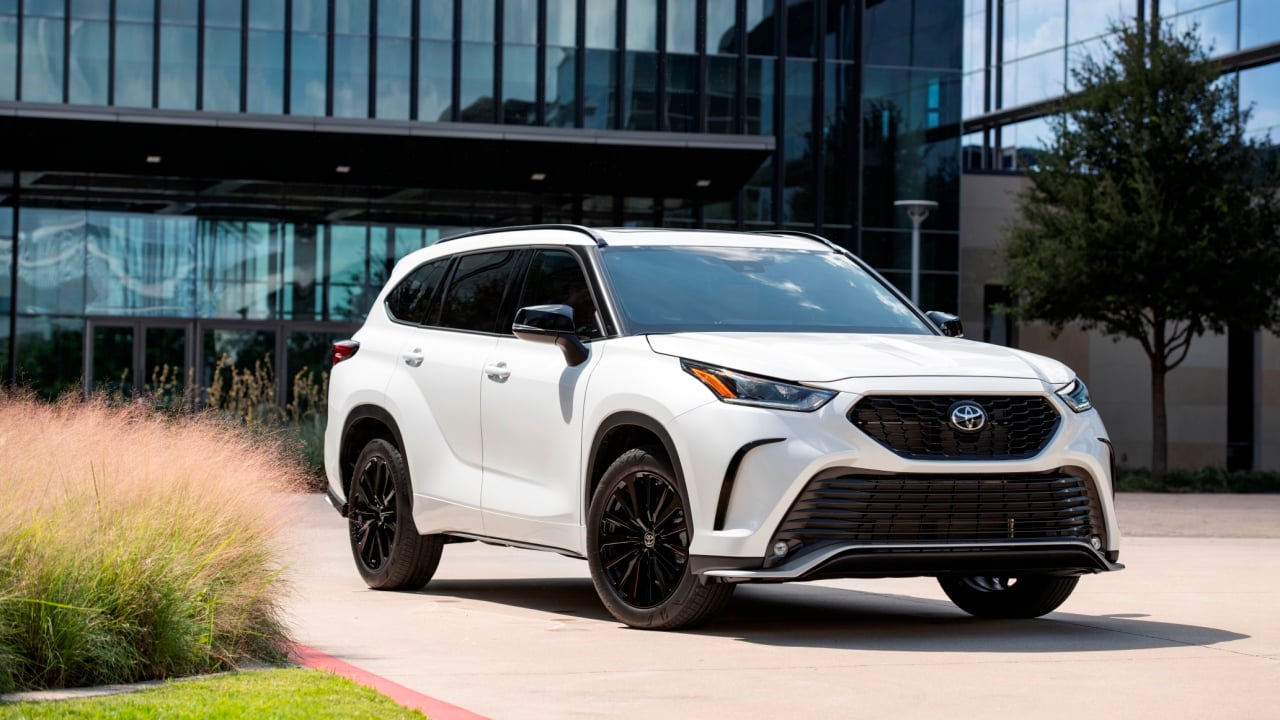
The Defect Appears to Trace Back to a Supplier Change
Toyota’s official recall report provides additional context, offering details owners usually do not see. The automaker explained it investigated a new condition related to a supplier design change made in April 2021. During the investigation, Toyota surveyed and tested second-row seats in 343 vehicles, finding 12 that failed to stay locked after adjustment. Replication testing and teardown work then indicated an outer-clearance issue that altered how the teeth in the recliner assembly engaged, potentially preventing the seat back from remaining locked.
That explanation matters because it shows this was not just a random complaint that spiraled into headlines. Toyota says it investigated the issue, reproduced it, traced the mechanism, and then decided on a voluntary safety recall on February 27, 2026. In other words, this looks less like panic and more like a manufacturer deciding it had seen enough to act.
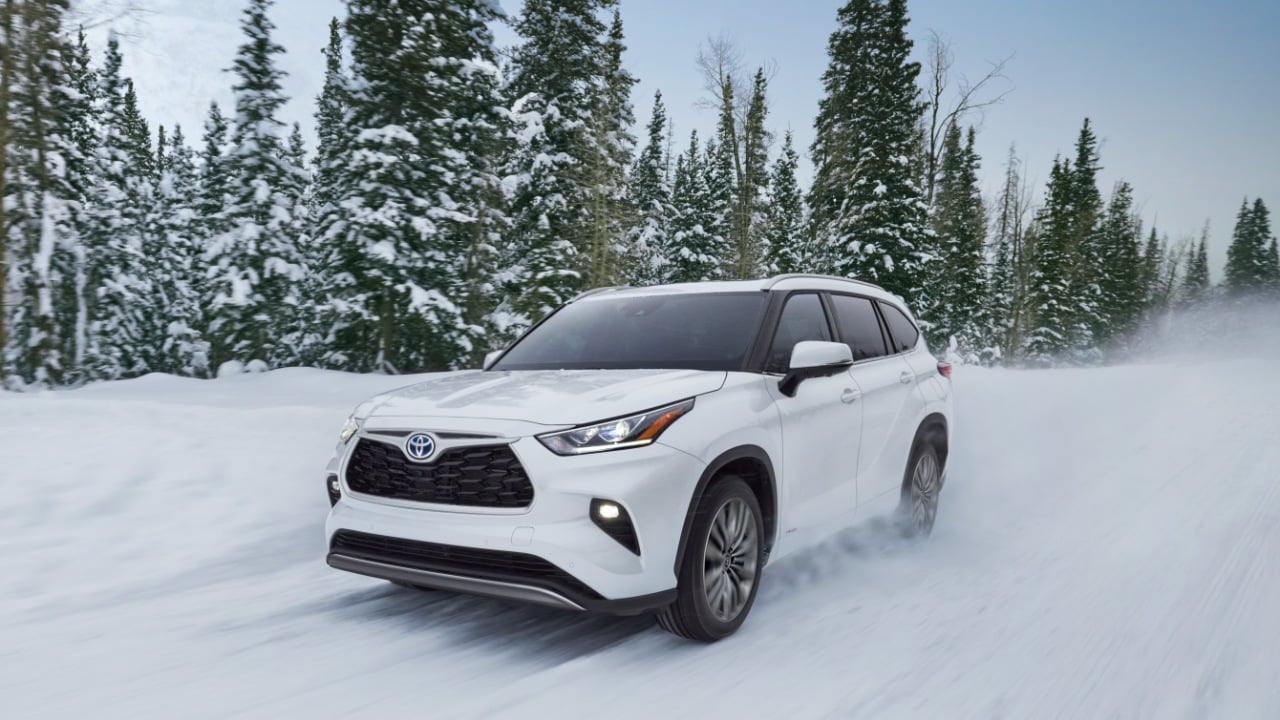
What Owners Can Expect Now?
The practical part is quite straightforward. Toyota dealers will replace the return springs in the seat-back recliner assemblies at no charge, and owner notification letters are expected to be mailed on April 20, 2026. The recall includes certain Highlander and Highlander Hybrid vehicles from model years 2021 through 2024, so owners of those SUVs should check their VIN and watch for mail carefully.
And that is probably the most important takeaway here. This isn’t a story about a mysterious defect with no fix in sight. It’s a large recall, yes, but also a fixable one. The seat issue might not sound exciting, but it directly affects the trust people have in a family SUV every day. Toyota now needs to act quickly and effectively because when the problem involves where your passengers sit, “we’ll get to it eventually” is not the message anyone wants to hear.
A Family SUV Recall Always Carries Extra Weight
That is why this story feels bigger than the defect itself. The Highlander has built its reputation on being dependable, practical, and easy to live with. Recalls happen across the industry, and Toyota is far from alone in that regard. But when the issue affects a core safety feature in one of America’s popular family crossovers, it naturally attracts more attention. Not because it’s scandalous, but because it hits at the reason people buy vehicles like this in the first place.
So yes, this is “just” a seat-lock defect on paper. In reality, it’s a half-million-plus vehicle reminder that even trusted family SUVs are only as dependable as the parts people rarely see. And that is exactly why this recall is likely to stay in owners’ minds longer than the repair itself.