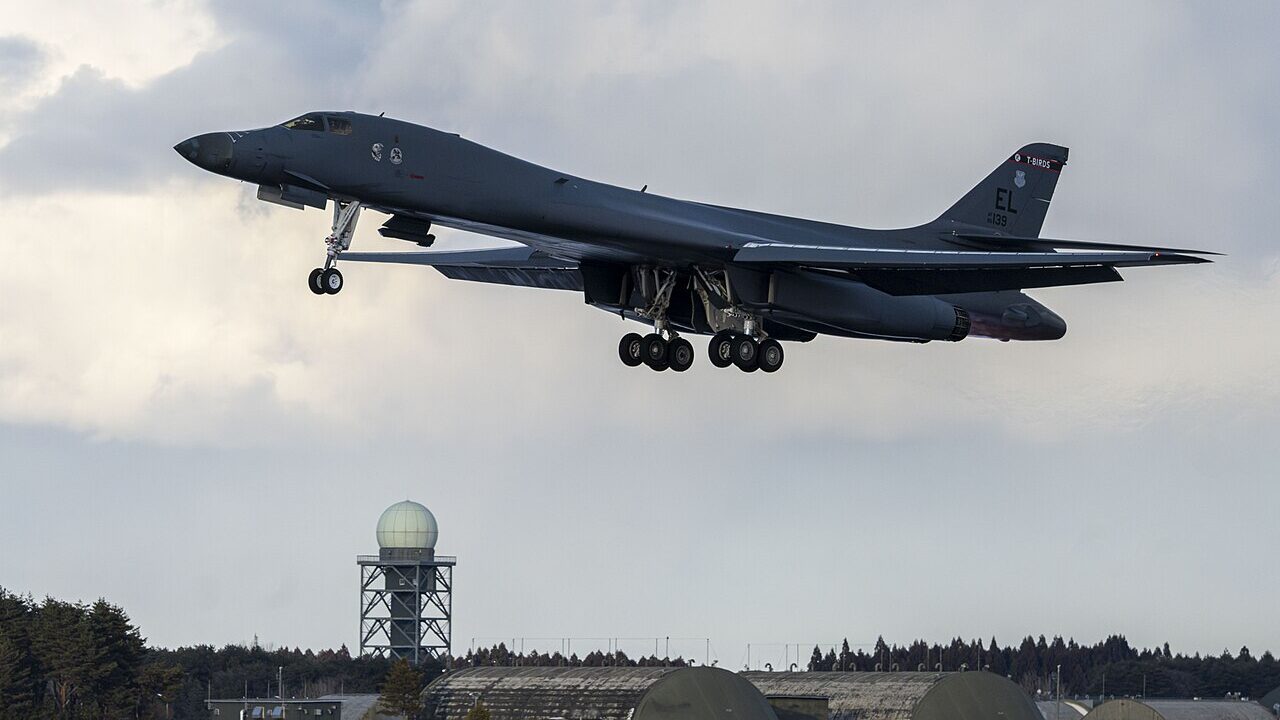

This particular kind of sound does not belong to roads. You don’t want to hear it as you drive down the interstate, even though you crave the noise made by free-breathing combustion engines.
It does not hum like a well-tuned inline-six or growl with the familiar menace of a performance V8. It tears. It rips through air, through sleep, through walls. And in a quiet English village, that sound is turning homes into echo chambers of modern warfare.
Jolted From Sleep, Shaken Awake
A recent BBC News report details life near RAF Fairford, where United States Air Force bombers have become uninvited nightly visitors. For Sian Nelson, an aviation enthusiast who lives a few miles from the base, the experience is just as awe-inspiring as it is deeply unsettling.

When the bombers pass overhead, admiration gives way to something more physical. Her house shakes. Not metaphorically. Literally.
Think about that for a second. In the automotive world, we chase sensation. We celebrate vibration tuned to perfection. The subtle feedback through a steering wheel. The deliberate rumble engineered into an exhaust note. Even the wildest hypercars are still bound by a contract with comfort. Controlled aggression. Refined chaos.
Now imagine a machine that ignores all of that.
The B-1 bomber is not built for elegance. It is built for dominance. When its afterburners ignite, fuel is dumped directly into the exhaust stream, boosting thrust by nearly half. That is not a design choice aimed at driver engagement or acoustic pleasure.
It is raw force, unleashed without apology. The result is a sound so violent it sets off car alarms on quiet residential streets. Not performance cars with sensitive systems. Regular cars startled awake like their owners.
The Ground Feels Alive
Nelson described being jolted from sleep, unsure at first whether the tremor was a dream or something more real.

“I literally thought I was dreaming and then I came out and I was like, oh no, that’s why I was shaking in my dream, because obviously my whole house does shake,” she said… “But I know they tend to go off in twos and threes — I was like, right I’m going to sit here and wait for a couple of seconds, and then you could literally hear the engines before they get to you.”
That moment of confusion feels oddly familiar. Anyone who has stood too close to a drag strip launch knows the sensation. The chest tightens. The ground feels alive. But this is not a weekend thrill. This is routine.
There is an irony here that is hard to ignore. Car culture has always borrowed language from aviation. We talk about horsepower like it is a measure of flight. We admire jet-inspired design, fighter cockpit dashboards, even afterburner-style exhaust flames. Yet when the real thing arrives overhead, it exposes the gap between inspiration and reality.
William Eliason, a former USAF member quoted in the BBC report, put it simply. You do not just hear these aircraft. You feel them. The ground responds. The body responds. It is an experience that bypasses preference entirely.
“So, for the folks living right underneath the flight path for both the approach and departure from Fairford, they’ll definitely be feeling it pretty intensely,” he said, and then added, “It’s not going to be a fun experience if they’re not used to it.”
Still, people watch.
The Sound of Unfiltered Power
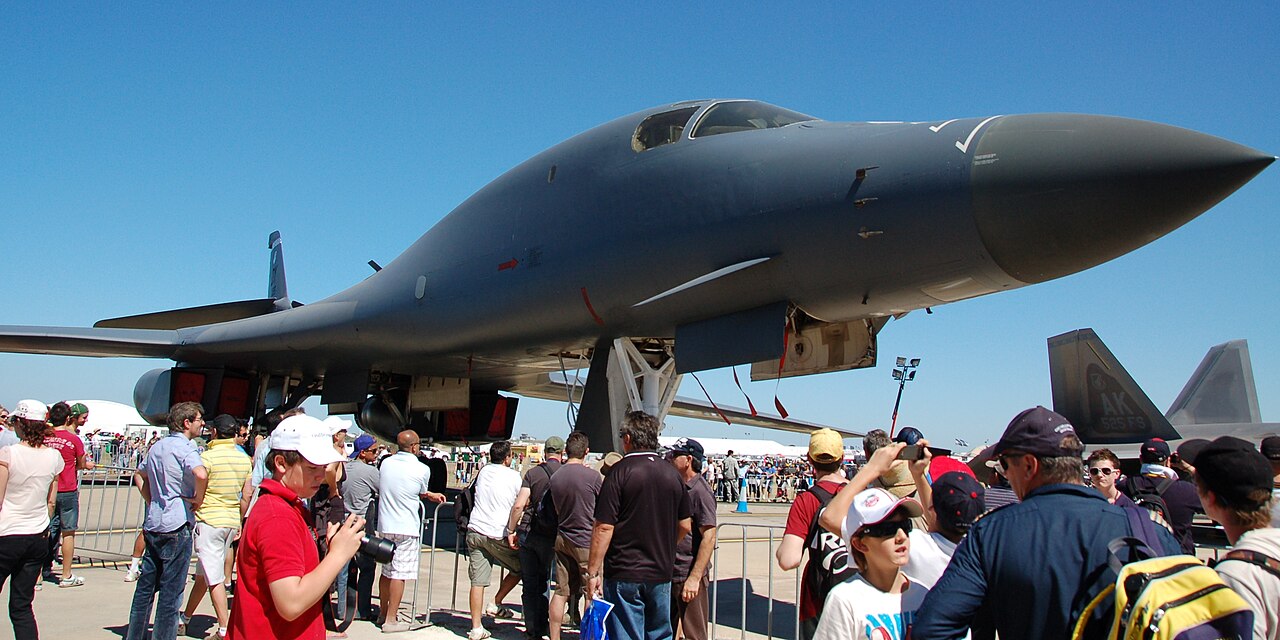
Photos show enthusiasts lining the perimeter, climbing onto cars for a better view. Temporary screens have been installed to discourage them, but curiosity is stubborn. This mirrors something deeply rooted in automotive culture. We gather for noise. For motion. For spectacle.
Whether it is a midnight street meet or a sanctioned track day, the pull is the same.
A key difference in this context is that, on the road, noise is a choice. You can turn the engine off. You can walk away. In Down Ampney, the sky decides.
The UK government maintains that the use of RAF Fairford supports defensive operations tied to ongoing tensions in the Middle East.
That context matters. It frames the noise as a byproduct of geopolitics that people would be well informed to excuse the inconvenience. Still, for those beneath the flight path, the explanation does little to soften the impact.
This story lands in an unusual place for us earthlings who aren’t pilots. It is not about cars, yet it speaks directly to our obsession with machines and the emotions they provoke. It reminds us that sound and power, when stripped of refinement, become something else entirely. Something less romantic. Something harder to ignore.
Could that be the real takeaway from this BBC story? That we spend so much time chasing the perfect noise that we forget what unfiltered power actually sounds like?