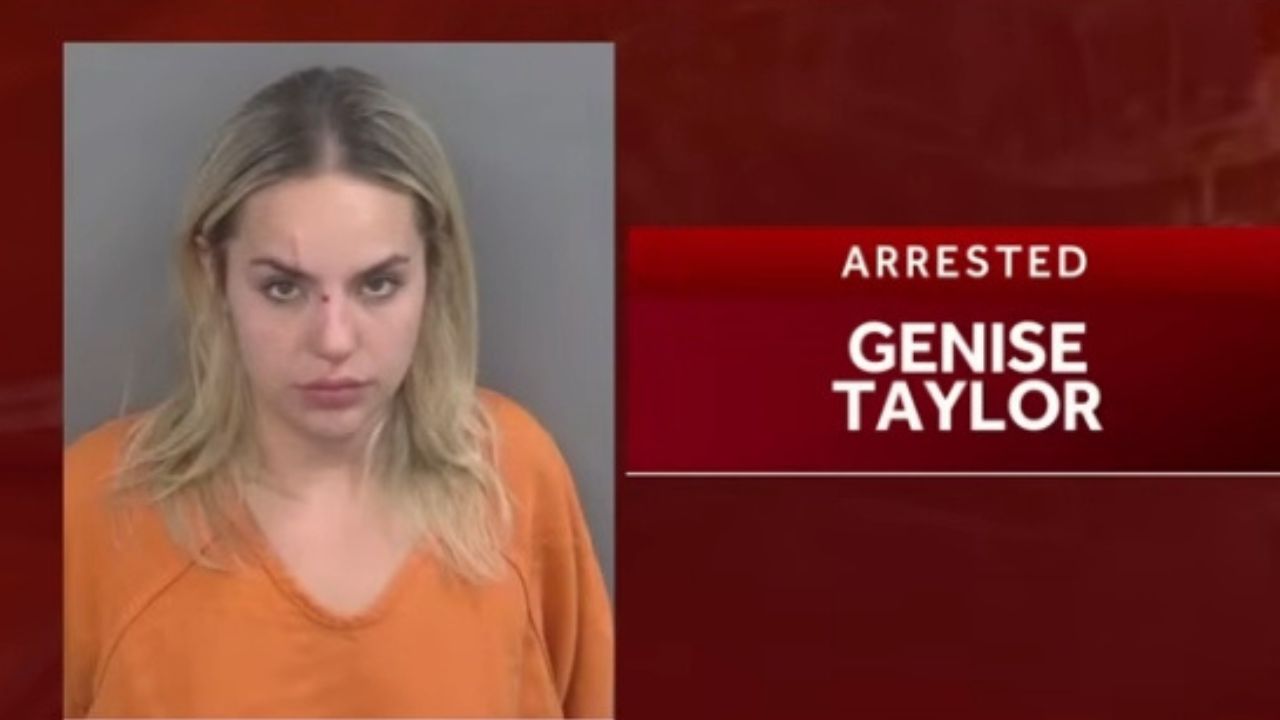

A quiet morning commute along Interstate 75 in Collier County transformed into a scene of catastrophic violence, leaving a 96-year-old man dead and a 24-year-old woman facing the full weight of Florida’s justice system.
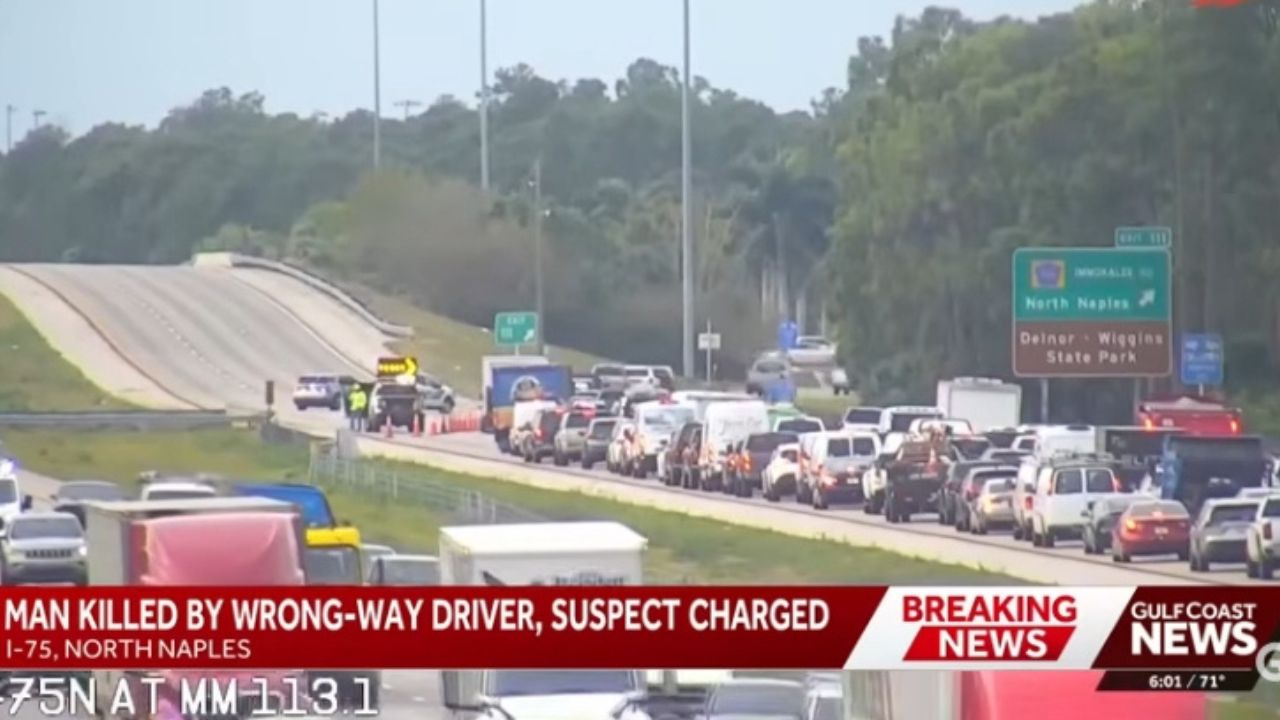
It started as a celebratory night documented on social media but ultimately ended in a head-on collision that shut down a major interstate for nearly eight hours, exposing the devastating consequences of a single, reckless decision.
The Digital Trail
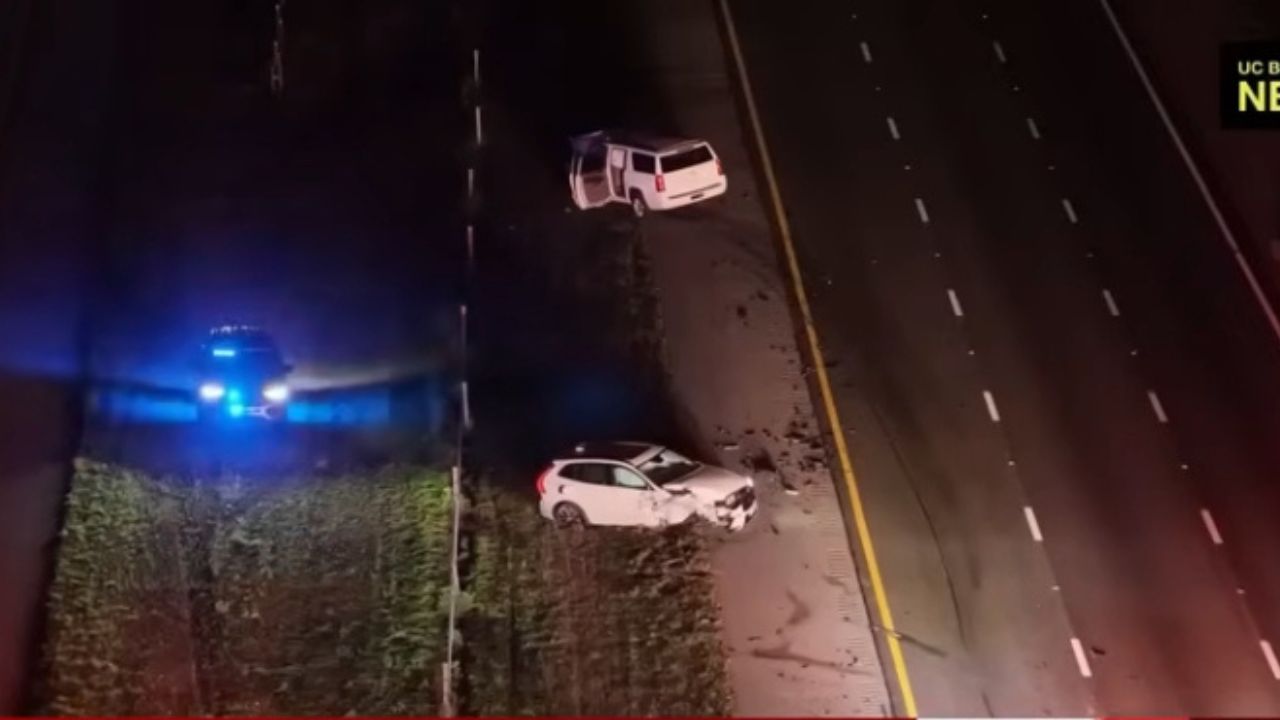
According to the Florida Highway Patrol, the chain of events began in the early morning hours when 24-year-old Jean East Taylor got behind the wheel. Investigators allege she was not only intoxicated but was driving the wrong way on I-75 near the Immokalee Road exit.
The result was a violent head on collision involving two vehicles. A 96-year-old man, identified by family as Glenn, succumbed to his injuries at the scene. Taylor was arrested and charged with DUI manslaughter.
The tragedy was compounded by a digital trail. Troopers discovered that just hours before the crash, Taylor had posted videos and photos on Instagram depicting her night out on the town. This evidence, now central to the investigation, paints a stark timeline of her activities leading up to the fatal moment.
For thousands of commuters, the aftermath was a logistical nightmare. Julie Campbell, a local business owner, described being stuck in traffic for over an hour, a sentiment echoed by countless others who found their routines shattered by the gridlock.
The emotional toll, however, proved far heavier than the inconvenience. As one commuter reflected on the loss of the 96-year-old victim, they lamented, “We got through his whole life to be 96 years old and was taken out by something senseless.”
The Legal Reckoning
From a legal perspective, the charges against Taylor rest on a solid foundation of Florida statutes. DUI manslaughter, defined under Florida Statute 316.193(3)(c)3, is a second-degree felony.
To secure a conviction, the state must prove three elements beyond a reasonable doubt: that the defendant was driving or in actual physical control of a vehicle, that she was under the influence of alcoholic beverages to the extent that her normal faculties were impaired, and that her operation of the vehicle caused the death of another human being.
In this case, the prosecution will likely rely on a combination of forensic evidence and the suspect’s own digital footprint. The social media posts serve a dual purpose. First, they establish a timeline, potentially corroborating witness accounts of her drinking prior to driving.
Second, they undermine any potential defense of a sudden medical episode or lack of knowledge regarding her impairment. Florida is a “comparative negligence” state, but in a criminal DUI manslaughter case, the focus is squarely on the driver’s state of mind and blood alcohol content.
If Taylor’s blood alcohol level was 0.08 or higher, the state can invoke a presumption of impairment.
Furthermore, the act of driving the wrong way on a controlled access highway like I-75 will be used to demonstrate a reckless disregard for human life. While DUI manslaughter does not require proof of malice, the aggravated nature of driving into oncoming traffic could influence sentencing if she is convicted.
The law does not treat this as a simple accident. Florida’s judicial system views DUI manslaughter as a “strict liability” crime regarding causation. As long as the defendant’s impaired driving was a substantial factor in causing the death, she can be held criminally liable, even if she did not intend to harm anyone.
A Senseless End
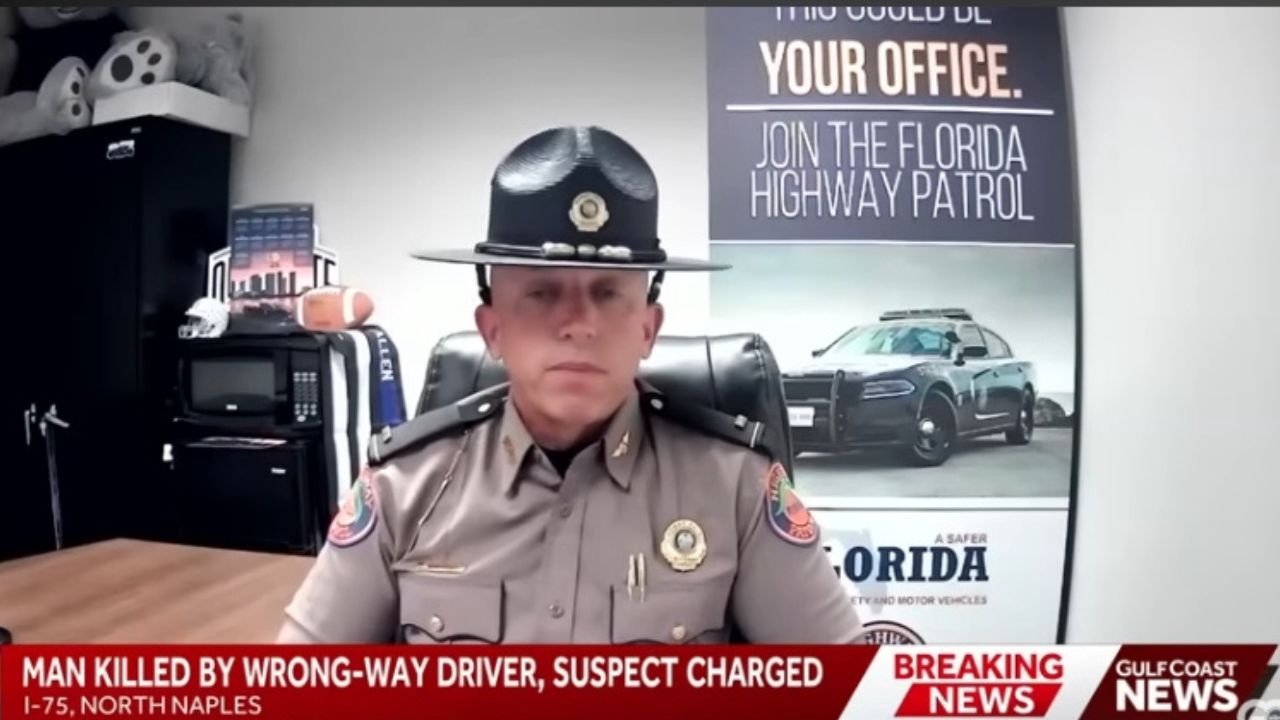
Lieutenant Greg Bueno of FHP emphasized the senselessness of the incident, noting that the investigation continues into Taylor’s whereabouts before the crash. The third driver involved in the collision is expected to survive, but the 96-year-old victim’s death remains the focal point.
As the legal process unfolds, this case is a grim reminder of how a moment of impaired judgment can cascade into irreversible tragedy, leaving a family grieving a long life cut short by a preventable act.