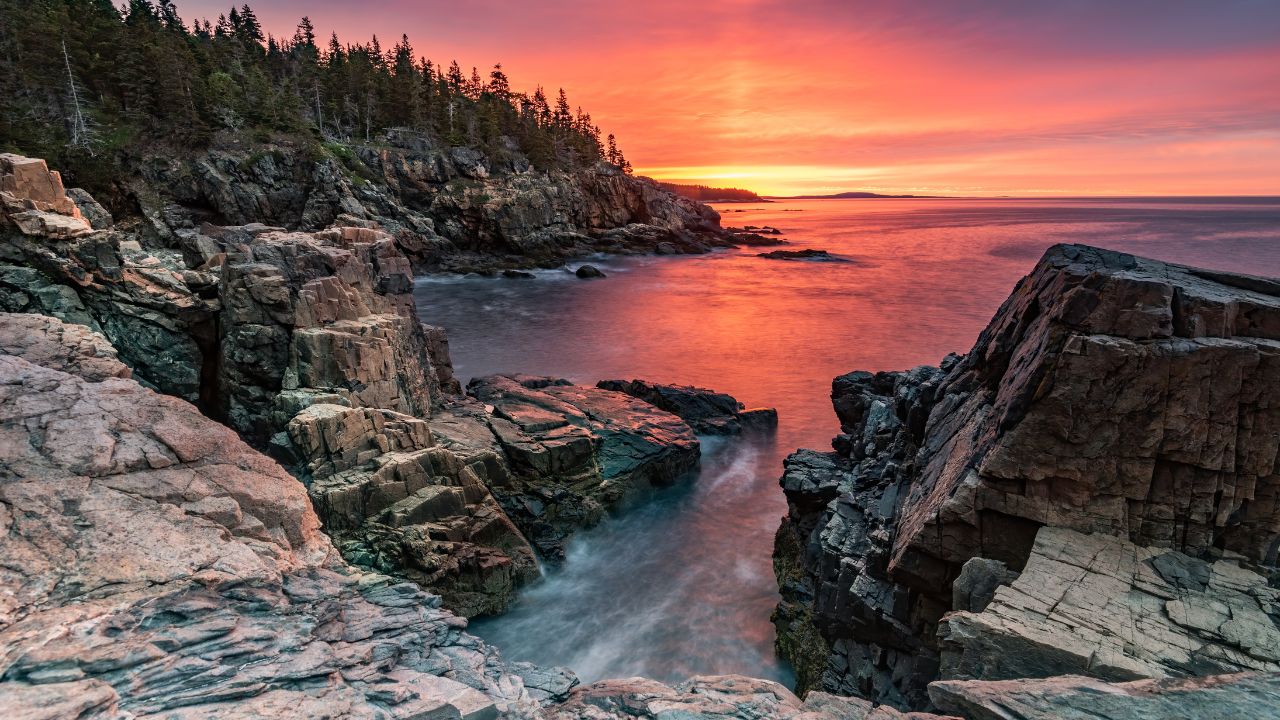
National parks still look like a bargain from a distance. Then the real trip begins, and suddenly the cheap outdoor escape comes with parking rules, shuttle systems, timed road access, and a few very full trailhead lots before breakfast. In 2026, some of the biggest names are simpler in one way and trickier in another: Yosemite dropped timed entry, Glacier dropped vehicle reservations, Zion runs on shuttles for much of the year, Acadia continues to reserve Cadillac Summit Road, and Great Smoky Mountains charges for parking tags even though admission itself is free.
There is one simple money move worth knowing before the list starts. Yosemite, Zion, and Acadia each charge $35 for a standard private-vehicle pass, while Glacier’s standard private-vehicle pass is $35 in the main season and $25 from November 1 through April 30. The 2026 Resident Annual Pass costs $80 for U.S. citizens and residents. Great Smoky Mountains is the outlier because it does not charge an entrance fee, though its parking program still applies.
1. Great Smoky Mountains National Park
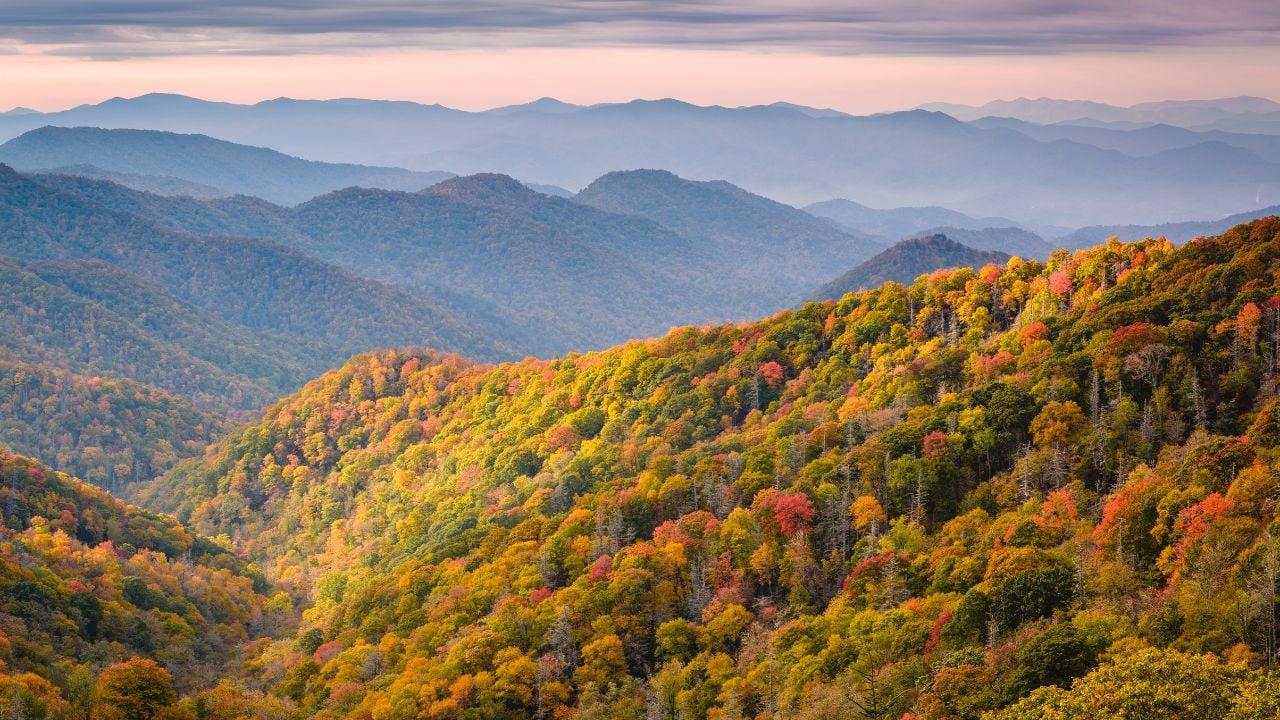
The Smokies remain one of the best-value park trips in the country, but they are not cost-free once you stop the car. NPS says entrance is free, yet any vehicle parked for more than 15 minutes needs a parking tag, priced at $5 for a day, $15 for a week, or $40 for a year. The catch is that the tag does not reserve a spot, and the park makes clear that parking at the busiest areas still requires off-peak timing and backup plans.
Traffic is the bigger trap. The park says most visitors arrive between 10:00 a.m. and 11:00 a.m. and recommends starting earlier or later. The same page notes that most shuttle services from gateway communities run March through October. Another small but very useful warning: there are no gas stations inside the park, so showing up low on fuel is a deeply unromantic way to begin a mountain day.
2. Yosemite National Park
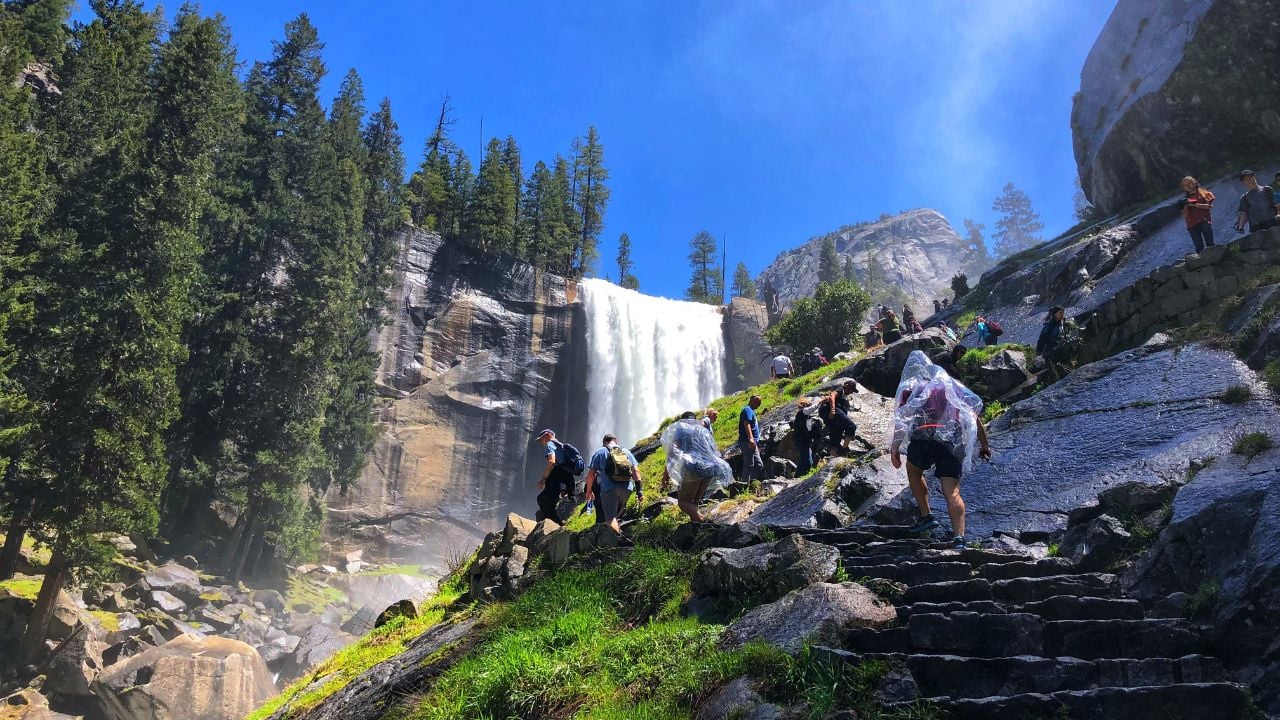
Yosemite’s 2026 setup sounds simpler than last year’s, but that does not mean it has become casual. NPS says the park will not use a timed reservation system in 2026, yet it also says Yosemite will rely on real-time traffic management, including temporary diversions when parking areas fill. The park’s own visit-planning page says the smartest arrival window is before 9:00 a.m. or after 5:00 p.m., which tells you everything you need to know about how quickly the valley can clog.
Budget-wise, the basic private-vehicle pass is $35 and covers seven consecutive days. The more useful rookie warning is logistical: Yosemite has limited cell service, so last-minute improvising can get harder than people expect. It is wise to download maps, know your entrance route, and avoid reading “no reservation required” as “parking will be easy.” Yosemite removed one planning layer, not every planning layer.
3. Zion National Park
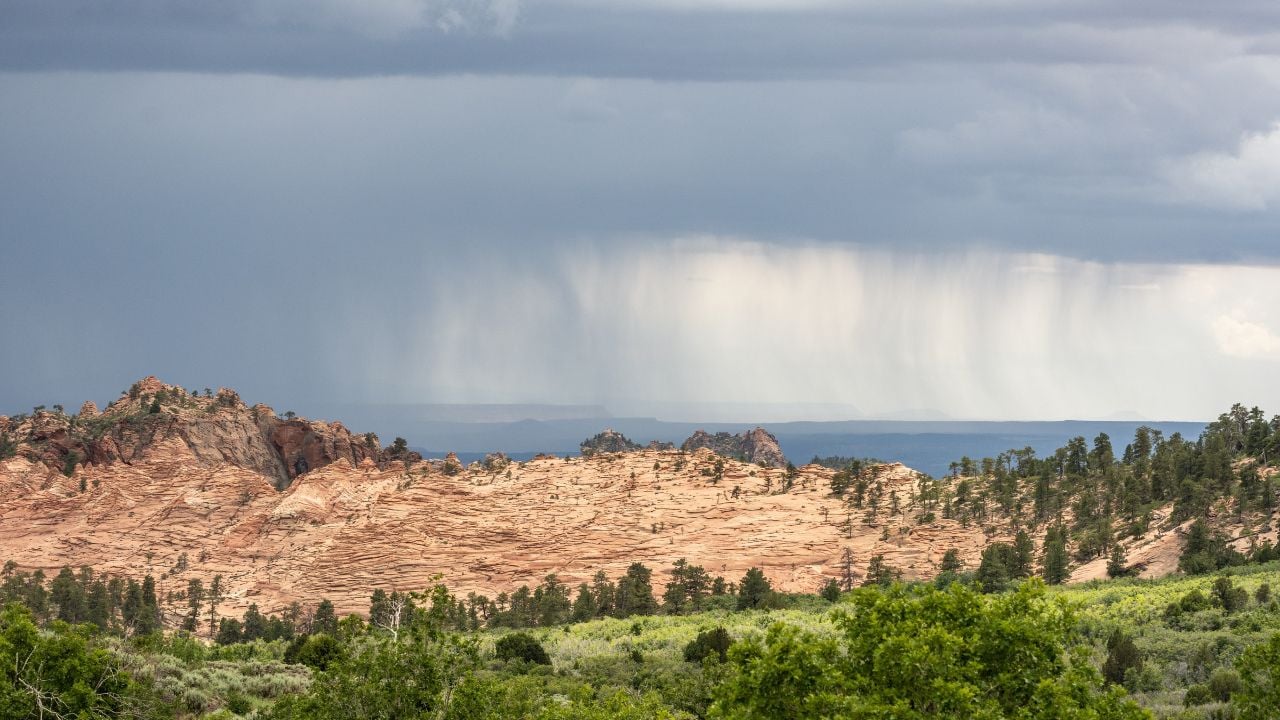
Zion remains one of the clearest examples of a park where traffic strategy matters as much as trail choice. The park says the free Zion Canyon shuttle resumed on March 7, 2026, and during shuttle season personal vehicles cannot drive the Zion Canyon Scenic Drive. The same hours page notes that the Zion-Mt. Carmel Highway, Kolob Canyons Scenic Drive, and Kolob Terrace Road remain open to personal vehicles, so the system is restrictive in one part of the park, not everywhere.
That setup can save money and stress if you plan around it instead of fighting it. Zion’s standard private-vehicle entrance fee is $35. Watchman Campground is reservation-only, and South Campground is closed for a rehabilitation project. The beginner mistake here is assuming you can roll in late, drive everywhere, and sort out lodging after lunch. Zion rewards people who decide early whether they are shuttling, camping, or staying outside the gate.
4. Glacier National Park
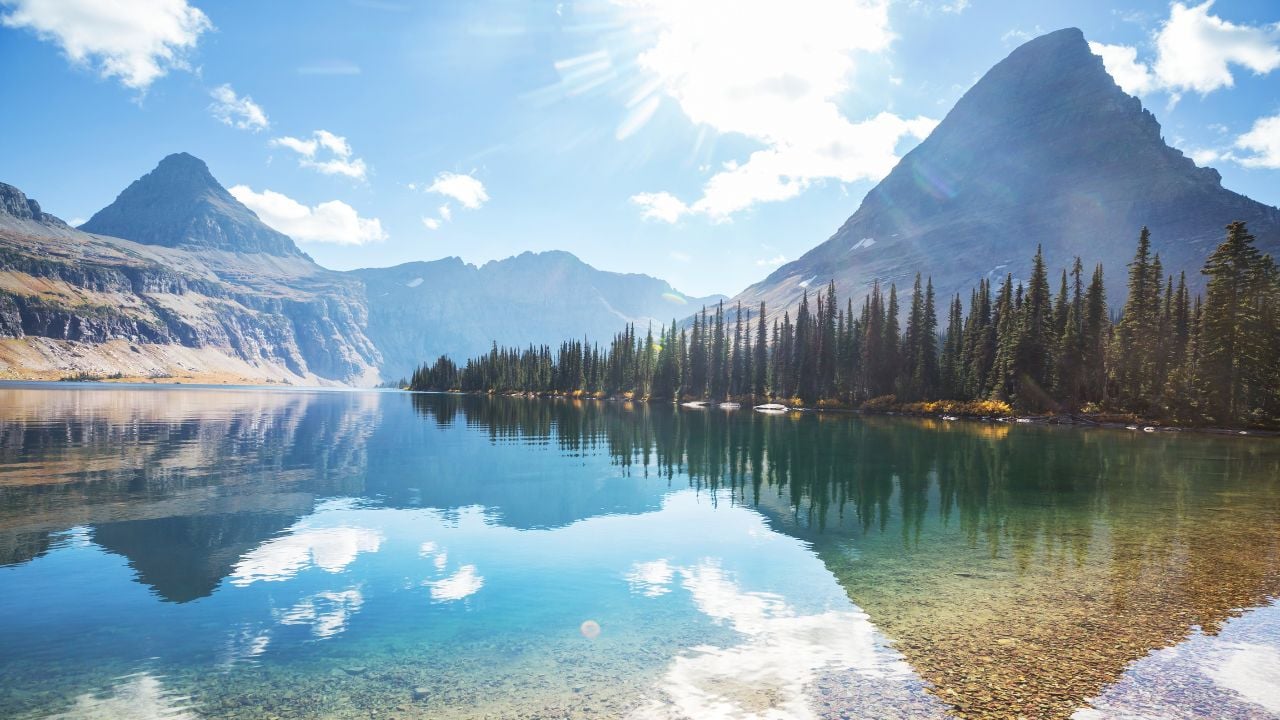
Glacier’s 2026 rules look friendlier at first glance, but there is a twist. NPS says vehicle reservations will not be required anywhere in the park this year, yet it also warns that vehicles may still be diverted from entrances when areas become too congested. On top of that, Glacier is piloting a ticketed-only Going-to-the-Sun Road shuttle system, and private parking at Logan Pass will be limited to three hours or less beginning July 1, weather permitting.
That matters for both hikers and budget travelers. A portion of shuttle tickets will be released 60 days in advance beginning May 2, 2026, at 8 a.m. MDT, with a second next-day release window later in the season. The standard private-vehicle entrance fee is $35 in the main season, so Glacier may be simpler on reservations this year, but it still demands a very specific plan if Logan Pass is the centerpiece of your trip.
5. Acadia National Park
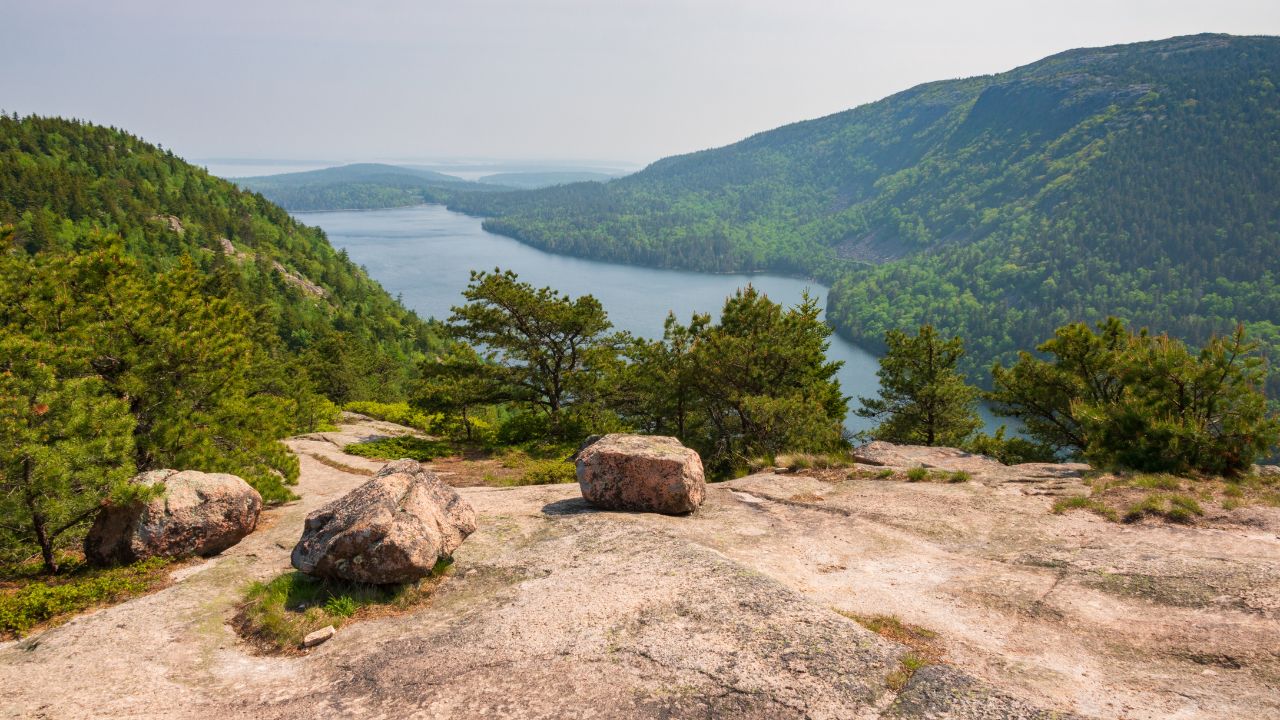
Acadia is where one scenic road can quietly complicate an otherwise simple Maine getaway. NPS says Cadillac Summit Road requires a separate $6 vehicle reservation from May 20 through October 25, 2026, and visitors must also hold a park entrance pass, which costs $35 per vehicle for seven days. Reservations are sold online only, not at the park, and the park warns that internet and cellular access can be limited, so saving the QR code ahead of time is not optional fluff.
The good news is that the reservation only applies to Cadillac Summit Road, not to the rest of Acadia. NPS also says visitors entering the summit area by foot, bike, or taxi do not need a vehicle reservation, and the booking system leaves 30 percent of sunrise and daytime slots available 90 days ahead, with the remaining 70 percent released at 10:00 a.m. Eastern two days before the visit. So if your budget is tight or the road allotment sells out, Acadia still gives you room to pivot without scrapping the trip.
The pattern across all five parks is pretty simple. The expensive mistakes are rarely dramatic. They come from assuming “national park” means one universal rulebook, when in reality each place has its own little ecosystem of fees, traffic choke points, trail access quirks, and timing tricks. Plan for those, and the trip gets a lot cheaper, calmer, and better.