Would you book a track day in an SUV and expect it to end with a grin instead of a warning light? Not very long ago, that question would have sounded ridiculous. SUVs were built to carry people, cargo, dogs, luggage, and the occasional overconfident garden project. They were never meant to clip apexes, tolerate repeated hard braking, or feel tidy when asked to change direction at serious speed.
Then the category changed. Power went through the roof, chassis tuning became much more sophisticated, active suspension systems got smarter, and a few manufacturers stopped building fast SUVs as novelty items. They started engineering them like real performance machines that happened to sit higher off the ground. That difference matters. A fast highway blast is easy. A composed, repeatable, confidence-inspiring lap session is much harder.
That is the spirit of this list. These are not just quick SUVs with loud exhausts and launch control party tricks. They are the ones that make sense when the road turns into a circuit and the pace stops being theoretical. You want brake confidence. You want body control. You want steering that does more than suggest a direction.
You want cooling, traction, and enough balance that the vehicle does not feel like it is arguing with physics in public. Most important, you want a machine that can do the job without turning the whole event into a dramatic experiment. These five really fit that headline, and each one gets there in its own way.
What “Without Fuss” Really Means Here
Plenty of SUVs can survive one heroic lap. That was not enough for this article. The standard here was stricter and more useful. A proper track day SUV needs to feel settled under repeated load, not just exciting in a brochure. It should have the brakes, suspension control, drivetrain response, and chassis discipline to let a driver lap with confidence instead of constantly managing weight transfer, overheated hardware, or clumsy reactions.
Straight line speed helped, of course, but it was never the deciding factor. A vehicle this tall and this heavy earns respect when it stays composed after the first big braking zone and still feels coherent a few laps later.
There is also a human side to this. A great track day SUV should not make the driver feel foolish for bringing it. That sounds obvious, but it matters. The best ones have enough precision and enough genuine engineering depth that they stop the joke almost immediately. Once you feel the nose bite, the body settle, and the brakes hold firm, the whole conversation changes. That is why the five below are here.
Each one has the pace, the hardware, and the composure to turn a skeptical paddock glance into a very different expression by lunchtime.
Porsche Cayenne Turbo GT
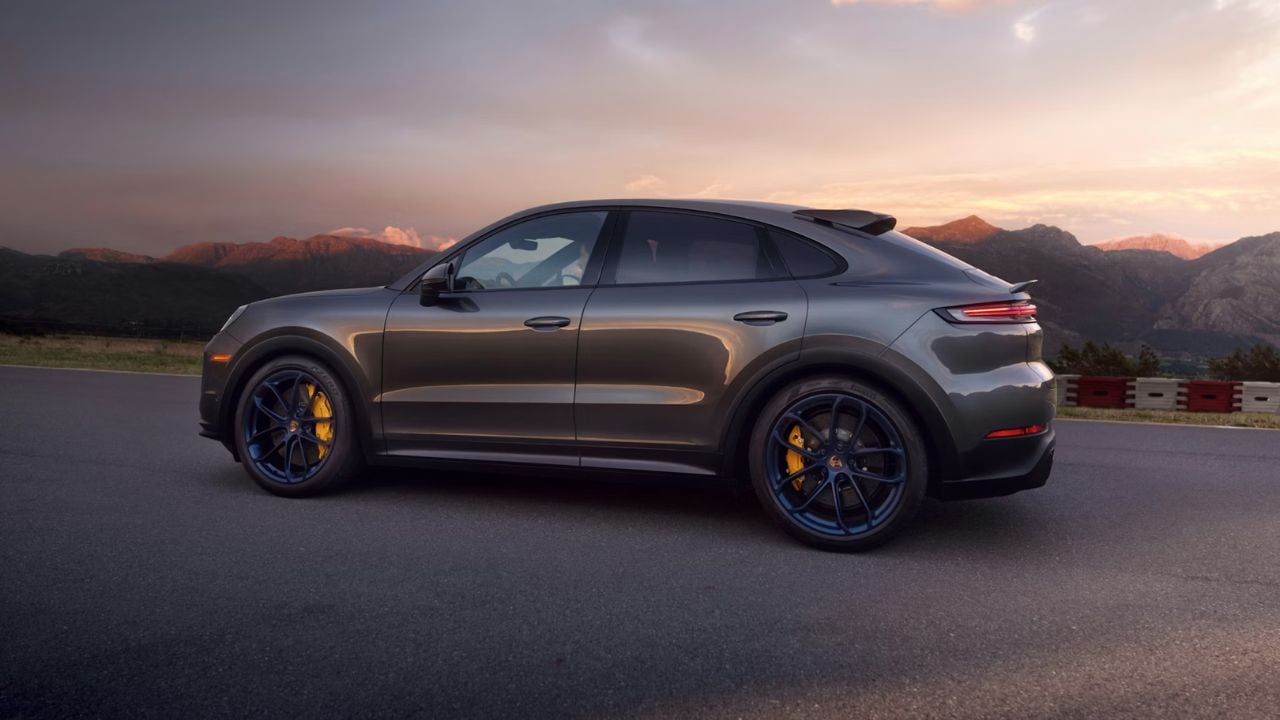
If this article needs a benchmark, it is the Cayenne Turbo GT. Porsche did not just make the Cayenne quicker and call it a day. It built a version with a unique chassis and powertrain setup specifically tuned for this model, lowered it compared with the regular Turbo Coupe, fitted all the key chassis systems as standard, and then backed up the whole pitch with a 7:38.9 Nürburgring Nordschleife lap that set an official production SUV record at the time.
That is not marketing fluff. That is a manufacturer publicly proving its big coupe shaped SUV can survive and excel in the sort of environment that usually exposes weak spots very quickly. The current U.S. model keeps the theme intact with a twin turbo V8 making 650 hp and 626 lb ft.
What makes the Turbo GT so convincing is the lack of compromise in its character. It does not feel like a regular luxury SUV that has been handed an anger management problem. It feels like a performance vehicle that happens to offer a higher seating position and some actual practicality.
The steering response is sharp, the rear axle steering helps it rotate more naturally than something this size has any right to, and the whole thing carries itself with a kind of calm authority that makes hard driving feel surprisingly normal. If you wanted one SUV to show up at a track day, run hard, and head home without drama, this would be the safest bet.
BMW X5 M Competition
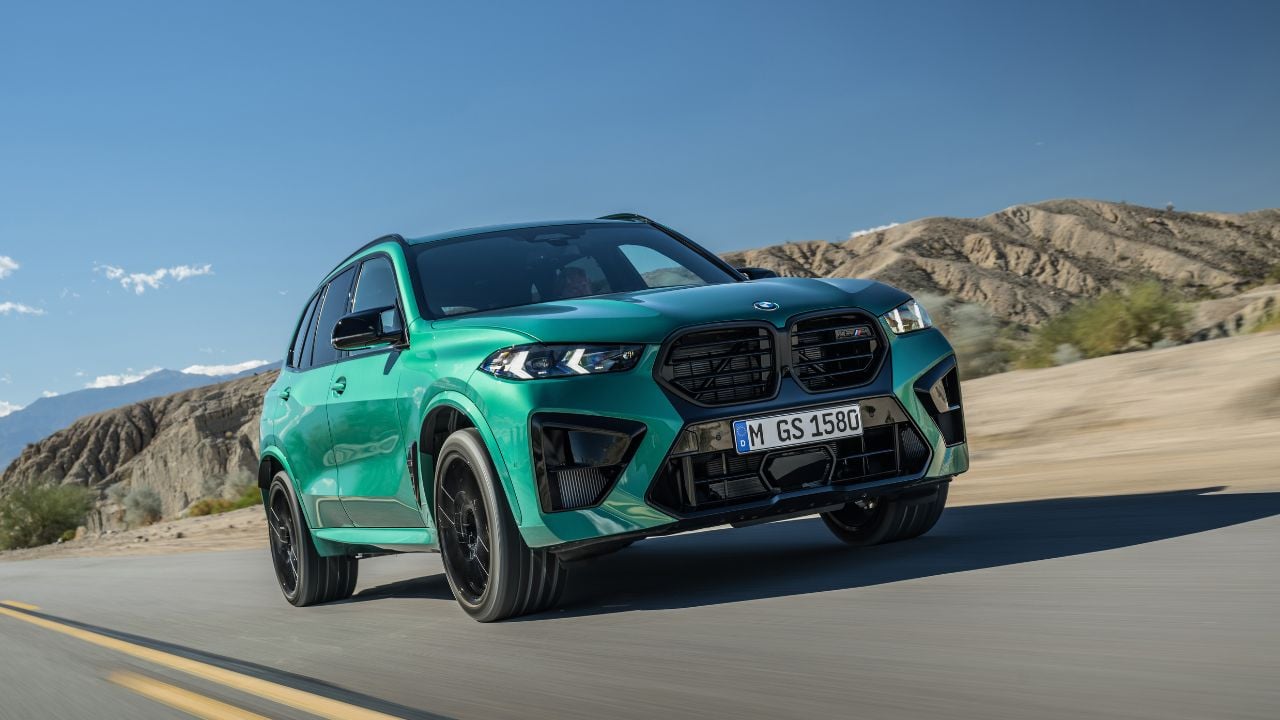
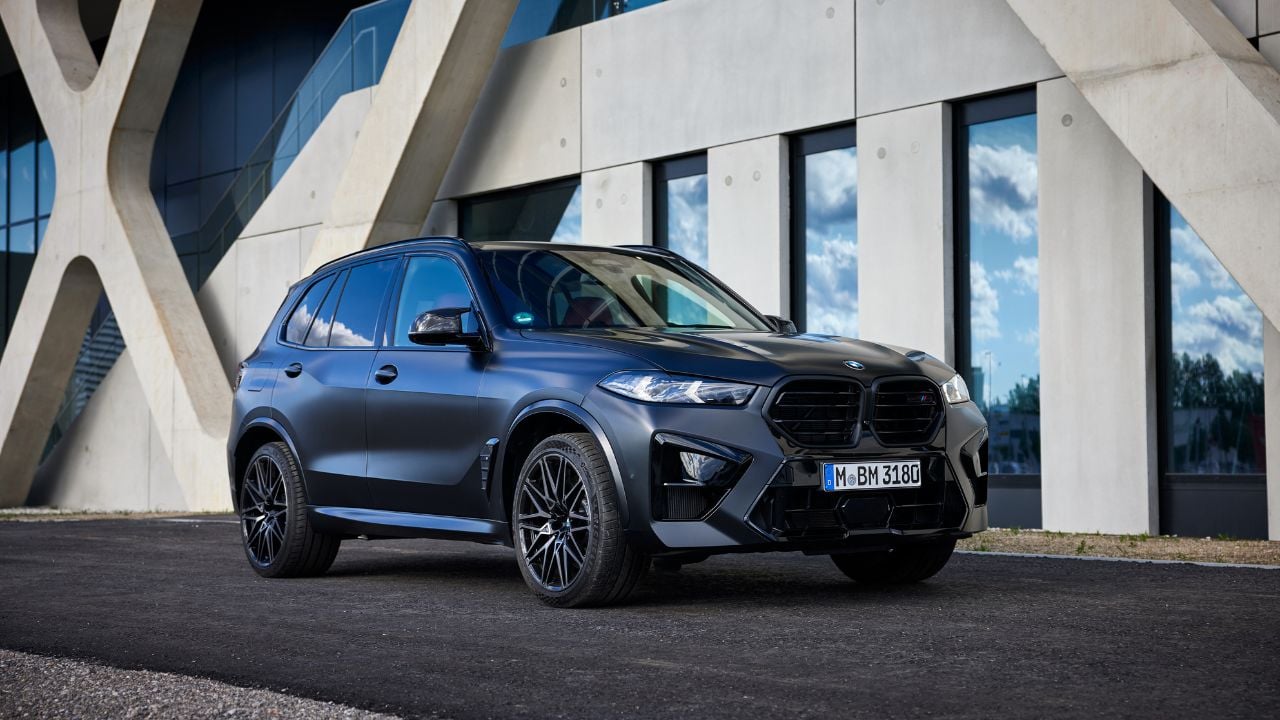
The X5 M Competition is what happens when brute force gets taught manners. BMW gives it 617 hp, a 0 to 60 mph time of 3.7 seconds, Adaptive M Suspension Professional, M xDrive, and brakes serious enough that the company openly frames the vehicle as suitable for everyday driving as well as the racetrack. Plenty of manufacturers like to flirt with that language, but the X5 M has a stronger case than most.
Car and Driver’s Lightning Lap notes that it is amazingly balanced and competent on track, that it rotates and claws through corners neutrally, and that the brakes held up phenomenally even after repeated punishment from very high speed. That is exactly the sort of real world praise that matters here.
The reason the BMW belongs on this list is not subtlety. This is not a delicate driver’s tool. It is a heavy, immensely fast, deeply serious performance SUV that somehow keeps its reactions cleaner than a lot of lighter machinery. There is real confidence in the way it attacks curbs, settles under braking, and uses its all wheel drive system without turning numb.
The X5 M also has a kind of mischievous appeal because it still looks like a practical luxury family vehicle from a distance. Then it arrives at a braking marker with the sort of violence that makes passengers question whether they missed something important in the spec sheet. On track, that dual personality works beautifully.
Aston Martin DBX707

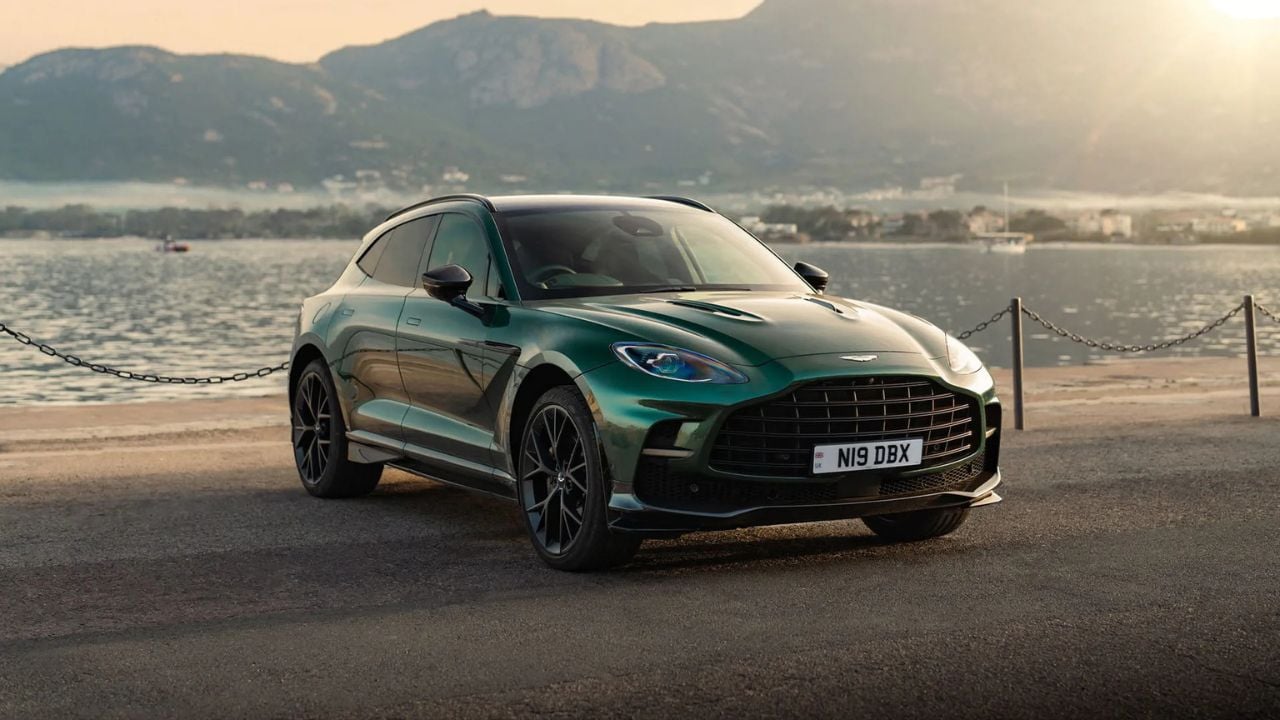
Aston Martin’s DBX707 is one of the most surprising vehicles in this entire category because it feels less like a fast SUV and more like a giant sports car that accidentally learned how to carry luggage. The official pitch is wonderfully revealing. Aston Martin calls it a supercar in the body of an SUV and highlights the racing grade reactions of its wet clutch transmission, 900 Nm of torque, and a 193 mph top speed.
MotorTrend fills in the rest of the picture with 697 hp, 664 lb ft, and a tested 0 to 60 mph run of 3.1 seconds. Big numbers help, but what really makes the DBX707 fit this headline is the way it handles them. Reviewers have been unusually consistent in saying this thing rewrites the rules on what a sporting SUV can do.
There is a rare sense of fluidity in the DBX707. It does not bully its way through corners the way some high powered SUVs do. It feels more polished than that, more eager to turn, more willing to change direction without sending a memo to every passenger in the cabin. That matters on track because confidence often comes from the absence of awkwardness.
The Aston feels like it has been taught the right moves from the beginning. The result is a performance SUV that can play the luxury role all week, then show up at a lapping session with absolutely no need to apologize for its invitation. If you like your track machine with a little tailoring and a lot of violence, this one makes a very strong case.
Lamborghini Urus SE
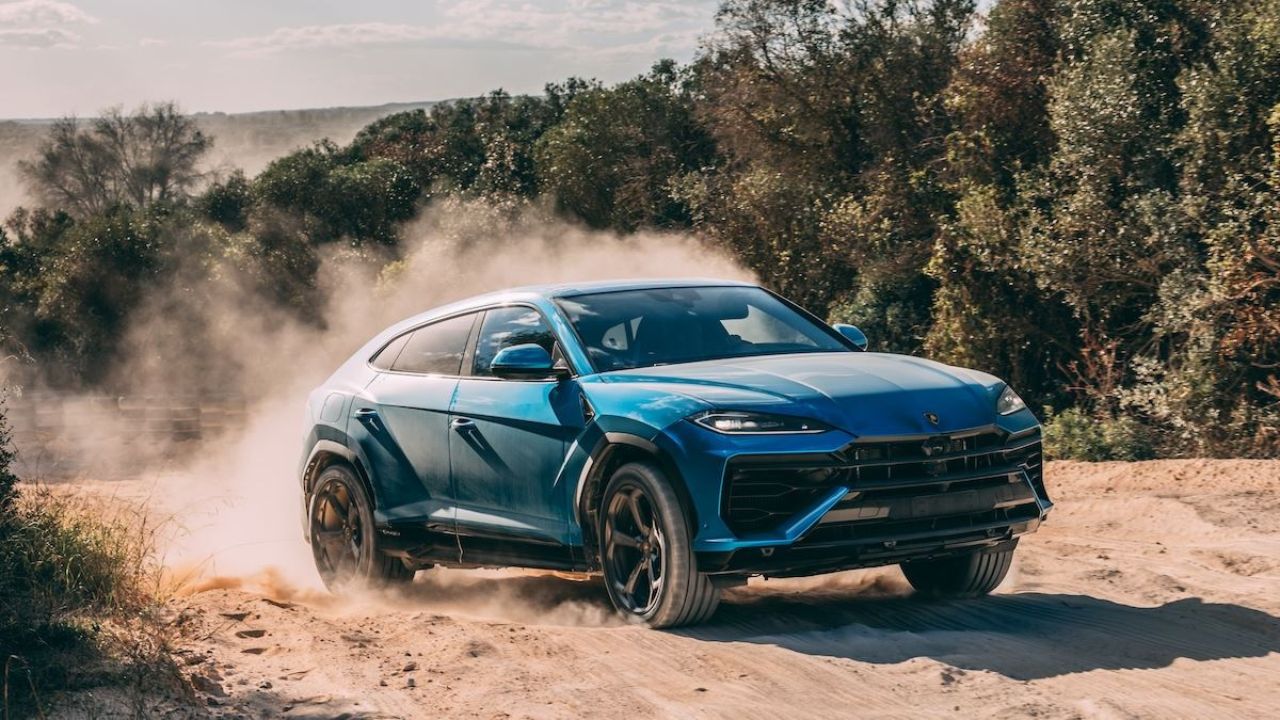
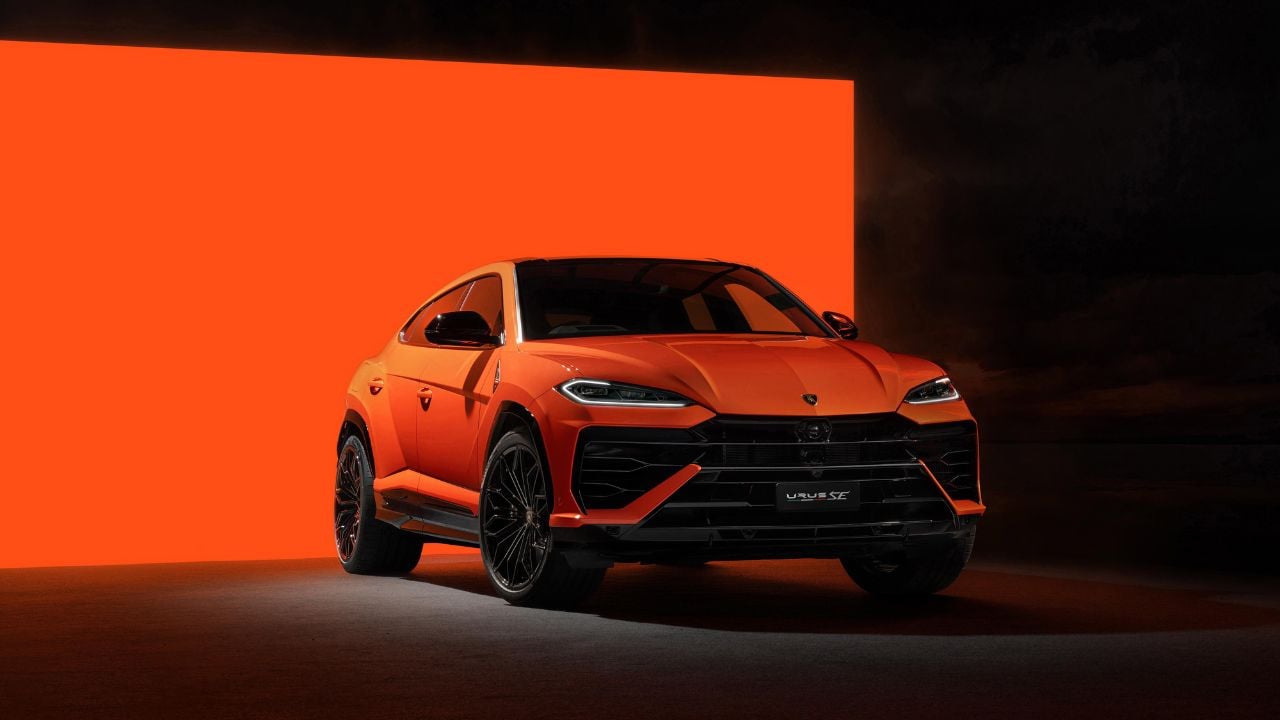
The Urus has always felt like the SUV built by people who refused to act embarrassed about the whole idea. The new Urus SE pushes that attitude into the hybrid era without softening it much at all. Lamborghini says the plug in hybrid powertrain produces 800 CV, which is about 789 hp, and can launch the SE from 0 to 62 mph in 3.4 seconds. That is already outrageous, but the more telling part comes from how the vehicle is described.
Lamborghini frames it as the most powerful Urus yet and talks openly about enhanced dynamics and a new benchmark for the category. MotorTrend, for its part, says the Urus SE feels almost as quick as the harder edged Performante while also being the most diverse and daily drivable Lamborghini yet. That combination is exactly what makes it so interesting for a track day conversation.
Without fuss is a useful phrase here because the Urus SE has no identity crisis. It knows it is big, knows it is excessive, and still feels eager to be hustled properly. There is enough chassis sophistication underneath the drama that the performance does not collapse the moment the road gets technical.
The vehicle’s responses still feel shaped by the same company that builds mid engine supercars, which is not something many SUVs can claim with a straight face. Would a purist still choose a lower, lighter machine for the perfect lap? Of course. But that is not the question. The question is whether this SUV can show up to a track day and feel completely in its element. The answer is yes, very loudly.
Range Rover Sport SV
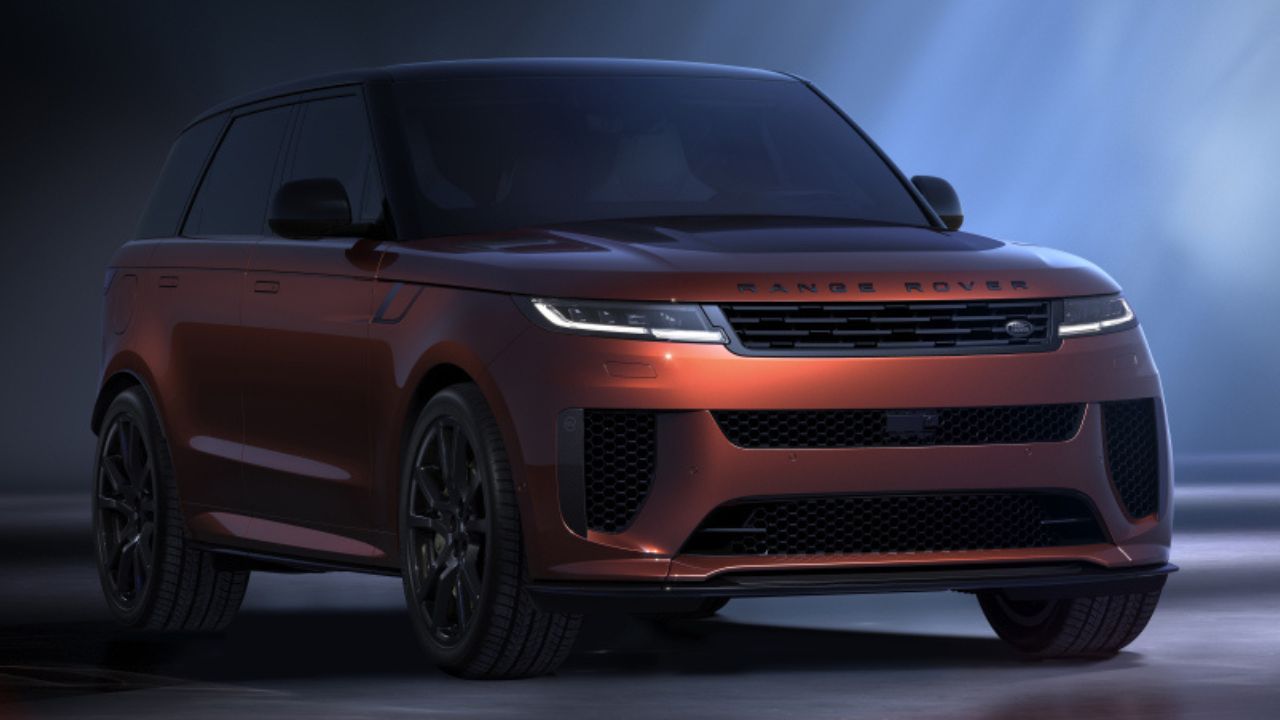
This is the wildcard, and it may also be the most entertaining answer in the group. The Range Rover Sport SV arrives with a 626 hp twin turbo 4.4 liter V8 mild hybrid, 553 lb ft of torque, and a claimed 0 to 60 mph time of 3.7 seconds. That would already make it fast enough to matter. The interesting part is what happens when you stop treating it like a straight line luxury missile and actually lean on it.
MotorTrend says the Sport SV delivers genuine thrills when pushed hard on a track, feels planted through corners, turns in eagerly, and can even get playful past the limit. It also points out that the rear steering is very active and makes the SUV feel far smaller than it really is. That is not praise people hand out casually to something wearing a Range Rover badge.
And that is exactly why the Sport SV deserves this spot. It brings surprise value without relying on novelty. The engineering is serious enough to make the fun credible. You still get the sense of occasion and luxury expected from a Range Rover, but underneath that polished surface is a vehicle with a much rowdier side than most buyers will ever fully explore.
There is something wonderfully mischievous about that. Bring one to a track day and people will probably smirk at first. Then the laps start, the rear steer helps it shrink around corners, and the whole joke goes missing. Few SUVs hide a wild streak this effectively, and fewer still can access it with this much confidence.
The Funny Thing About Fast SUVs
The best SUVs on this list all do something that sounds almost contradictory. They make track driving feel less dramatic than it should. That is the real measure of success here. Anyone can bolt huge power into a tall vehicle and create a good headline.
Turning that same machine into something repeatable, confidence building, and genuinely satisfying on a circuit takes much more than horsepower. It takes a real chassis. It takes brakes that do not flinch. It takes suspension tuning that understands weight rather than simply trying to overpower it. Most of all, it takes a manufacturer willing to engineer a fast SUV as a complete performance object rather than a loud publicity exercise.
So yes, the idea still feels faintly ridiculous, and that is part of the appeal. A proper track SUV should always carry a little bit of disbelief with it. But disbelief is not the same thing as doubt. The five models here have moved beyond that stage. They do not need excuses, and they do not need the driver to baby them through the hard parts. They simply get on with the job, which might be the most impressive thing any performance SUV can do.
The next time somebody says an SUV has no business at a track day, the smarter response may not be an argument. It may be an invitation.