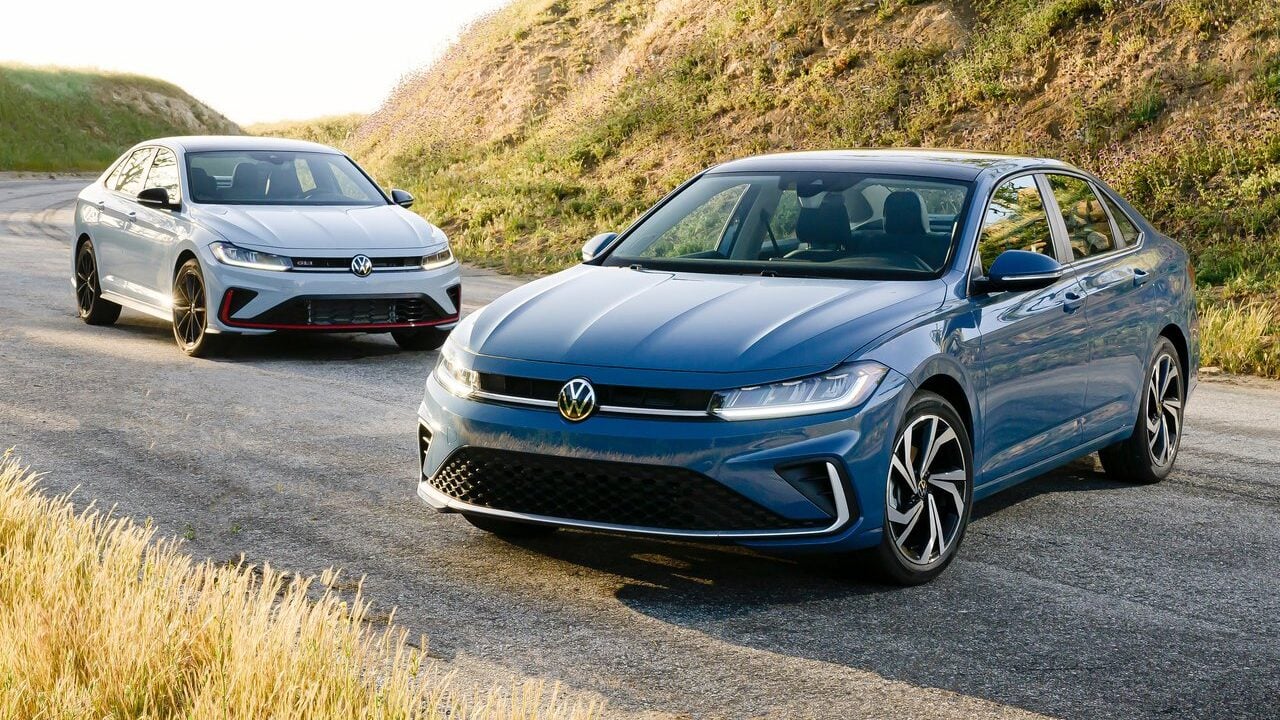

A significant safety concern has prompted Volkswagen to issue a recall affecting more than 61,000 units of the Volkswagen Jetta, after a defect linked to a potential engine bay fire risk came to light.
The recall covers 2025 and 2026 model year vehicles sold across North America, with the majority located in the United States and a smaller portion in Canada.
According to multiple reports including MotorBiscuit, the issue stems from a seemingly minor assembly fault involving a transmission ground wire that may not have been properly secured during production. The defect appears trivial but bellies potentially severe consequences.
A Small Wire, a Big Risk
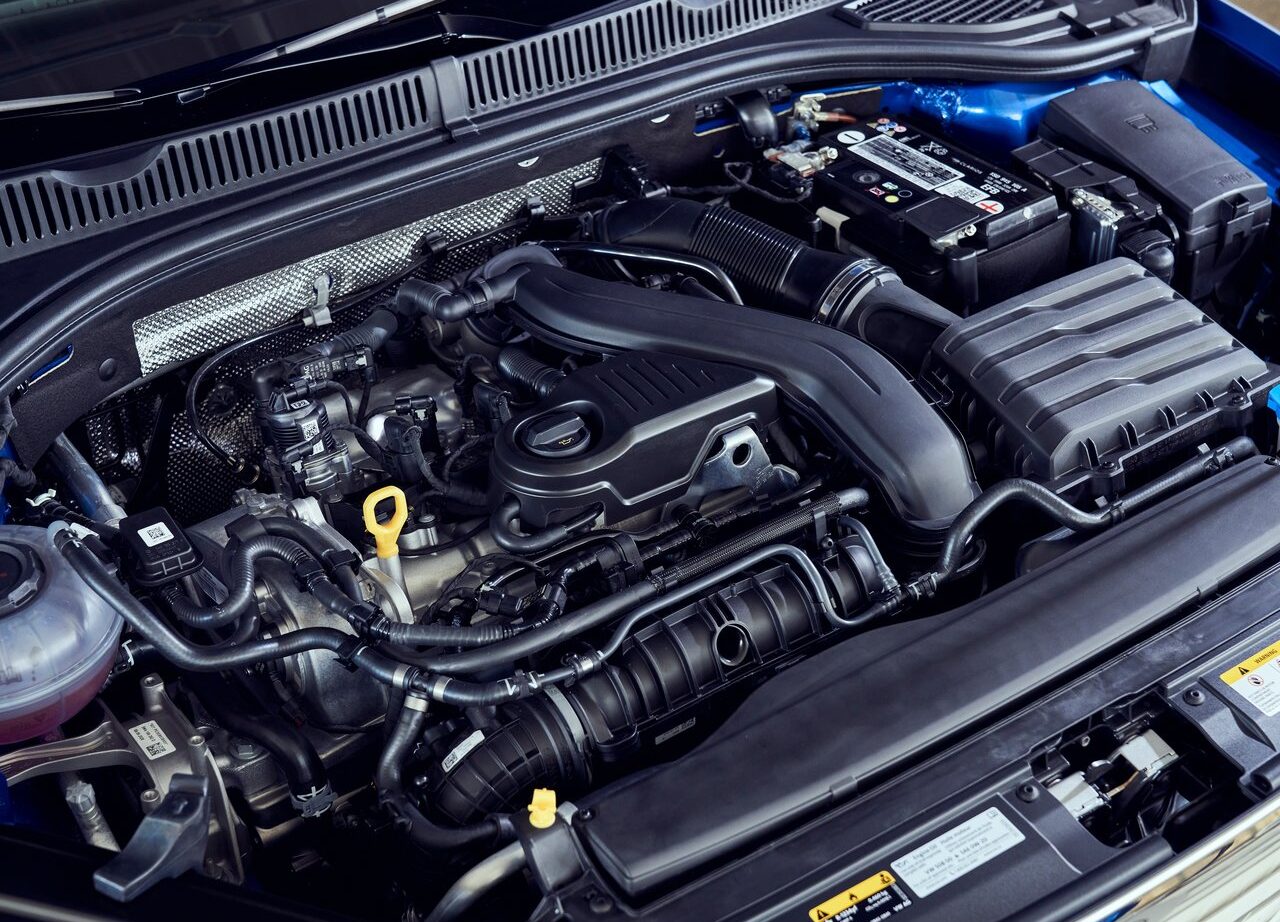
At the heart of the problem is an improperly connected or missing ground wire for the transmission system. Without a proper electrical ground, current may flow unpredictably through the system. This can lead to overheating of nearby components, including wiring and control modules.
In worst case scenarios, the excessive heat buildup can ignite surrounding materials, resulting in a fire in the engine compartment.
Volkswagen became aware of the issue after several field reports raised concerns. Investigations uncovered at least six incidents tied to the defect. Three of those involved melted wiring components, while the remaining three escalated into engine compartment fires.
Fortunately, no injuries, fatalities, or crashes have been associated with these cases so far. Still, the nature of the risk has pushed the automaker to act swiftly.
Despite the relatively low number of incidents compared to the total number of affected vehicles, Volkswagen estimates that fewer than one percent of the recalled cars actually have the defect. Even so, the company has opted for a broad recall out of caution, reflecting the seriousness of any fire-related hazard.
What Volkswagen Is Doing About It
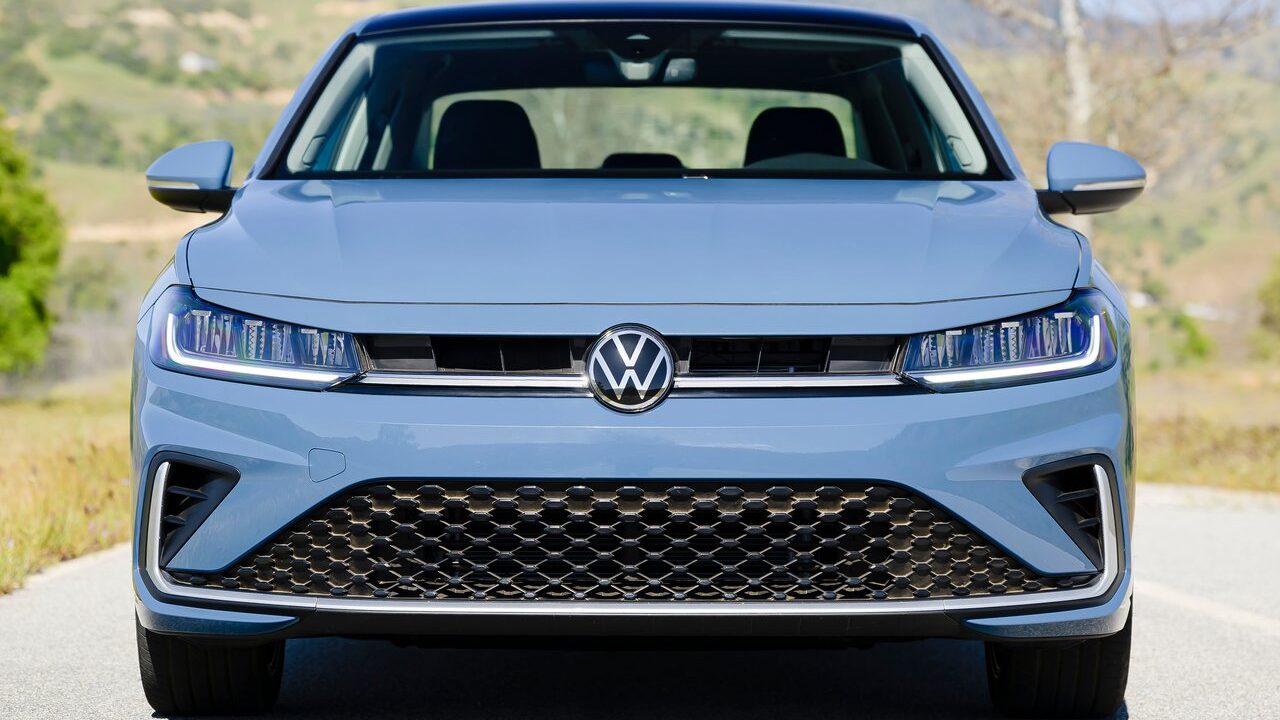
To address the issue, Volkswagen dealers will conduct inspections of the affected vehicles at no cost to owners. Technicians will check the integrity of the transmission ground connection and ensure it is properly installed.
If a fault is detected, the ground connection will be repaired or secured. In cases where overheating has already caused damage, additional components such as the auxiliary hydraulic pump control module may also be replaced.
The automaker has also implemented a stop-sale order on all affected vehicles currently in dealer inventory. This means dealerships are prohibited from selling or delivering the impacted Jetta models until they have undergone inspection and, if necessary, repair.
The move is intended to prevent the issue from affecting new customers and to maintain compliance with safety regulations.
Owner notifications are expected to begin in May 2026. In the meantime, Volkswagen is advising affected drivers to remain alert for warning signs such as unusual electrical behavior, burning smells, or smoke from the engine bay.
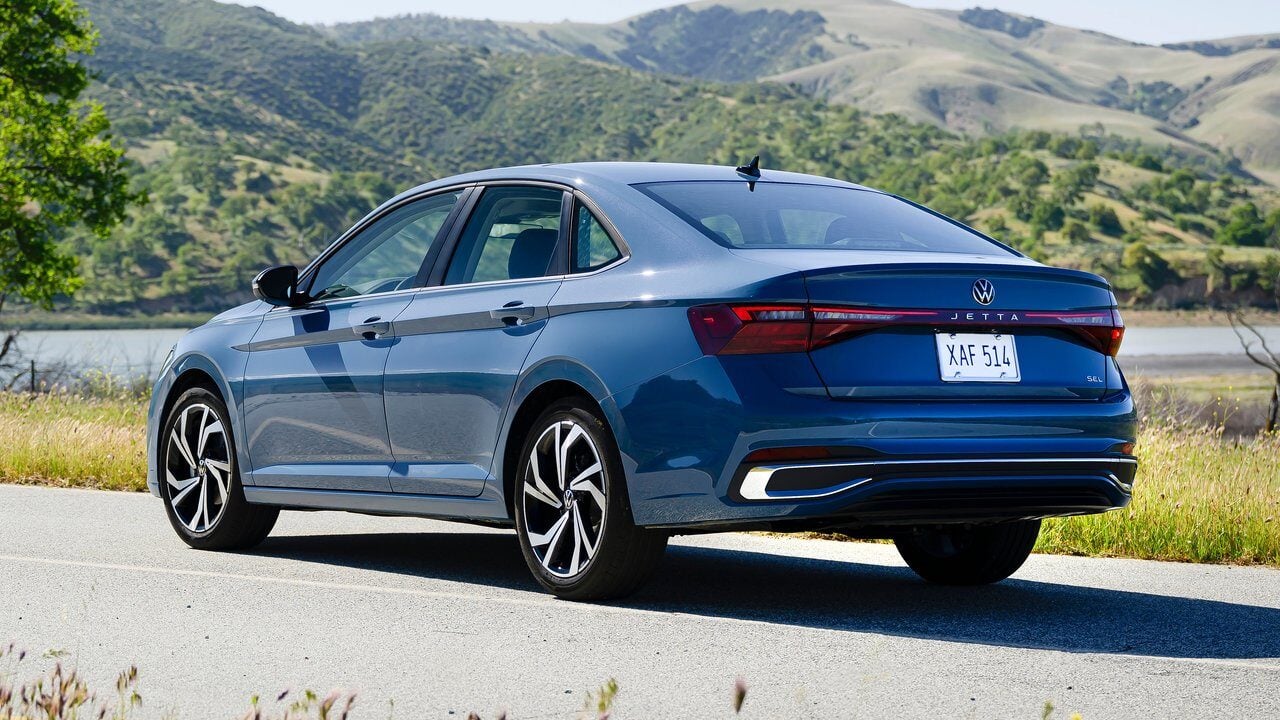
Some safety guidance also suggests parking vehicles outdoors and away from structures until repairs have been completed, as an added precaution.
The Recall Industry
This recall adds to a series of quality-related challenges that have surfaced across the automotive industry in recent years, as manufacturers contend with increasingly complex electrical systems and tighter production timelines.
For Volkswagen, the situation underscores the importance of rigorous quality control, especially for critical components that may appear minor but play an essential role in vehicle safety.
The Volkswagen Jetta has long been one of the brand’s core models, known for its affordability and broad appeal. While the recall is unlikely to cause lasting damage to the model’s reputation on its own, it does highlight how even small lapses in assembly can lead to outsized consequences.
For affected owners, the path forward is to schedule an inspection, complete any necessary repairs, and remain attentive until the issue is resolved.