

Swedish automaker Volvo Cars is preparing to pull one of its most talked about electric vehicles from the United States market.
According to a report by Reuters, the company plans to discontinue sales of the Volvo EX30 in the U.S. later this year, marking a surprising turn for a model once positioned as the brand’s most affordable entry into the electric era.
The decision, first reported by Business Insider and confirmed by Reuters, means the compact electric crossover will effectively exit the American market after the 2026 model year. Production for U.S.-bound units is expected to stop by the summer of 2026, although vehicles already built will likely remain on dealer lots until inventories are cleared.
Tariffs, Slowing Demand, and Thin Margins Complicate Prospects
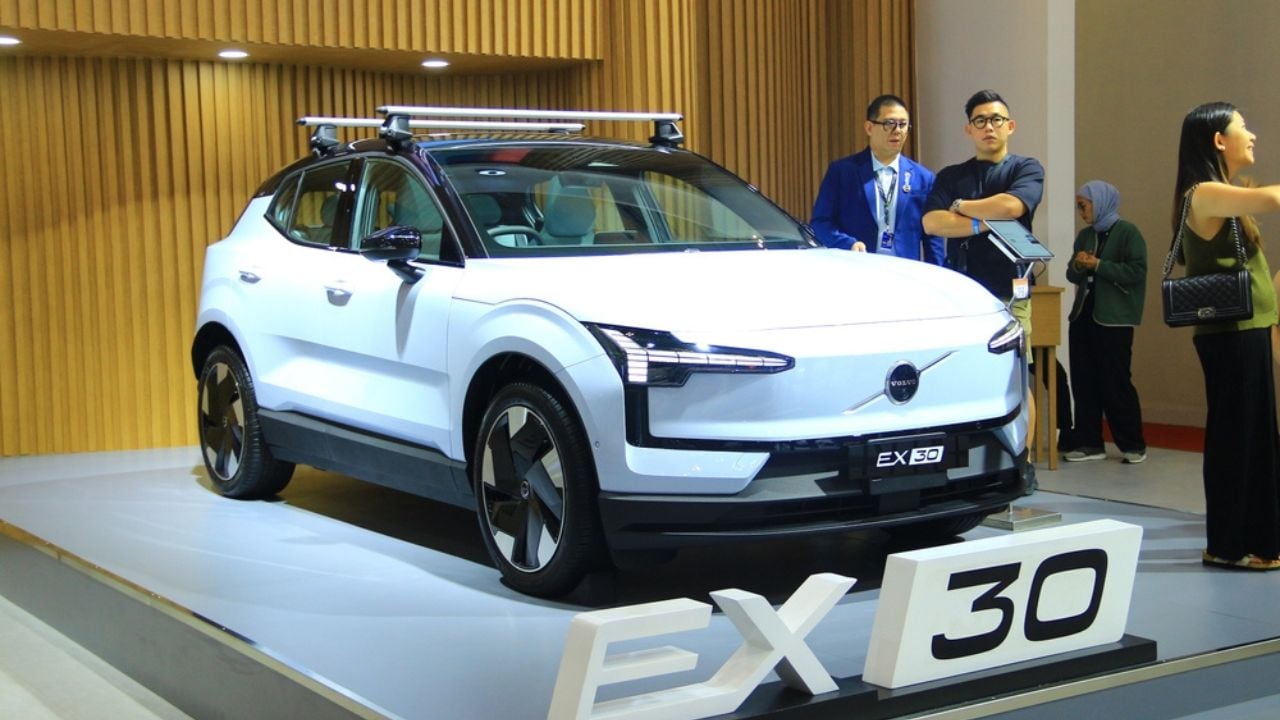
The EX30 generated significant excitement when it was first revealed in 2023. At the time, Volvo pitched the model as a compact premium electric SUV that could bring new buyers into the brand.
With a starting price initially expected to come in below $35,000, the EX30 was meant to become the most accessible EV in Volvo’s lineup while still delivering the company’s signature design, safety features, and Scandinavian minimalism.
Despite the early buzz, several market realities appear to have complicated the EX30’s prospects in the United States.
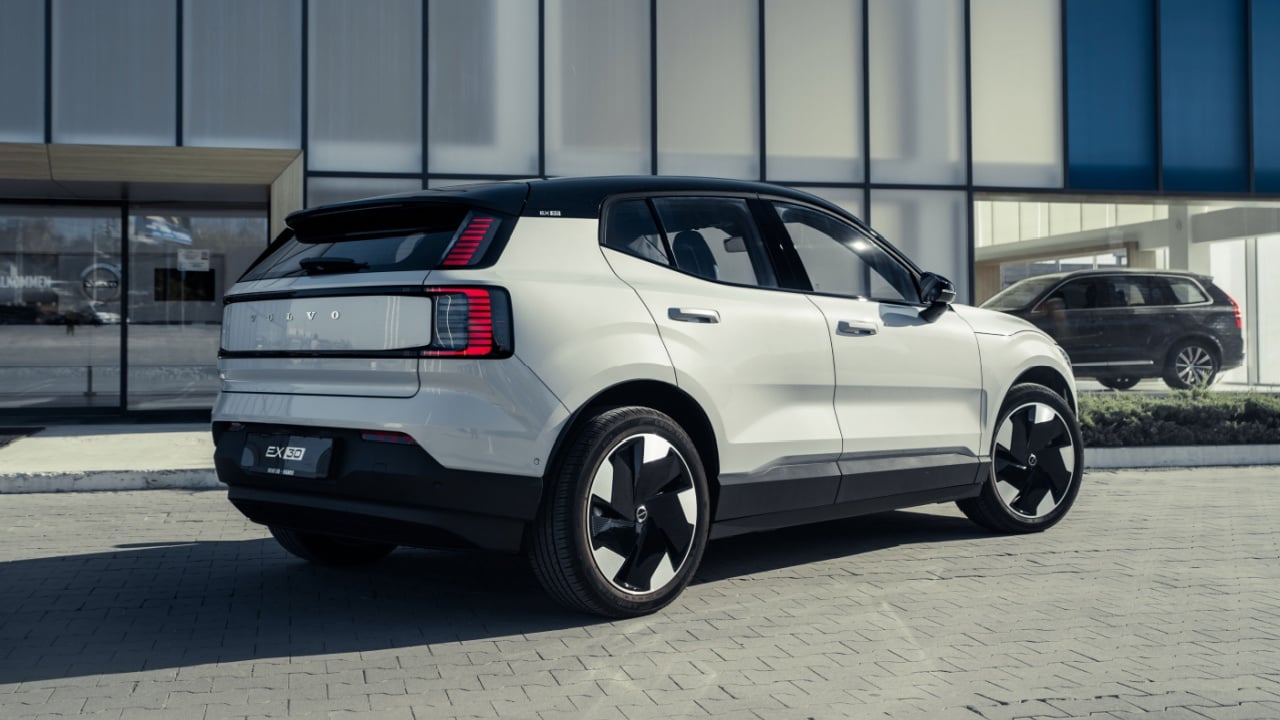
One major factor is the growing impact of tariffs on imported vehicles. The EX30 is built in China, and vehicles manufactured there have faced increasing trade pressure and regulatory hurdles in the American market. Those added costs can significantly affect pricing and profitability, particularly for an entry level model where margins are already thin.
The broader electric vehicle landscape in the United States has also become more problematic. While EV adoption continues to grow overall, the pace has slowed compared with the rapid expansion seen earlier in the decade.
Automakers have been adjusting strategies as consumer demand, charging infrastructure challenges, and shifting government incentives reshape the market.
Sales Were Decent, But Not Enough to Overcome Headwinds
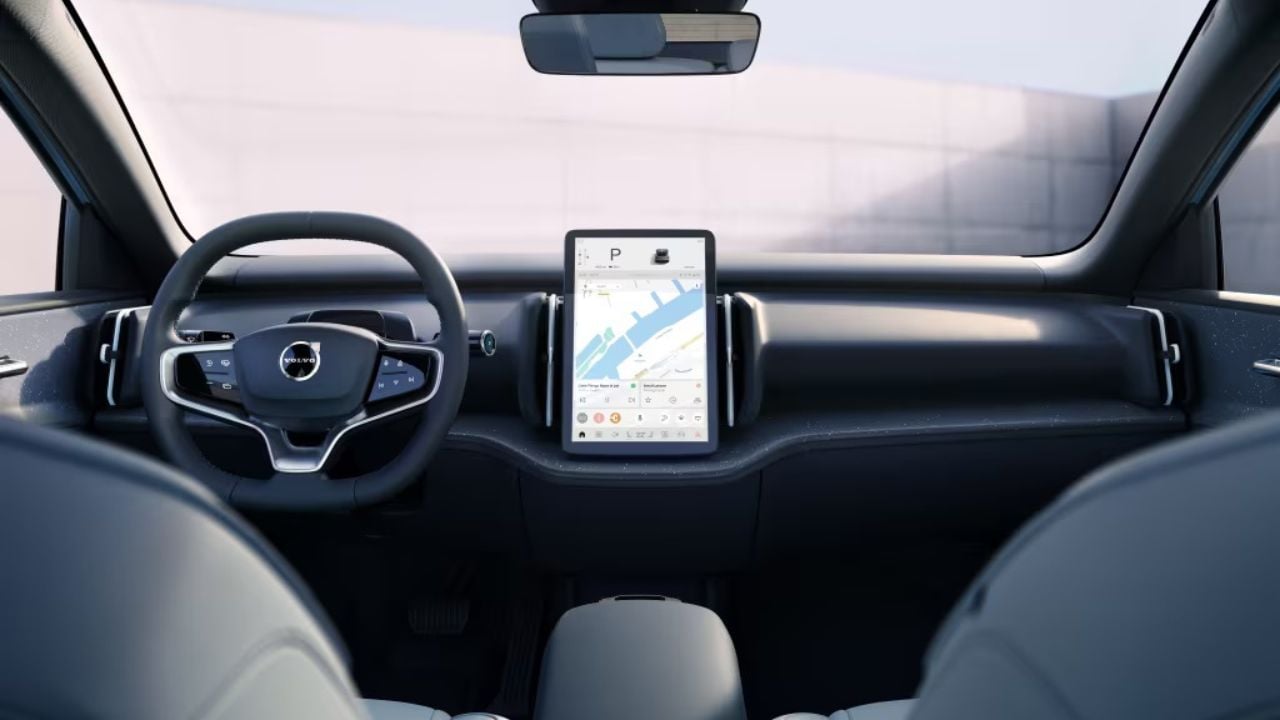
According to Reuters, Volvo’s sales performance in recent months reflects those pressures. The company reportedly experienced a decline of roughly 10 percent in sales over a three-month period.
Even so, the EX30 was not a complete nonstarter in the American market. Data cited in the report shows that Volvo sold around 5,400 units of the vehicle in the United States during 2025. That represented about 4.4 percent of the company’s total U.S. sales for the year.
While respectable for a newcomer, the numbers were not strong enough to offset the structural challenges surrounding the model.
Dealers have reportedly been given a short window to place final orders for the EX30 before the production pipeline closes. According to industry reports cited by Reuters and Business Insider, American retailers have until March 20, 2026 to submit their last requests for the electric crossover.
Volvo’s EV Ambitions Continue With Other Models
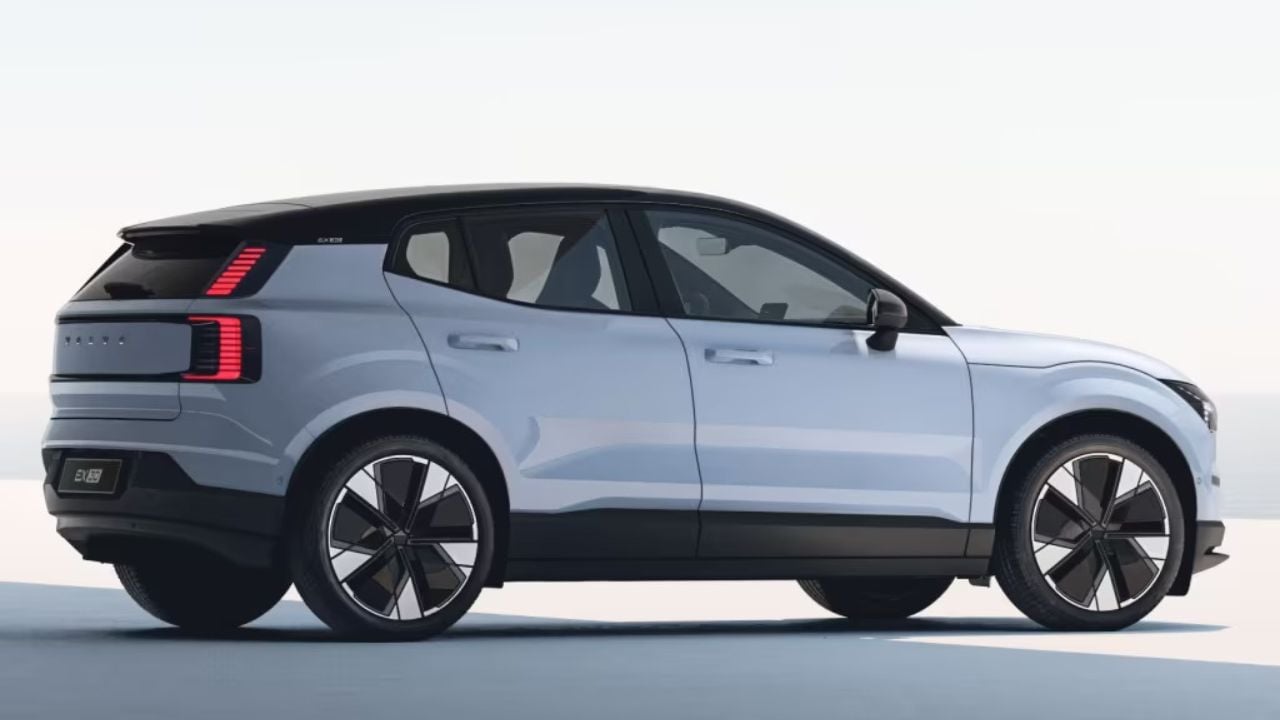
Importantly, the EX30’s departure does not signal a retreat from electrification for Volvo. The automaker continues to push forward with several battery electric models in the United States and globally.
Models like the Volvo EX40 and the flagship Volvo EX90 remain key pillars of the brand’s EV strategy, while the upcoming Volvo EX60 is expected to expand the lineup further in the coming years.
Outside the United States, the EX30 will continue to play an important role for the company. The compact electric SUV remains available in markets such as Canada and Mexico, where different trade policies and consumer dynamics make the model more viable.
For Volvo, the story of the EX30 in America illustrates how quickly the global EV market can shift. A vehicle designed to broaden access to electric mobility now finds itself squeezed by tariffs, evolving demand, and changing economic realities.
Sources: Reuters, Business Insider.