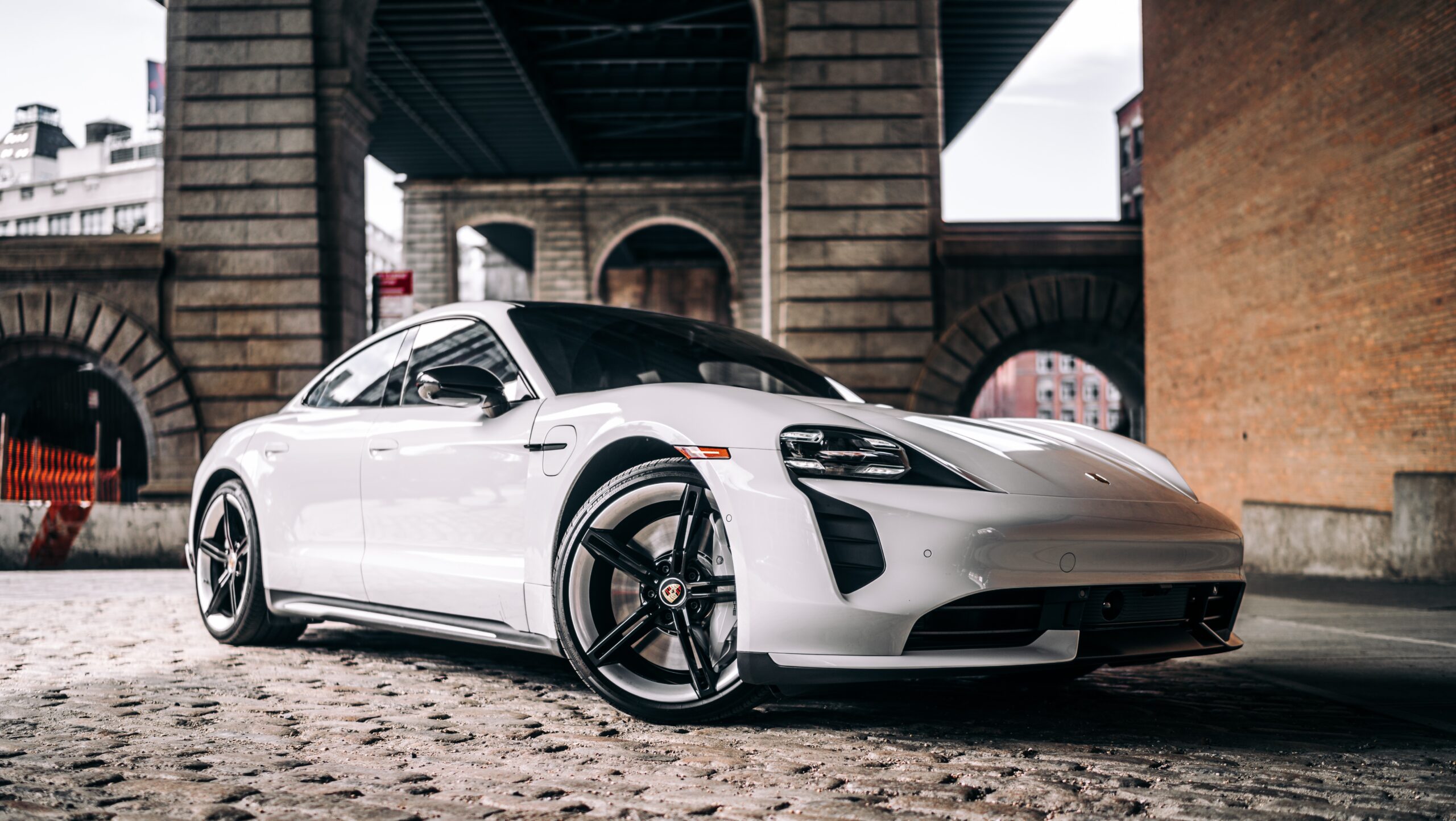
For years, buying a used EV felt a little like volunteering to be someone else’s science experiment. The battery might be tired, the charging situation might be annoying, and the resale value might keep falling faster than your confidence.
That was the old fear, anyway. Now the market is doing something funny: it is turning yesterday’s electric cars into some of the most interesting bargains on four wheels. That does not mean every secondhand EV is suddenly a genius purchase.
Some are still overpriced, some have a range that will test your patience, and some come with enough software quirks to make you miss a basic gas-powered sedan.
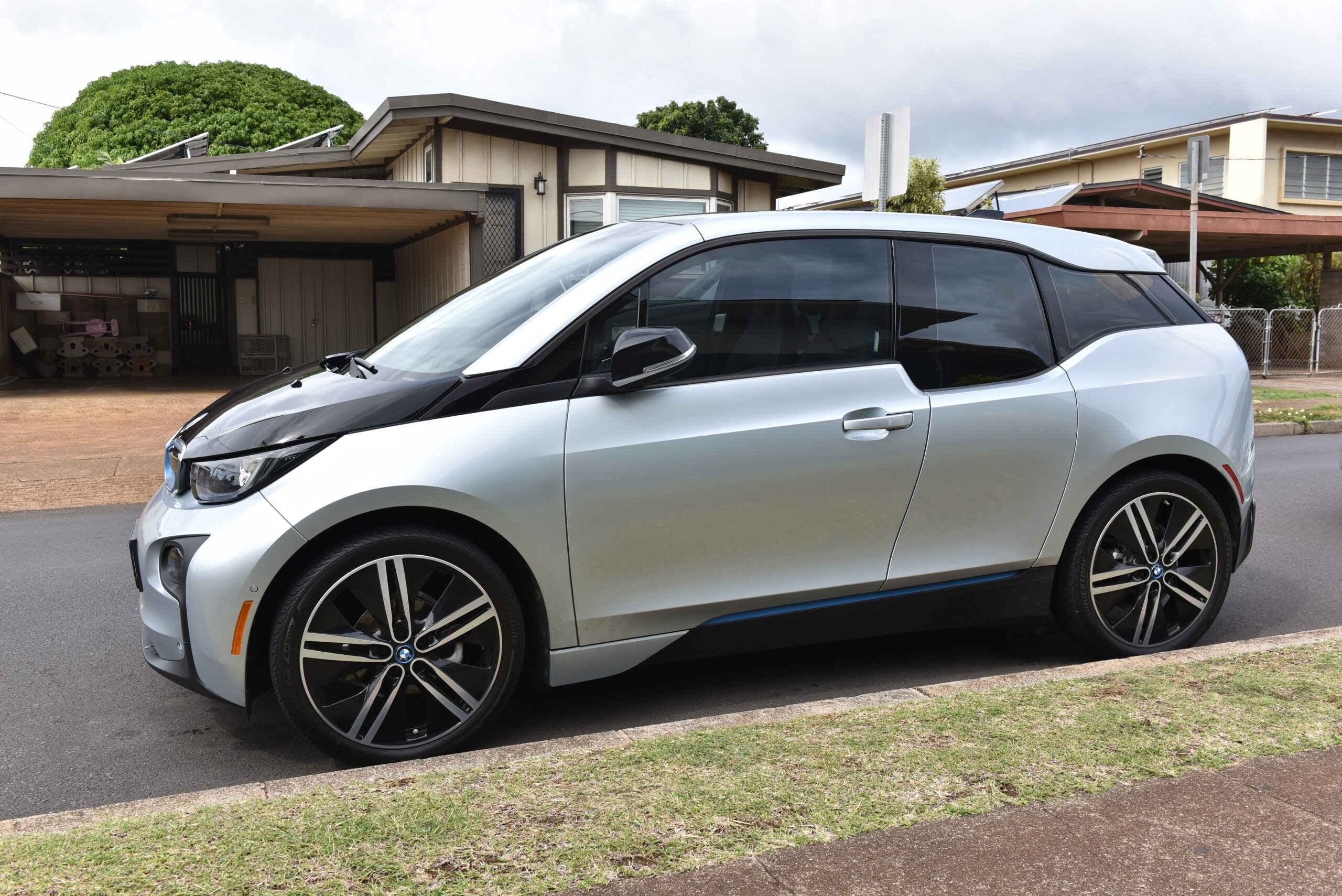
However, the big picture has changed a lot. Prices have come down, supply has improved, and much of the panic around battery life no longer carries the same weight it used to. That shift is exactly why used EVs are starting to look less like a compromise and more like a cheat code.
The same depreciation that scared off first owners is now exactly what makes these cars interesting for second owners.
If you are a buyer who wants something modern, quiet, cheap to run, and not outrageously expensive to buy, the used EV aisle suddenly looks a lot more tempting than the new-car showroom. In a market full of bloated MSRPs and painful monthly payments, that is not a small shift.
The Discount Is Finally Real
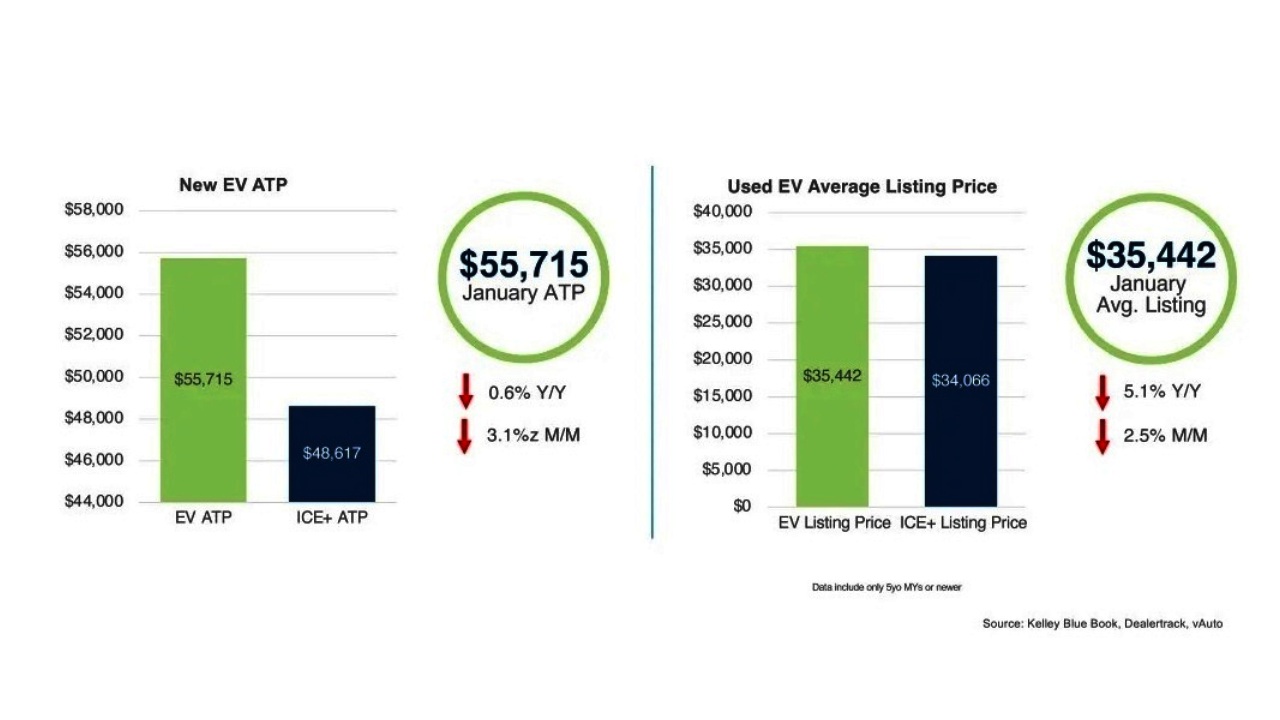
This is the part that changes the whole conversation. Used EVs are no longer sitting in some weird pricing no-man’s-land where sellers still act like they are rare luxury tech objects. Cox Automotive said the average used EV listing price in January was $35,442, down 5.1% year over year, and the premium over comparable gas vehicles narrowed to just $1,376 from $2,591 in December.
That is a huge move in a very short time, and it means the price excuse is getting harder to use.
That price slide is not just about demand. A wave of supply has hit the market all at once. Off-lease vehicles are returning, rental fleets are unloading inventory, and repeated new-car price cuts have pulled used values down with them.
Harsh for first owners? Absolutely. Great for second owners? Also yes. Used EV shoppers are benefiting from the kind of depreciation typically seen in luxury cars.
The Scary Stuff Is Not Quite as Scary Anymore
A lot of people still hear “used EV” and immediately picture a dying battery and a giant repair bill. That fear has not disappeared, but it has lost some of its punch. CarMax says battery age and use still matter, of course, but the company’s EV guidance stresses that battery longevity depends on known factors like charging cycles and heat exposure rather than some mysterious countdown clock.
Analysts quoted in recent market reporting have also argued that modern EV battery packs should generally last the life of the vehicle, even if some degradation is normal over time. Full battery failures do happen, though they are far less common than the internet would have you believe. For most buyers, the real risk is not sudden failure. It is buying a car with less usable range than your daily life actually requires.
The Battery Warranty Changes the Math
There is a very practical reality that often gets missed in online debates. Nearly every modern EV sold in the U.S. comes with at least an eight-year, 100,000-mile battery warranty, a standard driven by federal regulations, and that coverage typically transfers to the next owner.
That matters more than people think.
A three- or four-year-old EV has usually already taken its biggest depreciation hit, yet it can still have years of battery warranty coverage remaining. In other words, the first owner absorbed the steepest value loss, while the second owner is often buying in with both a lower price and a meaningful safety net still in place.
According to Consumer Reports, that warranty typically covers major degradation, such as capacity dropping below roughly 70 percent, as well as outright battery failure. That does not eliminate risk, but it does shift it in a way that makes certain used EVs far more practical than the internet tends to suggest.
This is where the sweet spot lives. Not brand new, and not a decade old. A few years in, after depreciation has done its work, while the battery still has both usable life and warranty backing.
Ownership Is Easier Than It Used To Be
Charging is another area where the old talking points are starting to sound stale. Public charging is still uneven, and road-tripping in the wrong car in the wrong state can still be irritating.
Ownership is easier than it used to be, and for plenty of buyers, the day-to-day reality is simple: charge at home, top up when needed, and skip oil changes, exhaust work, and a bunch of the small annoyances gas cars quietly keep billing you for.
EVs come with their own tradeoffs. Tires can wear faster thanks to weight and instant torque, and they are not cheap. Brakes, while often lasting longer due to regeneration, are not free either. Maintenance is not zero. It is just different.
Tesla Accidentally Helped Create This Bargain Bin
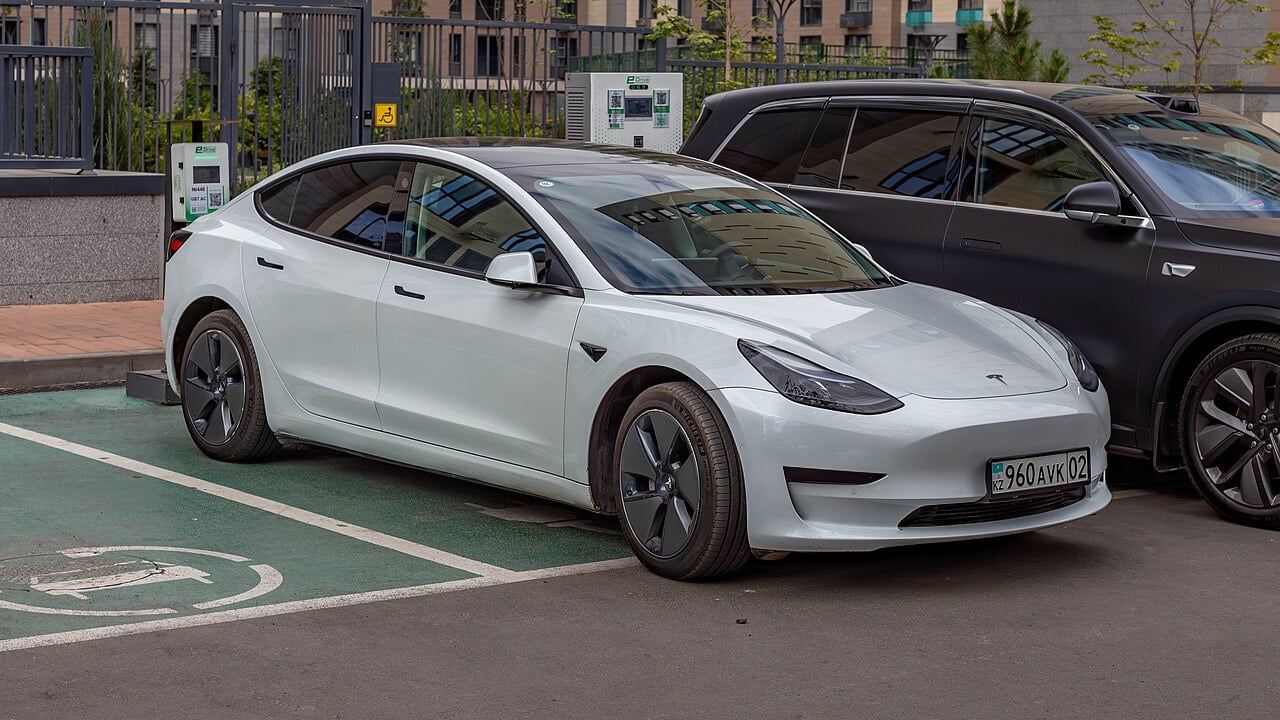
If there is one brand that defines the used EV market right now, it is Tesla. The Model 3 and Model Y are among the most widely available and most sought-after used EVs in the U.S., helped in no small part by repeated new-car price cuts and the big wave of Teslas dumped into the market by rental fleets.
That is not great news for resale values. It is excellent news for bargain hunters who have always wanted a decent EV and never wanted to pay new-Tesla money for one.
Buyers are showing up. Used EV sales in the U.S. reached 31,503 units in January, up about 21% from a year earlier, while 2025 used EV sales totaled 378,140 vehicles, roughly 35% higher than the year before.
That does not happen by accident. It happens when the math starts to make sense to normal people, not just early adopters.
The Catch Is Still the Same: Shop Like an Adult
None of this means you should buy the first cheap EV you see and congratulate yourself for joining the future. You still need to check battery health, charging speed, warranty coverage, tire wear, and whether the car’s real-world range actually fits your life.
A used EV with a weak battery or slow DC fast-charging can still be a bad deal at a “good” price. Car shopping has not become easier. It has just become more interesting.
Online debates about EVs tend to be loud and political. Ownership is much more boring. It comes down to a few simple questions. Does it fit your commute? Can you charge at home? Does the price actually make sense?
The bigger point still stands. For a long time, affordable EVs were mostly a slogan. Now they are showing up in used listings with real numbers attached.
Used EVs are not for everyone. If you have a place to charge, drive predictable distances, and want the most car for the least money, this is one of the few corners of the market where the math is actually starting to work in the buyer’s favor.