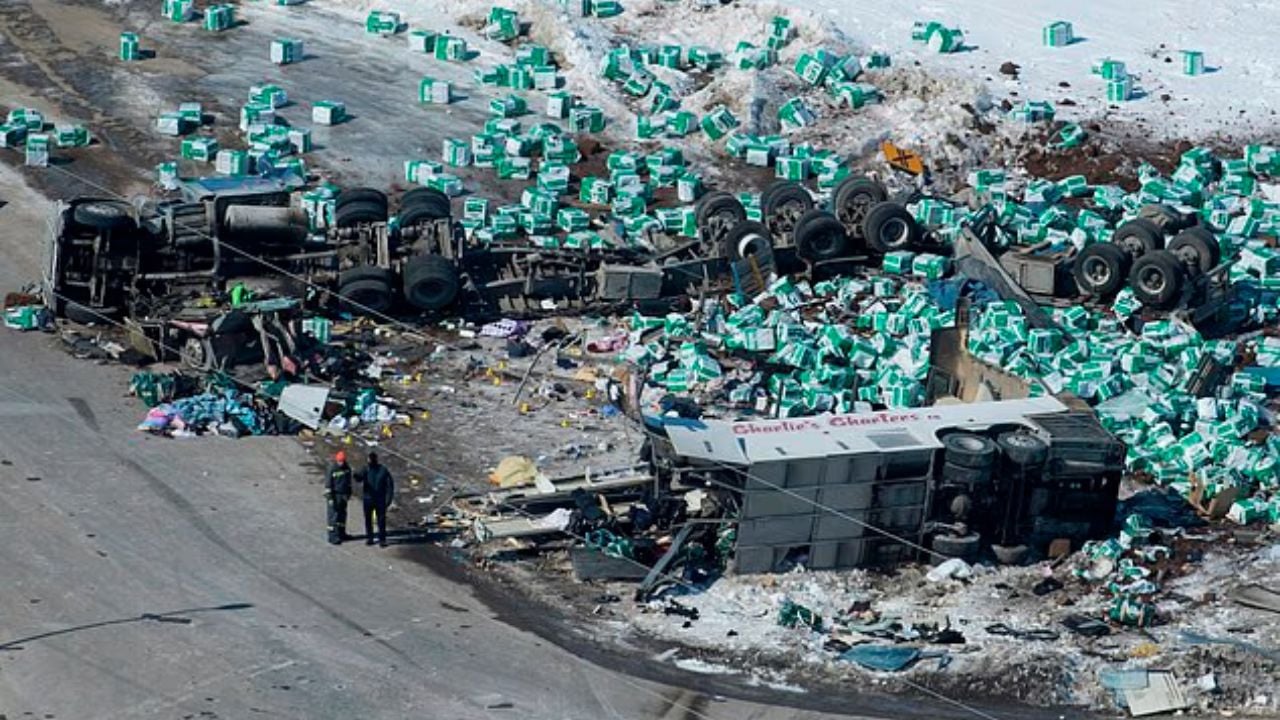

The deportation battle involving Jaskirat Singh Sidhu, the truck driver responsible for one of Canada’s deadliest road crashes in recent history, has resurfaced as a contentious legal and humanitarian debate.
Sidhu, whose 2018 crash killed 16 members of the Humboldt Broncos junior ice hockey team, is now seeking permission to remain in Canada on humanitarian and compassionate grounds as authorities move forward with deportation proceedings.
The Humboldt Broncos Tragedy
The tragedy occurred on April 6, 2018, at a rural highway intersection in Saskatchewan. Sidhu was driving a semi-truck loaded with peat moss when he failed to stop at a marked intersection and collided with a bus carrying the Humboldt Broncos team.

The bus was transporting players and staff to a playoff game. The collision left 16 people dead, and 13 others injured, shocking the nation and drawing global attention to safety in the trucking industry.
Investigators later determined that Sidhu entered the intersection at approximately 53 to 60 miles per hour. Court proceedings revealed that he failed to heed several warnings leading up to the crossing, including a large stop sign and flashing warning lights designed to alert approaching drivers.
In March 2019, Sidhu pleaded guilty to dangerous driving causing death and dangerous driving causing bodily harm.
A Canadian court sentenced him to eight years in prison, which at the time was the longest sentence in Canadian history for dangerous driving causing death that did not involve drugs, alcohol, or intentional conduct. After serving four years and four months, Sidhu was granted full parole and released from custody in 2023.
Humanitarian and Compassionate Arguments
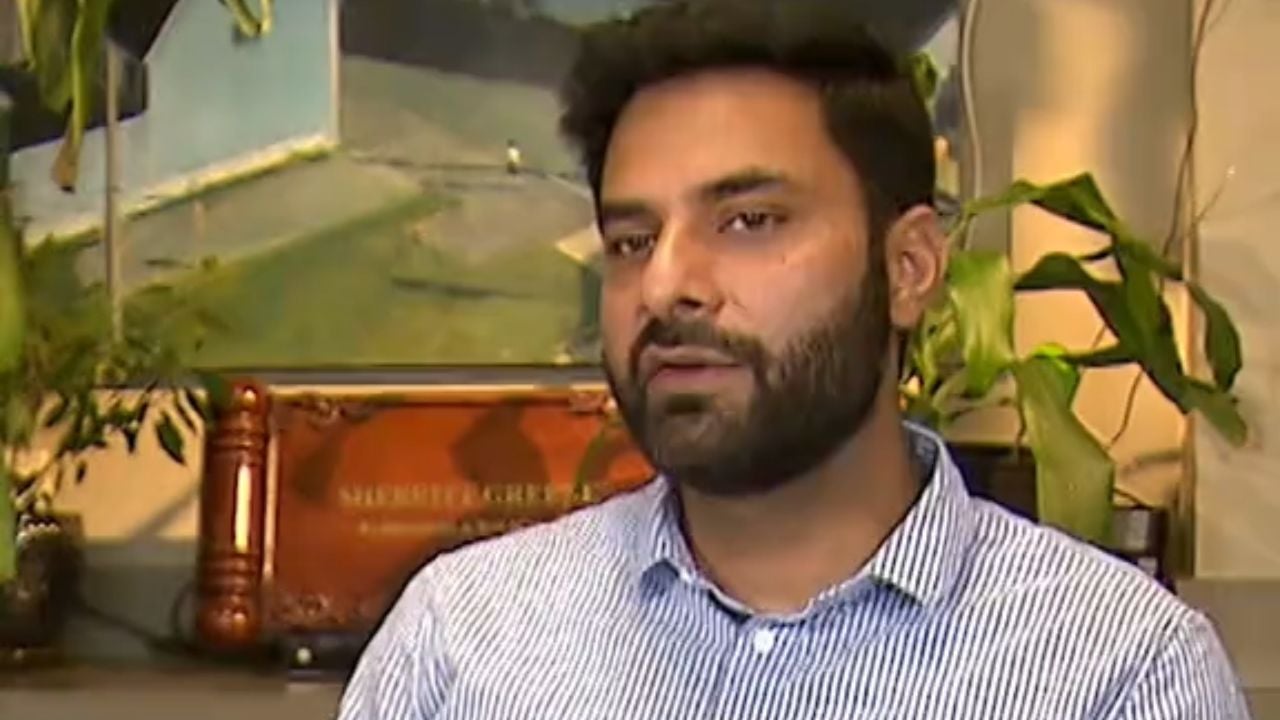
Following his release, Sidhu returned to civilian life with his wife, Tanvir Mann, a Canadian citizen. The couple now have two young children, including a son with significant heart and lung complications. These family circumstances are central to the legal argument now being presented by Sidhu’s attorney, Michael Greene.
Greene has filed an application requesting that Sidhu be allowed to remain in Canada under humanitarian and compassionate considerations. According to the legal filing, deportation would separate Sidhu from his children and potentially worsen ongoing mental health struggles linked to the crash.
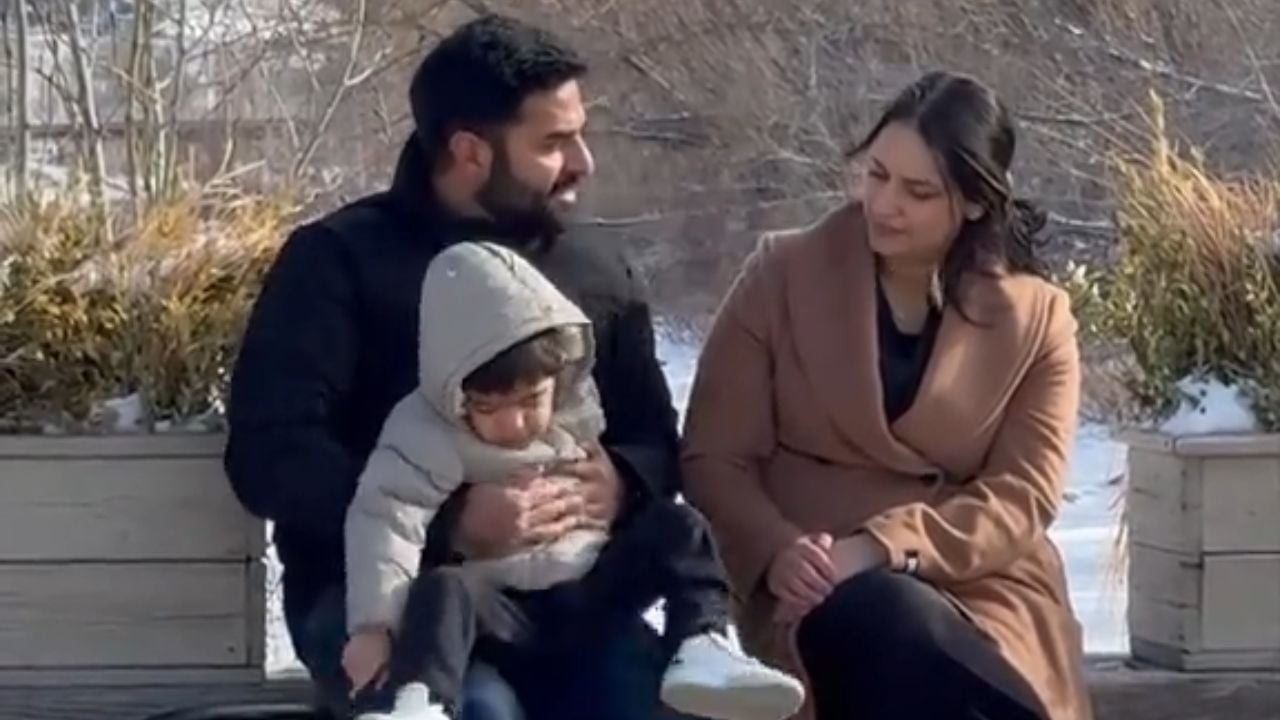
Sidhu has publicly stated that he continues to experience post-traumatic stress disorder and major depressive disorder as a result of the tragedy. In interviews with the Canadian Broadcasting Corporation, he said he frequently relives the crash in nightmares and remains haunted by the suffering he witnessed immediately after the collision.
The driver has consistently expressed remorse. During his sentencing hearing, Sidhu told victims’ families that the crash occurred because of his inexperience behind the wheel of a commercial truck.
Court records also revealed that he had accumulated roughly 70 regulatory violations in the 11 days before the crash, many involving inaccuracies in his driver logbook that tracks hours on the road.
Despite these violations, investigators found that Sidhu was not impaired by drugs or alcohol and was not using a phone at the time of the crash. He told the court he had been distracted by a loose tarp covering his cargo that was flapping in the wind.
Immigration Enforcement Response
Canadian immigration authorities have taken a firm stance. The Immigration and Refugee Board of Canada revoked Sidhu’s permanent resident status and ordered his removal from the country after his release from prison.
A recent pre-removal risk assessment determined that he would not face danger if deported to India, prompting the Canada Border Services Agency to begin preparing travel documents for his deportation.
Greene is asking immigration officials to defer the removal while the humanitarian application is reviewed, a process that could take up to two years. If the request is denied, Sidhu may challenge the decision in Canadian courts.
Divided Families
The case has divided the families of those who died in the crash. Some relatives have expressed support for allowing Sidhu to remain in Canada, arguing that further punishment will not restore what was lost. Others strongly oppose the effort, saying deportation is a necessary consequence of the devastating loss their families endured.
One such critic is Russ Herold, whose son Adam was the youngest player killed in the crash. Herold has argued that Sidhu should have been deported years ago and said the humanitarian argument fails to consider the grief experienced by families who lost their children.
@cbcnews Years after the tragic Humboldt Broncos bus crash that killed 16 people and injured 13 others, the truck driver responsible has completed his prison sentence and begun rebuilding his life. Now facing deportation after one of his final appeals was denied, his family fears permanent separation. The victims’ families are divided, with some in favour of deportation and others ready to forgive. #Humboldt #Canada #Hockey #CBCNews #Family ♬ original sound – CBC News
The debate surrounding Sidhu’s future has become a broader reflection on accountability, forgiveness, and immigration policy in Canada.
Sources: Daily Mail