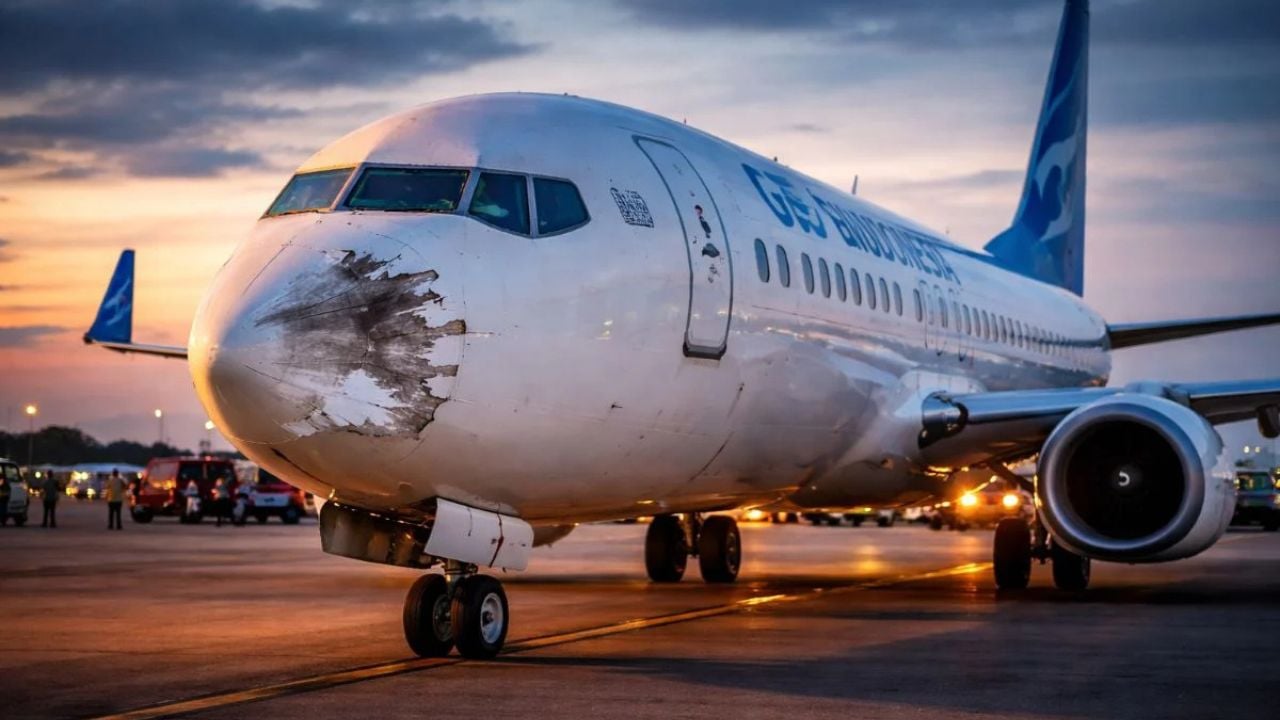

Nearly a week after a Garuda Indonesia jet landed with a badly damaged nose cone, aviation officials still cannot say exactly what happened during the flight. The unusual incident has raised questions about how such extensive damage could occur without the pilots, crew, or passengers noticing anything wrong in the air.
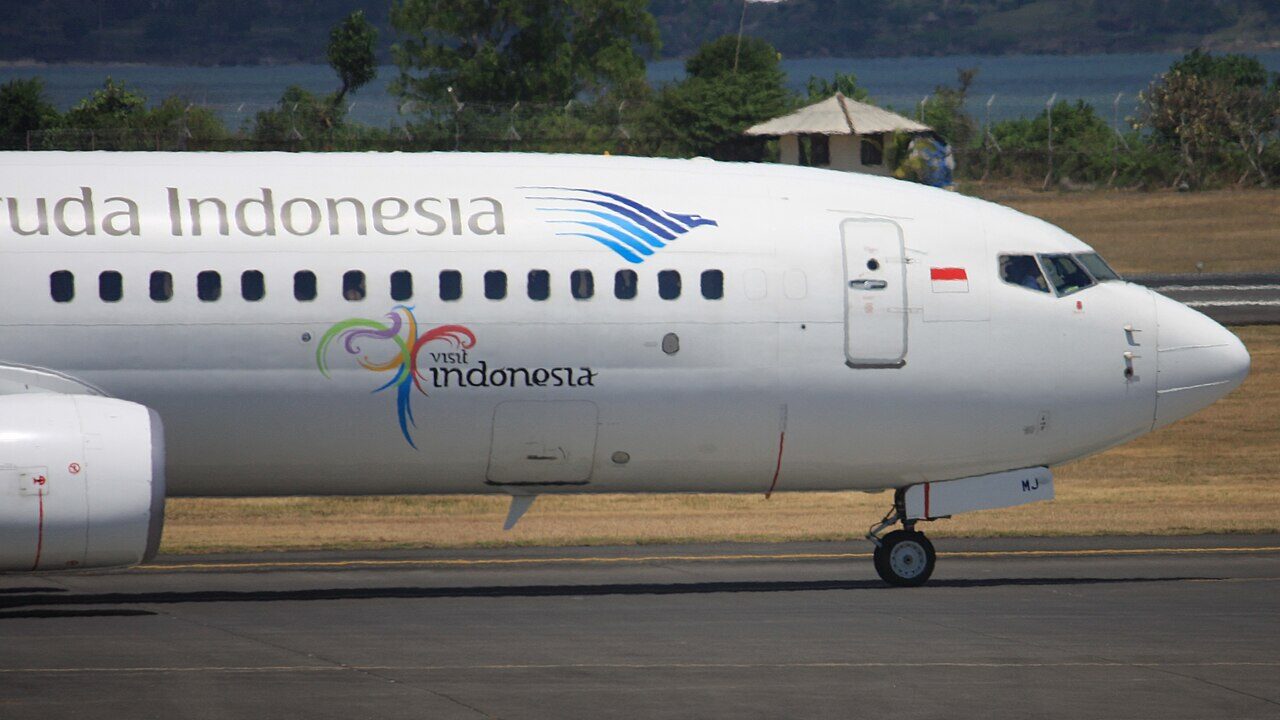
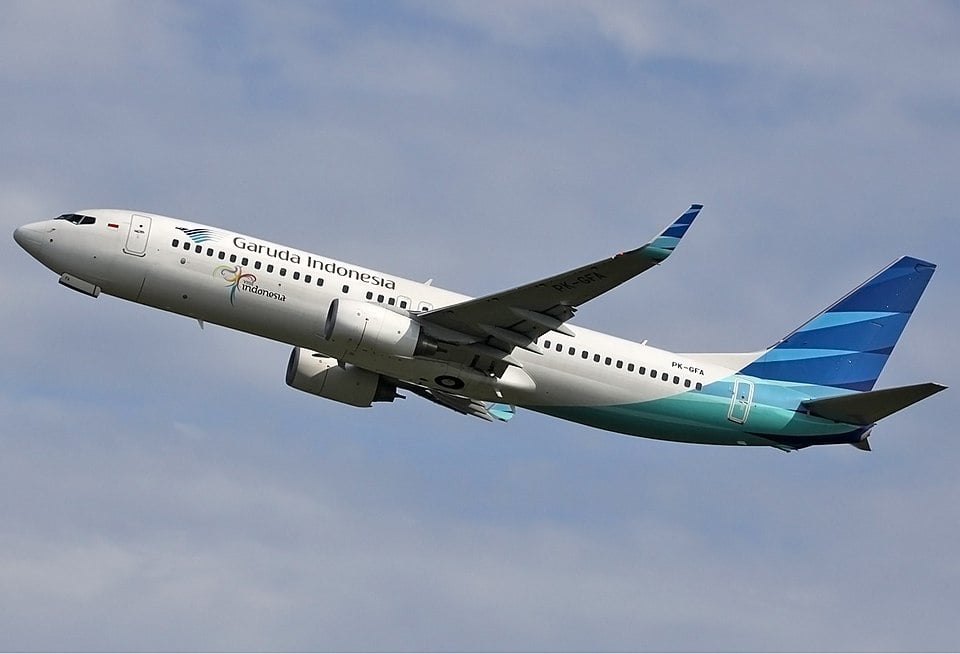
The aircraft involved was a Boeing 737-800 operated by Garuda Indonesia. It was flying a routine domestic service from Soekarno–Hatta International Airport in Jakarta to Sultan Syarif Kasim II International Airport in Pekanbaru on March 7.
A Startling Discovery
The roughly 80-minute flight proceeded normally and landed safely with more than one hundred passengers on board. It was only after the aircraft reached the gate that ground personnel and crew noticed something startling.
The jet’s radome, the rounded composite nose section that protects the aircraft’s weather radar, showed severe structural damage. Photographs taken after landing revealed deep dents and cracking across the front of the nose.
Despite the dramatic appearance of the damage, the flight itself did not report any technical alerts or emergency during the trip. Pilots would not have been able to see the nose section from the cockpit, which helps explain why the issue was not detected earlier.
The aircraft, registered PK-GFF, was immediately removed from service for inspection. The return flight scheduled to depart Pekanbaru was cancelled while maintenance teams began assessing the damage.
Five to six days later, investigators still have no confirmed explanation for what caused the impact.
Investigating Possible Causes
One theory being considered is a bird strike. Collisions between aircraft and birds are among the most common hazards in aviation, particularly during takeoff and climb when aircraft pass through lower altitudes where birds are more active.
In many cases, bird strikes leave visible dents or punctures in radomes. However, the extensive nature of the damage makes this explanation less likely.
Another possibility is an impact with airborne debris. While rare, aircraft occasionally encounter unexpected objects such as drones, weather balloons, or fragments carried by strong winds. Even relatively small objects can cause significant damage when struck at cruising speeds.
Investigators have also not ruled out a structural failure within the radome itself. Radomes are typically built from lightweight composite materials that allow radar signals to pass through while maintaining aerodynamic shape.
If a weakness develops in the structure, pressure forces or turbulence could potentially cause cracking or deformation.
For now, maintenance engineers are expected to conduct a detailed inspection using non-destructive testing methods. Techniques such as ultrasound scanning and internal structural analysis can help determine whether the damage was caused by an external impact or a material failure.
Expert Perspective on the Damage
While the incident has drawn attention online due to the striking images of the damaged nose, aviation experts emphasize that the radome is not a structural component of the aircraft’s pressurized fuselage. Even when damaged, it generally does not pose an immediate threat to the integrity of the aircraft itself.
Still, the mystery surrounding the flight has prompted comparisons with past incidents where aircraft landed with unexpected damage.
Similar Incidents in Recent History
In 2018, a jet operated by China Eastern Airlines completed a flight with a shattered nose cone believed to have been caused by a bird strike at high altitude.
In another widely reported case, a Boeing 737 flown by Ryanair landed with a severely dented radome after encountering what investigators later concluded was a bird collision during descent.
Those examples illustrate how difficult it can be to identify the exact cause of midair damage, particularly when the impact occurs in a part of the aircraft that is not visible to pilots and may not trigger cockpit alerts.
For Garuda Indonesia, the immediate priority remains determining what happened before the aircraft returns to service. Until investigators finish their work, the damaged nose of this routine domestic flight remains an aviation mystery.
Sources: Aviation Direct