The rise of Chinese EVs has never been more apparent. Chinese automakers were once seen as emerging players, but it has now reshaped global competition with its dominance across the world.
The growth has been so significant that Honest John reported China surpassed a 50% EV sales share for the first time in 2025, reaching around 12 million units and overtaking internal combustion engine (ICE) vehicle sales for the first time. It marked a historic tipping point in the global transition to electric mobility.
China has effectively become the global hub for EV production and adoption, setting the benchmark for scale, speed, and affordability. Now other countries and their automakers are taking notice.
Ford CEO Didn’t Expect Such Rapid Expansion
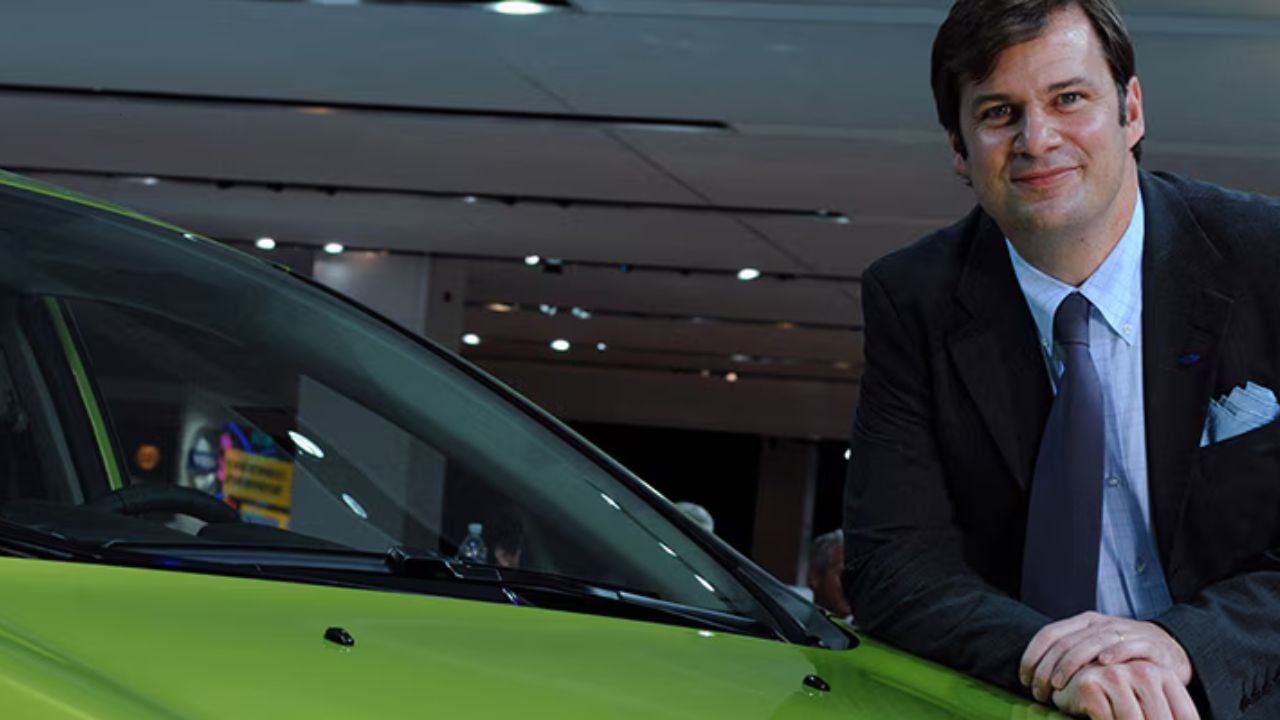
Among automakers is Ford CEO Jim Farley, who has openly acknowledged the speed of China’s EV rise, describing the progress as both impressive and highly competitive.

The competition itself was expected, but few anticipated the sheer pace of acceleration that would propel China into the position of the world’s largest and most dominant EV market.
“Anyone in the auto industry who didn’t feel like something was going to happen in China five years ago was fooling themselves,” shared Farley in an interview with Car and Driver.
“Certainly, I felt that way. But did we know that the companies and the local brands would get that good that fast? No way. We couldn’t travel during COVID. We didn’t go to China during COVID. So, it was invisible to us.
“But I remember going right after with our vice chair, John Lawler. We both looked at each other after about an hour, and we were like, ‘Holy s*it, what the hell happened?’
“Their cars went from clearly behind us to ahead of us. Designs were beautiful. They were electric cars. Nio had battery swapping. It was just shocking, frankly.”
Financial Backing Holds Weight
Bloomberg revealed in 2024 that China’s EV makers received $231 billion in government support over a 15-year period, signaling a long-term strategic investment in an industry that has since delivered decisive results. It works out to about $15.4bn a year.
The returns on that backing have been substantial and arguably even greater than expected, as Chinese brands now dominate both domestic sales and global exports. BYD continues to be the EV market leader.
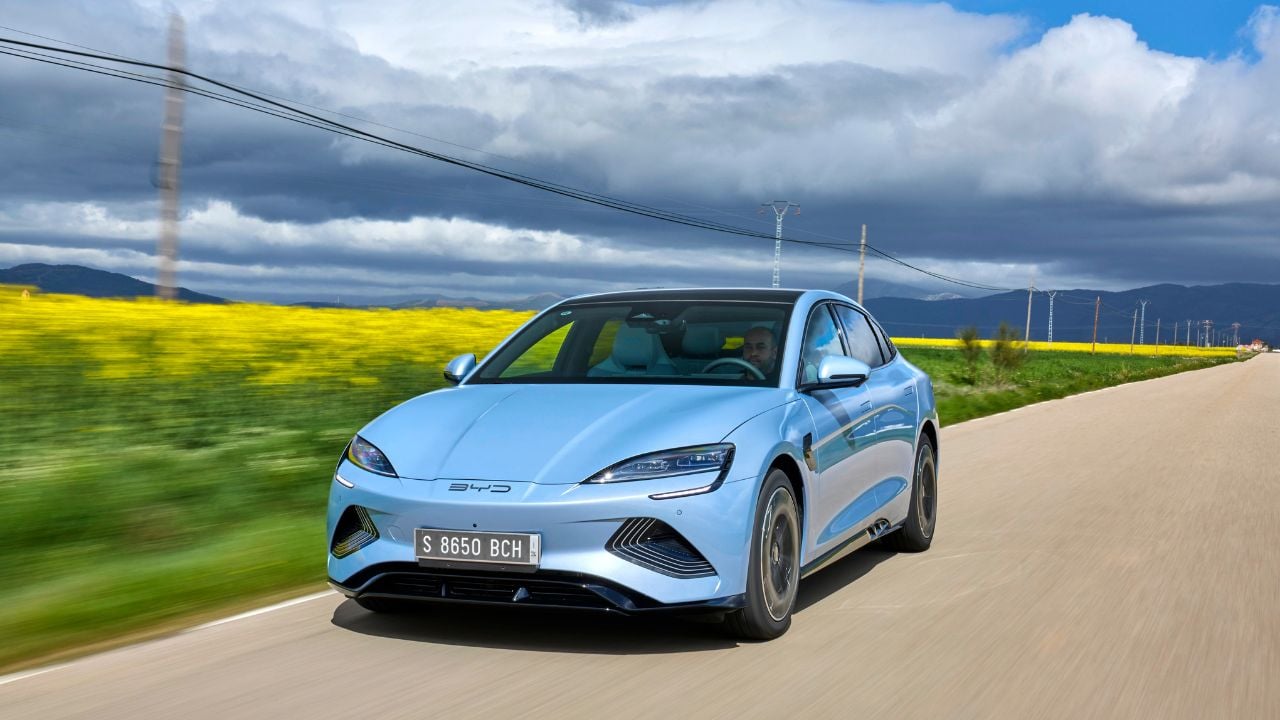
“The local OEMs, with massive support from the Chinese government, built themselves into power house brands,” admitted Ford’s leader.
“A lot of people say now, ‘Well, BYD is more successful in volume than Tesla,’ and they may think that’s, like, a recent phenomenon. But BYD has been making electric vehicles for 20 years.”
USA Are Playing Catch Up
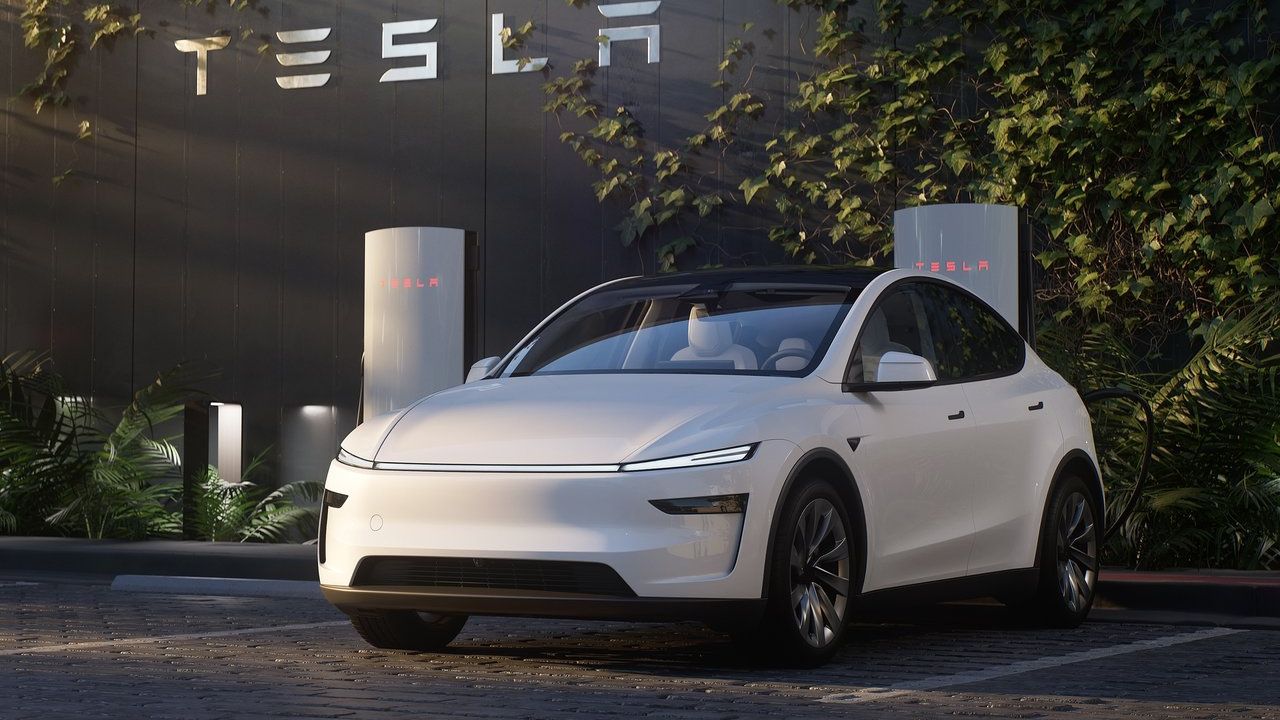
EV giant Tesla saw its sales fall for a fourth straight month in January, underscoring growing challenges. At the same time, the broader slowdown in U.S. EV adoption conveys a contrasting picture to China’s rapid expansion, highlighting a widening gap in momentum, consumer demand, and overall market confidence between the two countries.
Donald Trump’s EV tax credit removal makes EVs more expensive for potential consumers, and past funding to organizations focused on EVs in America is nowhere near that of China’s. The Joe Biden Administration in 2024 granted just $1.1 billion to Stellantis and General Motors for EV production.
The difference is staggering, but ultimately, all the data points to one thing: America is being forced to play catch-up.