If you are still the type of enthusiast who filters listings by “manual only,” BMW just delivered a blunt reality check.
In an interview cited by Car and Driver, BMW M CEO Frank van Meel said the era of manual transmissions in modern performance cars is “nearly over.” He added that while he would love to keep the stick shift alive, the business case is getting worse, and it will become increasingly difficult to justify manuals over the next decade.
Before anyone panics, van Meel’s comments do not suggest a doomsday scenario, at least not yet. Put simply, BMW M is happy with its current crop of manual offerings and plans to keep them “for the next couple of years,” but they may not carry over to future generations of vehicles.
The Real Reason Is Not Demand. It Is Development

Van Meel’s argument is less about enthusiast passion and more about engineering reality and economics. The manual gearbox, he says, does not really make sense “from an engineering standpoint” because it can limit torque capacity and also affect fuel consumption and compliance targets.
Even if demand remains healthy in certain markets, the bigger challenge is what comes next: creating new hardware, calibrations, durability validation, and supplier commitments for a shrinking slice of buyers. Van Meel specifically pointed to the difficulty of developing completely new gearboxes when the market segment is small, and suppliers are not eager to invest.
In other words, a manual transmission is not just a shifter and a clutch pedal. It is a full engineering program, and those programs have to compete for resources with software, electronics, battery development, emissions work, and electrified powertrains. They also cost millions to certify and approve for sale.
The “Manual Tax” in the Electrification Era
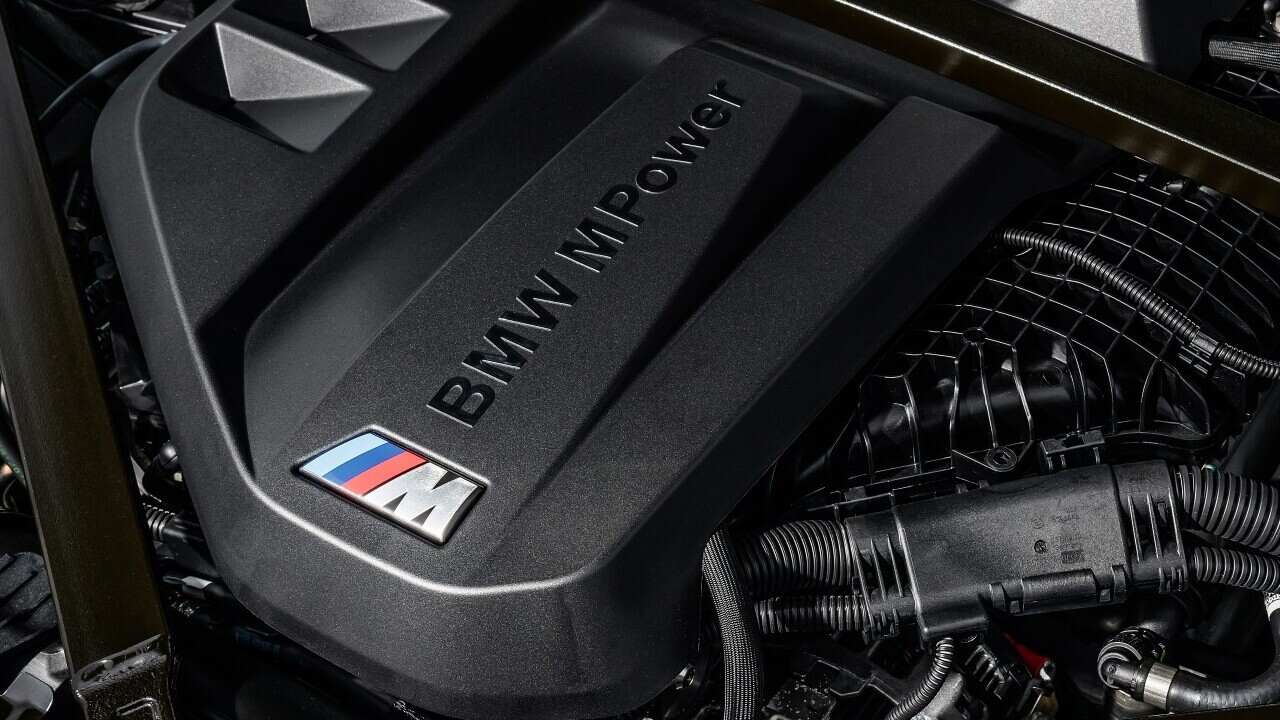
This is where the industry shift becomes unavoidable. Hybridization and EV development are pulling product planning in a different direction. A modern performance automatic can optimize acceleration, emissions performance, and efficiency in ways a manual simply cannot, especially as torque output climbs.
The manual gearbox also creates packaging constraints for electrified layouts. Plug-in hybrids need room for motors, batteries, cooling, and power electronics. Manuals make integration harder, while modern automatics and dual-clutch units can pair with electrification more cleanly. Not to mention, they offer faster and more consistent performance.
So the manual’s future increasingly depends on whether an automaker keeps a legacy internal-combustion platform around long enough to justify it, rather than designing new manuals for next-generation architectures.
What BMW Still Offers Today (and Why That Matters)
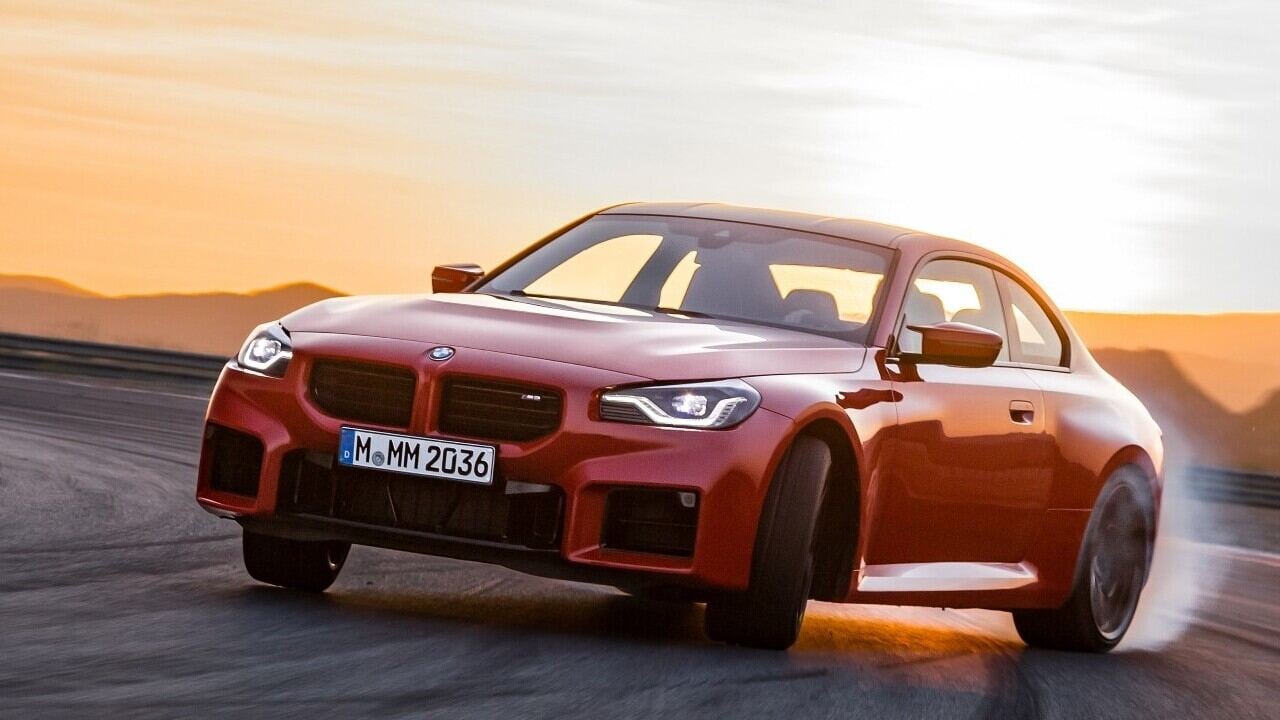
BMW still sells a small group of manual-equipped performance models today, including core M cars like the M2, M3, and M4 in certain configurations. But the list is not expanding, and that is the key signal. Manuals may survive as a carryover feature on products already engineered for them, not as a growing part of BMW’s future lineup.
Van Meel’s wording also suggests the manual’s biggest threat is not a sudden policy decision. It is the slow, practical erosion of support: fewer suppliers willing to build parts, fewer platforms engineered around it, and fewer markets that justify certification costs.
If You Want One, Act Accordingly
For buyers, this is the part that matters. The window for buying a brand-new, three-pedal M car is likely narrowing. That does not mean manuals disappear overnight, but it does suggest that if “new car smell + factory warranty” is non-negotiable, you may want to plan accordingly sooner rather than later.
Options will still exist in the used market for a long time. The question is how many new manuals will remain on dealer lots once the next wave of electrified platforms takes over.
Performance Is Not Dying, It Is Evolving
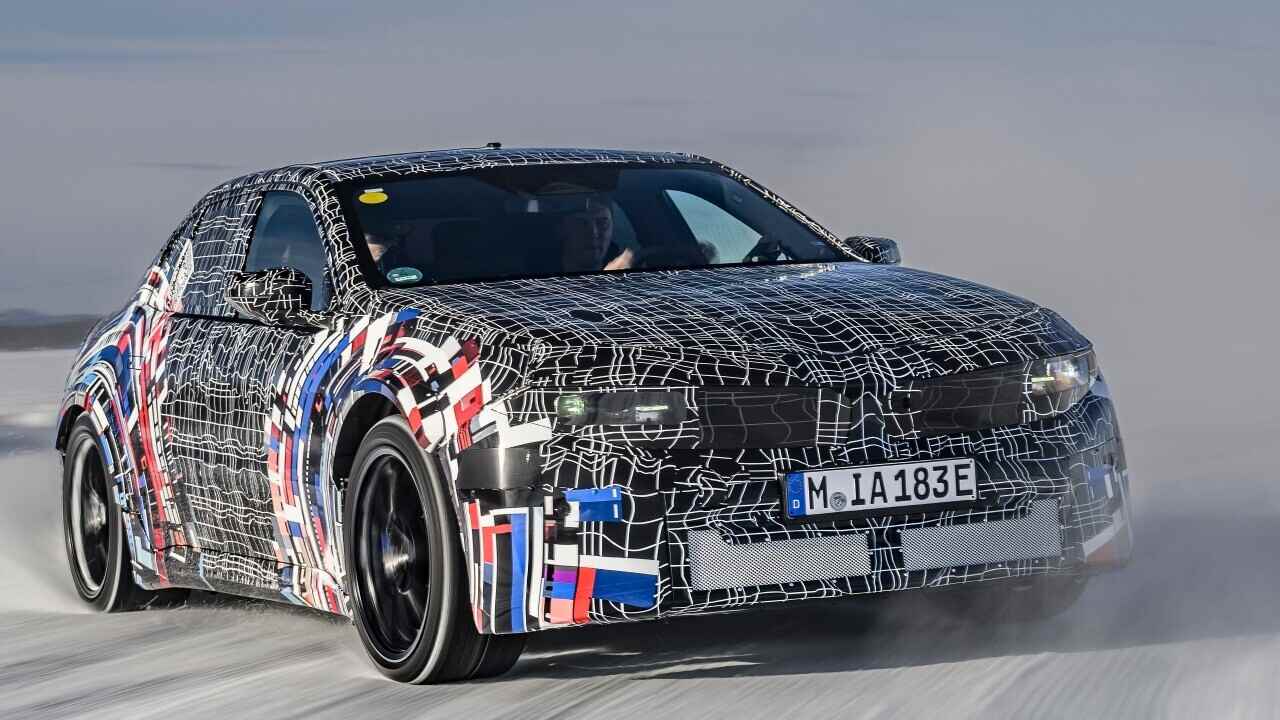
BMW M is not slowing down. Van Meel has also talked about a major pipeline of upcoming M and M Performance products across gas, plug-in hybrid, and EV powertrains. Performance is not dying. It is evolving. The manual transmission, however, is becoming harder to defend in a world where performance and lower emissions have to coexist.
So if you love the stick shift, the message is simple: enjoy the manuals that still exist, because keeping them around is becoming too expensive to make a business case for it.