I don’t usually like to pick on ugly cars. The truth is, a car that looks terrible to one person is often someone else’s dream car. And even when a vehicle never quite reaches dream-car status, many of us still have fond memories tied to some pretty questionable rides.
Maybe it was the car you owned when you met your spouse. Maybe it was the car you drove on late-night runs with friends, or the one you had when you met the person who got away. Cars have a way of sticking to life’s moments, no matter what they look like.
Sometimes, the cars people once mocked find redemption. Models that were ridiculed when new can become cult classics years later. Just look at the Pontiac Aztek, which went from punchline to pop-culture icon thanks to Breaking Bad.
Still, it can get a little boring talking about the best-looking cars all the time. There’s something fun and oddly endearing about the awkward ones. They’re different. They take risks. And whether those risks paid off or not, they definitely give us something to talk about.
So we’re going to take a look at some of the ugliest rides ever built. If one of these happens to be your favorite, don’t take it personally—this is all in good fun, and just one enthusiast’s opinion on some truly questionable design choices.
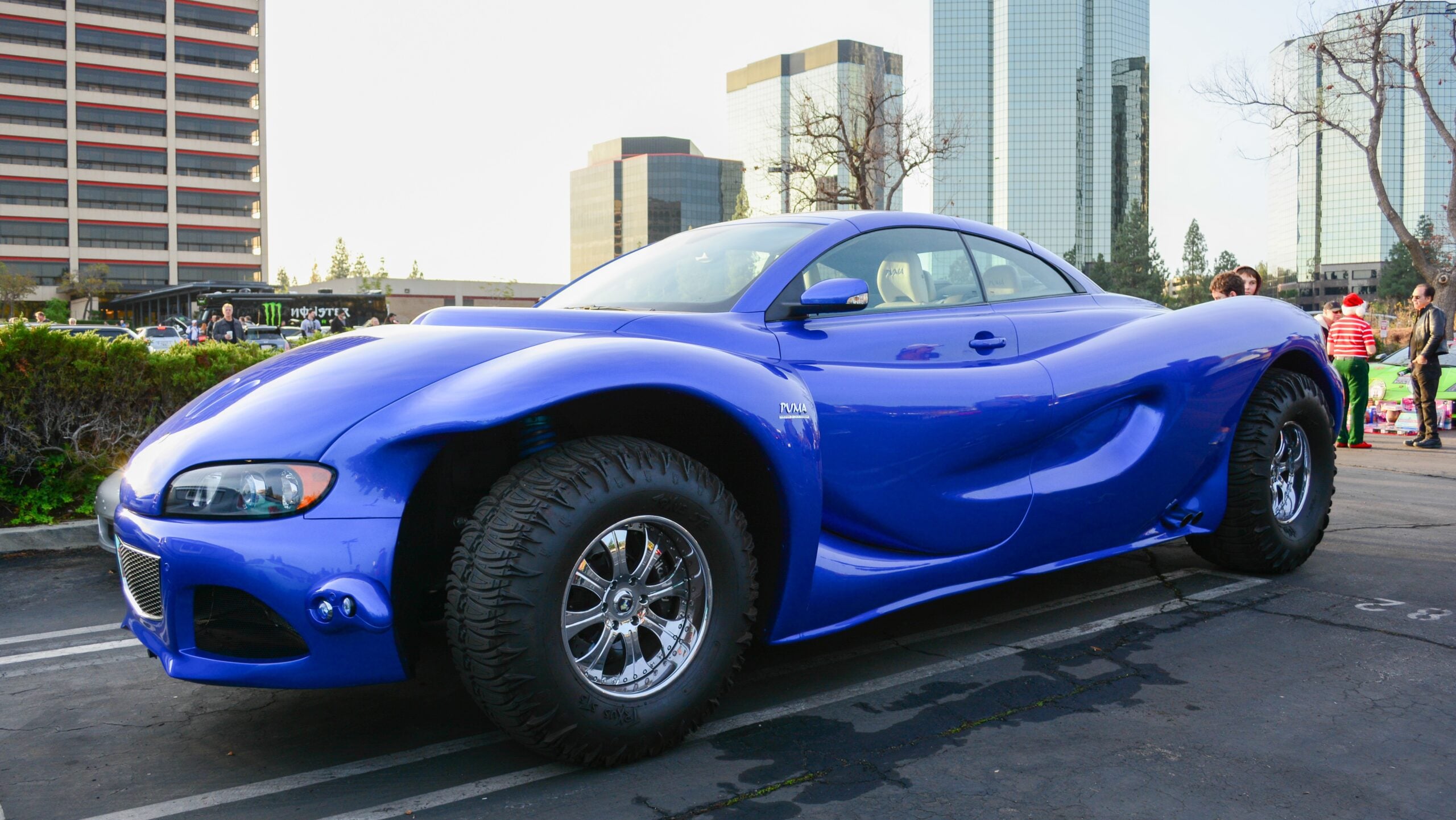
Youabian Puma
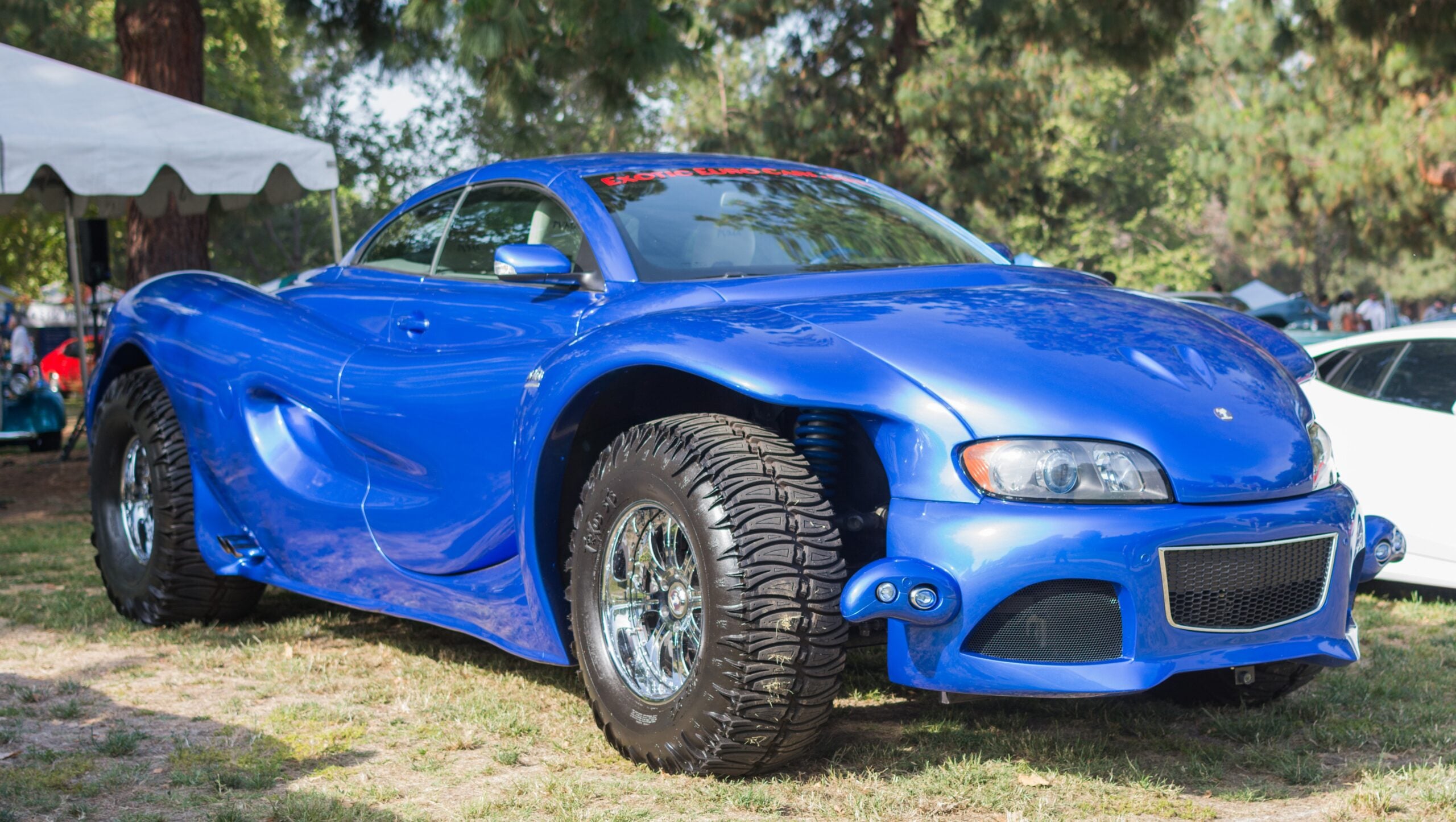
Some cars are subtle. The Youabian Puma is not one of them.
Built in California by Dr. Kambiz Youabian, the Puma was designed to be extravagant in every way. At roughly 20 feet long and nearly 8 feet wide, its sheer size alone made it impossible to ignore, especially on narrow roads.
The car debuted at the Los Angeles Auto Show, where its unusual proportions and styling drew immediate and very mixed reactions. That attention quickly turned the Puma into one of those vehicles enthusiasts remember simply because it exists.
It was never meant to be ordinary. The Puma aimed to be bold, opulent, and different. Whether it succeeded or not depends on who you ask, but it is certainly unforgettable.
SsangYong Actyon
_A200_XDi_wagon_(2012-03-17)_01.jpg)
The SsangYong Actyon is one of those vehicles that feel like they almost work. There are hints of BMW in the overall shape, and for some reason, the front end even gives off a bit of old Buick vibe. It is unique and, in its own way, kind of interesting.
From some angles, it almost looks good. The proportions are a little stubby and just weird enough to be endearing, almost cute. But something about the design never quite comes together. The lines do not fully align, and the overall look feels slightly off, like a sketch that was never fully refined.
It is not a vehicle that most people would call beautiful, but it is memorable, and sometimes that counts for just as much.
Lotus Europa
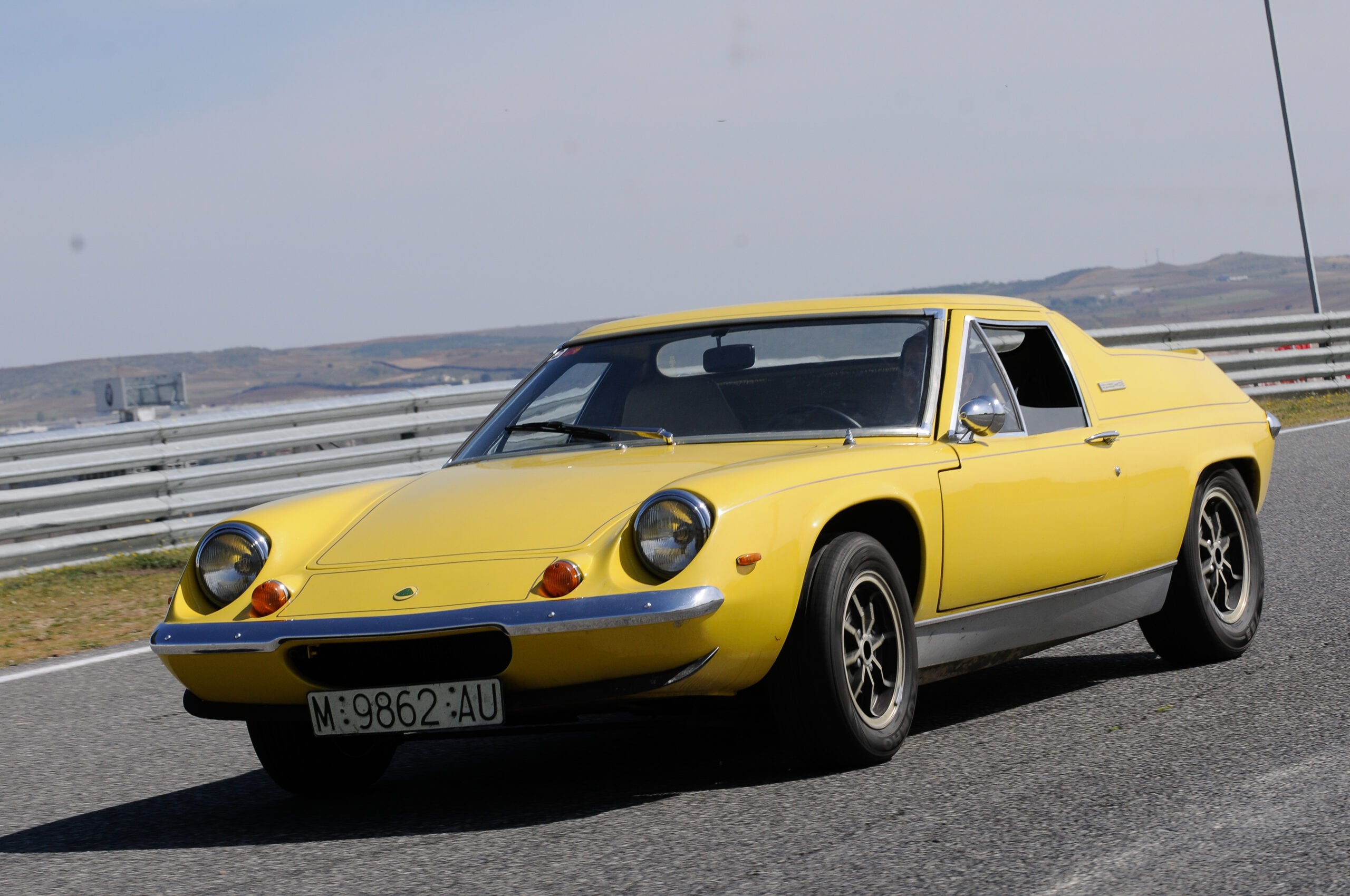
The first time I saw a Lotus Europa, I honestly thought it was a kit car, something built on a Volkswagen Beetle chassis in someone’s garage. The proportions just have that look at first glance.
To be fair, this car is a bit before my time, and I have never driven one. It may be fantastic behind the wheel and secretly one of the most rewarding cars Lotus ever built. I will leave that judgment to the people who have actually experienced it.
From a styling perspective, though, the front end almost works. It has that low, purposeful Lotus shape, and you can see what the designers were aiming for. But everything behind the doors feels like the design lost momentum. The rear section looks abrupt and unfinished, as if the styling team simply decided it was good enough and moved on.
It may be a brilliant driver’s car, but visually, it never quite comes together for me
Fiat Multipla

I have to give the Fiat Multipla some credit. Packaging six seats into such a small footprint is genuinely clever, and it is the kind of practical thinking you do not see very often anymore.
What throws me off is the stepped section between the hood and the windshield. It gives the front end a layered look that feels like a car is growing out of another car. It is unusual in a way that makes you look twice, even if you are not sure whether you like what you are seeing.
The Multipla is one of those vehicles people love to joke about, but it is also hard not to respect how different it was.
Jeep Compass

The Jeep Compass eventually grew into a pretty decent SUV, but the first generation was kind of awkward-looking. It never had the cute, approachable charm of something like a Liberty, nor did it have the rugged, squared-off presence people usually expect from a Jeep.
It felt stuck between identities. The styling was rounded in some places and more angular in others, but not in a way that felt intentional or distinctive. Nothing about it really stood out, and for a brand built on personality and heritage, that made the early Compass feel a bit out of place.
Later versions found their footing, but those first models are a reminder that even iconic brands sometimes need a generation or two to get it right.
Chevy Luminia APV

I almost like the Chevy Lumina APV. Almost.
The sharply sloped A-pillar and that long, cab-forward style windshield are actually pretty cool. It gives off hints of the Toyota Previa, and for a moment, you can see the futuristic minivan GM might have been aiming for.
The problem is that the design does not really carry through the rest of the van. The front half feels sleek and space-age, but behind the front doors, it abruptly turns into what looks like a completely different, much more ordinary van body. The transition is so sudden that it feels like two separate vehicles welded together.
And then there is the Lumina-style nose. That front end really keeps it from fully committing to the futuristic shuttle look it almost had. You can see what it was trying to be, which somehow makes the mismatch stand out even more.
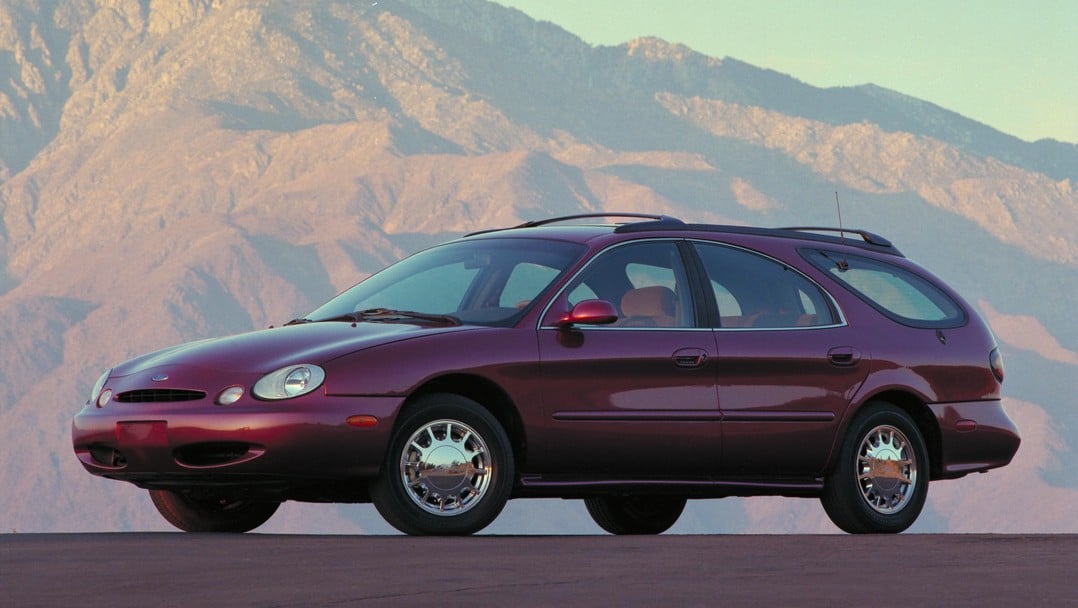
Ford Taurus (Third Generation)
The first-generation Taurus sold like hotcakes. In my opinion, it was maybe a bit safe looking, but still cool in its own way. It even showed up as police cars in RoboCop, and the SHO version gave us a fantastic sleeper that enthusiasts still respect today.
The second generation pushed the styling further with a more daring, bulbous approach. I thought it was kind of ugly back in the day, and my feelings have shifted a bit over time, but some versions still do not work for me, especially the wagon.
By the time the third generation arrived, Ford leaned all the way into the oval theme. Everything was rounded, from the grille to the rear window to the interior shapes. It was distinctive but also a little overwhelming, as if the design theme went a step too far. It is one of those cars that is instantly recognizable, but not always for the reasons the designers probably hoped.
Dodge Dynasty

The Dodge Dynasty is not hideous. It is just about as boring as a car can possibly get.
It starts at the front, which is extremely plain, and somehow gets even less interesting as you move toward the rear. By the time you reach the back, the rear glass is almost straight up and down, and the trunk is nearly flat, giving the whole car a stiff, slab-sided look.
At times, it almost feels like something out of The Simpsons, like a cartoon version of what a generic sedan is supposed to look like.
This is one of those cars that always makes me wonder what actually goes on in design meetings. Playing it safe is one thing. Designing a car that looks like a kid sketched it in crayon is something else entirely.
Kia Amanti
.jpg)
Kia has grown from humble roots into a powerhouse, knocking out some genuinely great designs in recent years. The Kia Amanti was an early attempt to build a luxury-style sedan, and in many ways, you can see what they were going for.
It has the cues. The chrome, the soft lines, the formal sedan shape. Yet somehow it ended up looking more like the Temu version of a luxury car than the real thing. The proportions and details just never quite come together the way they do on the cars it was clearly inspired by.
Certain angles do it more justice than others, but overall, I would call this first attempt a good try, but a miss. It was a step in the right direction, even if Kia needed a few more years to really nail the formula.
Hyundai Tiburon

The early first-generation Tiburon was, in my opinion, a good-looking car. Maybe a bit too cute for some people in the sporty-car crowd, but still a decent-looking coupe that felt fresh at the time.
Then the refresh came along, and things got a little strange. The rounded headlights gave the front end an almost alien look that never quite worked for me. It was not terrible, but it lost some of the clean, simple styling that made the original appealing.
The second generation relaunched the car with a more grown-up design, and that version really worked. It looked sharper and more confident, and felt like a legitimate contender in the affordable sports coupe market rather than just an interesting experiment.
1958 Ford Thunderbird

The 1958 Thunderbird is weird enough to like. There is something about it that works, even if it is not what most people picture when they think of a classic Thunderbird.
I have always felt like it would have been interesting if the Thunderbird had evolved more like the Corvette and stayed a true performance competitor. In my mind, the 1958 model is where that timeline splits. From here, the Thunderbird leaned into becoming a personal luxury coupe instead.
We still got a few decent-looking versions after this, but after about 1967, things got really boring. The cars grew bigger, softer, and far less interesting to look at, and the sense of personality that made the early Thunderbirds special slowly faded.
Nissan S-Cargo

The Nissan S-Cargo is weird and funky enough to be cool, at least at first glance. The front end is rounded and a bit bulbous in a charming way, with headlamps that almost feel like a nod to the Austin-Healey Sprite. And that arched glass section in the door is fantastic. It gives the little van a playful, retro personality that is hard not to appreciate.
The problem is that the design theme does not carry through. That flowing arch abruptly ends behind the front door, and the rest of the body shifts to harder angles and flatter panels. Then there is the small, awkwardly placed porthole-style window in the rear section, which feels like it belongs to a completely different vehicle.
It is still an interesting and memorable design, but it feels like two ideas that never fully came together.
Aston Martin Lagonda
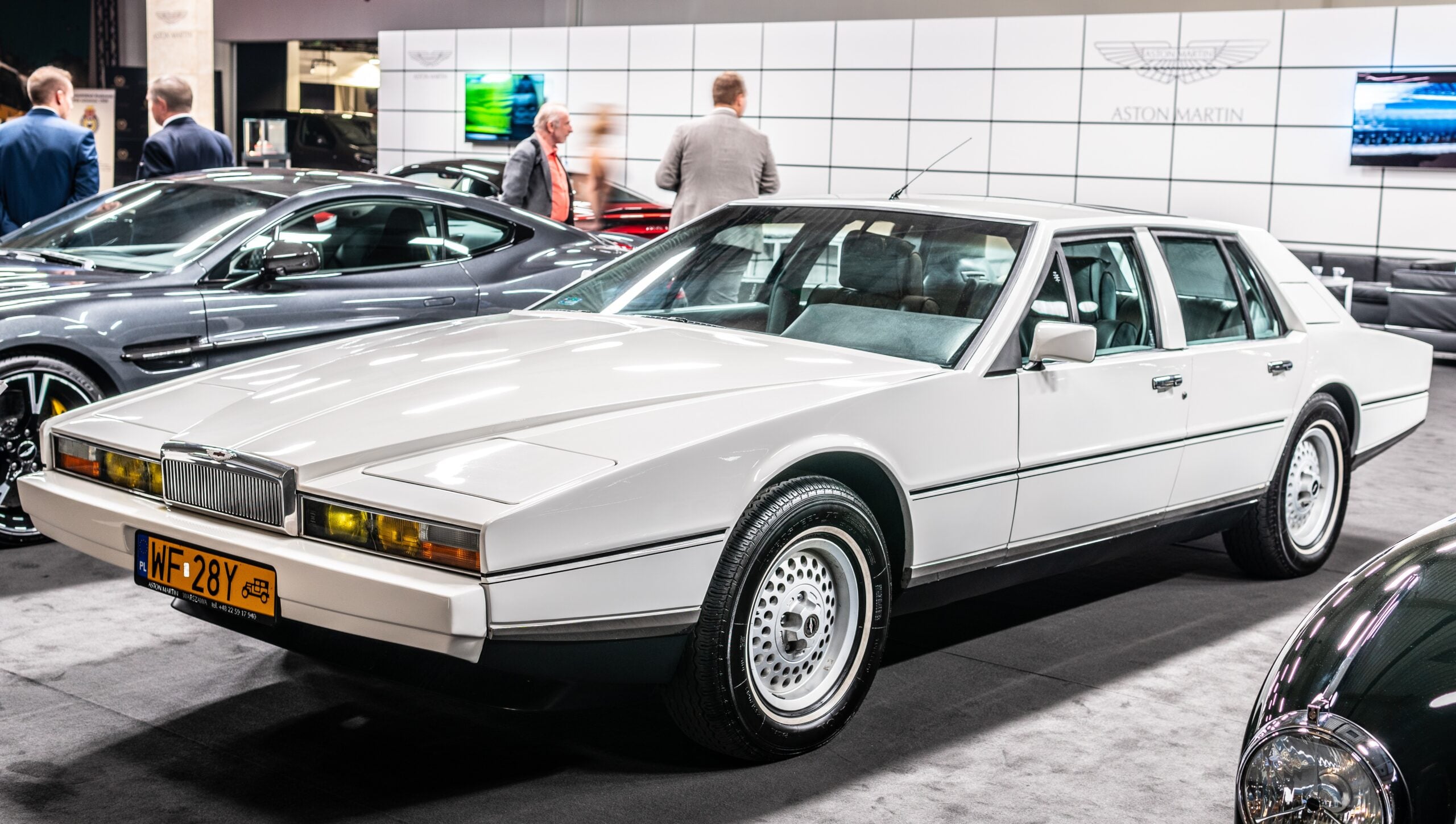
The original Aston Martin Lagonda is one of those cars that feels like it was designed in pieces. It almost looks like one person designed the front end, another designed the middle, and a third designed the rear, and none of them compared notes or agreed on what an Aston Martin should look like.
What really stands out is just how much front-end there is. The nose seems to go on forever, giving the car proportions that feel stretched and slightly unbalanced, especially in profile.
You can respect what Aston Martin was trying to do. The sharp wedge shape and ultra-modern styling were incredibly bold for the time. Instead of looking sleek and cohesive, the Lagonda feels disjointed, as several design ideas are crammed into one very long car.
Mitsuoka Orochi
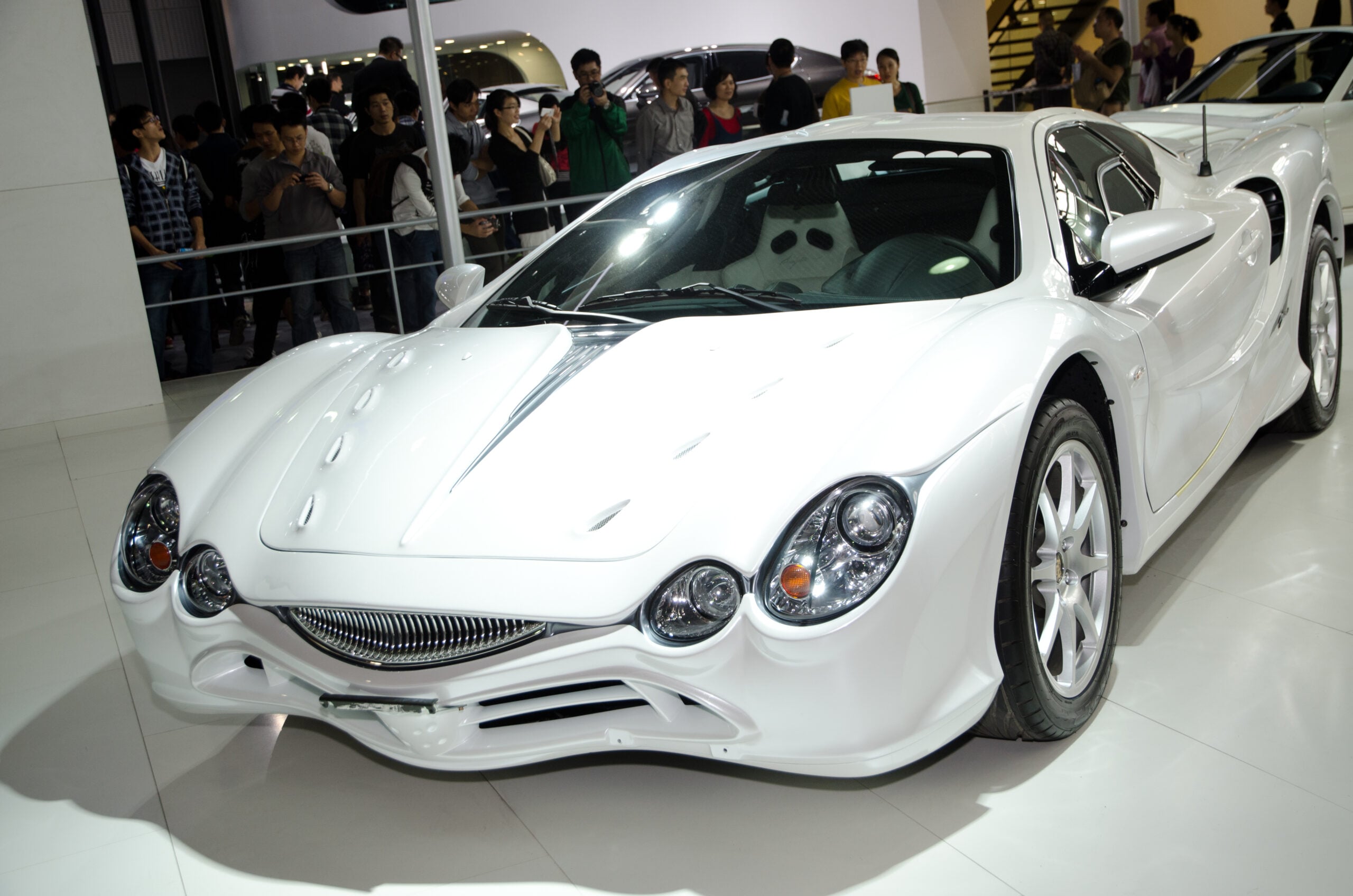
The Mitsuoka Orochi is one of those cars that almost looks alive. The front end somehow looks like both a Star Wars alien and something the Gungans would drive. At times, it feels like the car was designed by Jar Jar Binks himself.
To be fair, some elements do work if you are going for a flowing, organic kind of vibe. The curves and sculpted surfaces are bold and very different from the sharp, angular supercars most people are used to seeing.
However, other details pull away from that theme. The side windows, in particular, never seem to match the rest of the design, and the overall shape starts to feel busy rather than cohesive.
The Orochi is certainly bold, and you have to respect that. But it is also a good reminder that sometimes less really is more.